

The beauty of spiritual transformation
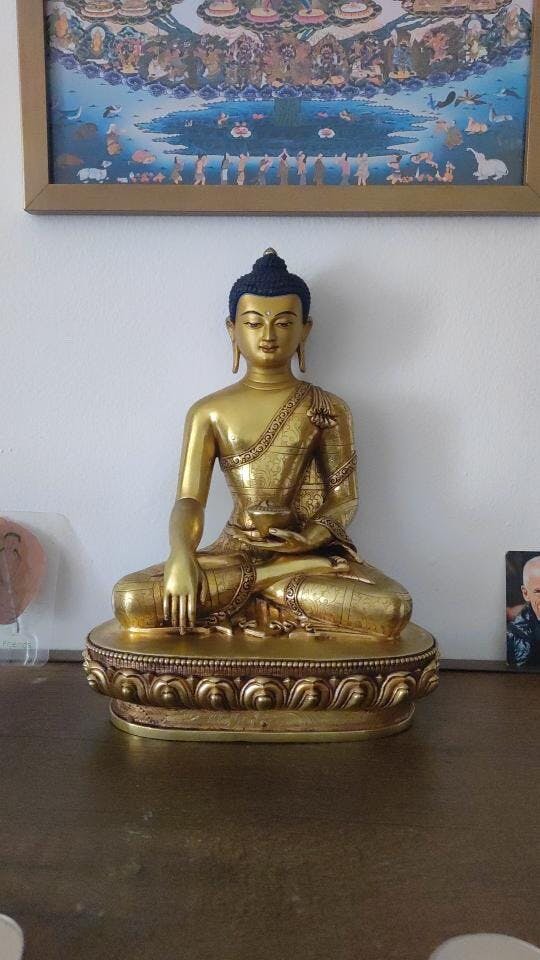
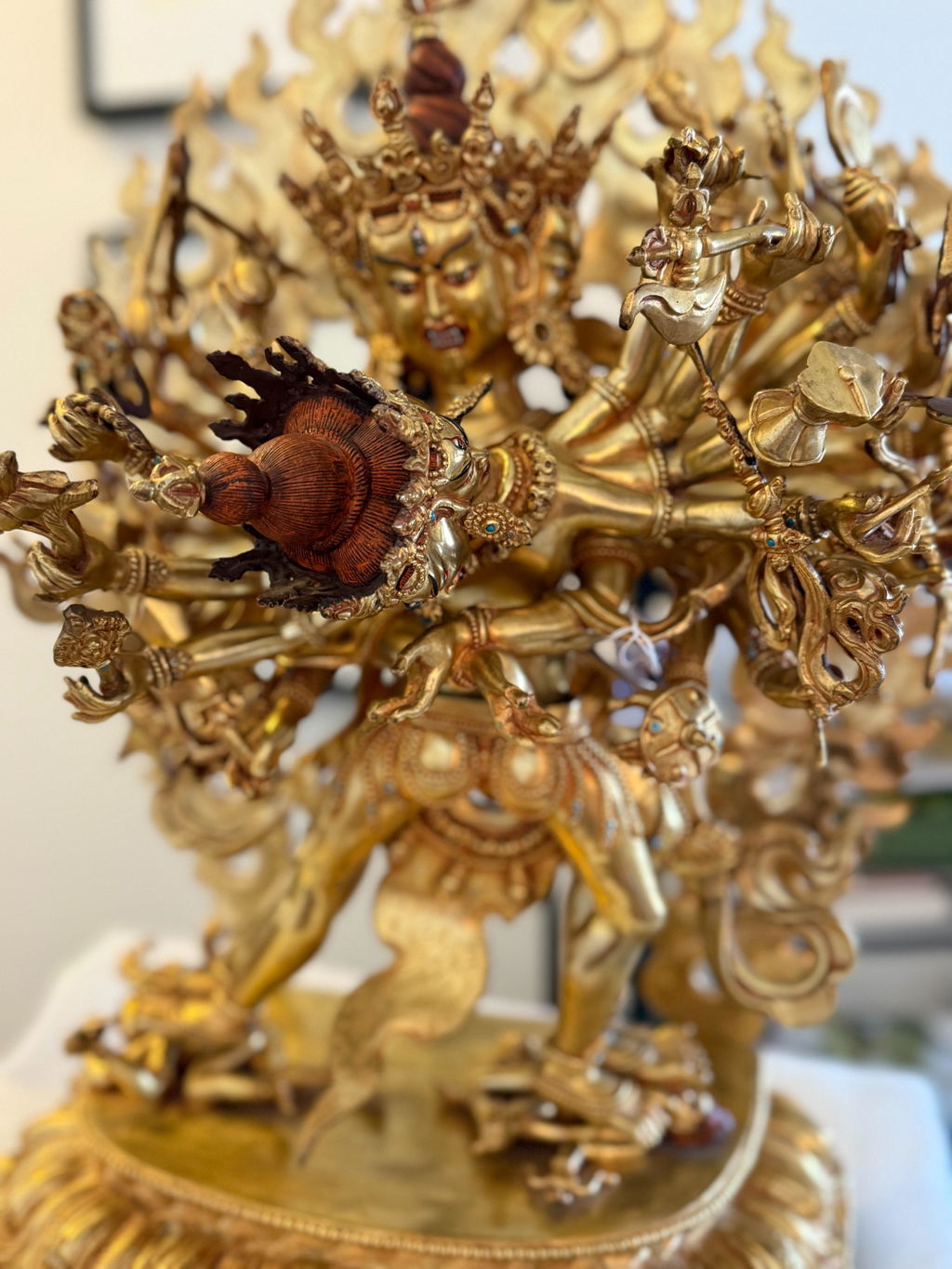
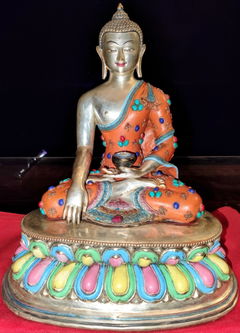
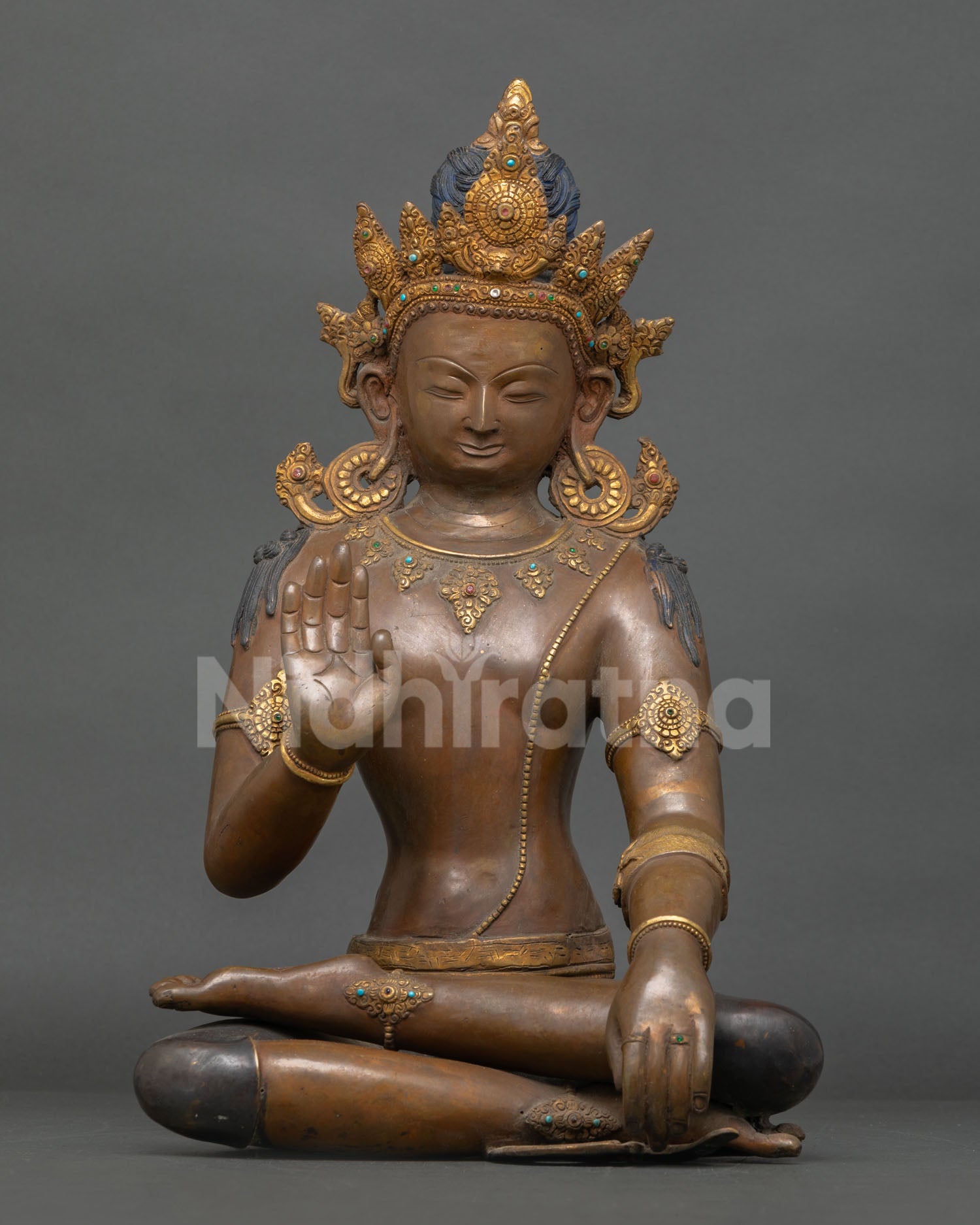
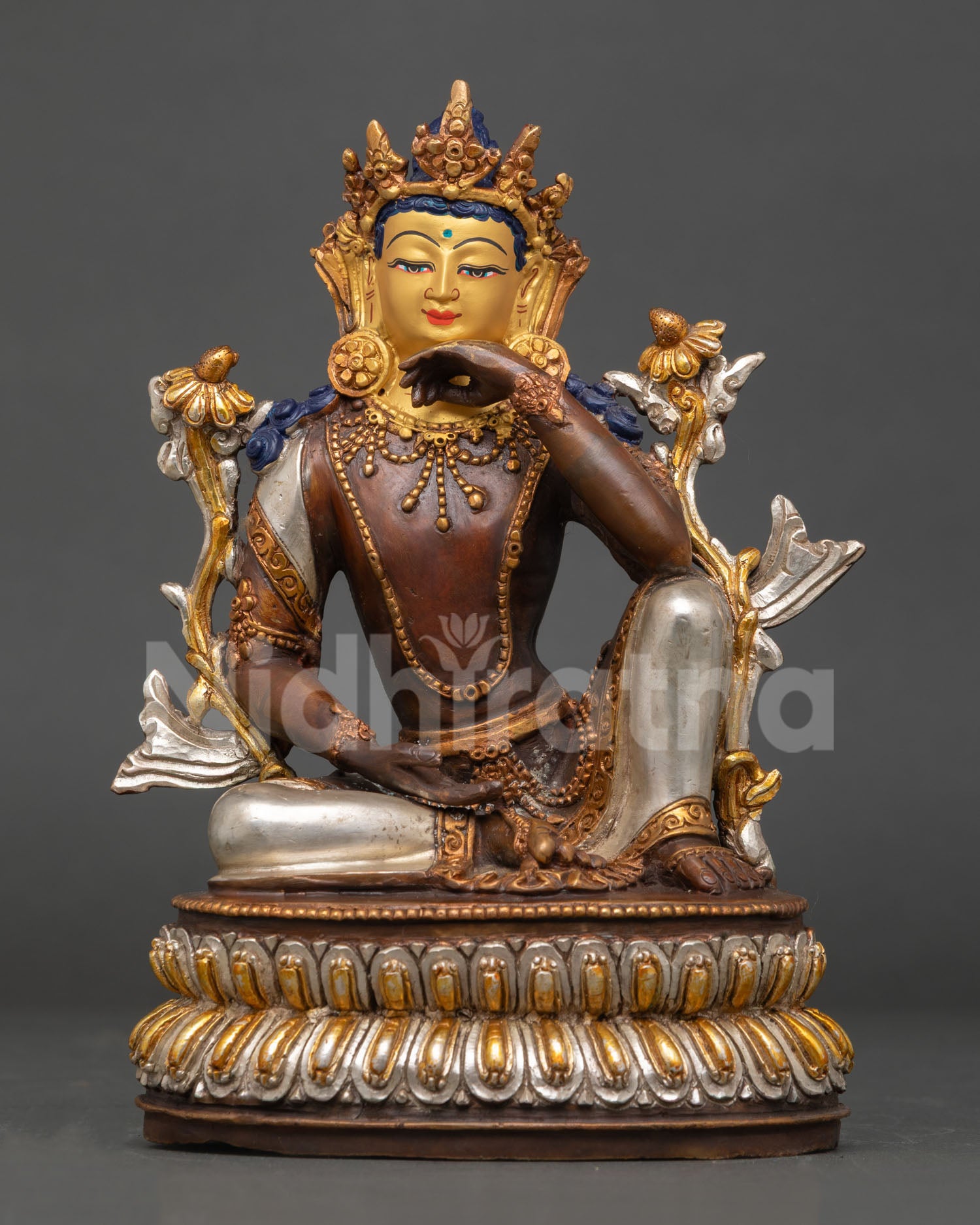
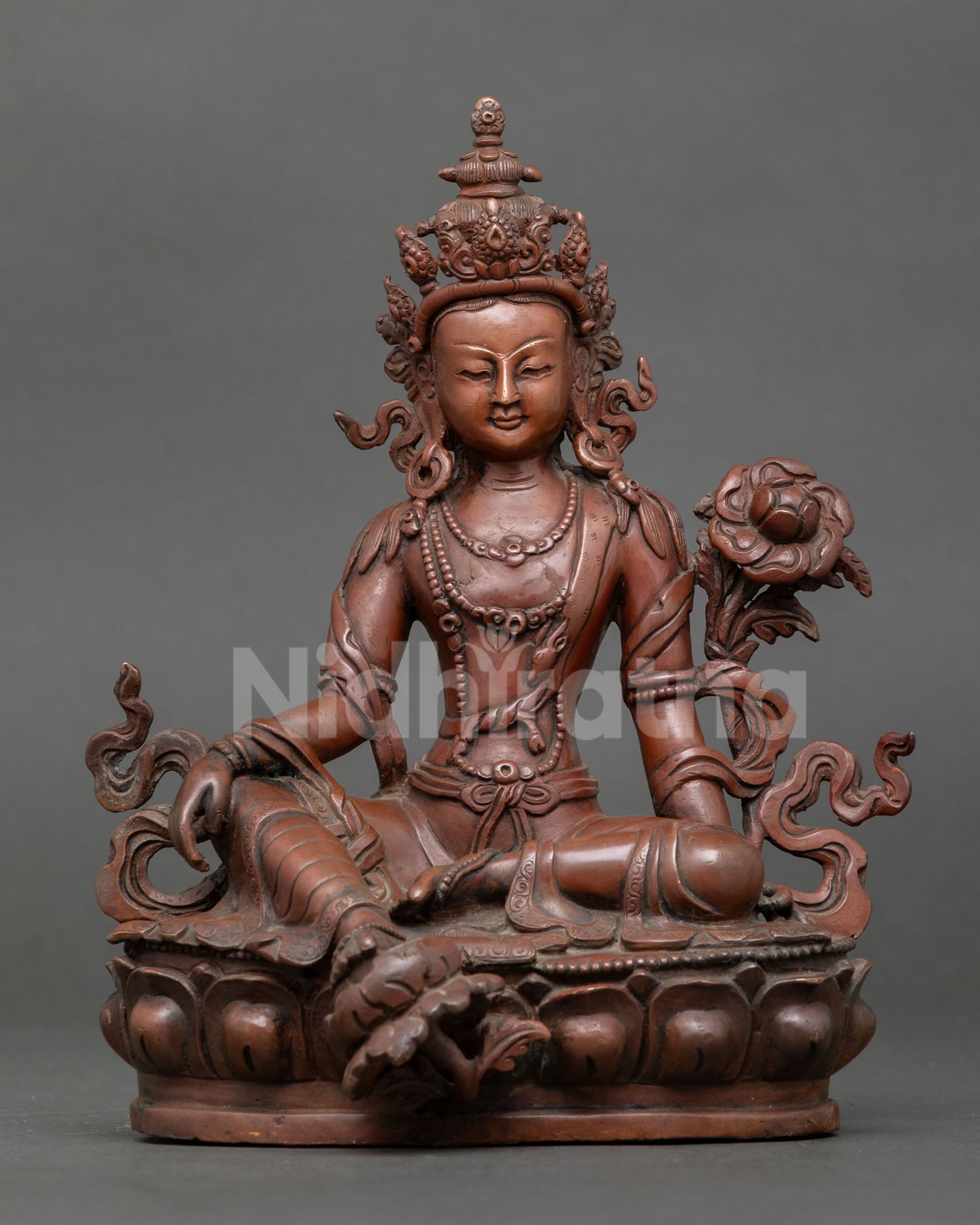
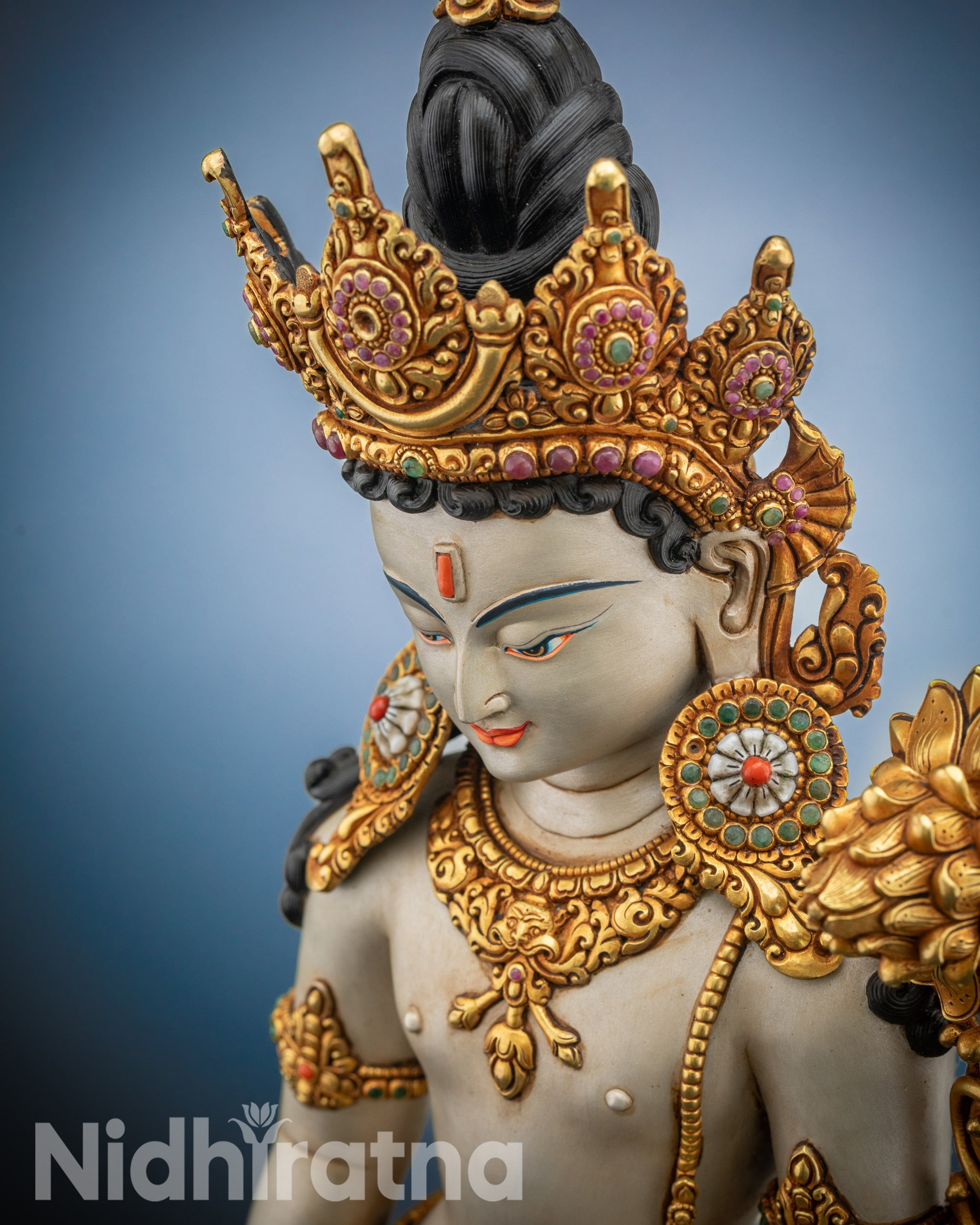
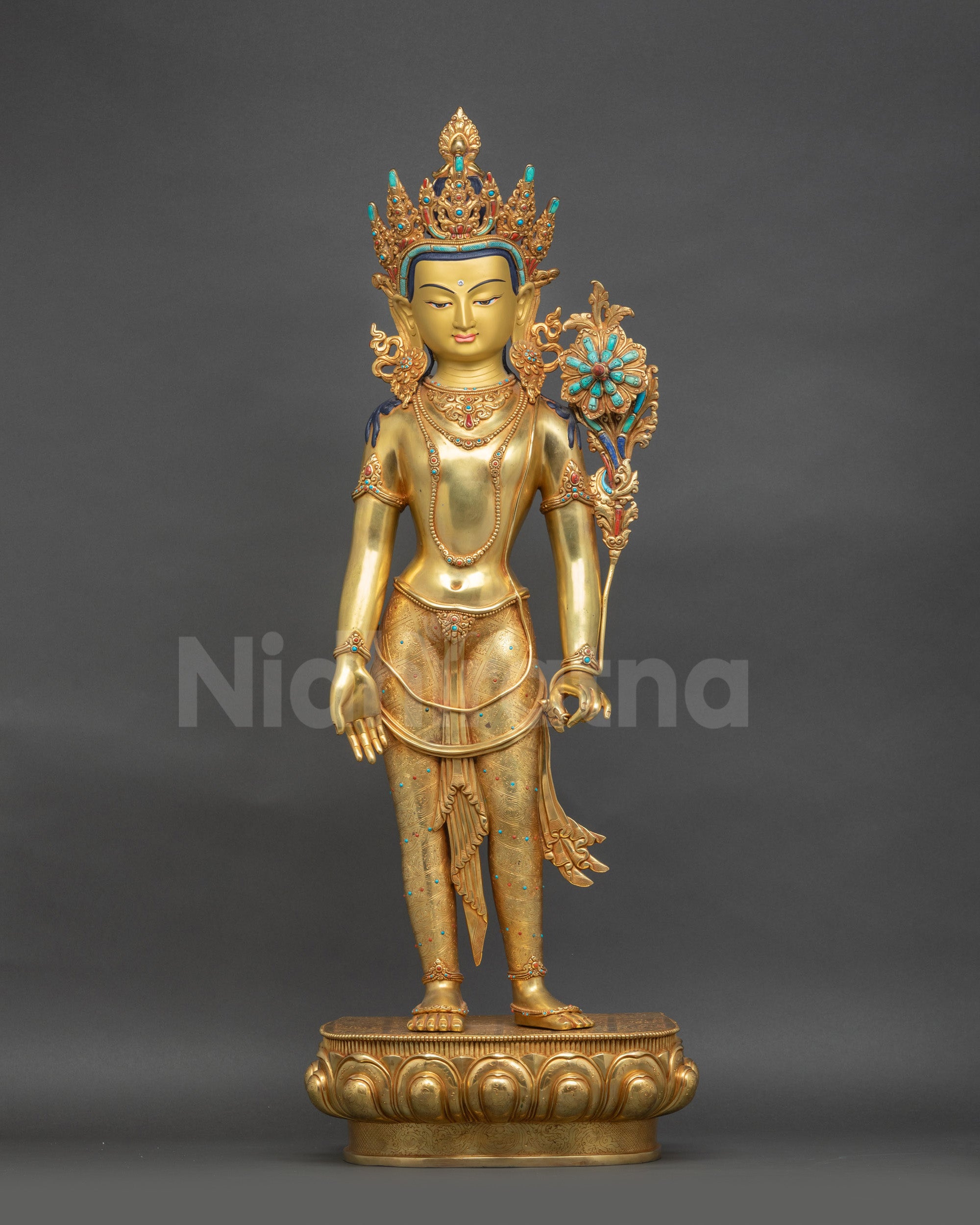
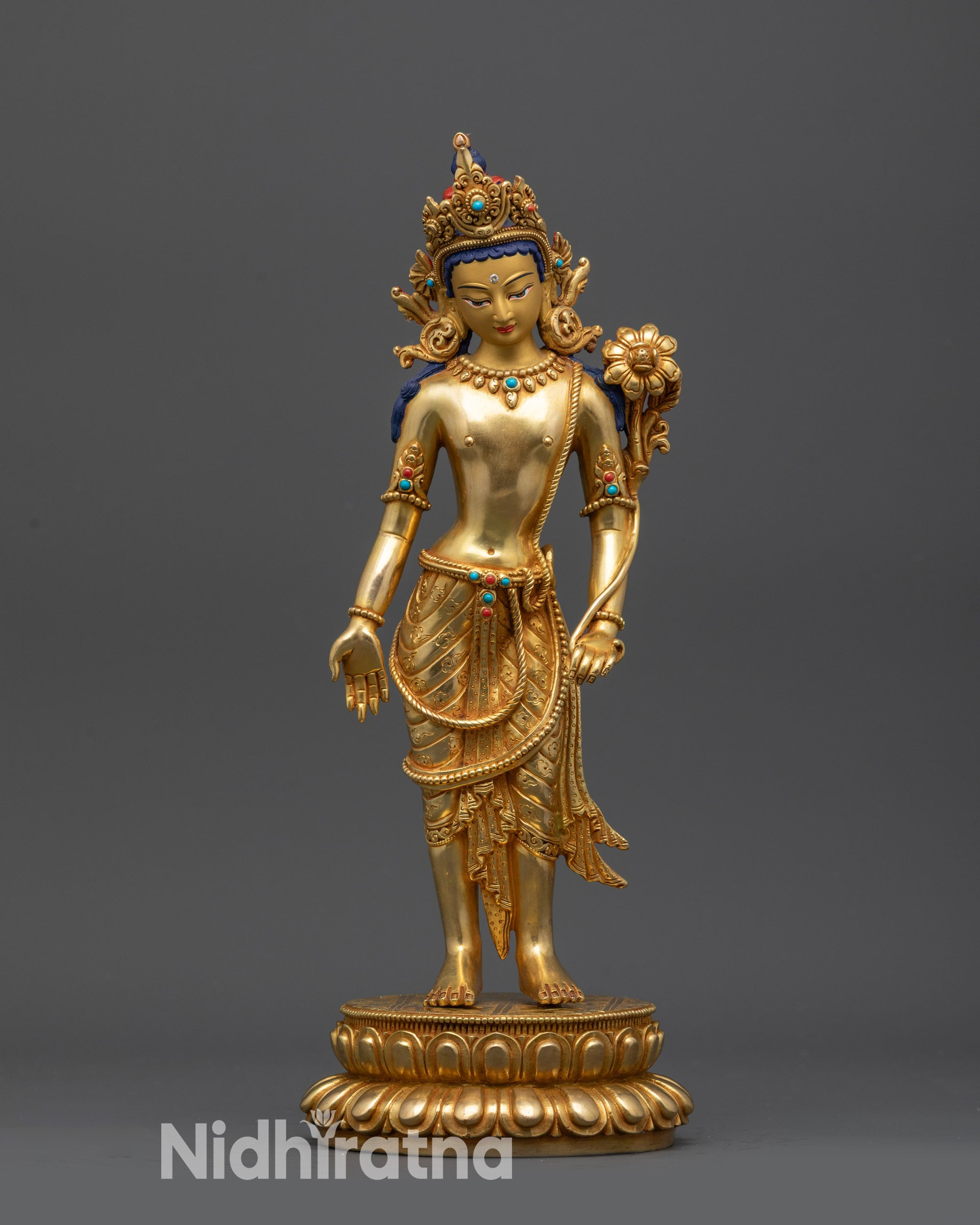
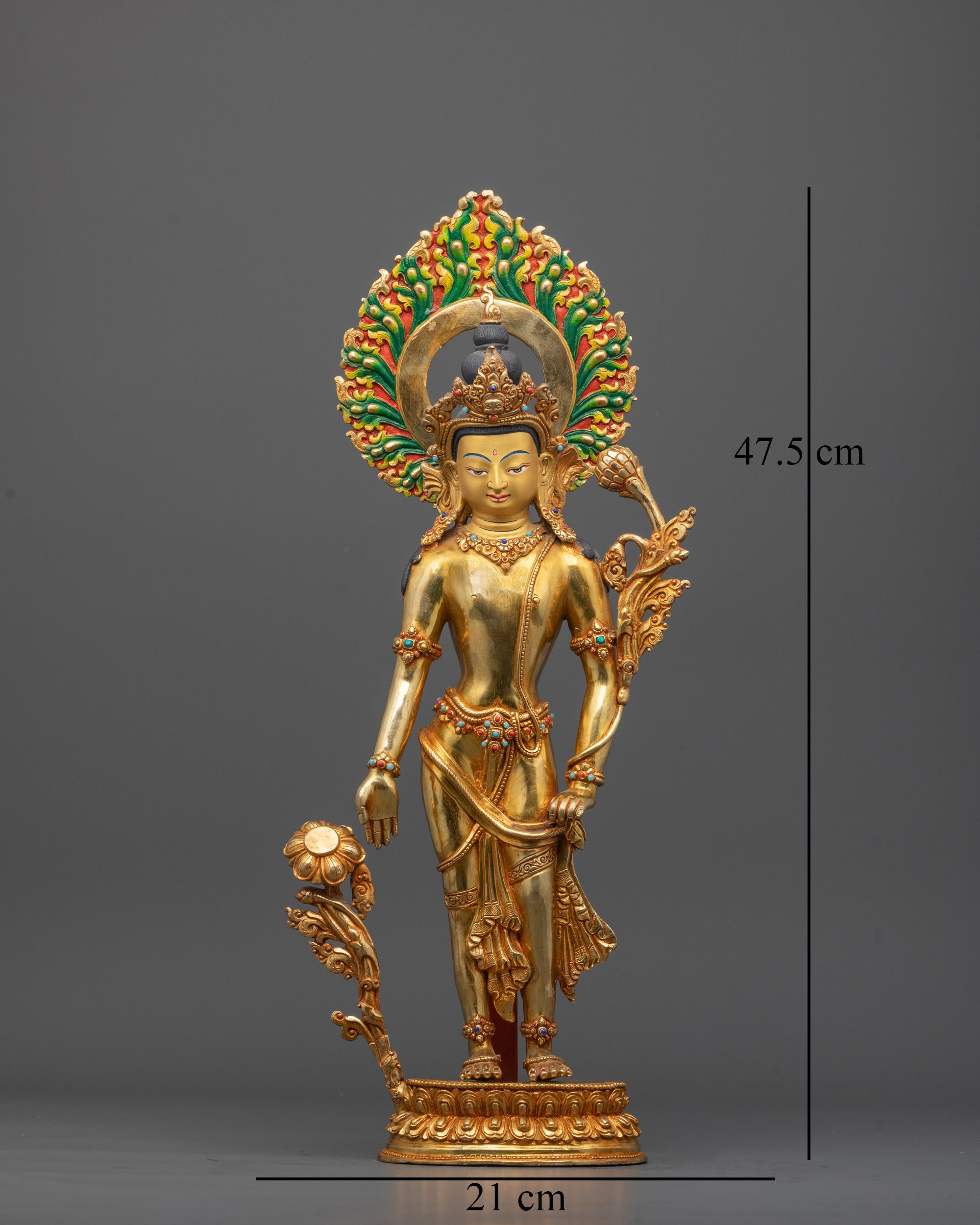
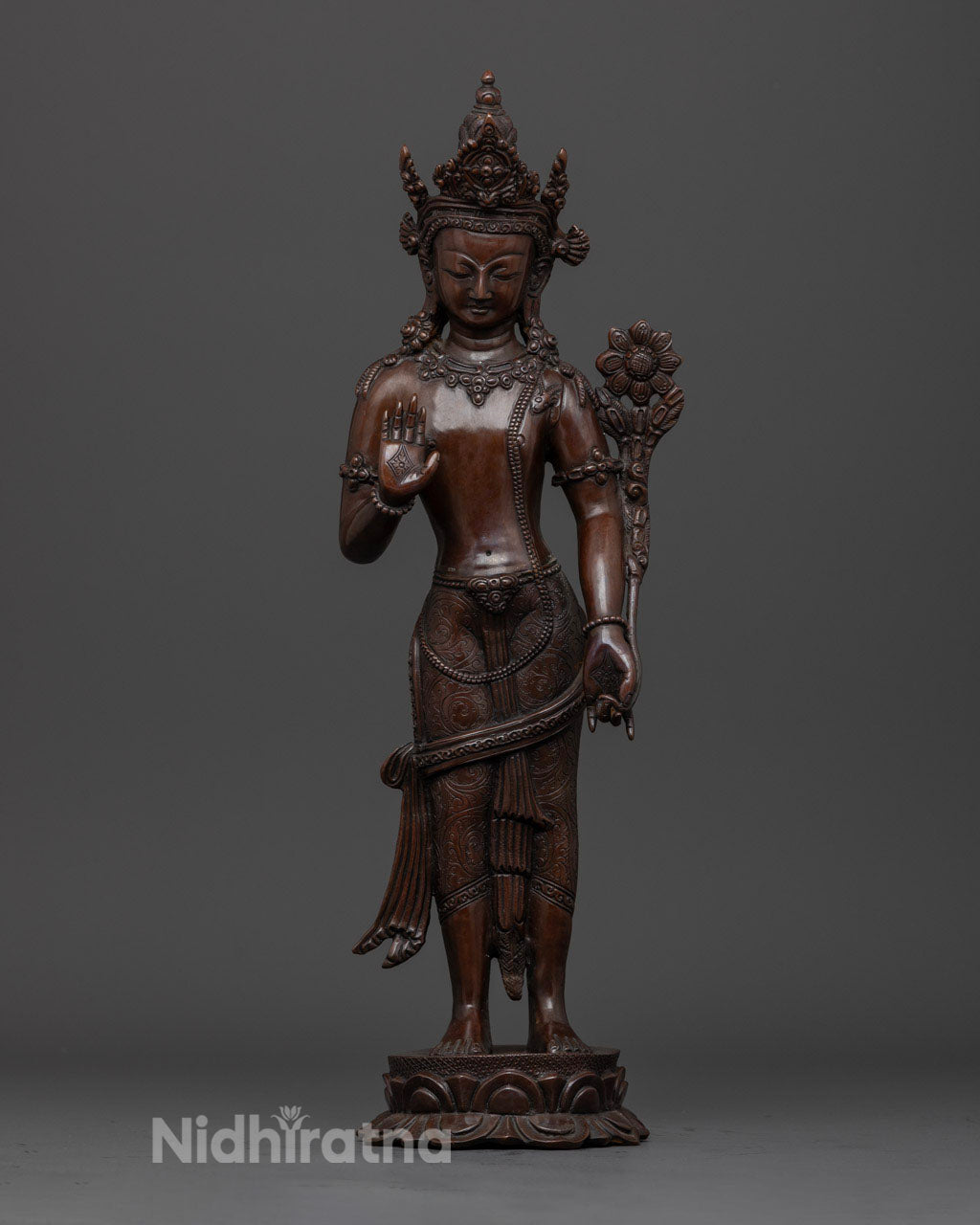
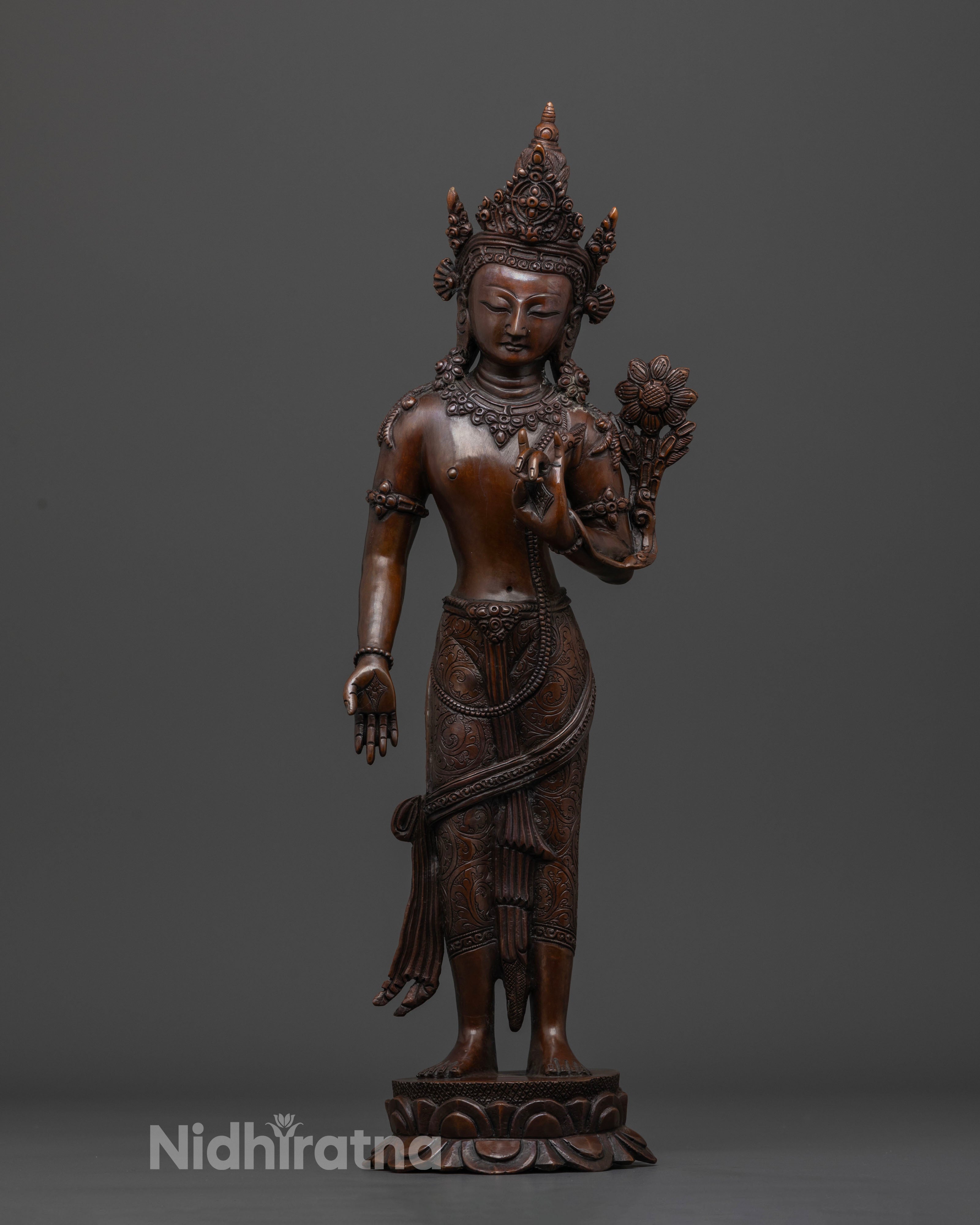
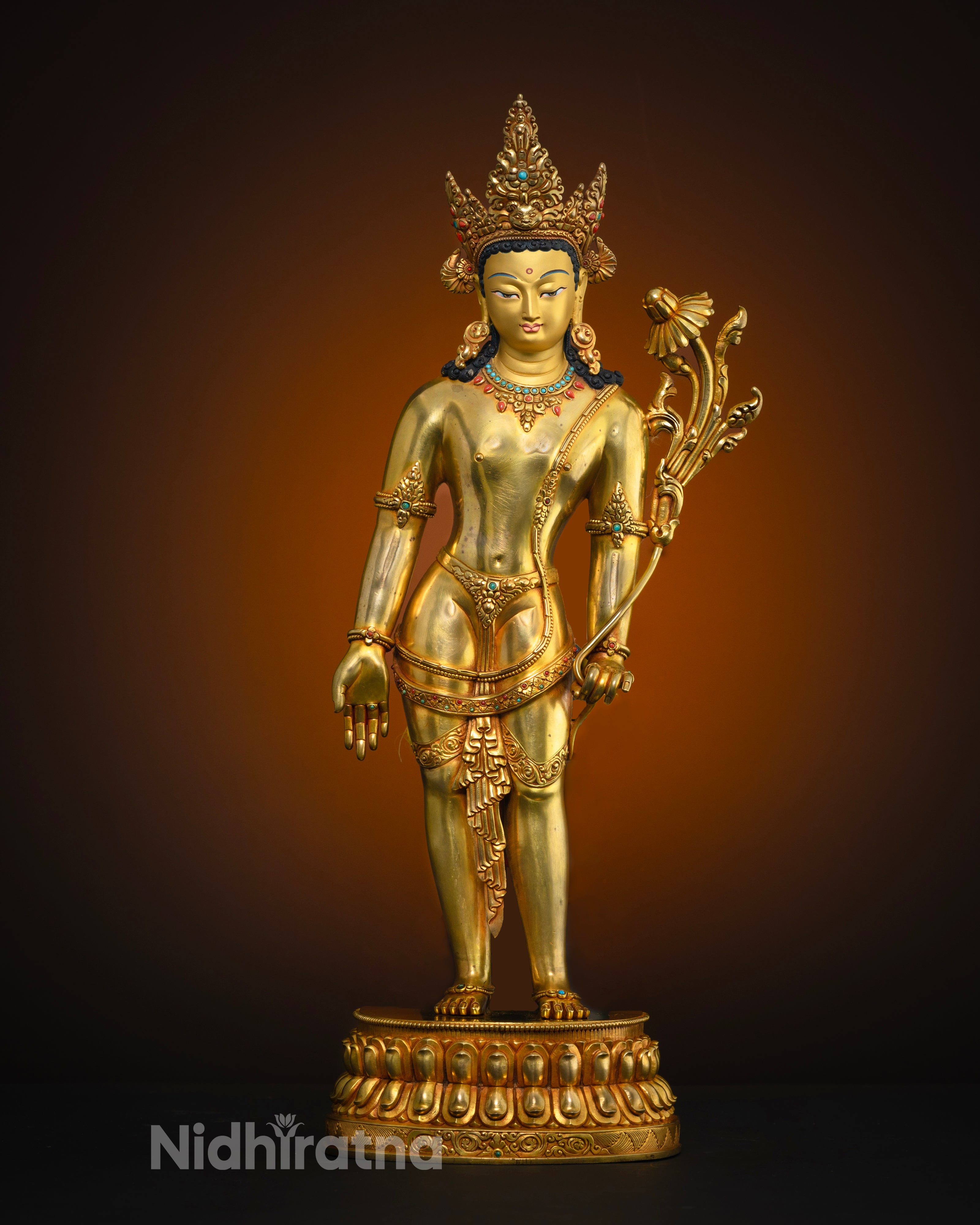
I have no words to express my amazement at this statue, the work of talented Nepalese artisans capable of inspiring devotion and open-mindedness even in people of Western culture like me.
The product was exactly as described. They had the statue comsecrated at Sechen Monastery in Nepal. It was well-
packed and arrived promptly. Excellent and courteous service.
One of these Statues will last your lifetime, so it is seriously worthwhile investing in one that is beautiful and inspires you in your practice. The people at Nidiratna are very friendly, reliable, post securely and quickly. Highly recommended.
Splendid quality as ever with the Nidhiratna people. Seems expensive until you see the detail, the quality, the beauty, and then you remember the statue will last a lifetime. Well worth it.
Stunning, better in person that the images online suggest.
Very beautiful statue, a masterpiece of craftsmanship; the contact with the shop was excellent, they were very caring, everything was easy, friendly and professional.
100% plus recommendation
Thank you !
Amazing and intricate artwork
The person that assisted me regarding the consecration did it's best to fulfil my request.
The statue arrived quickly to Rosario, Argentina. The person assisting me for the consecration cleared all my doubts and did it's best to accomplish my request.
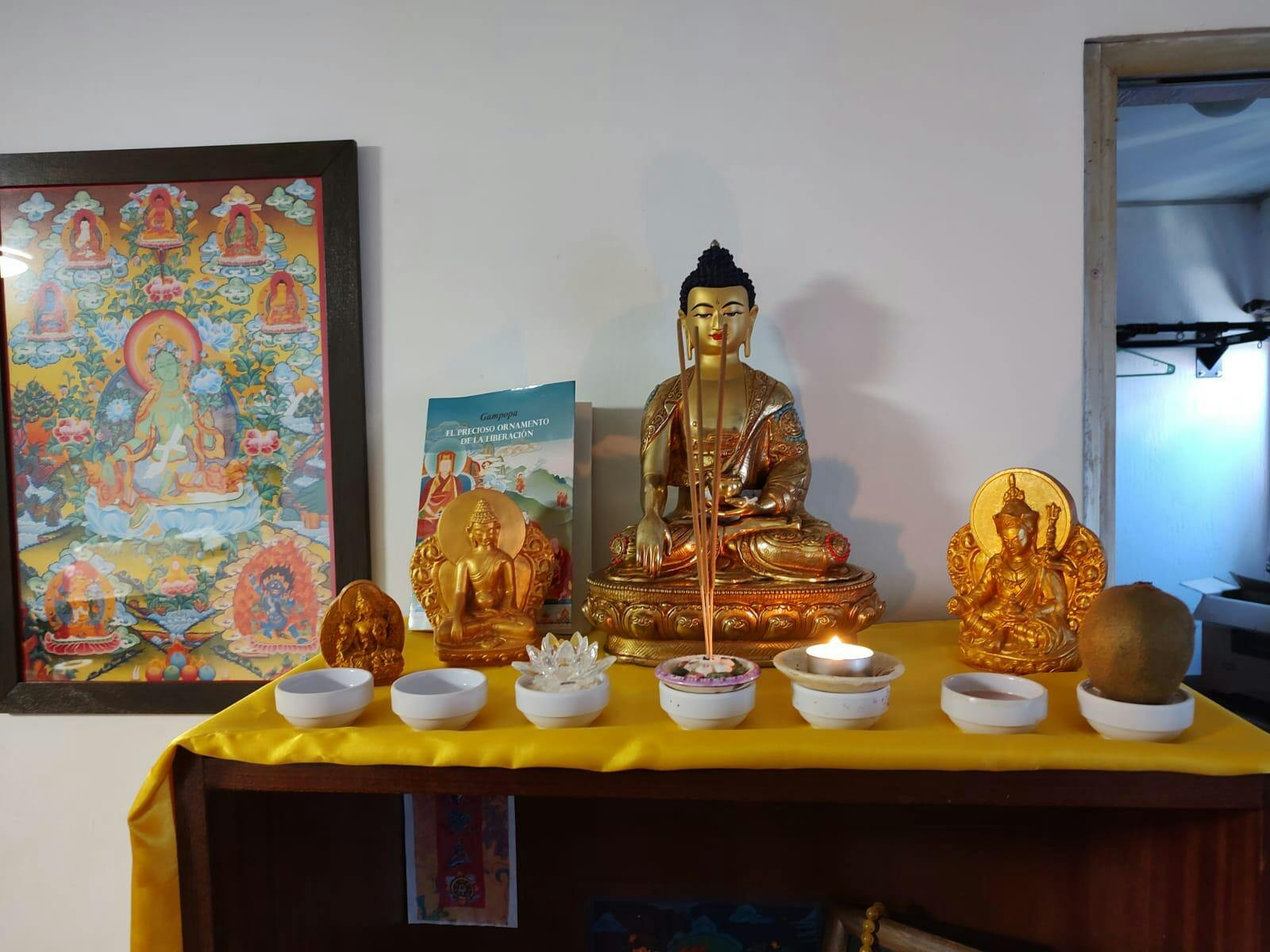
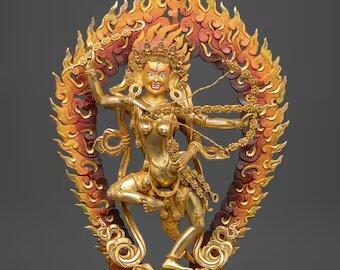
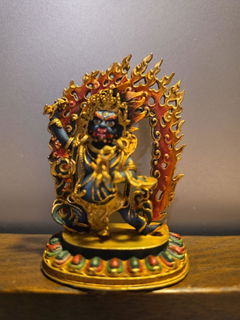
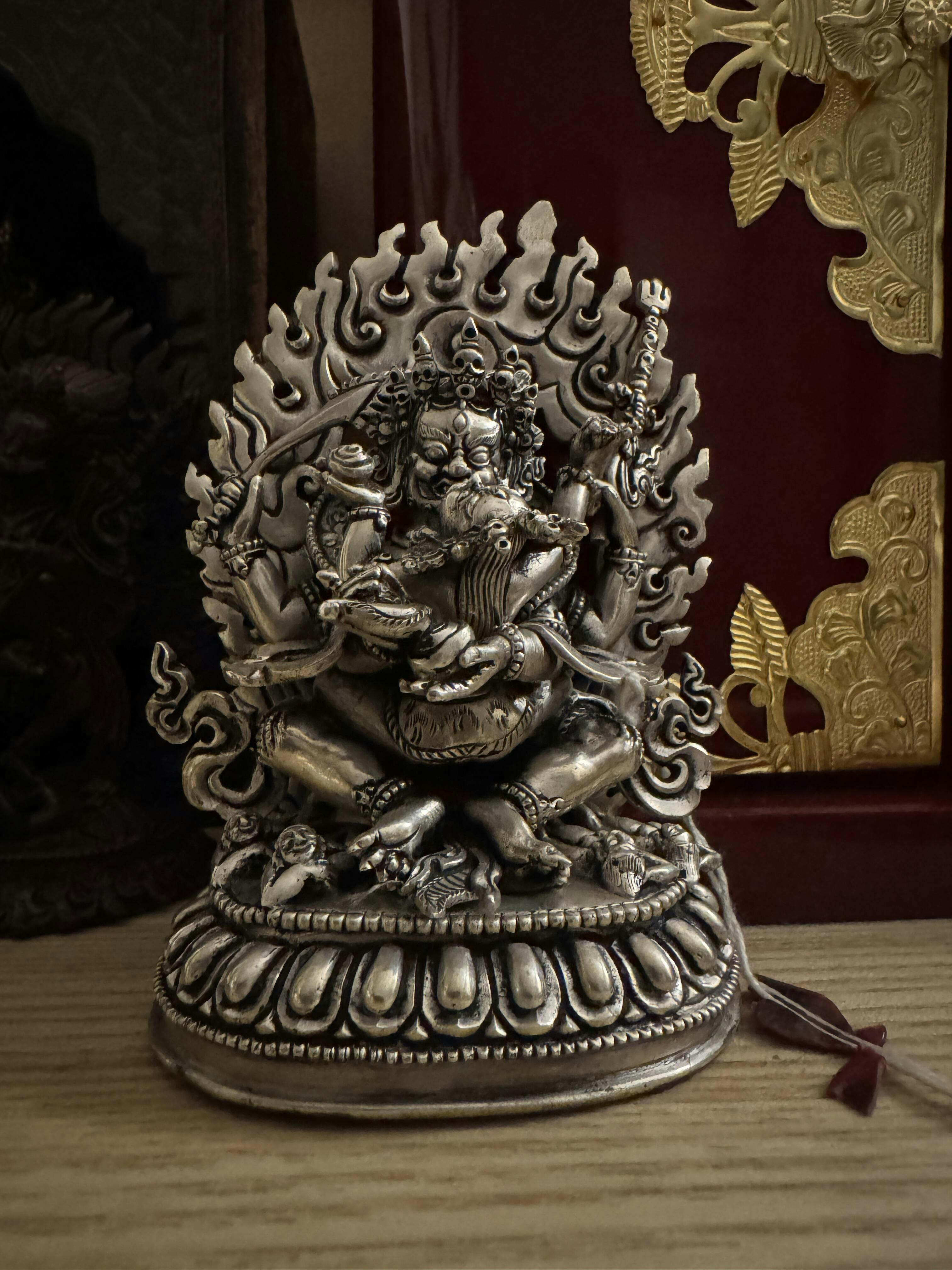
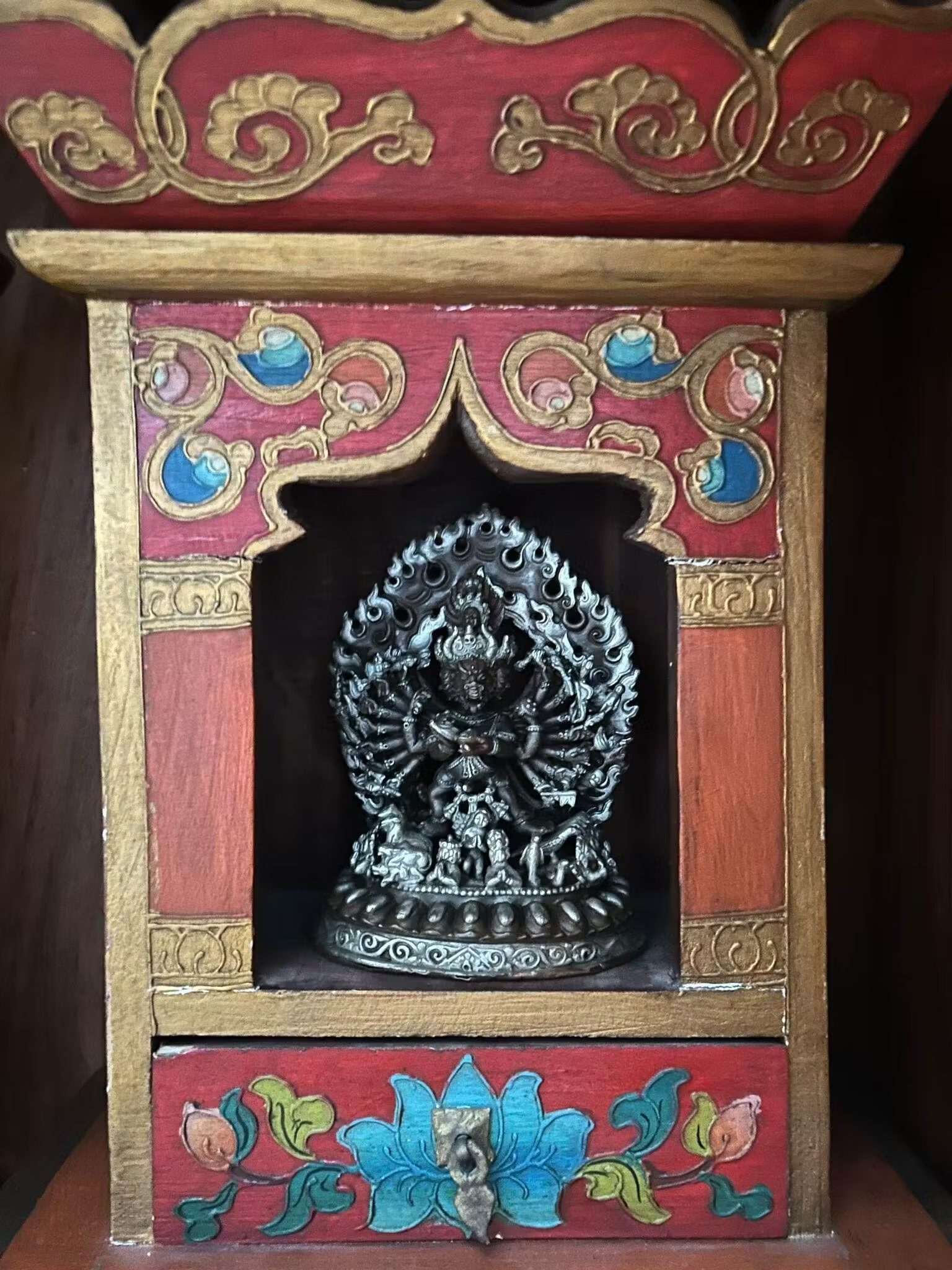
I recently purchased this Four-Armed Mahakala statue made of silver, and I’m extremely satisfied. Although small in size, it is crafted with astonishing precision. The quality is excellent, and it arrived quickly and in perfect condition. I also had it blessed with a traditional sun filling, which truly enhances its sacred presence. The design is thoughtful and functional, and I especially appreciate the careful packaging. With this statue enshrined, my daily sadhana practice has become more focused and meaningful. I would definitely recommend this product to others.
Absolutely stunning, great customer service and the packing is very thoughtful.
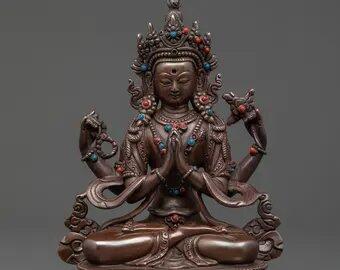
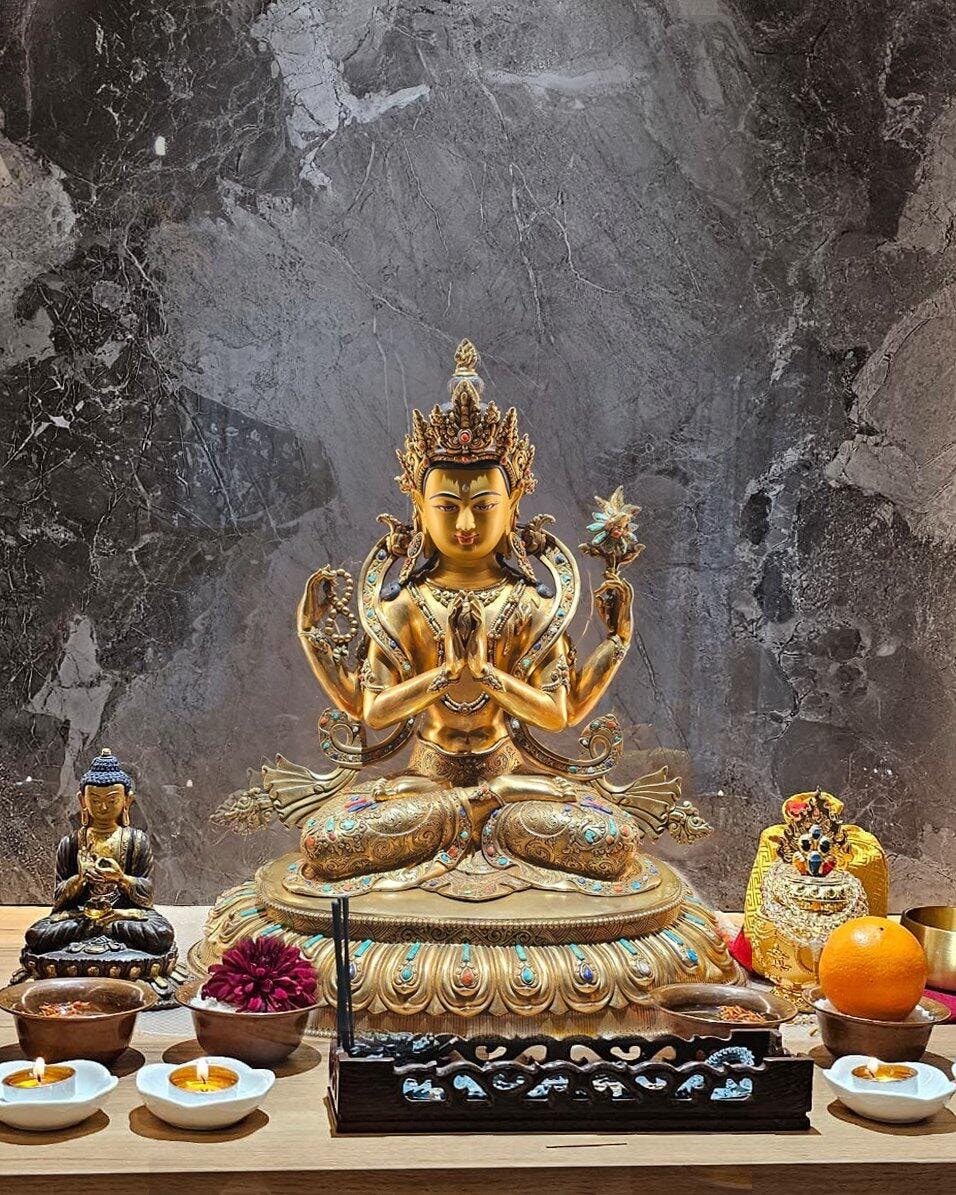
We purchased this handmade Chenrezig statue online earlier this year, and it is truly a masterpiece. The intricate detailing, radiant golden finish, and beautifully embedded turquoise and coral stones showcase exceptional craftsmanship. Its serene expression and symbolic posture embody tranquility and enlightenment, while the sturdy build and ornate base reflect authentic Nepalese artistry.
However, there are areas for improvement. The bottom plate covering the consecration items is difficult to conceal properly, causing some incense powder and crystal stones to fall out when we turned the statue over. Additionally, the detachable base and body could pose a challenge if we need to relocate the statue in the future.
Dearest Nidhiratna Team,
Words cannot express the depth of our gratitude for your incredible support in helping us acquire the breathtaking Guru Rinpoche statue. Your exceptional service and dedication have truly made this an unforgettable experience for us.
The craftsmanship and quality of the statue are beyond compare. The intricate details and artistry have left us in awe, and we feel incredibly fortunate to have such a masterpiece in our midst.
Not only was the statue itself a marvel, but the entire process was seamless. The swift shipping and transparent communication ensured that we were always informed and at ease. We are so grateful to each member of the Nidhiratna team who played a part in making this possible.
Everyone who has had the privilege of seeing the Guru Rinpoche statue has been utterly mesmerized by its enchanting aura. We are beyond grateful to you for helping us bring this divine energy into our lives.
From the bottom of our hearts, we thank you, Nidhiratna team, for your outstanding work and for bringing us this precious gem that we will treasure for years to come.
With deepest gratitude, 🙏 🙏🙏

‘ Delighted with my statue - great quality and arrived in good timing. Nidhiratna were incredibly accommodating along the way’
Nidhiratna truly does a great job of getting your order to you, wrapped with great professionalism and care. Then following up to let you know it is on the way and finally if you are satisfied. I highly recommend thwm
I wanted to extend my heartfelt thanks for the prompt delivery of my order. It arrived exactly when expected, and I truly appreciate your commitment to great service.

Just loved the statue. Thank you
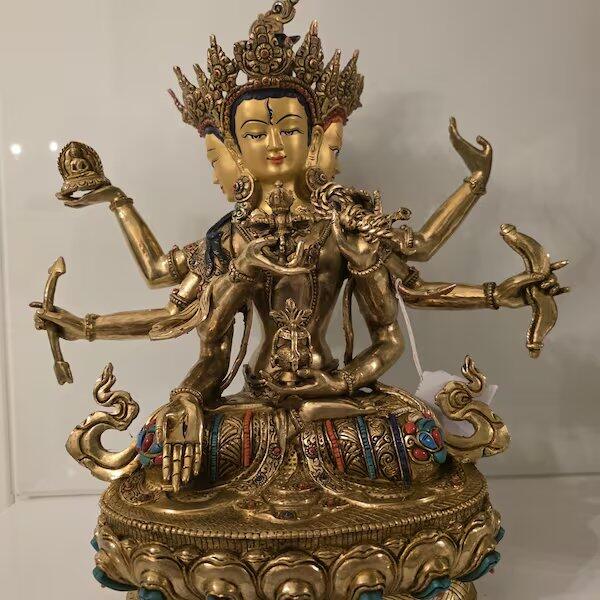
Best recommendation: I bought a Longchenpa statue from Nidhiratna.com. I love the statue , and also experienced great costumer service in communication. When the item was shipped , I received it within a week in Denmark , very solidly packed in a wooden box. Thank you!
Thank You for the Timely Delivery!
Dear Nidhiratna Family
I wanted to extend my heartfelt thanks for the prompt delivery of my order. It arrived safely and exactly when expected, and I truly appreciate your commitment to great service.
Looking forward to future orders!
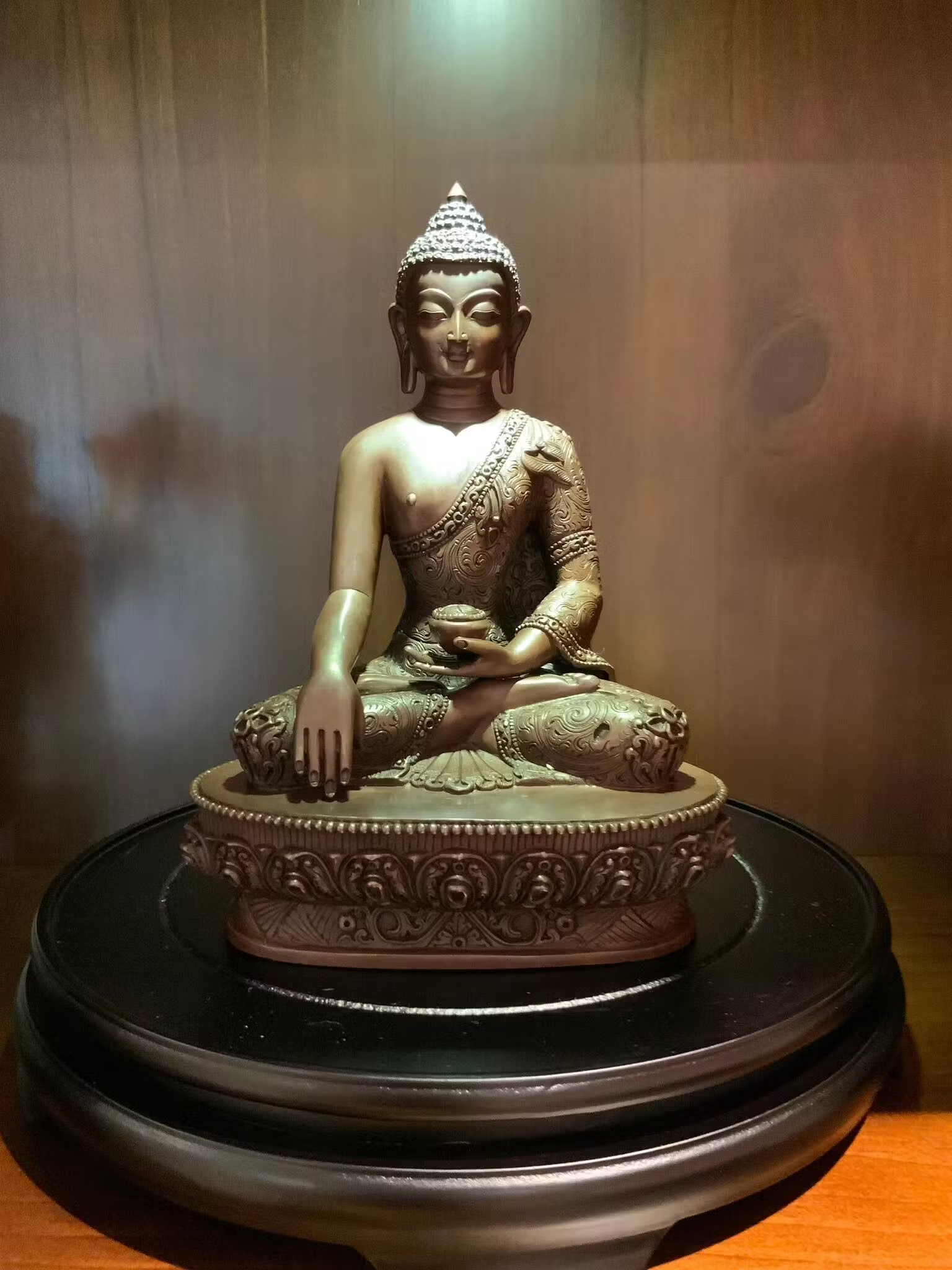
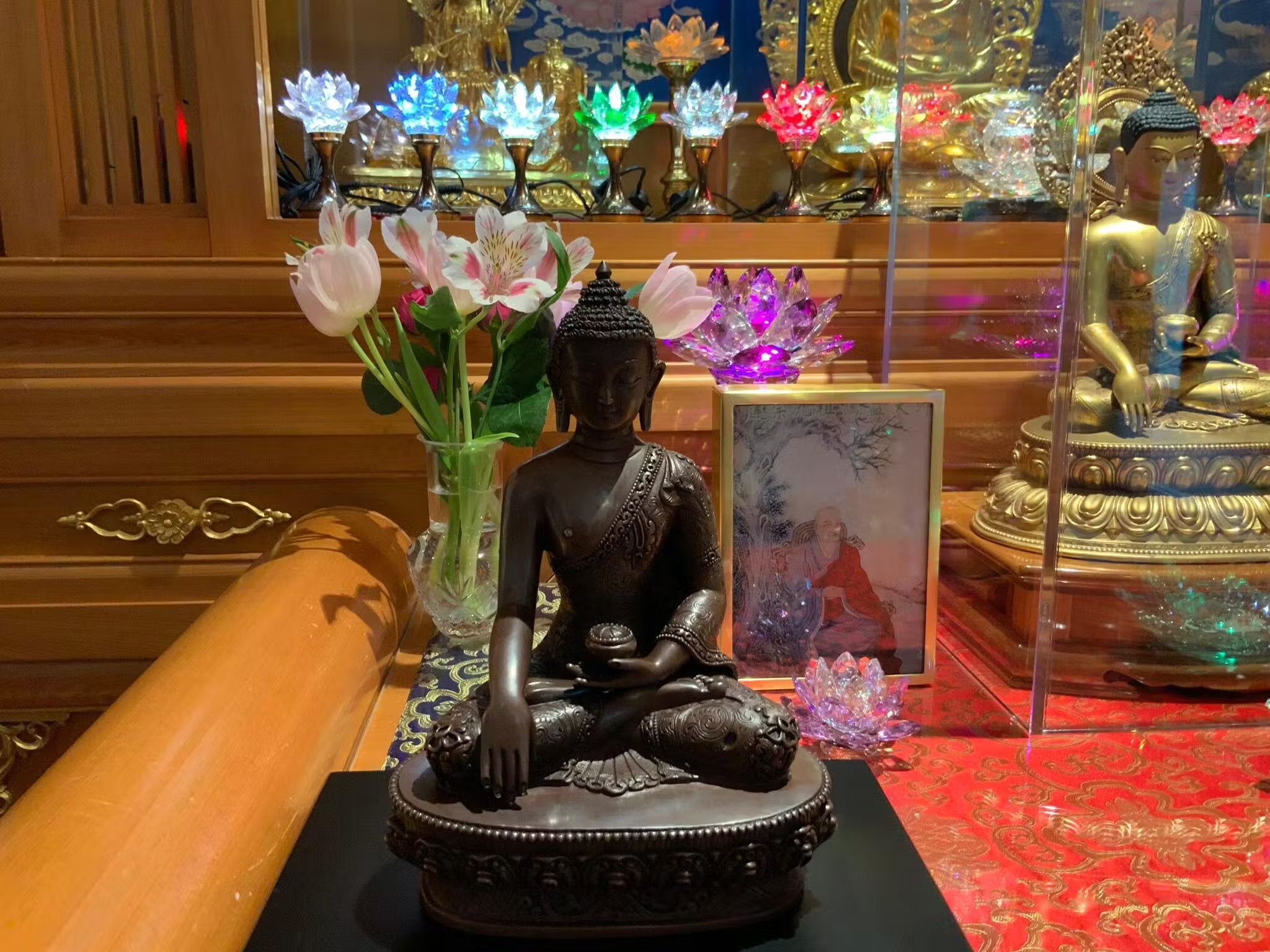
I am a Buddhist nun, I ordered the copper Buddha statue for practice “take bath for Buddha”, This statue is perfect, there is no any dent or scratch on body, the craft is delicate, the seller give me the gifts, a beautiful Buddha card and a bunch of incense. Thank you very much!
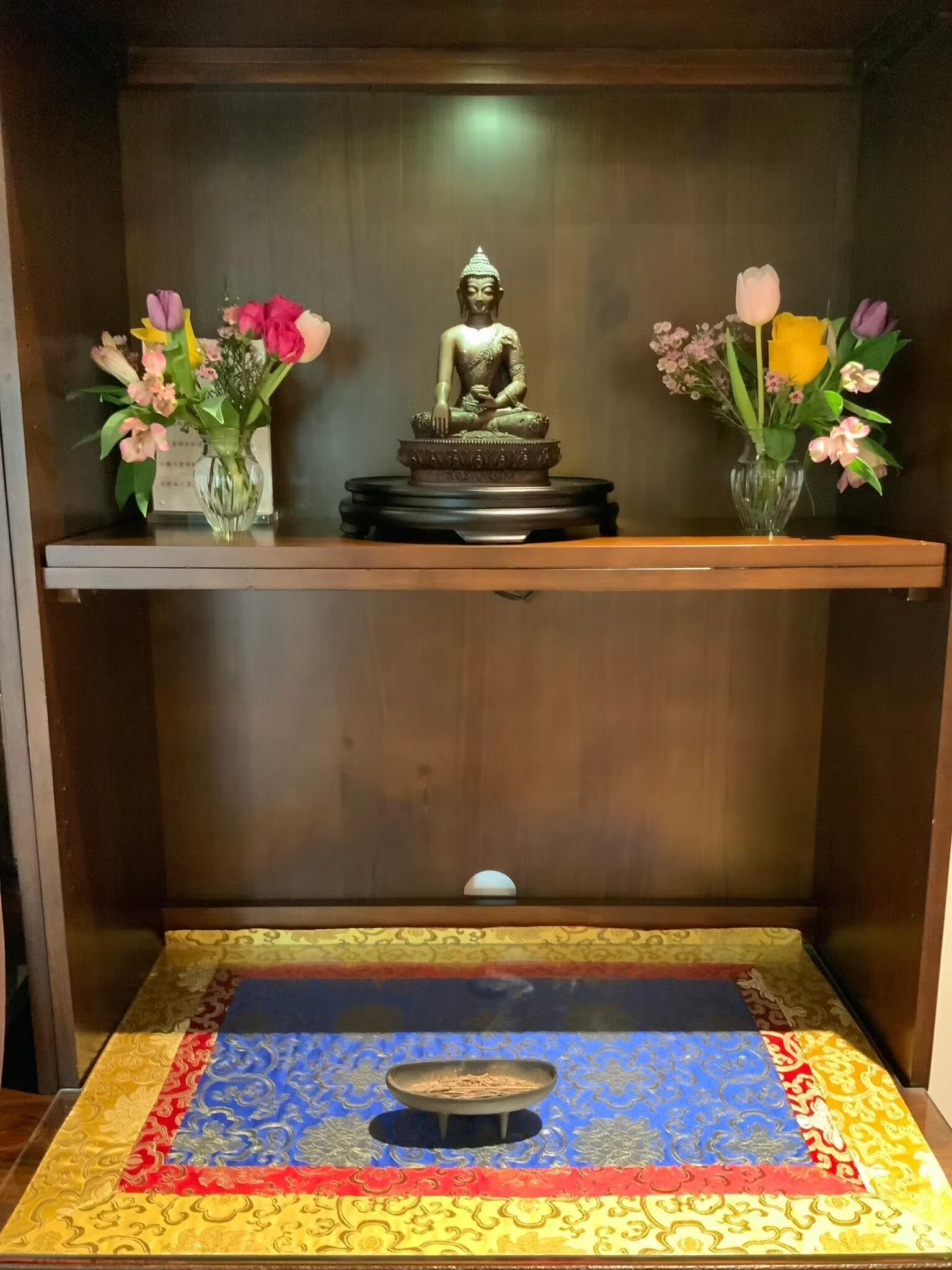
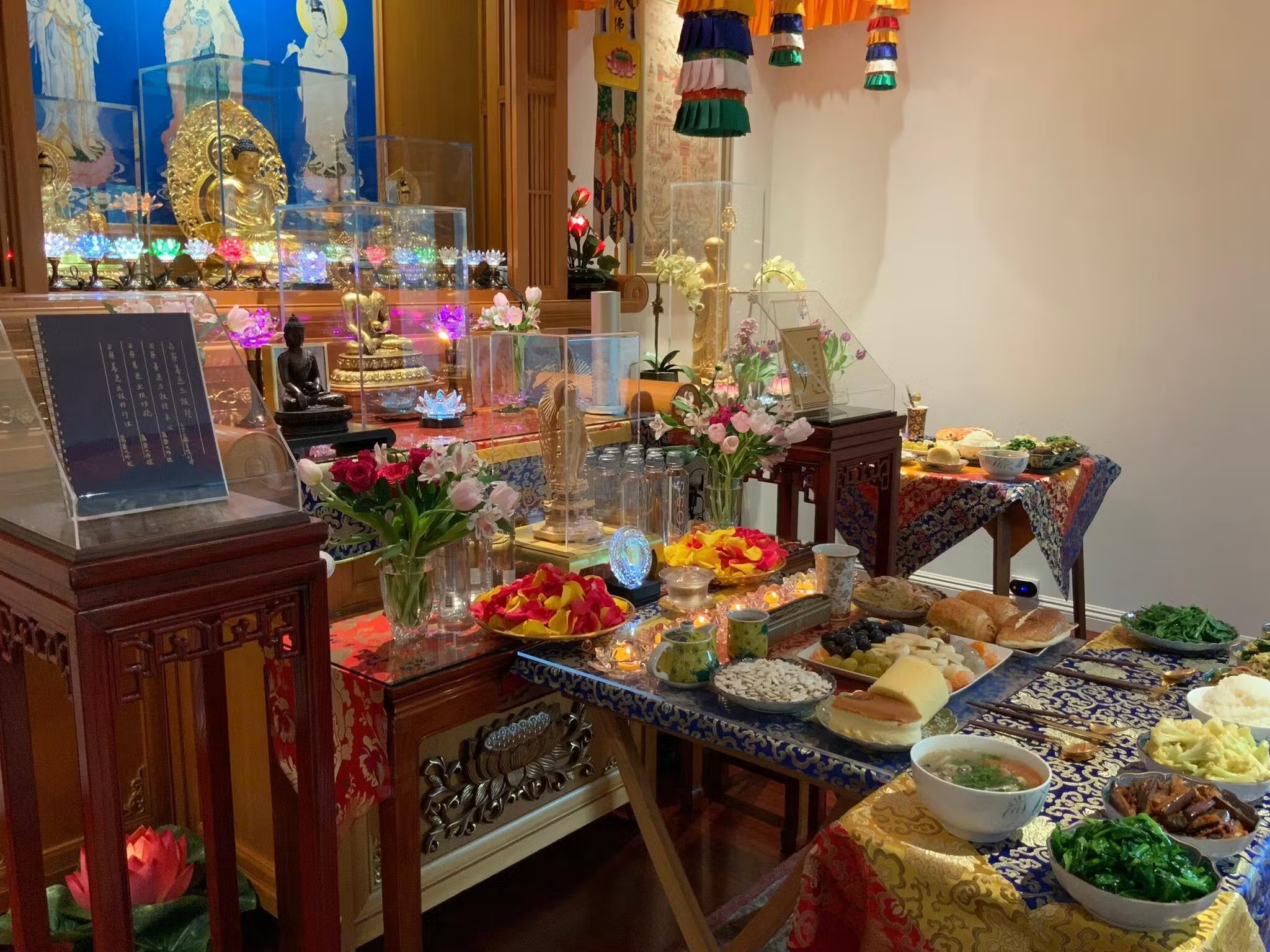
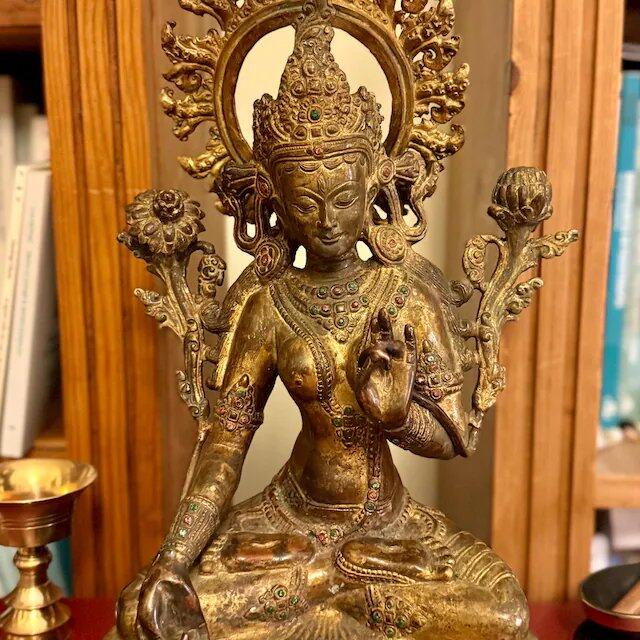
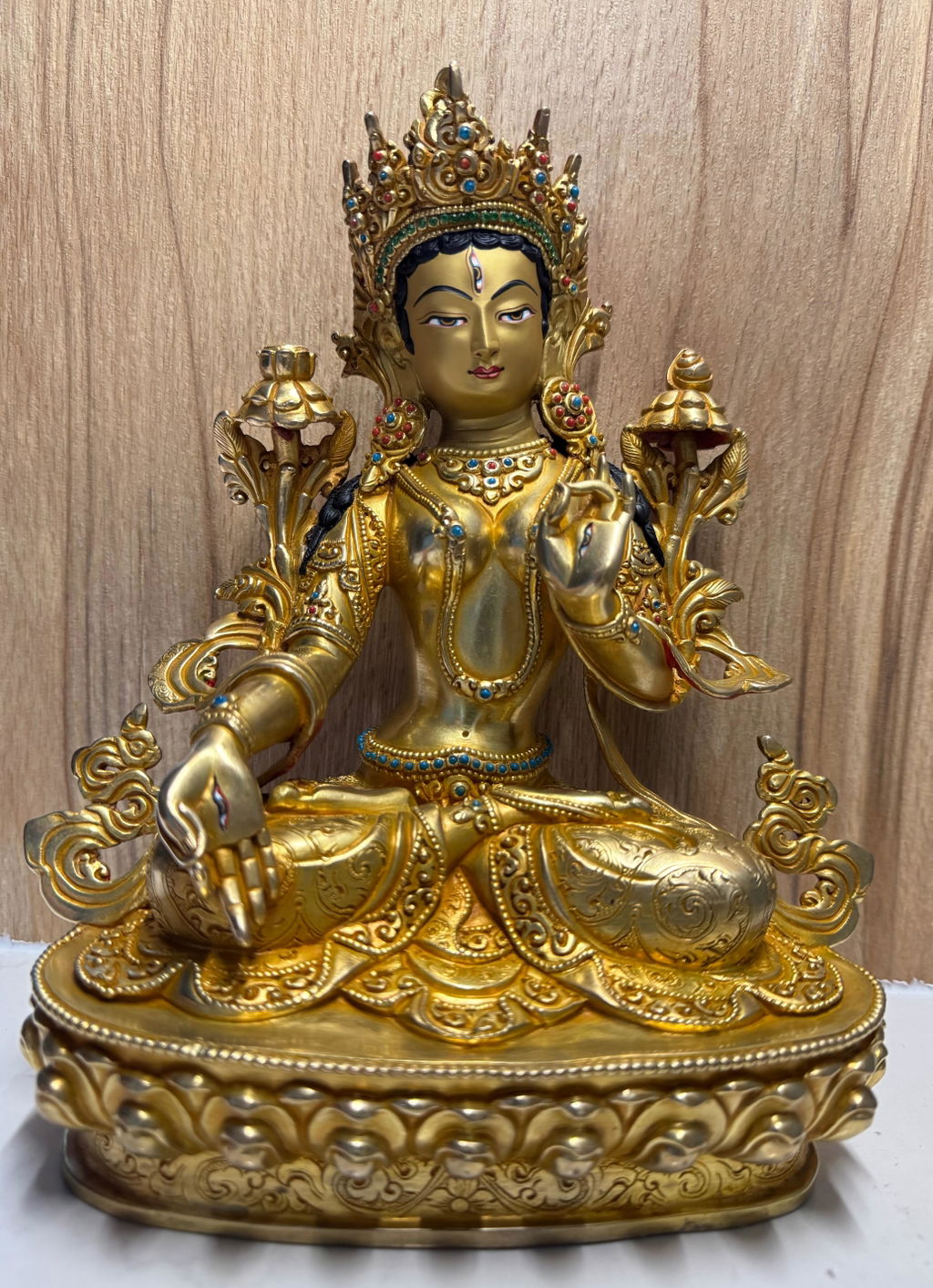
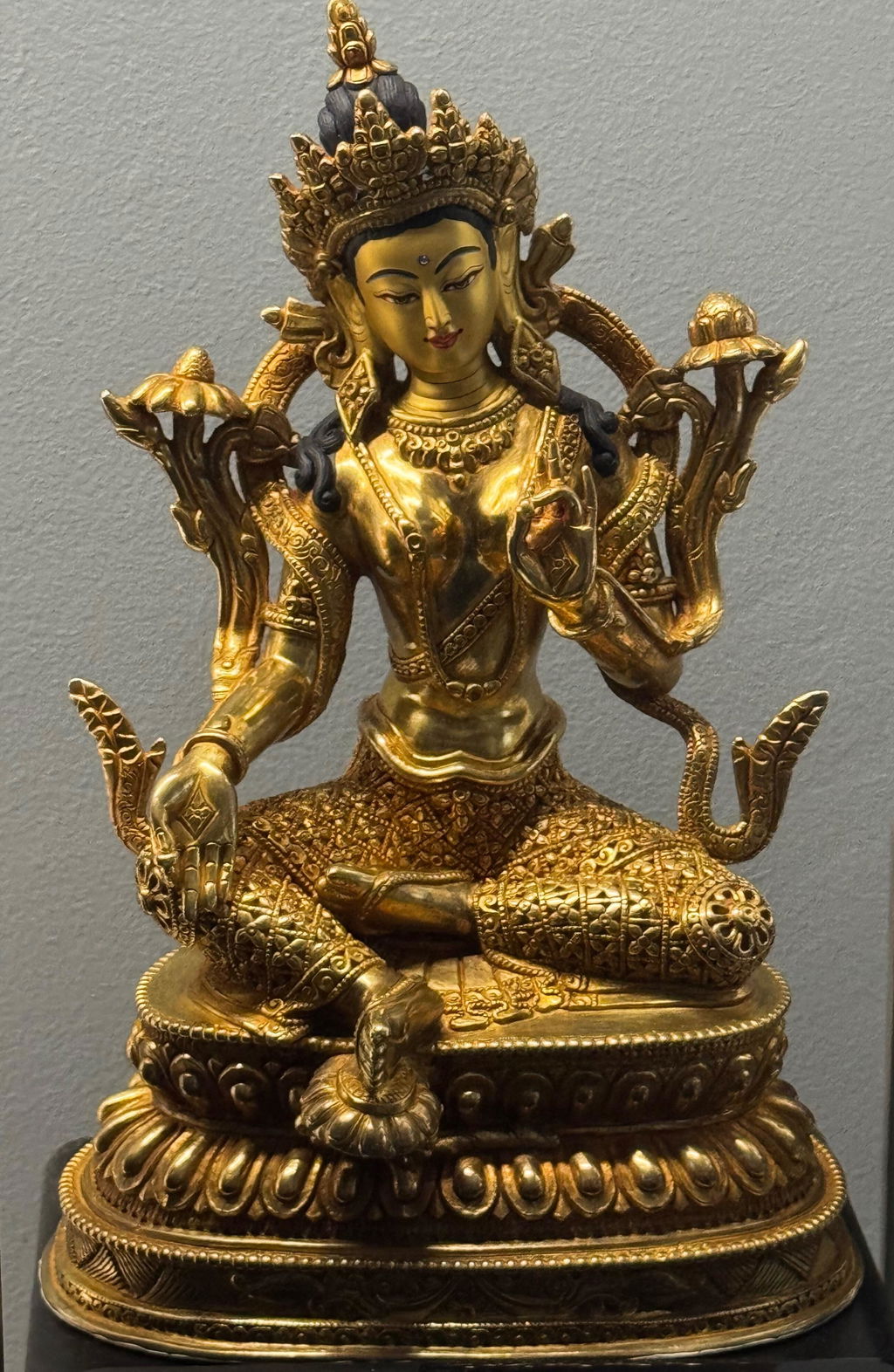
Got my beautiful mother tara statue on time❤️If you're looking for a meaningful decorative piece or a spiritual symbol, the Green Tara statue is an excellent choice.100% recomended
I recently received my Dzambhala statue and couldn't be happier! The quality is exceptional, and it arrived in perfect condition. The attention to detail is impressive, and it truly adds character to my space. The ordering process was smooth, and shipping was prompt. I highly recommend this website for anyone looking for unique and beautiful statues!"
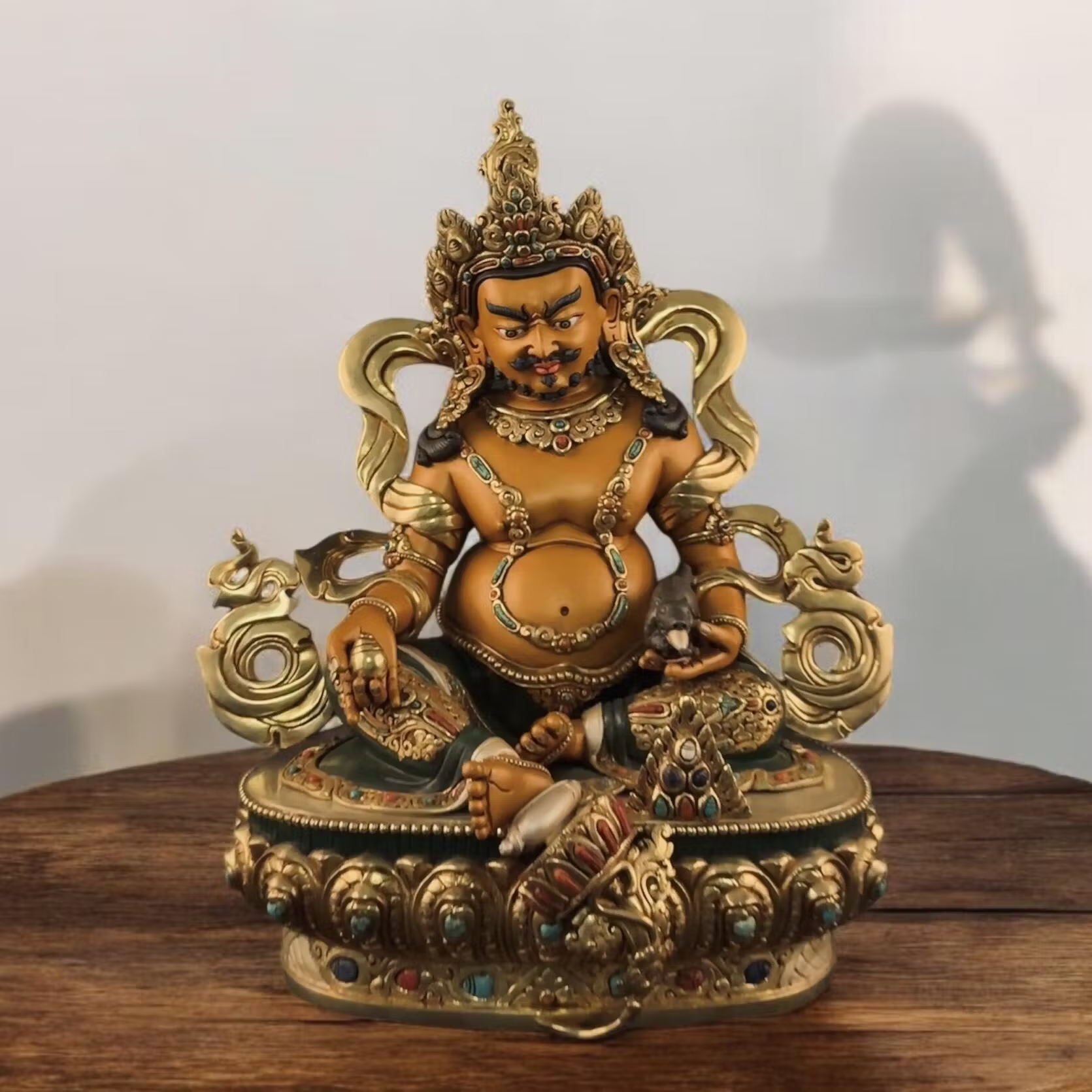
Hello everyone! I bought this statue 10 days ago, and it just arrived home safely. I live in Ecuador. The statue traveled from Katmandú to Quito and it was really fast, considering how long the distance is... The statue is just gorgeous, so much attention to details, such a big presence, and beautiful beyond comparisons and words... I´m deeply happy with it and I would love to recommend this web site and this family, because they do an amazing job! Thank you for the inspiration!