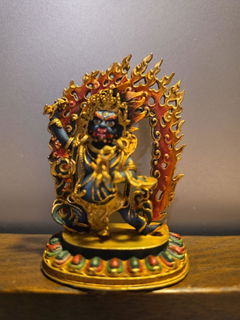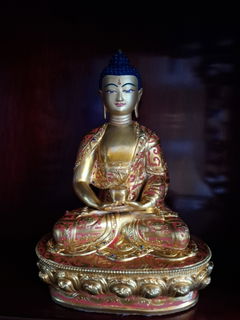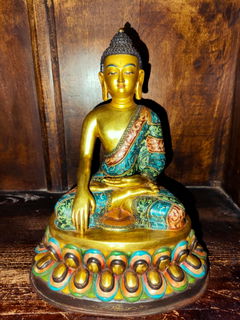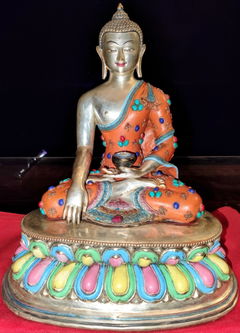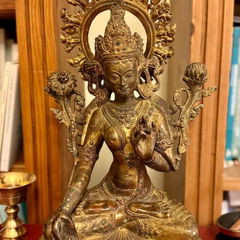


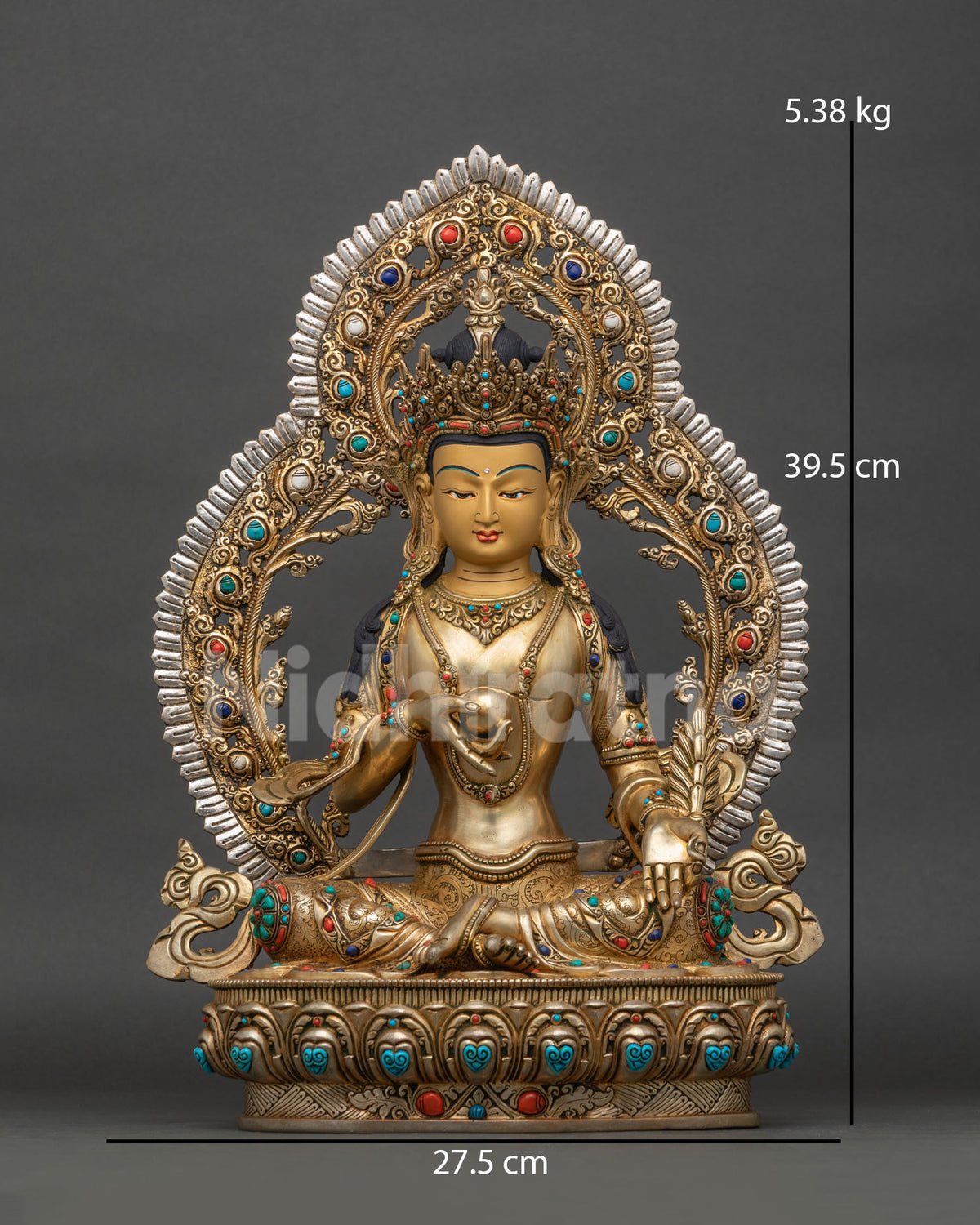
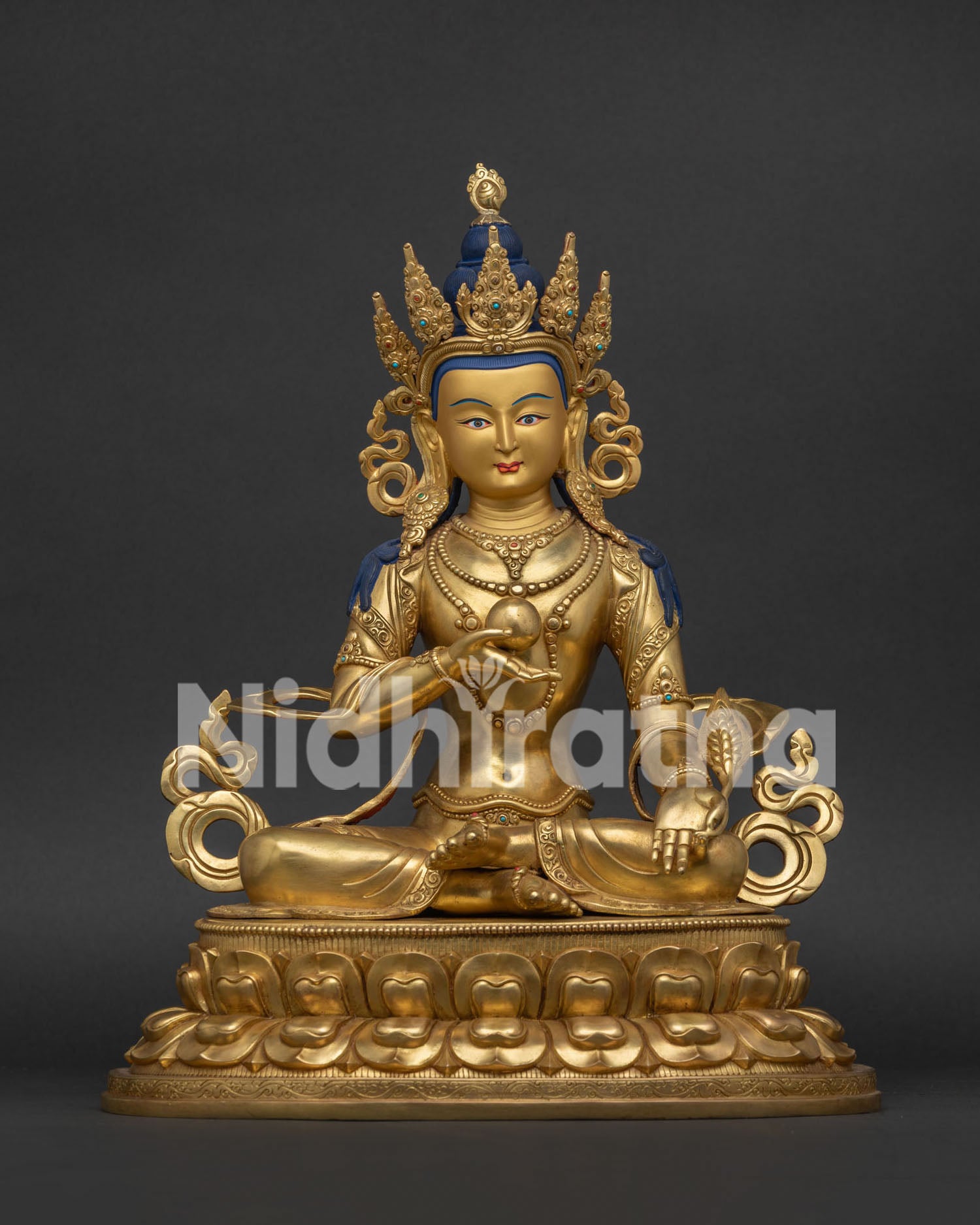
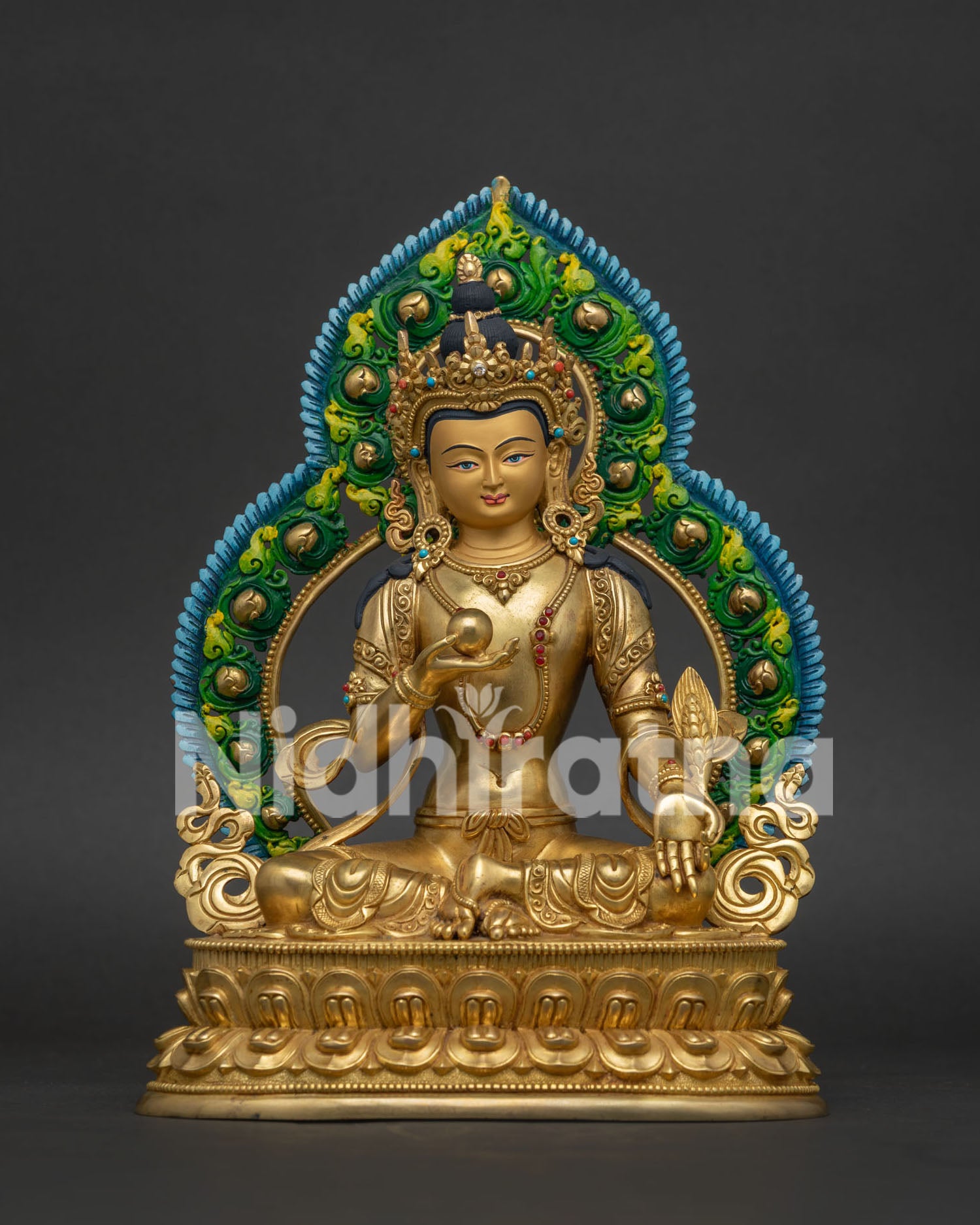
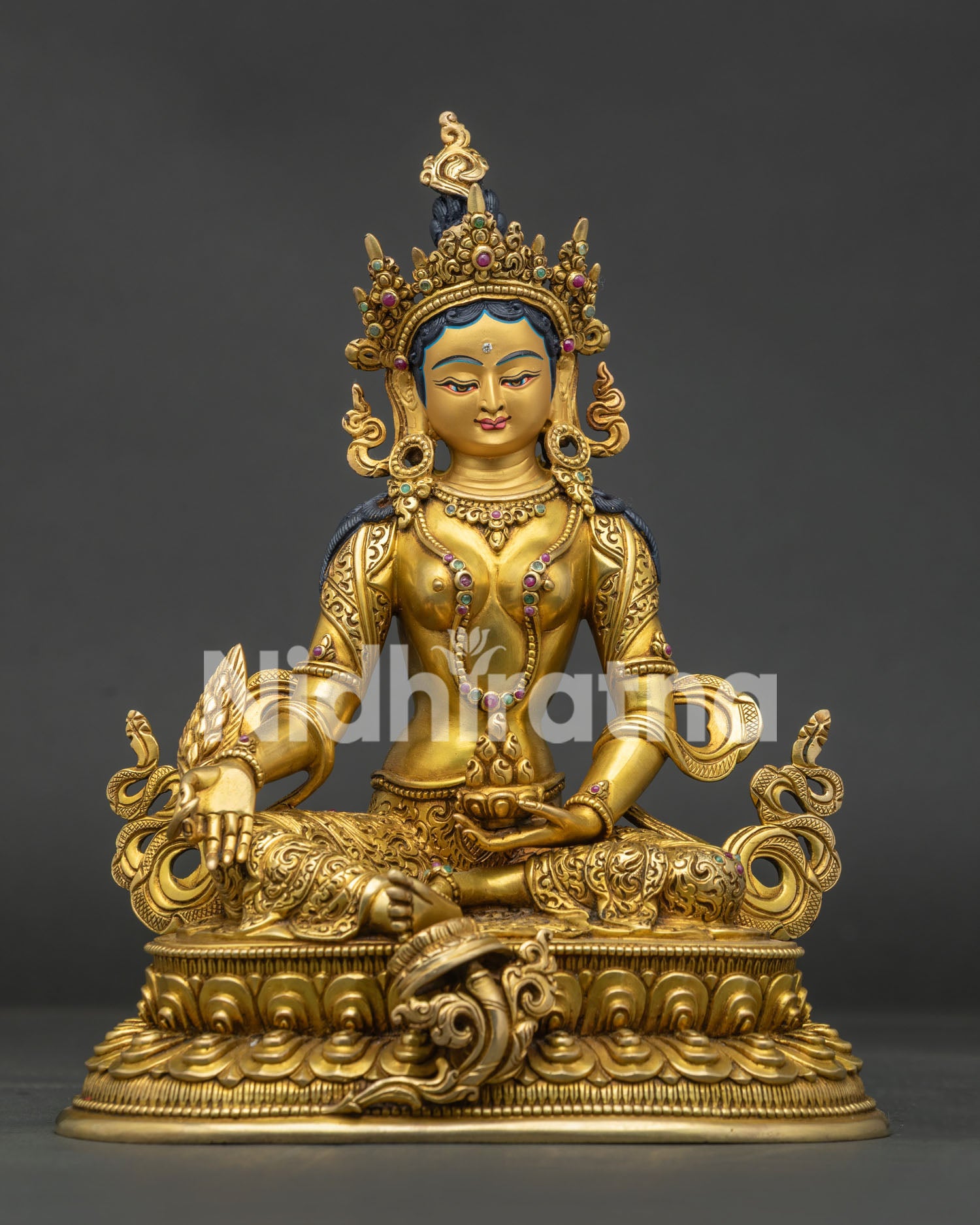
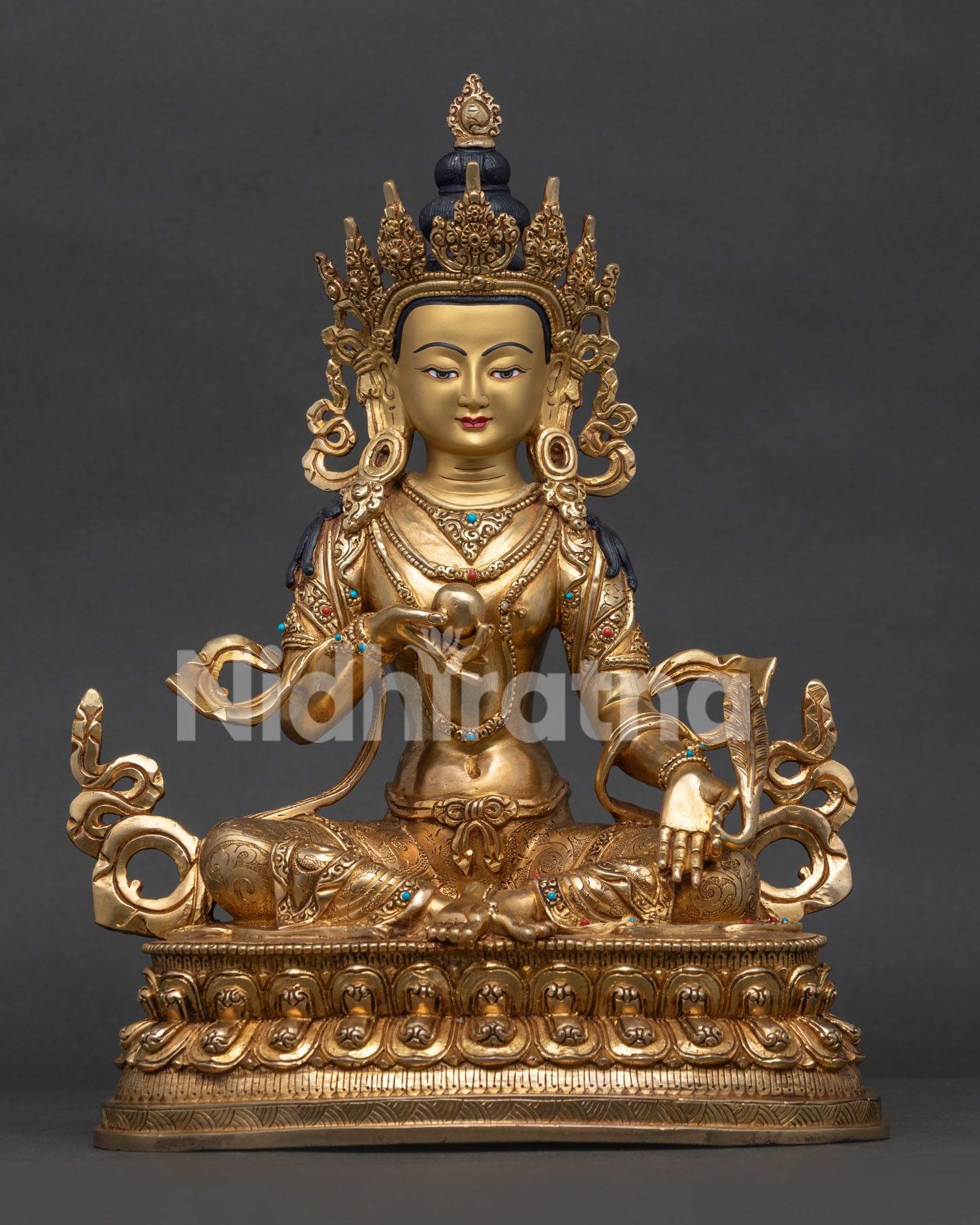
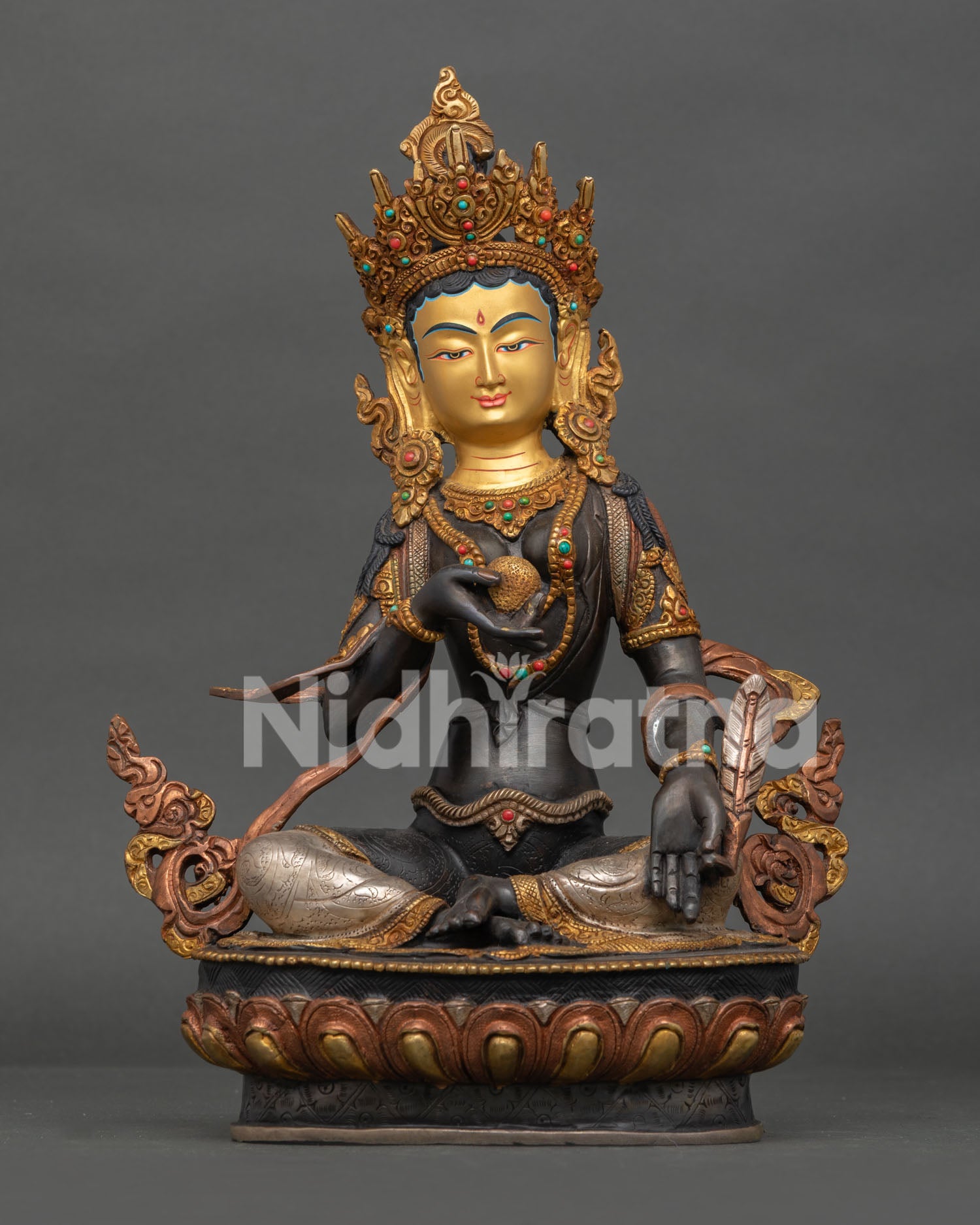
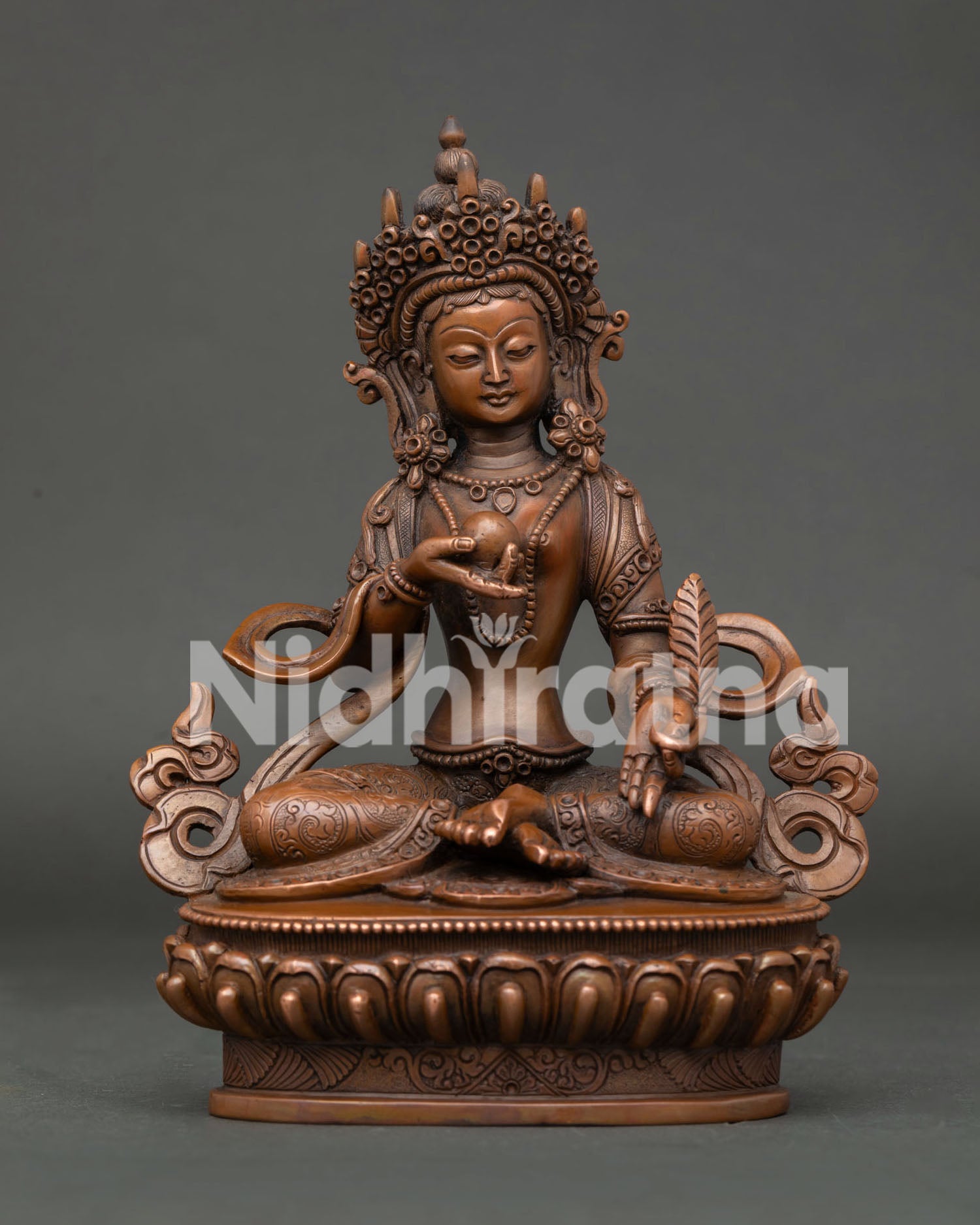
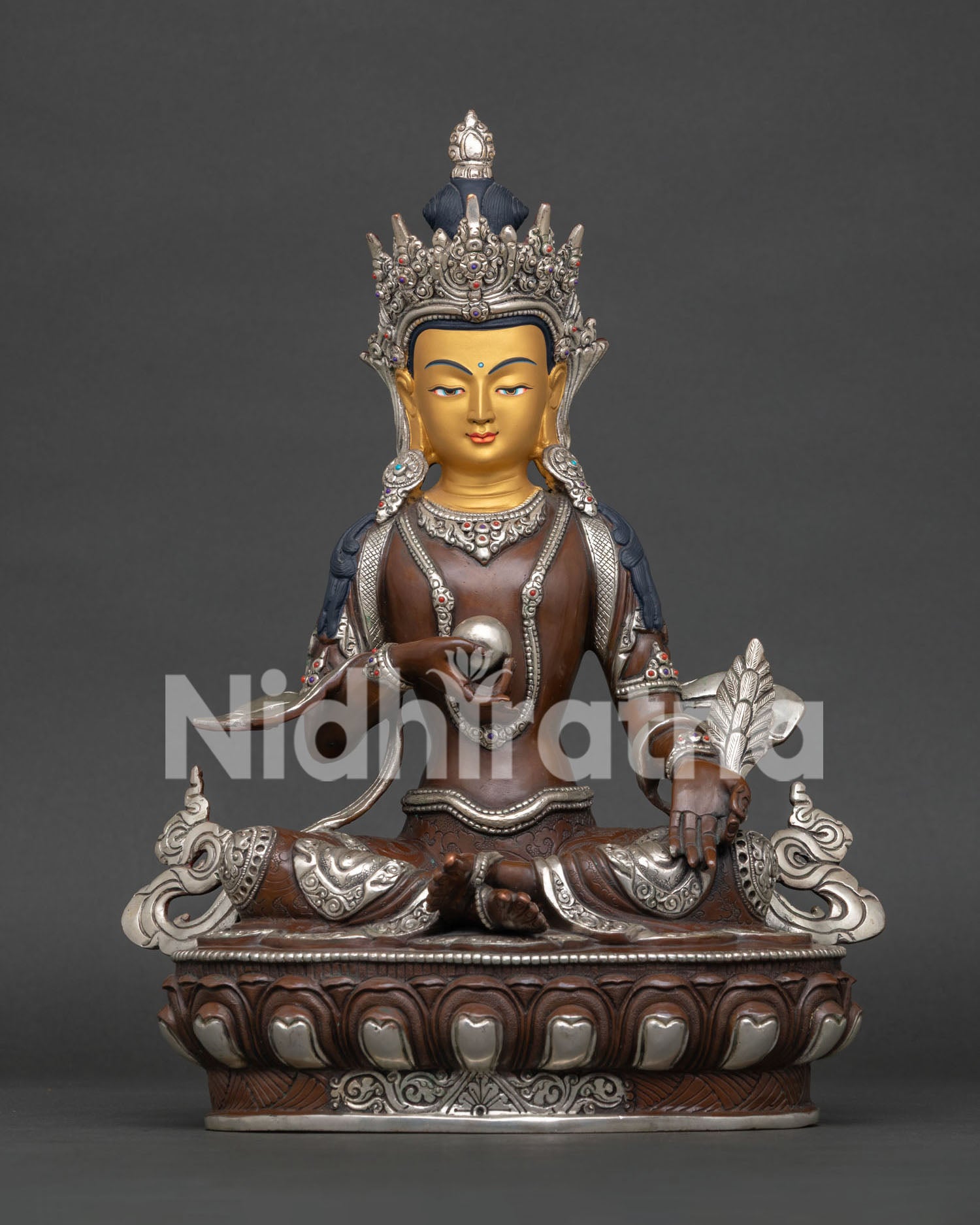
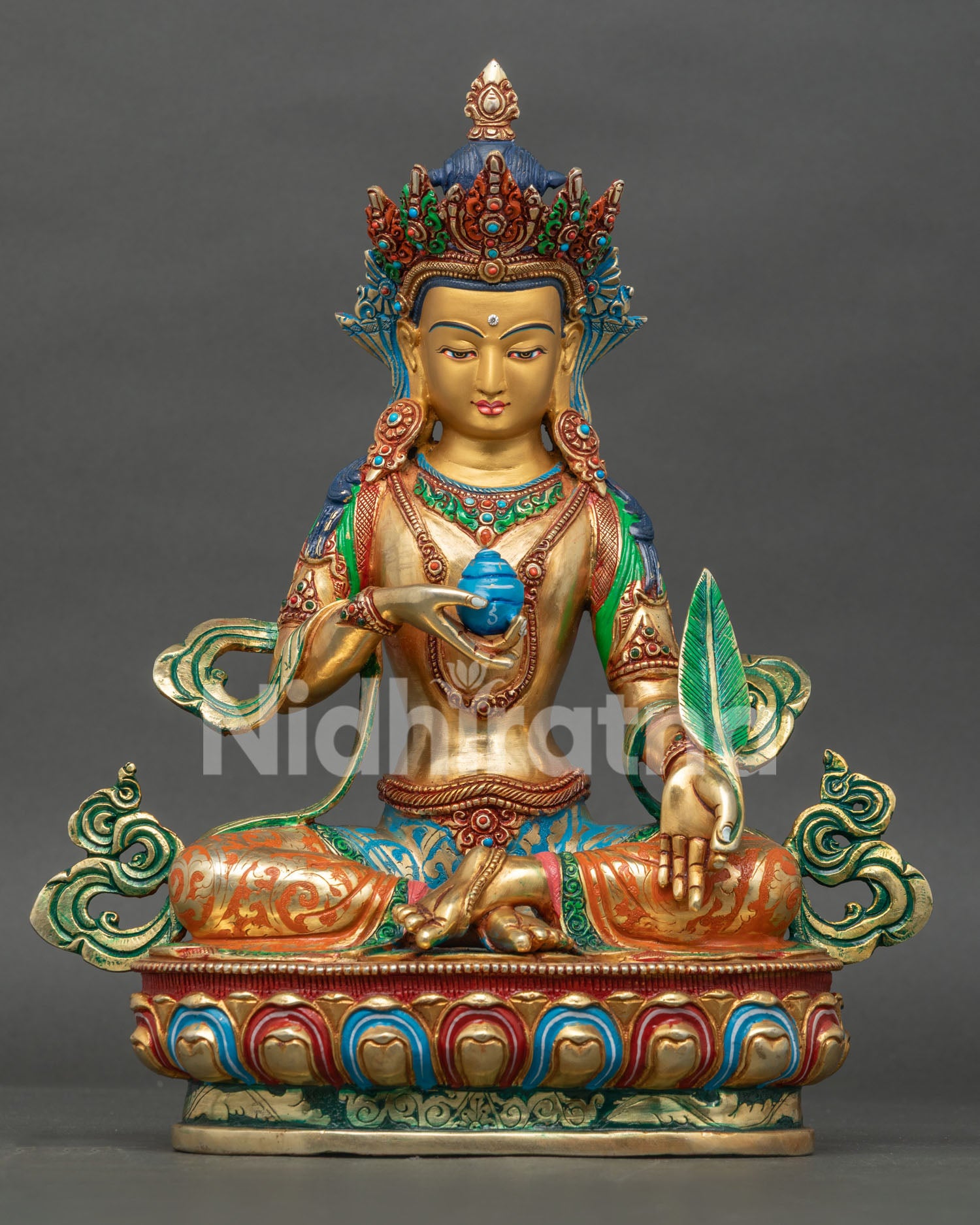
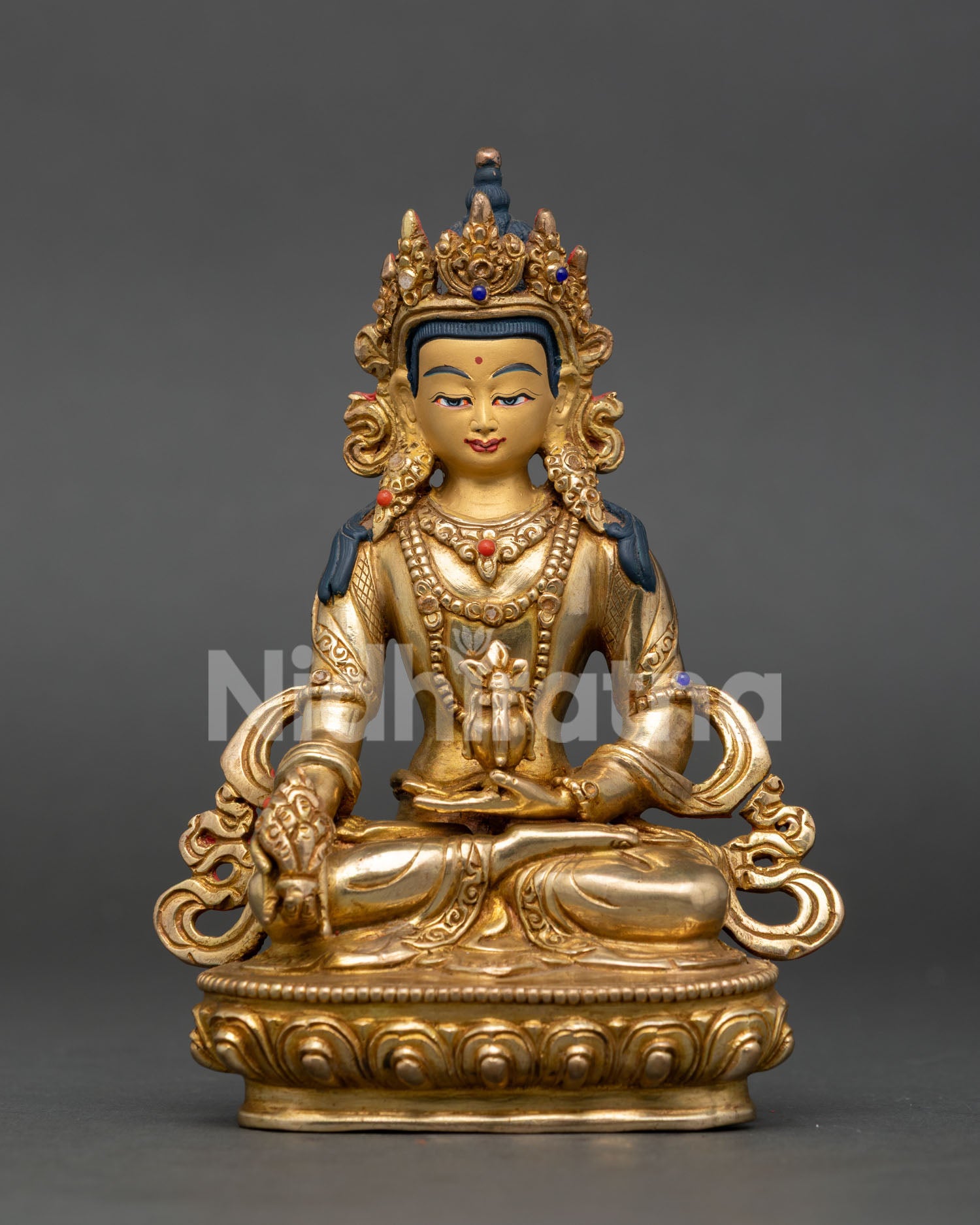
Nidhiratna's Kshitigarbha Statue Collection: The Bodhisattva of Infinite Vows
Nidhiratna's Kshitigarbha statue collection brings you sacred representations of one of the most beloved Bodhisattvas in East Asian Buddhism. Kshitigarbha, also known as Jizo in Japan, is revered as the protector of the realms of suffering, especially the hell realms and as the compassionate guardian of beings who are lost, suffering or in transition.
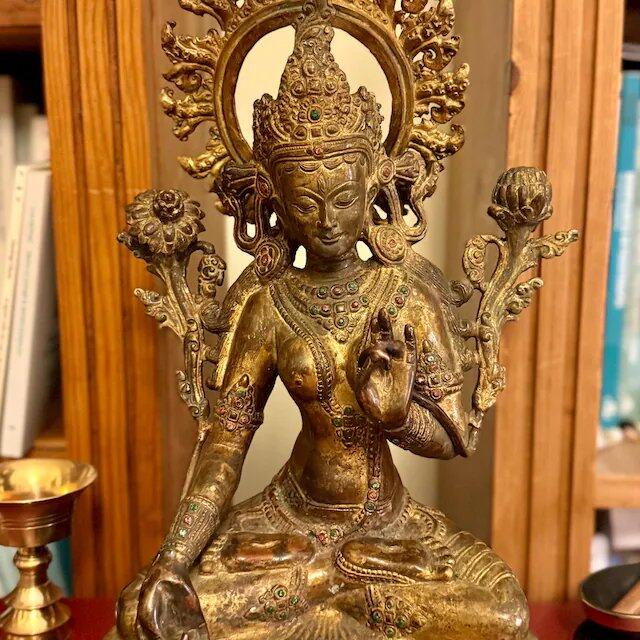
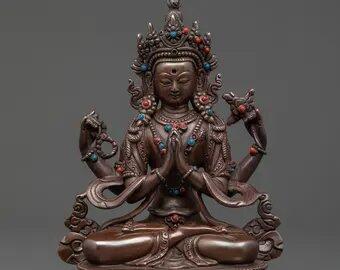
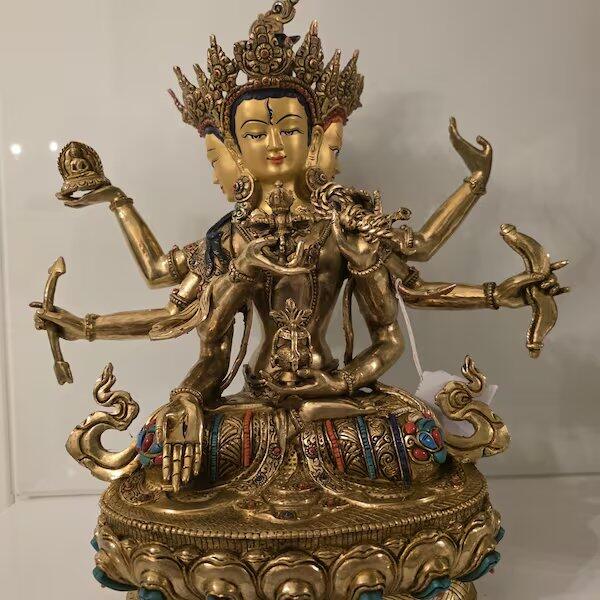
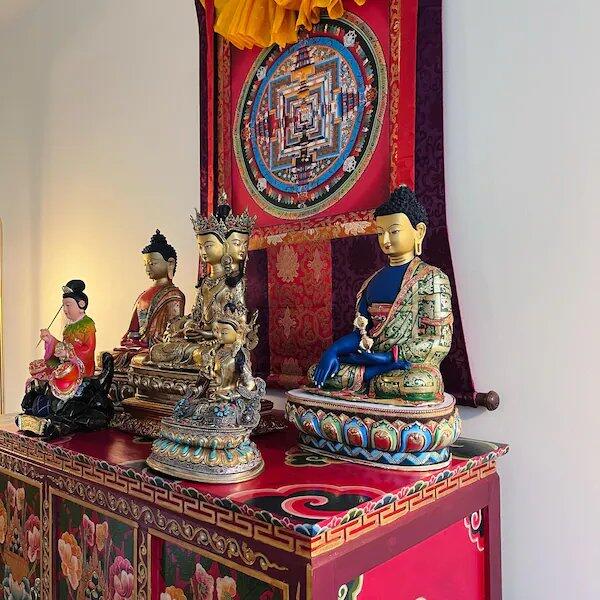
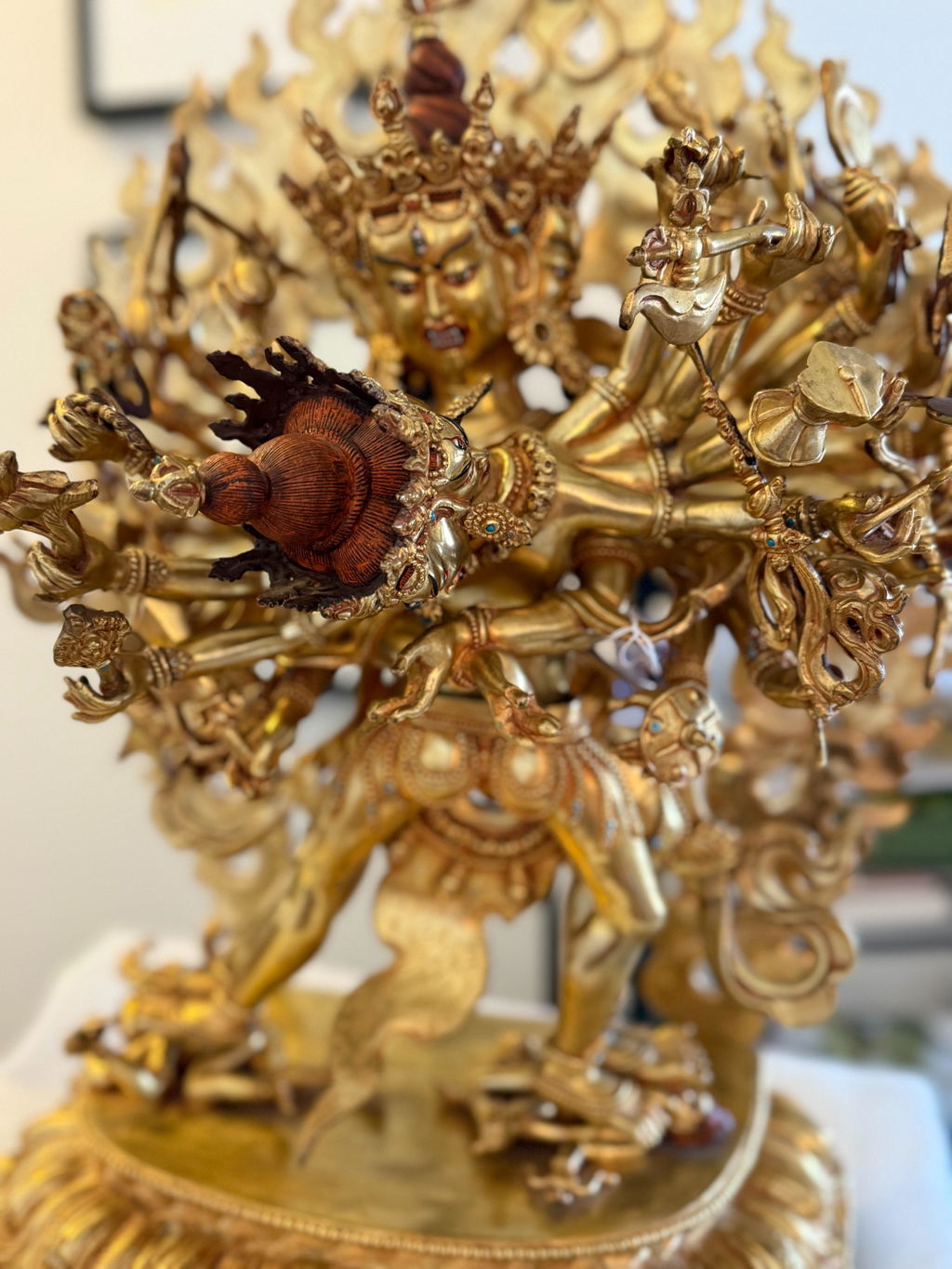
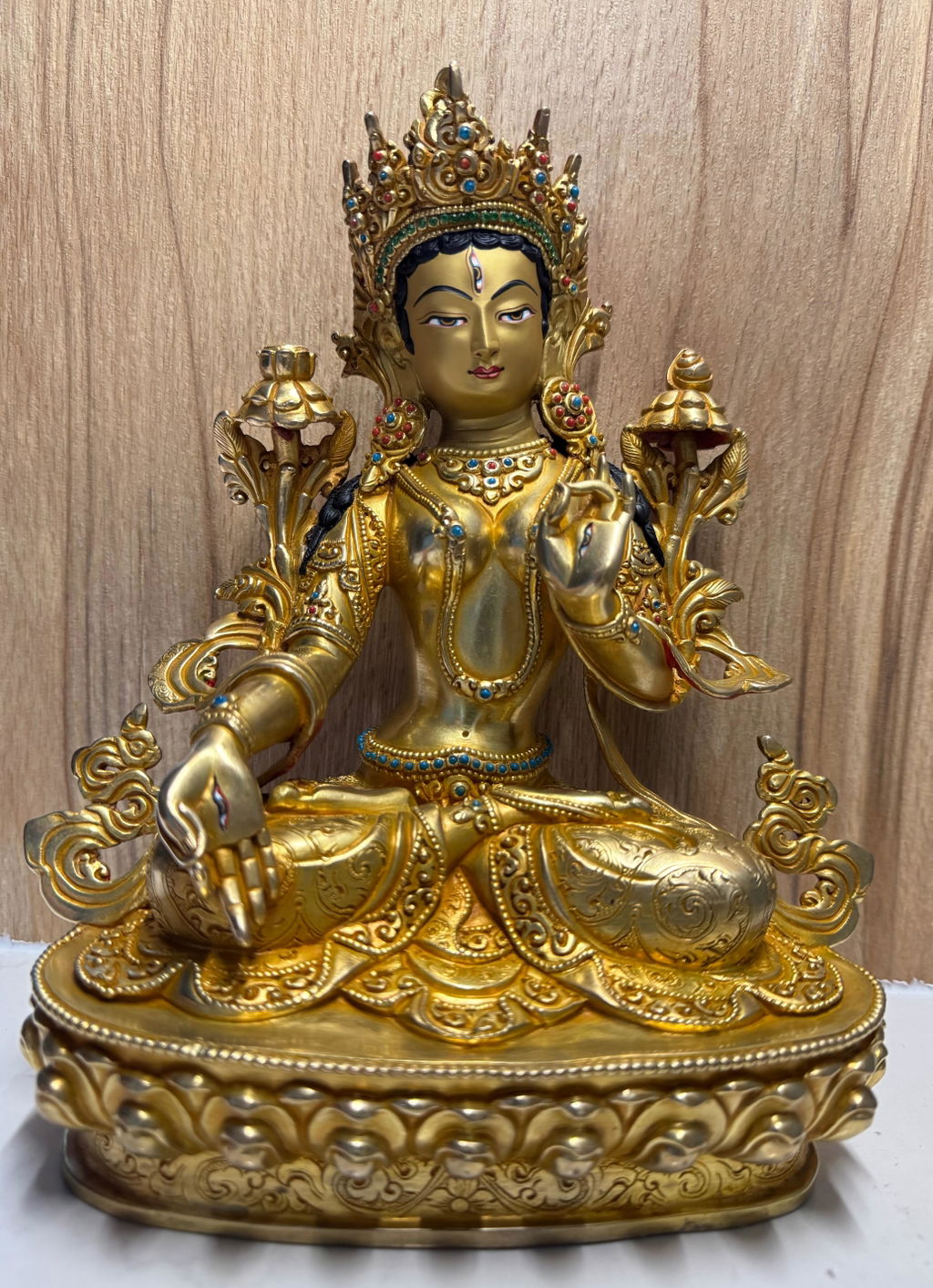
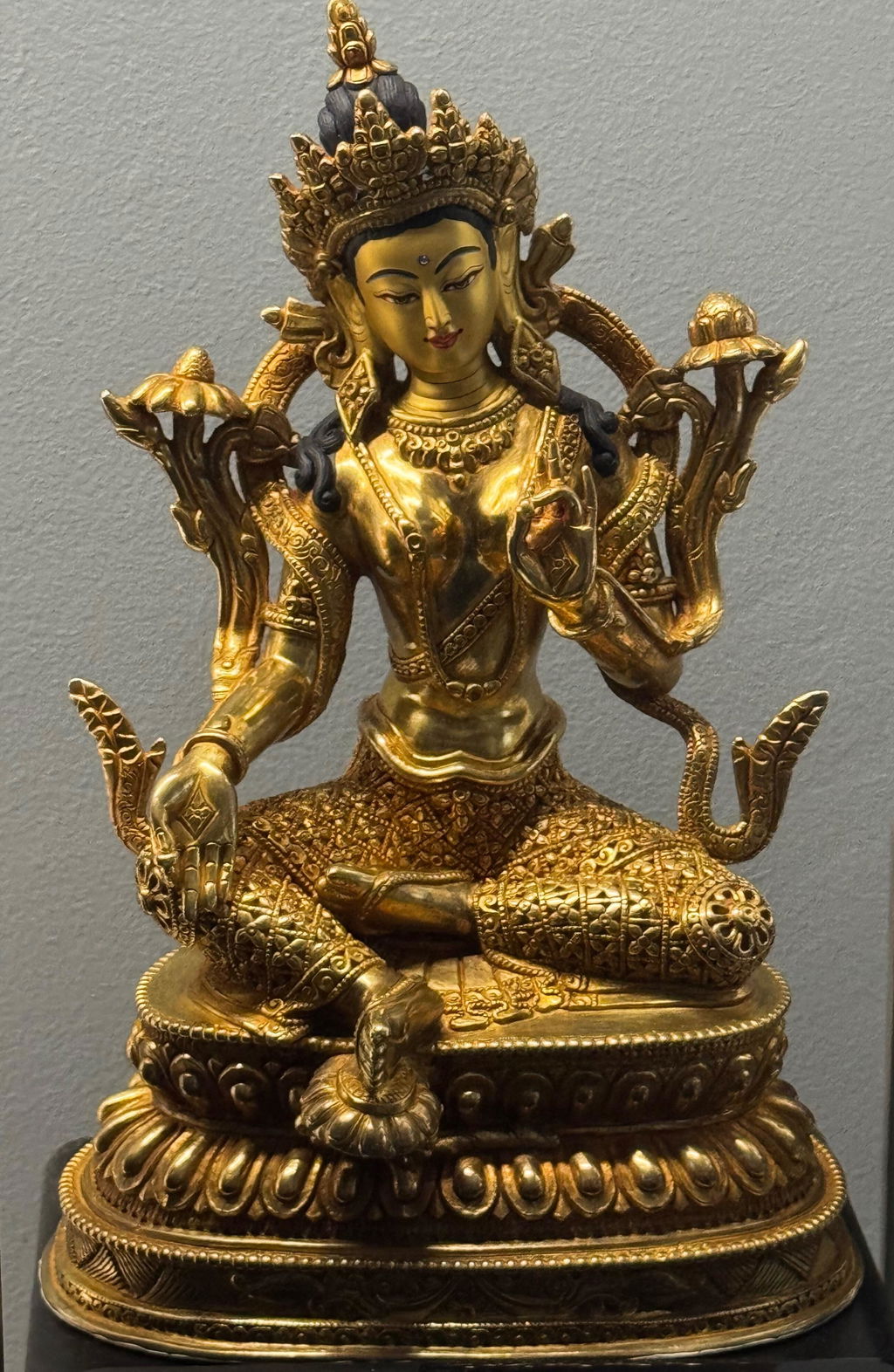
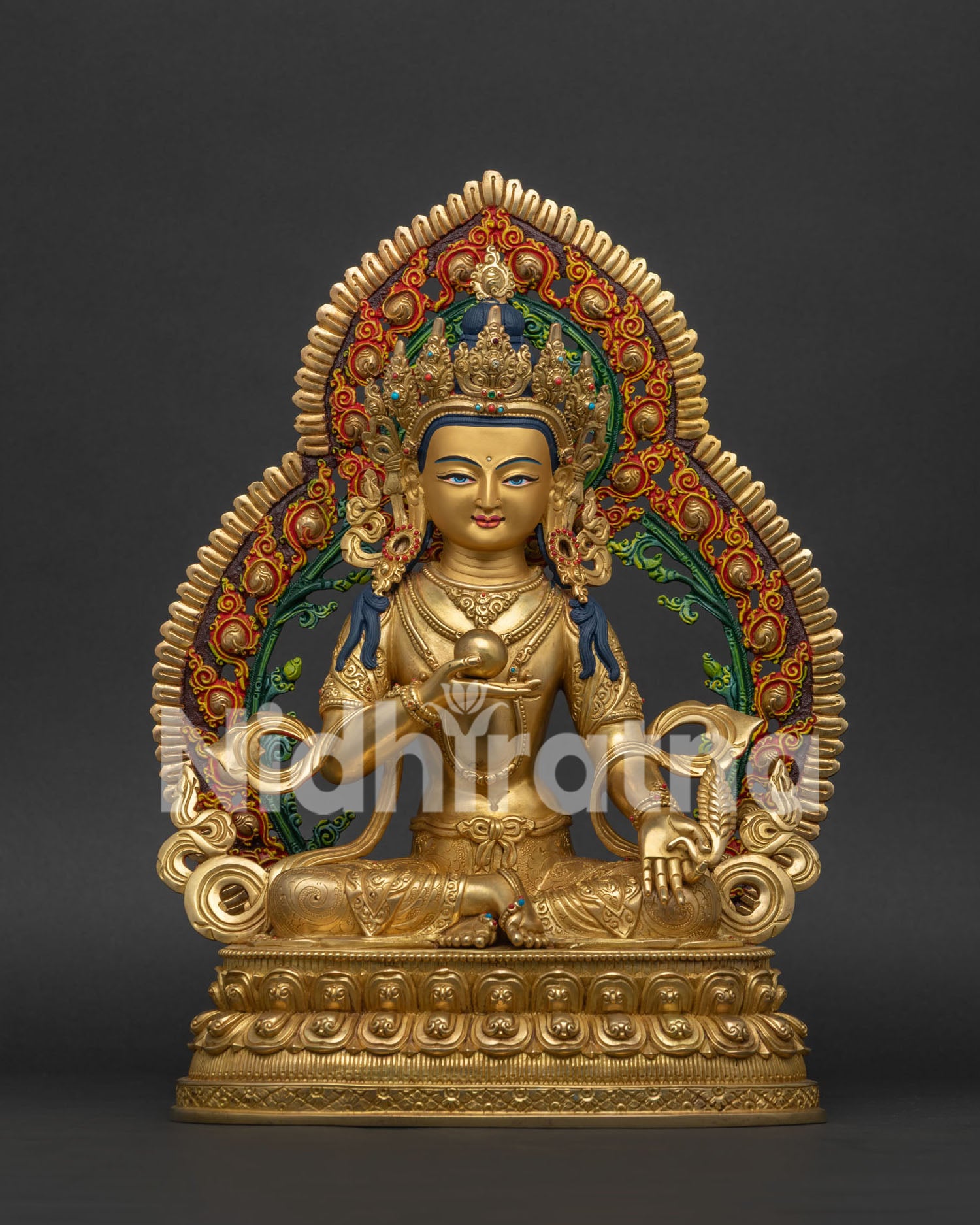
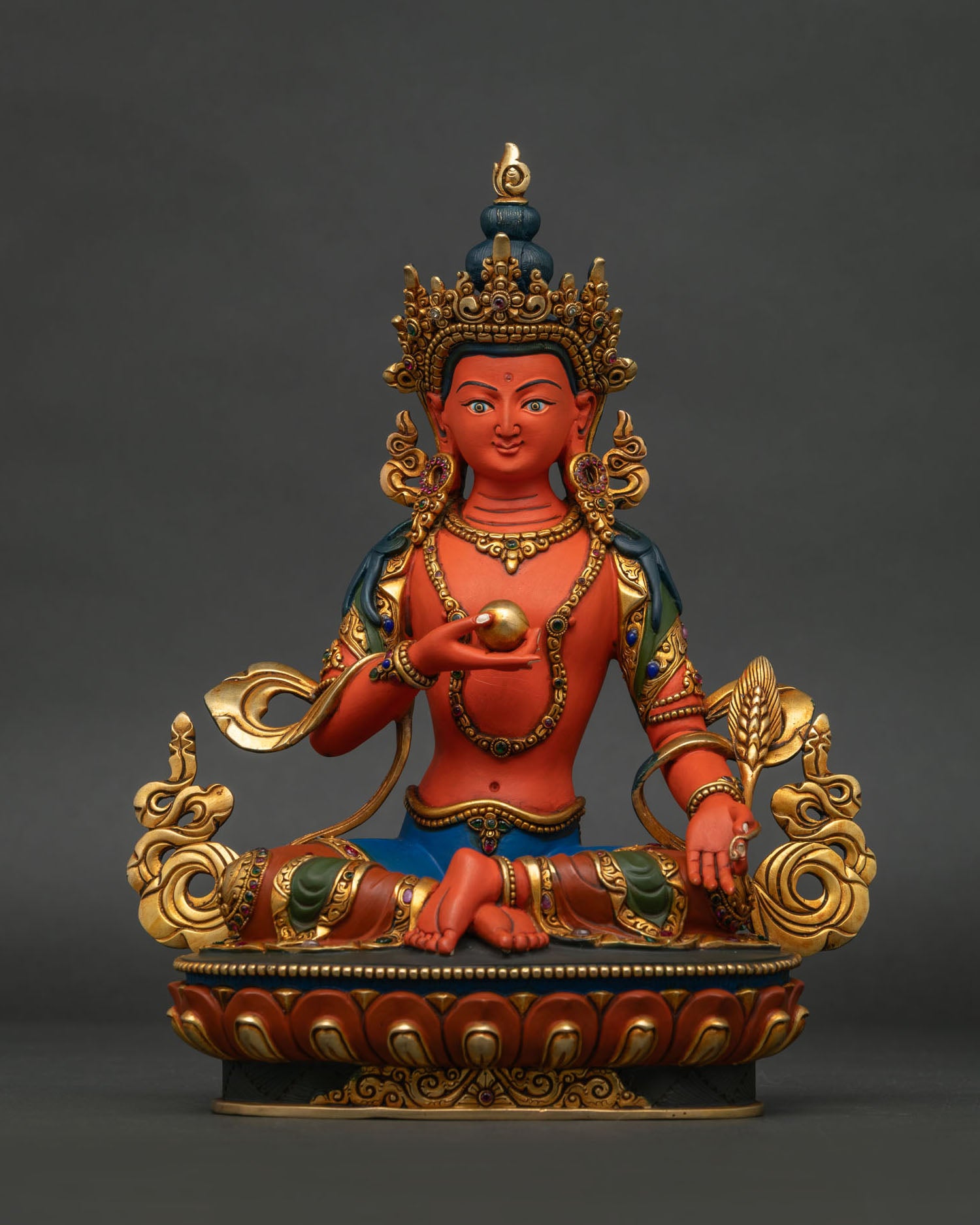
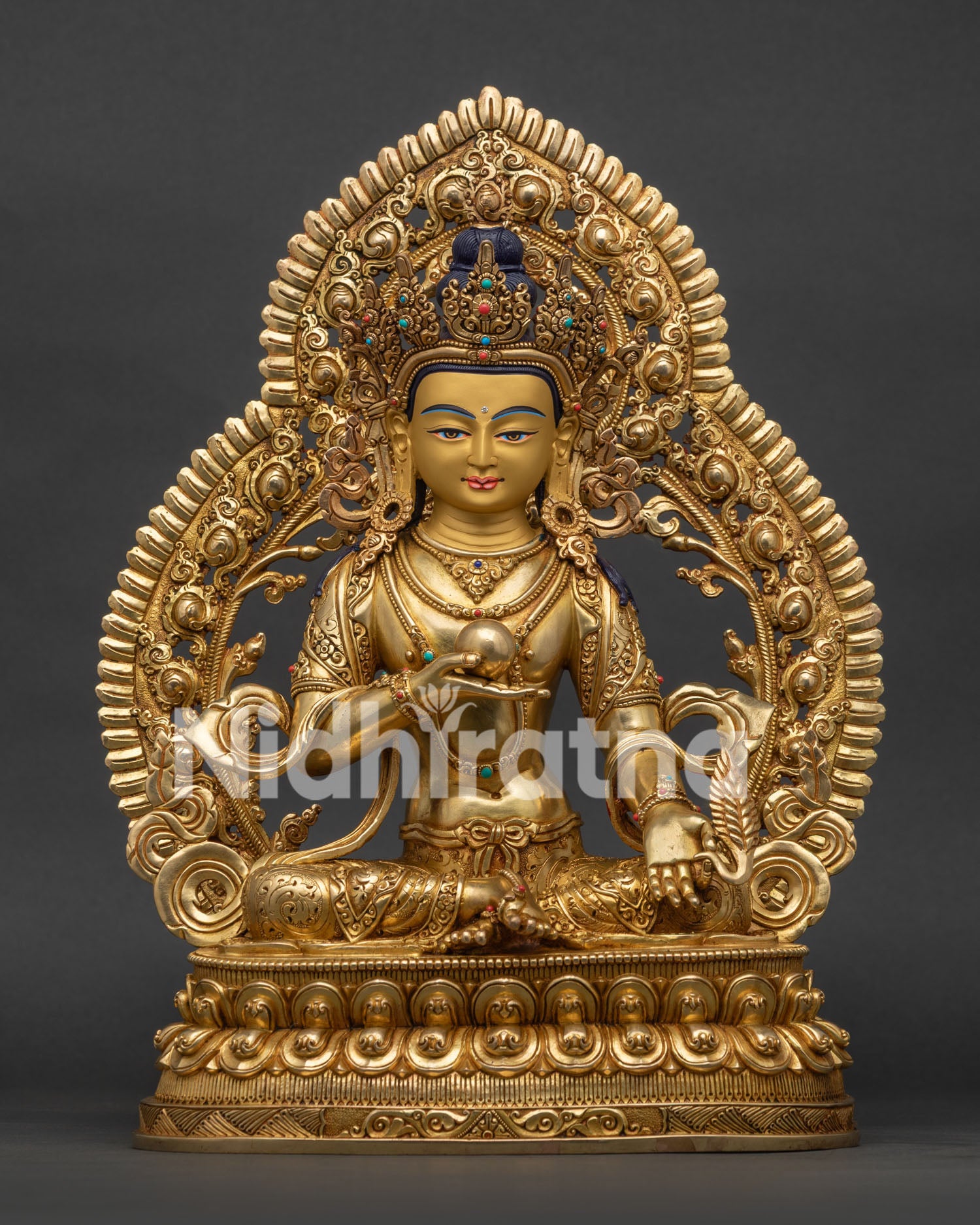
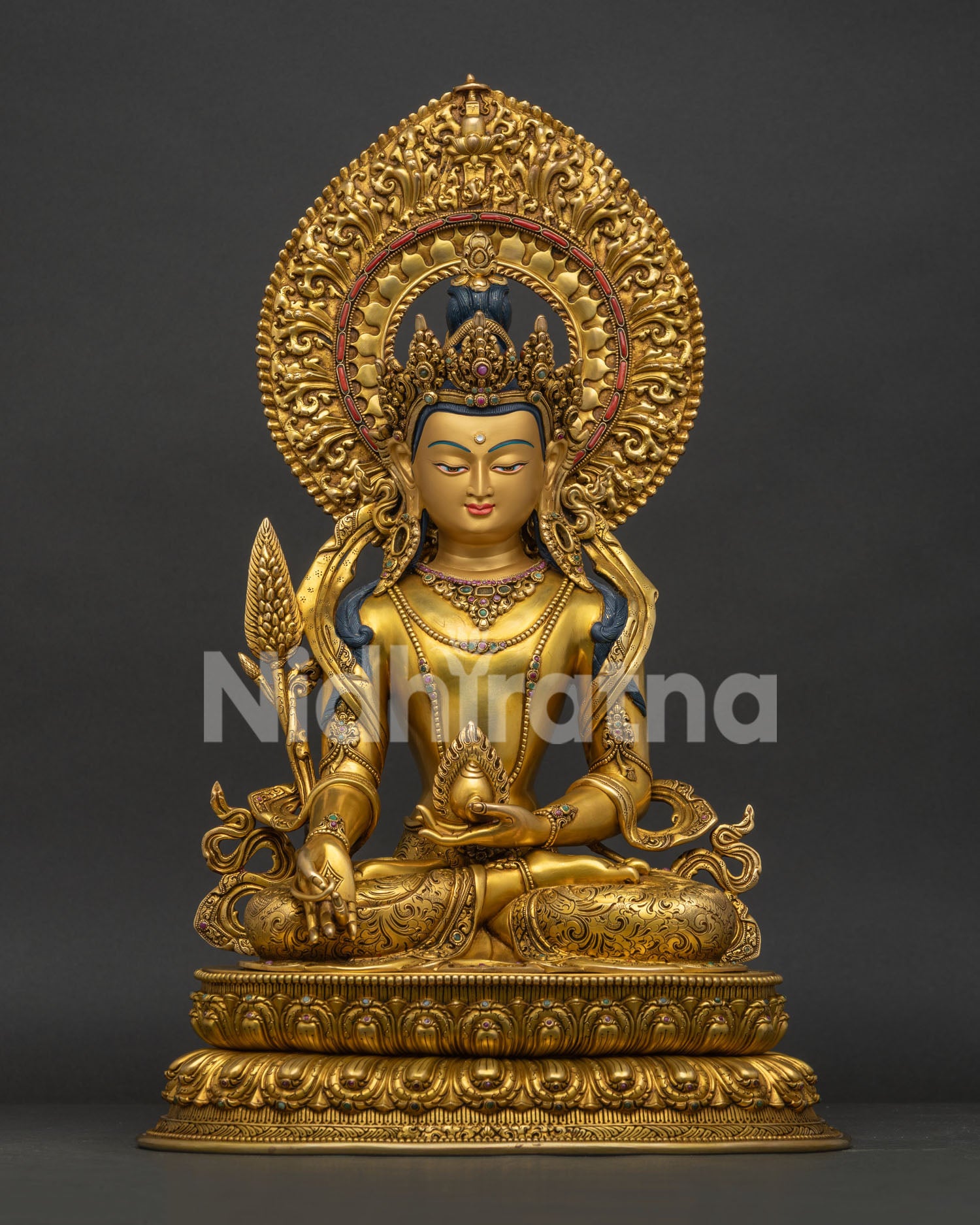
Each statue in our collection is expertly handcrafted, available in gold-gilded copper and other traditional finishes, embodying the infinite compassion and dedication of Kshitigarbha and offering a visual representation of his vow to liberate all sentient beings.
Meticulously designed by master artisans, every piece reflects the deep spiritual meaning and symbolism associated with Kshitigarbha. The fine details in his robes, facial expression, and the items he holds underscore the significance of his vow and the profound mercy he offers to all who call upon him.
Kshitigarbha: The Bodhisattva of Compassion and Vows
Kshitigarbha, often depicted as a monk or bodhisattva, is the Bodhisattva of the Earth and is known for his vow to remain in the cycle of samsara until all beings are liberated. His name translates to "Earth Store," signifying his role in comforting and protecting those suffering in the realms of hell, particularly assisting the souls of the dead.
In East Asian Buddhist traditions, Kshitigarbha is a beloved protector, particularly for children and the deceased, ensuring their safety and eventual liberation.
Known for his boundless compassion, Kshitigarbha is often depicted as a compassionate figure, journeying to the underworld to rescue lost souls and provide solace to suffering beings. His infinite vow is to delay his enlightenment until all beings are freed from suffering, a testament to his selfless dedication to the liberation of others.
Our Kshitigarbha Statue Variants
We offer a range of styles and finishes, honoring the different traditions in which Kshitigarbha is worshipped:
-
Gold-Gilded Copper Statues: Richly gilded copper-body statues that reflect Kshitigarbha's radiant compassion, with fine hand-finished detailing on the robes and facial expression.
- Crowned Bodhisattva Statues (Himalayan Style): A more regal form, adorned with a crown and jewels in the Tibetan and Himalayan tradition, seated on a lotus throne.
Symbolism and Features of the Kshitigarbha Statue
Our Kshitigarbha statues are rich with symbolic elements that convey his wisdom, compassion, and protective nature:
- Posture: Kshitigarbha is often depicted standing or seated, holding a staff (khakkhara) in his right hand and a wish-fulfilling jewel in his left. The staff represents his ability to open the gates of the underworld, guiding lost souls to enlightenment, while the jewel symbolizes his ability to fulfill the wishes of all beings.
- Expression: His face usually shows a serene and compassionate expression, reflecting his endless patience and kindness.
- Staff and Jewel: The staff, a key attribute of Kshitigarbha, is a symbol of his power to rescue beings from suffering. The jewel in his left hand represents the compassionate gifts he provides to those in need.
- Lotus Pedestal: Many statues feature Kshitigarbha seated on a lotus pedestal, symbolizing his enlightened nature and the purity that can be achieved through compassion.
The Compassionate Role of Kshitigarbha in Buddhist Practice
Kshitigarbha's role in Buddhist practice is centered on his vow to assist all beings, particularly those suffering in the realms of hell, to find a path toward liberation. He is revered as a compassionate protector, particularly in the East Asian Buddhist traditions of China, Japan, and Korea.
His deep compassion makes him especially dear to those who are grieving or in fear of suffering after death. In Buddhist belief, Kshitigarbha is known to be present when beings are in desperate need, whether in the intermediate state between death and rebirth or in times of personal hardship.
Each statue in our collection serves as a reminder of the endless potential of compassion to heal suffering and transform the heart. Kshitigarbha's vow to remain in the cycle of samsara until all beings are liberated resonates deeply with practitioners, inspiring them to dedicate their lives to helping others, just as he has done.
Kshitigarbha's Influence in East Asian Buddhism
In East Asian Buddhism, Kshitigarbha has become a widely venerated figure, particularly in Japan, where he is known as Jizo. He is often invoked in times of mourning or when seeking protection for children or the deceased. In Japan, Jizo statues are commonly found in cemeteries, temples, and roadside shrines, symbolizing his role as a protector of souls and guide to the afterlife.
Kshitigarbha is also associated with the practice of "Kshitigarbha Sutra" recitation, which is believed to bring blessings to the deceased and alleviate their suffering. His compassionate nature has made him a key figure in the healing practices and death rituals of Buddhist practitioners.
Have questions about our Kshitigarbha statue collection? Contact us today for guidance and details.