

Troma Nagmo: The Fierce Dakini of Wisdom and Transformation
Troma Nagmo, often known as the Black Wrathful Dakini, is one of the most powerful and mysterious figures in Tibetan Buddhist tradition. Her fierce appearance may seem intimidating at first, yet behind her wrathful form lies a profound message about compassion, wisdom, fearlessness, and spiritual transformation. Troma Nagmo represents the ability to confront deep fears and obstacles on the path to awakening rather than running away from them.
For practitioners drawn to Vajrayana Buddhism and Chöd practice, Troma Nagmo holds a particularly important place. Her imagery is not intended to inspire ordinary fear. Instead, her dark form, fierce expression, flaming aura, and ritual attributes symbolize the destruction of ignorance, attachment, ego, and the inner obstacles that prevent spiritual liberation.
Who Is Troma Nagmo?
Troma Nagmo is a wrathful form of the Dakini associated with the profound teachings of Chöd, a Tibetan Buddhist practice centered on cutting through attachment to the ego and confronting fear directly. Her name is commonly understood as Black Wrathful One, reflecting her powerful and uncompromising appearance.
Rather than representing anger in the ordinary sense, her wrathful nature symbolizes enlightened energy. In Vajrayana Buddhism, wrathful deities often embody the forceful aspect of compassion. They appear fierce because they represent wisdom that cuts through delusion without hesitation.
Troma Nagmo is especially connected with the spiritual legacy of Machig Labdrön, the renowned Tibetan female practitioner traditionally associated with the development and transmission of Chöd. Through Chöd practice, practitioners work with fear, attachment, and the illusion of a permanent self, transforming these experiences into wisdom and compassion.
The Meaning Behind Troma Nagmo's Wrathful Form
One of the most fascinating aspects of Troma Nagmo is the contrast between her frightening appearance and her enlightened purpose.
Her wrathful expression symbolizes the uncompromising nature of wisdom. Instead of allowing ignorance and attachment to remain hidden, Troma Nagmo represents the courage to face them directly. Her dark appearance can also be understood as a symbol of profound wisdom beyond ordinary concepts and appearances.
This symbolism becomes especially meaningful within Buddhist meditation. Fear, anger, attachment, and other difficult emotions are not simply treated as enemies that must be suppressed. Through skillful practice, they can become opportunities for understanding and transformation.
This is one reason Troma Nagmo remains such a compelling figure for practitioners interested in Vajrayana Buddhism.
Troma Nagmo and Chöd Practice

Troma Nagmo is closely associated with Chöd, a distinctive Tibetan Buddhist practice whose name carries the meaning of cutting through or severing. At the heart of Chöd is the practice of cutting through attachment to the ego.
Traditionally, Chöd practitioners may visualize offering their own body as a symbolic offering. This powerful imagery is not about physical harm. Instead, it represents letting go of attachment to the body, possessions, identity, and the idea of a separate permanent self.
Troma Nagmo's fierce form expresses this transformative process. She represents the fearless wisdom required to confront the things that practitioners normally avoid.
Through this symbolism, Troma Nagmo can be understood as a reminder that spiritual growth sometimes requires us to look directly at the parts of ourselves that create fear and suffering.
Symbolism of Troma Nagmo
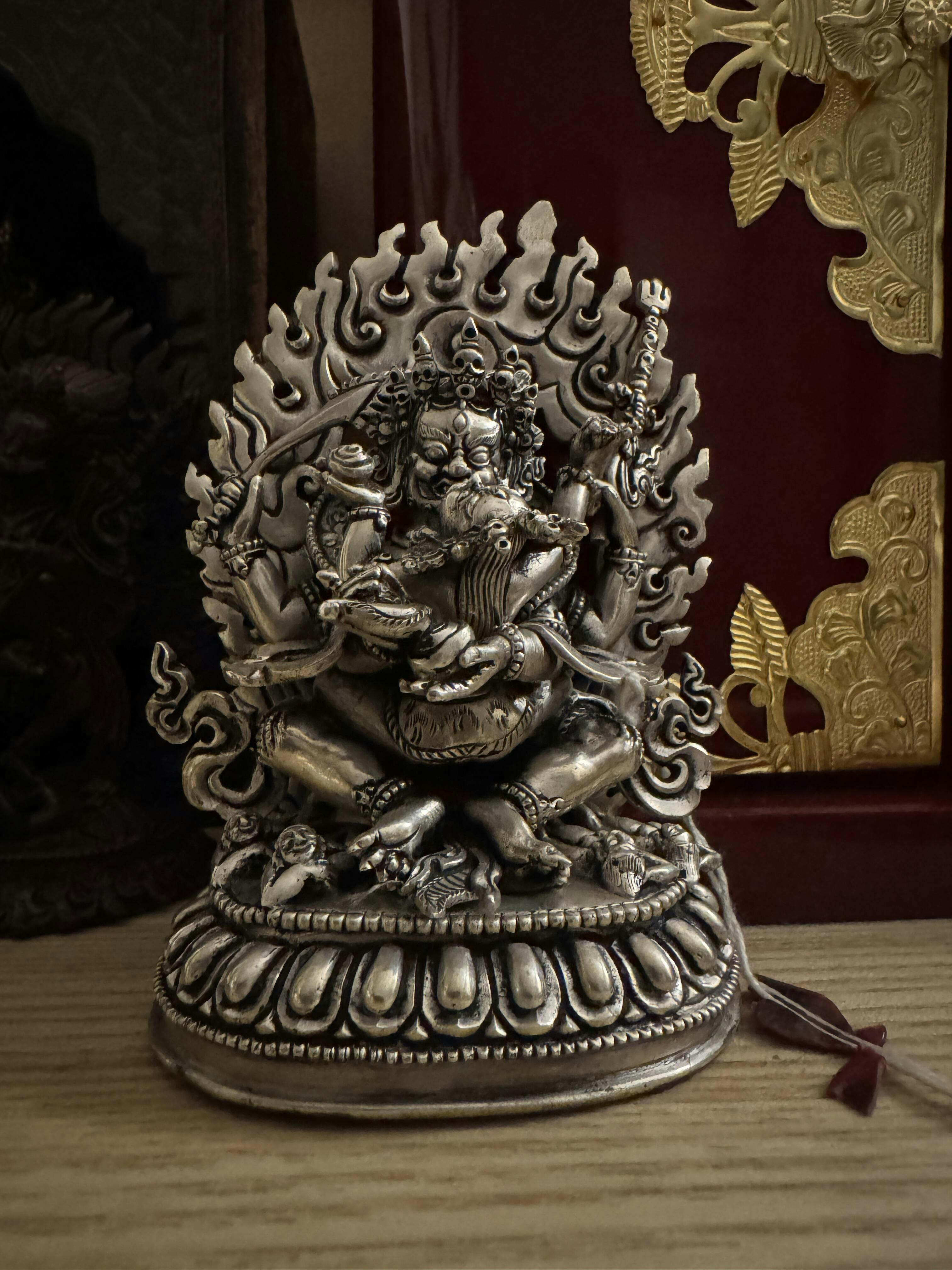
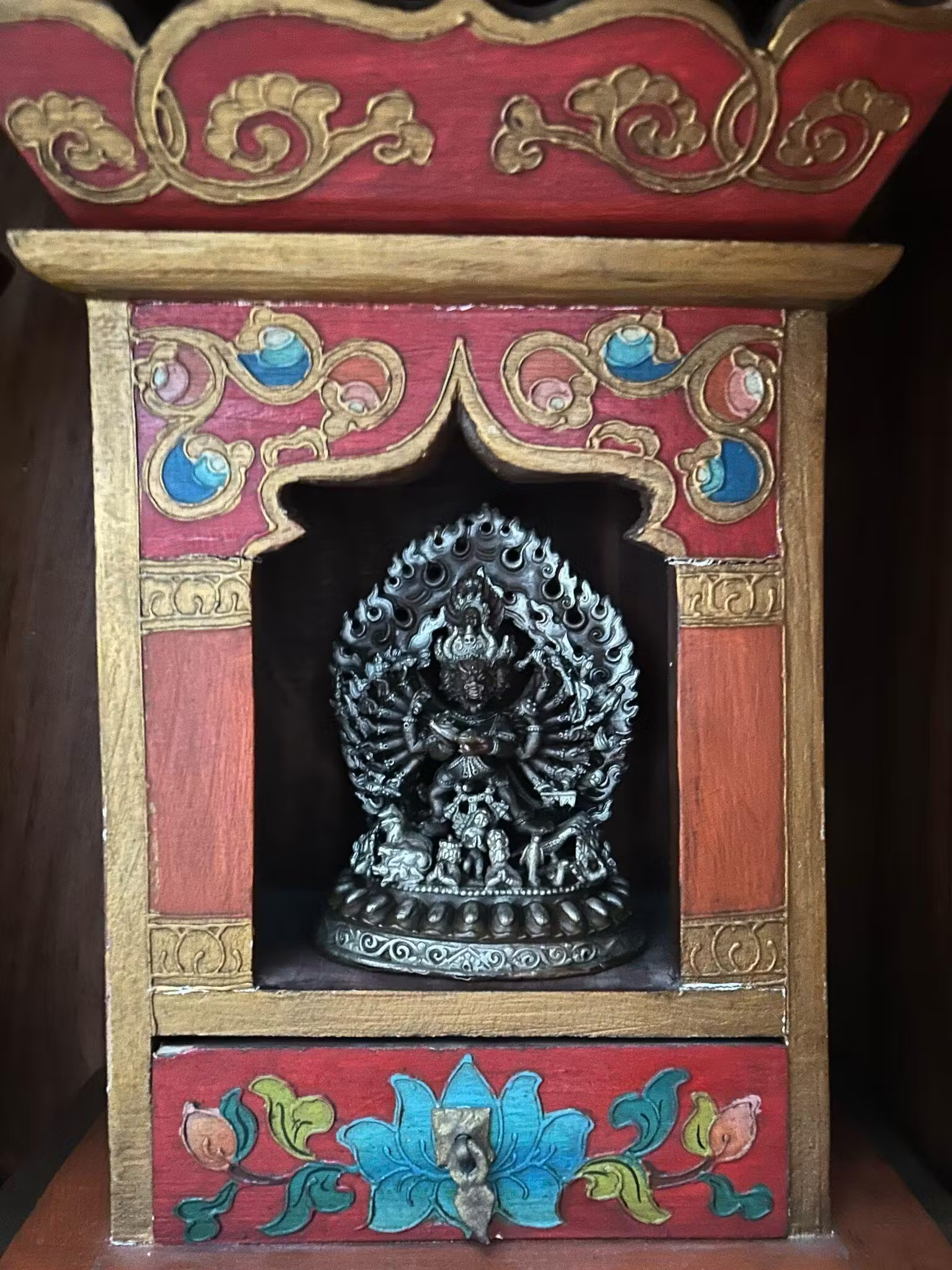
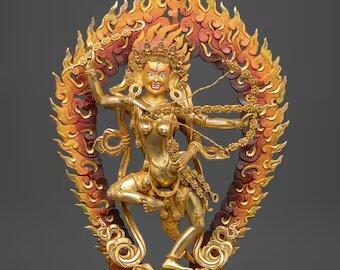
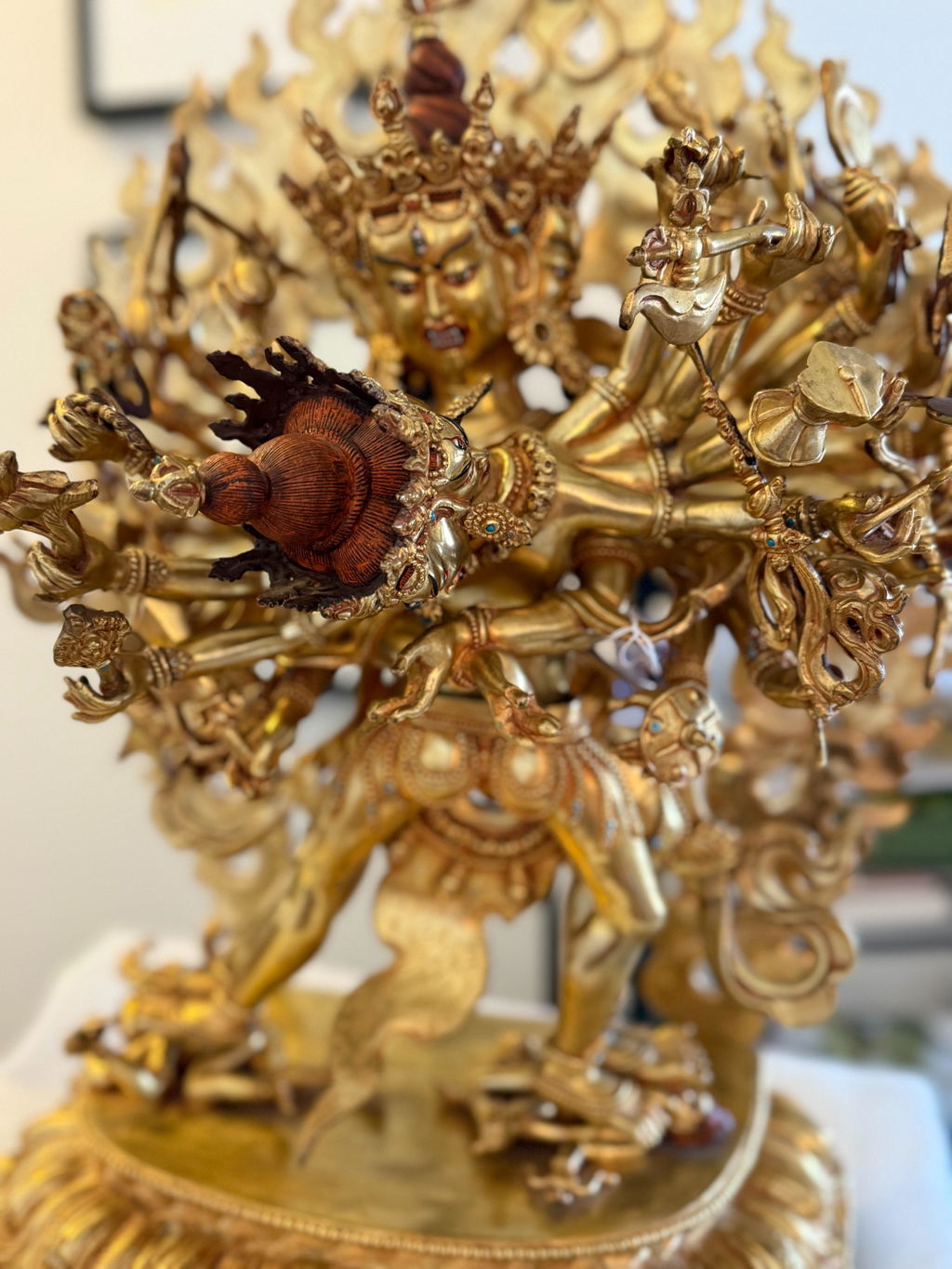
Every element commonly represented in a Troma Nagmo image can carry layers of symbolic meaning. Her attributes may vary depending on the particular lineage and artistic tradition, but her overall appearance communicates several important Vajrayana principles.
The Dark or Black Form
Her dark body is associated with profound wisdom and the transformation of ignorance. Black can also symbolize the ultimate nature beyond ordinary conceptual distinctions.
Wrathful Expression
Her fierce face represents enlightened wrath rather than ordinary anger. It symbolizes the power of wisdom to overcome delusion, attachment, and spiritual obstacles.
Flaming Aura
Flames surrounding wrathful Buddhist deities commonly represent the blazing energy of wisdom. They can be understood as consuming ignorance and negative obscurations.
Ritual Attributes
Troma Nagmo is often depicted with powerful ritual implements and symbolic objects associated with Vajrayana practice. These attributes communicate the cutting, transforming, and liberating qualities of enlightened activity.
Because iconographic details can differ between traditions, a particular Troma Nagmo statue should ideally be understood according to its specific lineage and artistic representation.
Why Does Troma Nagmo Look So Fierce?
This is one of the first questions people often ask when encountering a Troma Nagmo statue.
In Buddhist art, appearance does not always represent literal personality. A wrathful deity may appear terrifying while symbolizing profound compassion. The frightening imagery communicates the strength of enlightened wisdom.
Think of it as a visual language. A peaceful Buddha may represent calmness, compassion, and meditation, while a wrathful deity can represent the force required to overcome powerful inner obstacles.
Troma Nagmo's fierce appearance therefore carries a message of fearlessness: do not run from fear, ignorance, or attachment. Face them with wisdom.
Troma Nagmo and Machig Labdrön

The connection between Troma Nagmo and Machig Labdrön makes her especially significant within Tibetan Buddhist history. Machig Labdrön is remembered as an influential female practitioner and teacher whose spiritual legacy became closely associated with Chöd.
Her teachings emphasize working directly with attachment and fear rather than relying only on external circumstances to create spiritual progress. Troma Nagmo embodies this uncompromising approach.
For this reason, representations of Troma Nagmo are not simply decorative Buddhist artworks. For practitioners familiar with Chöd, the image can serve as a visual reminder of a much deeper spiritual path.
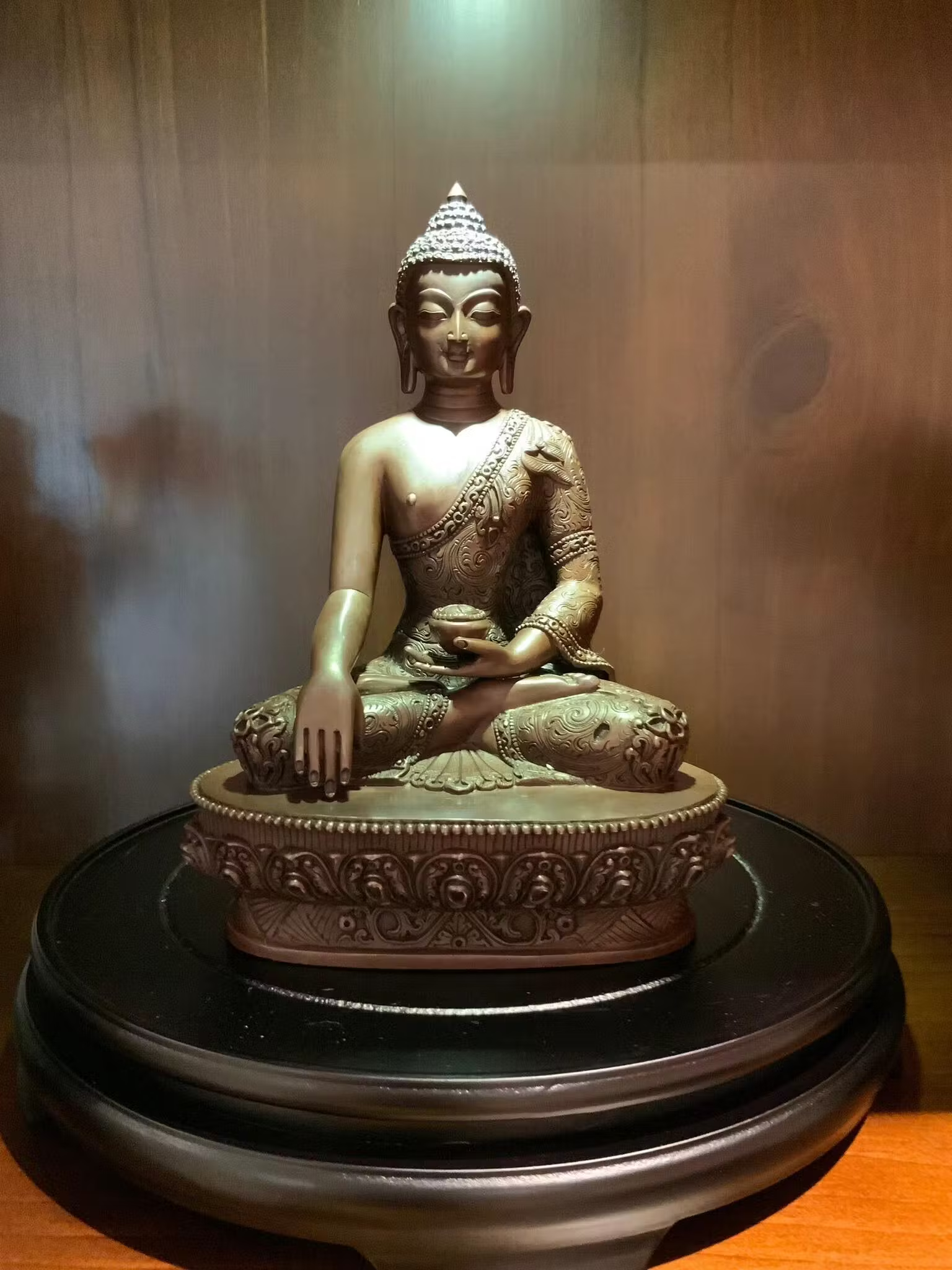
Troma Nagmo Statue in Himalayan Buddhist Art
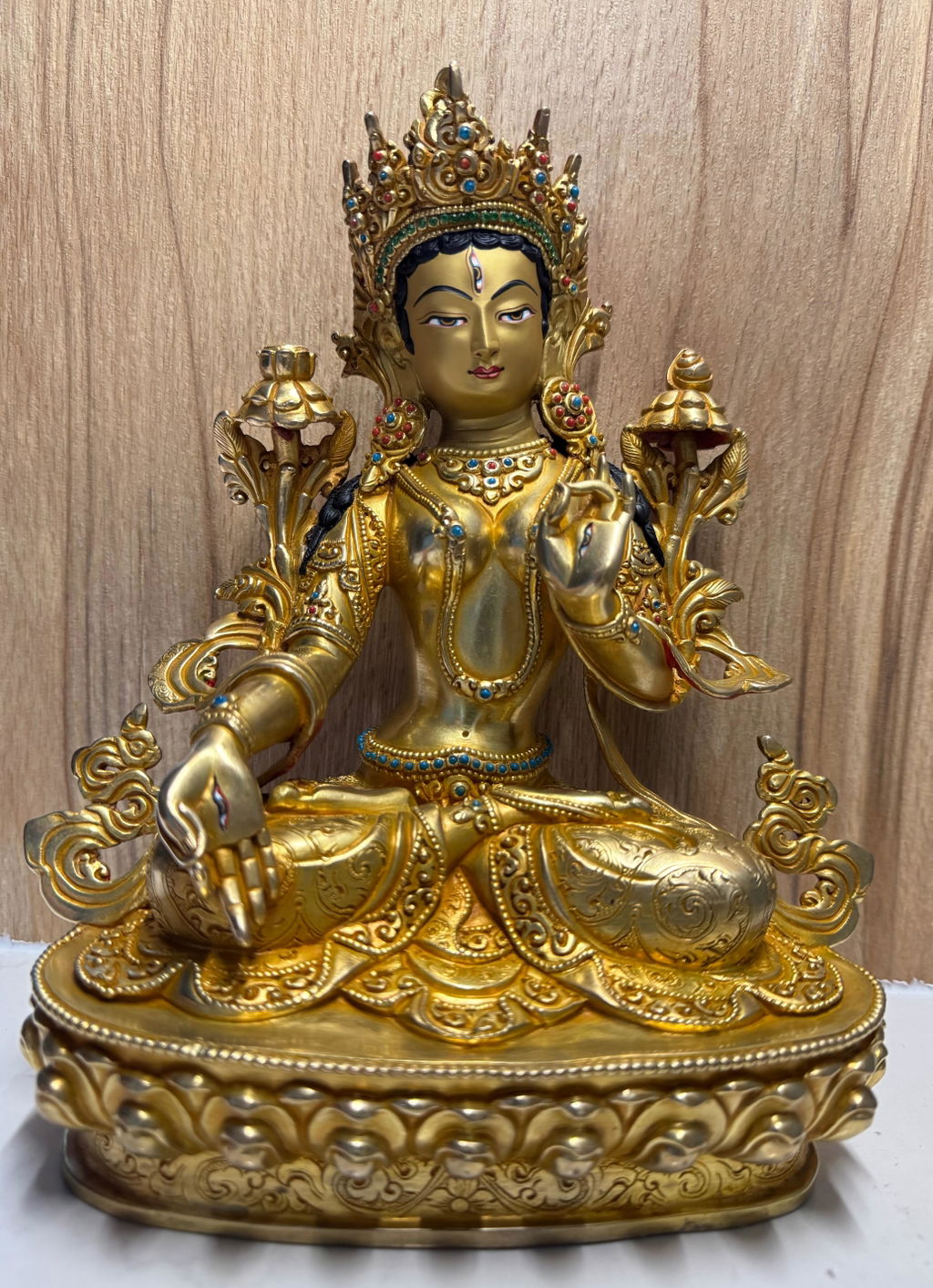
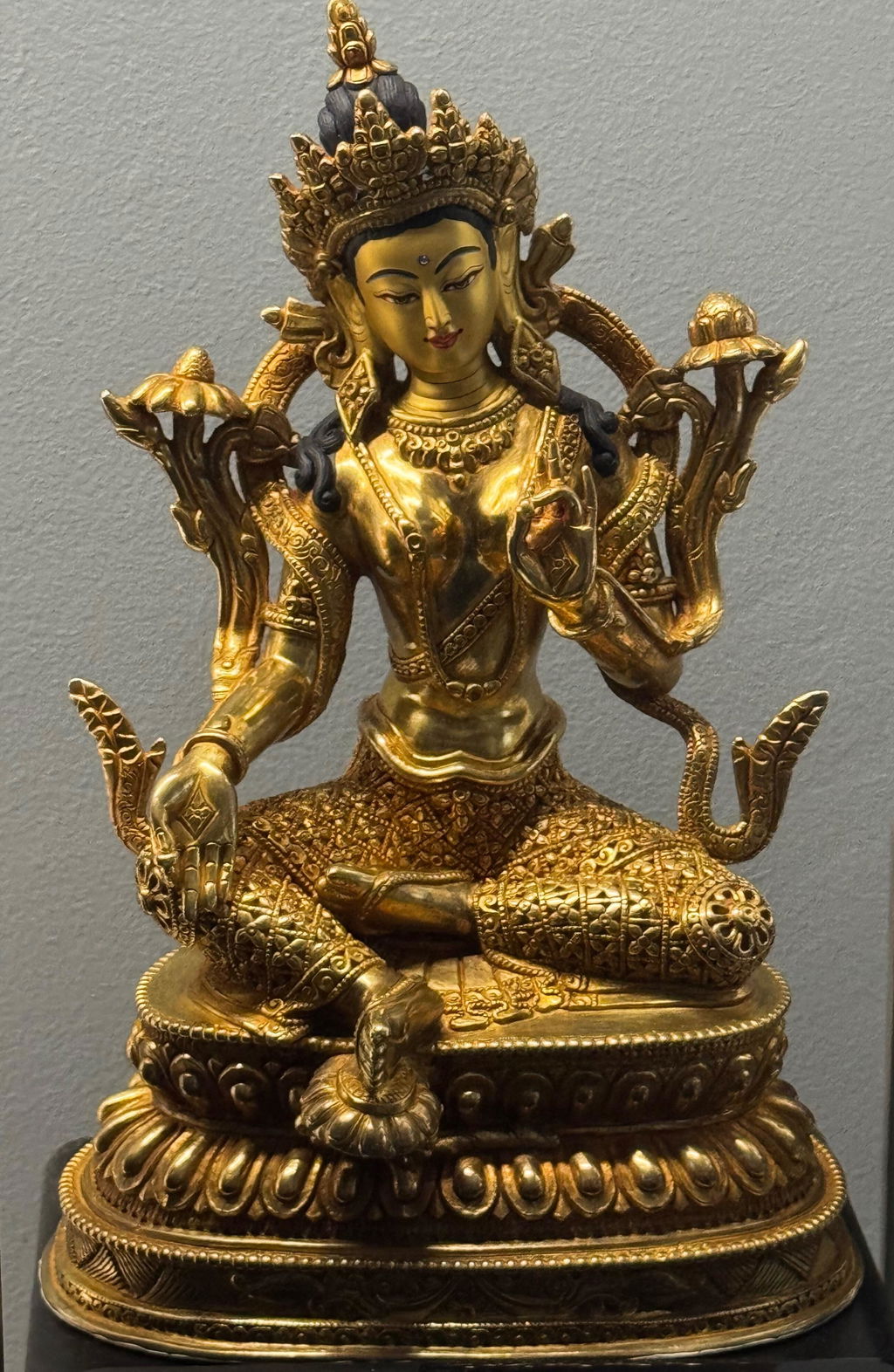
A traditionally handcrafted Troma Nagmo statue reflects both religious symbolism and the artistic heritage of Himalayan Buddhist sculpture. In Nepal, particularly within the Newar artistic tradition of the Kathmandu Valley, Buddhist sculptures have been produced for centuries using highly detailed metalworking techniques.
A skilled Newari artisan may create a statue through the traditional lost-wax casting technique, followed by extensive finishing, detailing, polishing, gilding, and ornamentation. Each stage requires patience and considerable knowledge of Buddhist iconography.
The intricate jewelry, facial expression, ritual implements, crown, ornaments, and surrounding flames are not merely decorative details. Together, they help communicate the identity and spiritual significance of Troma Nagmo.
Where Can a Troma Nagmo Statue Be Placed?
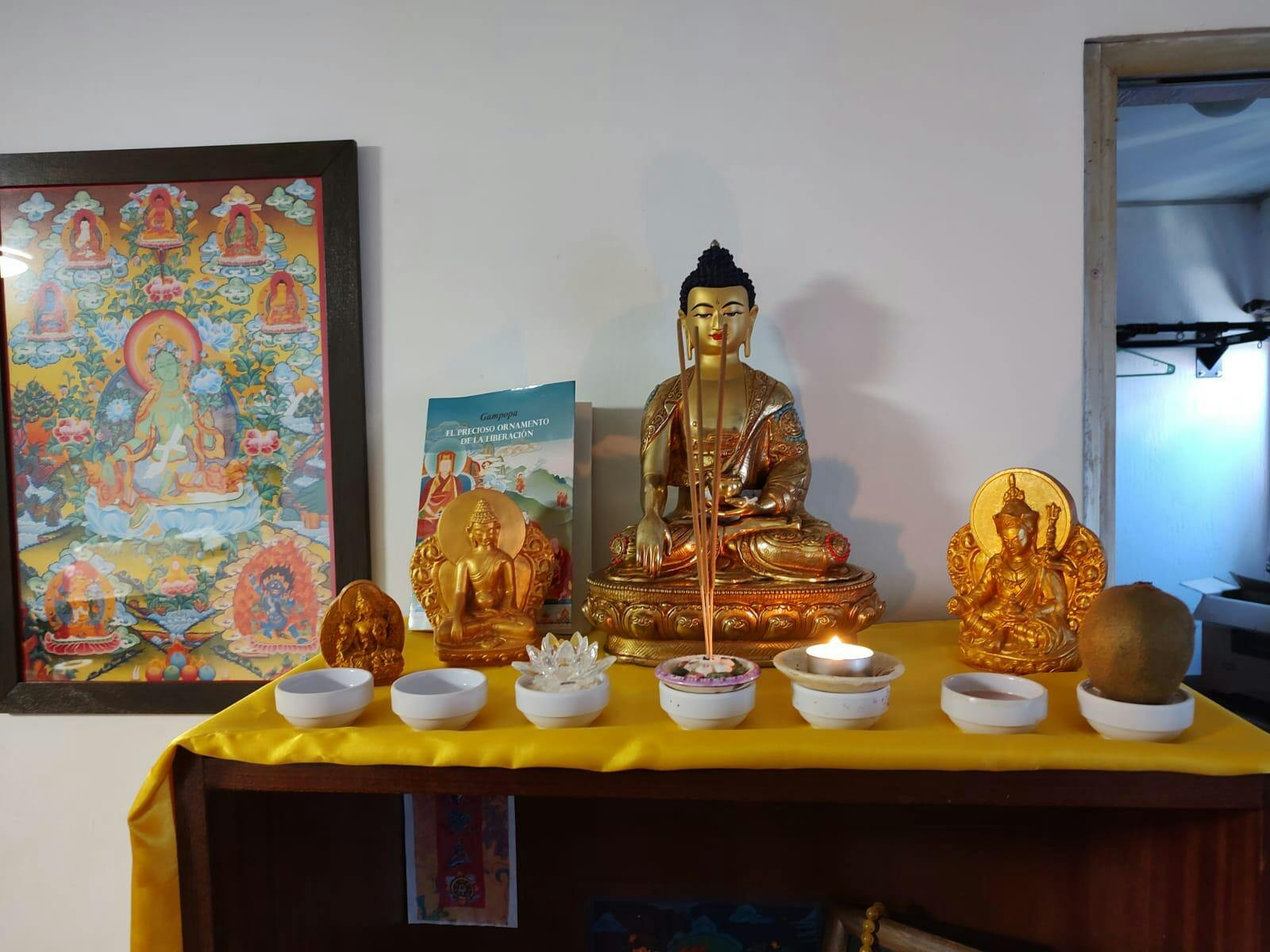
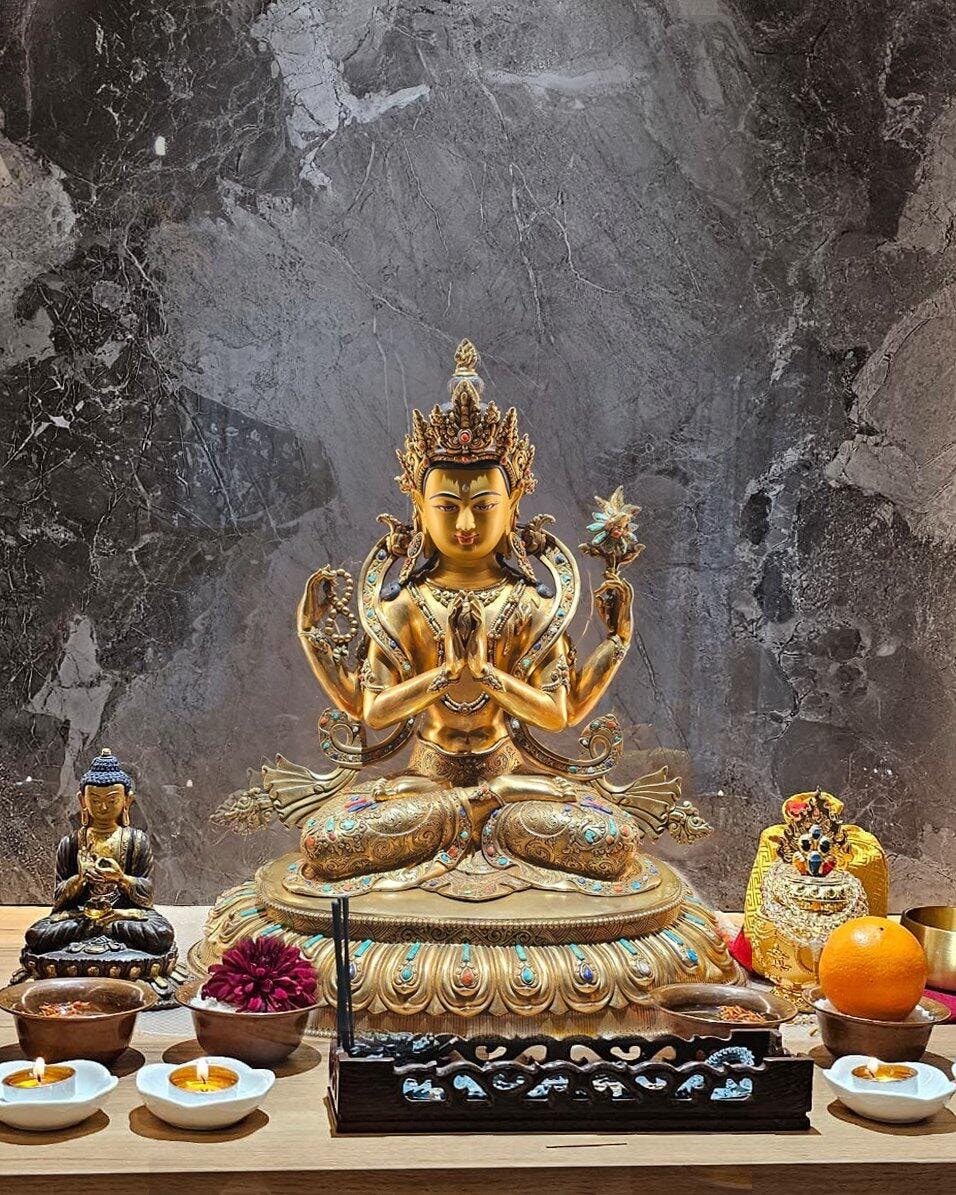
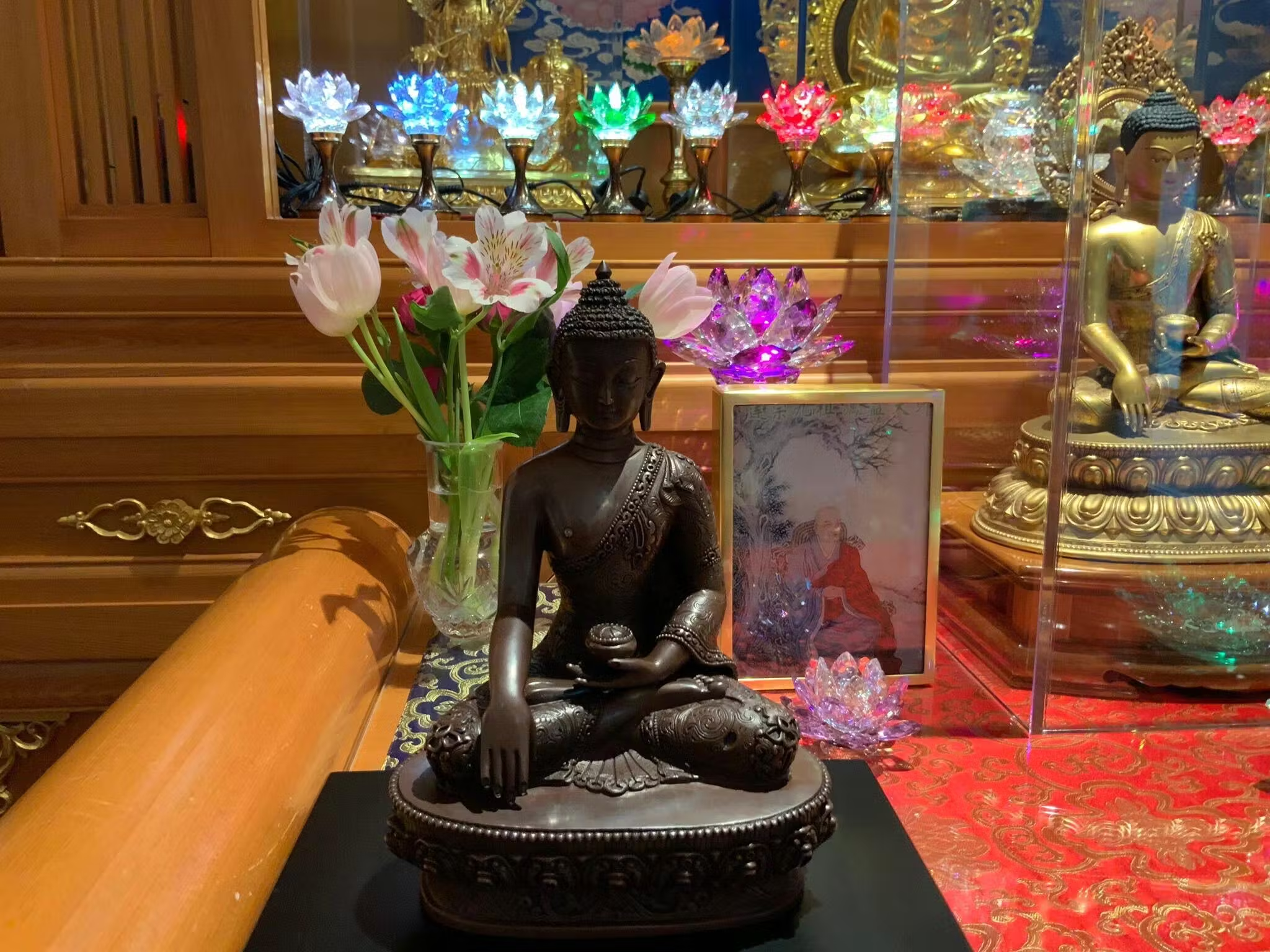
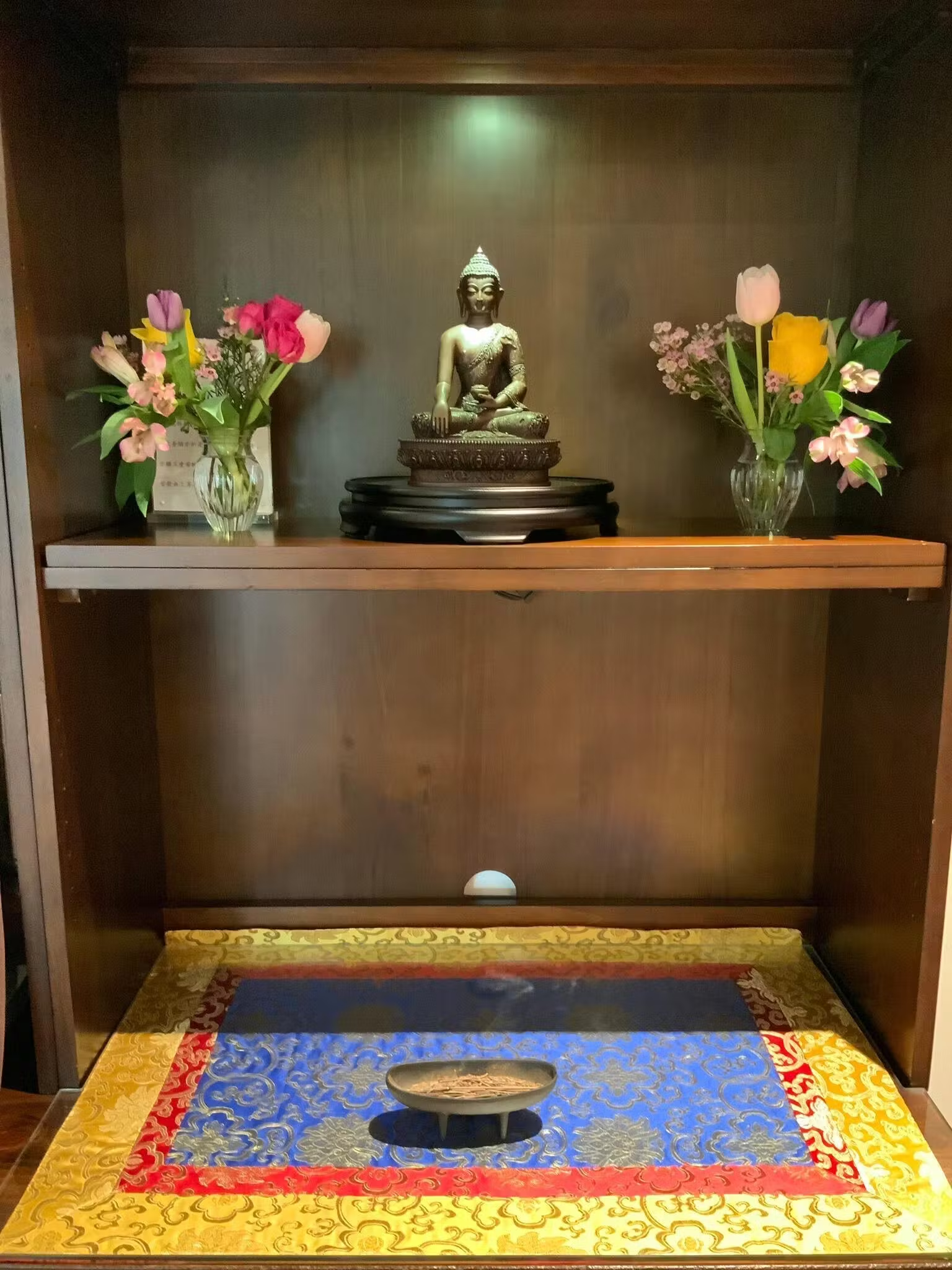
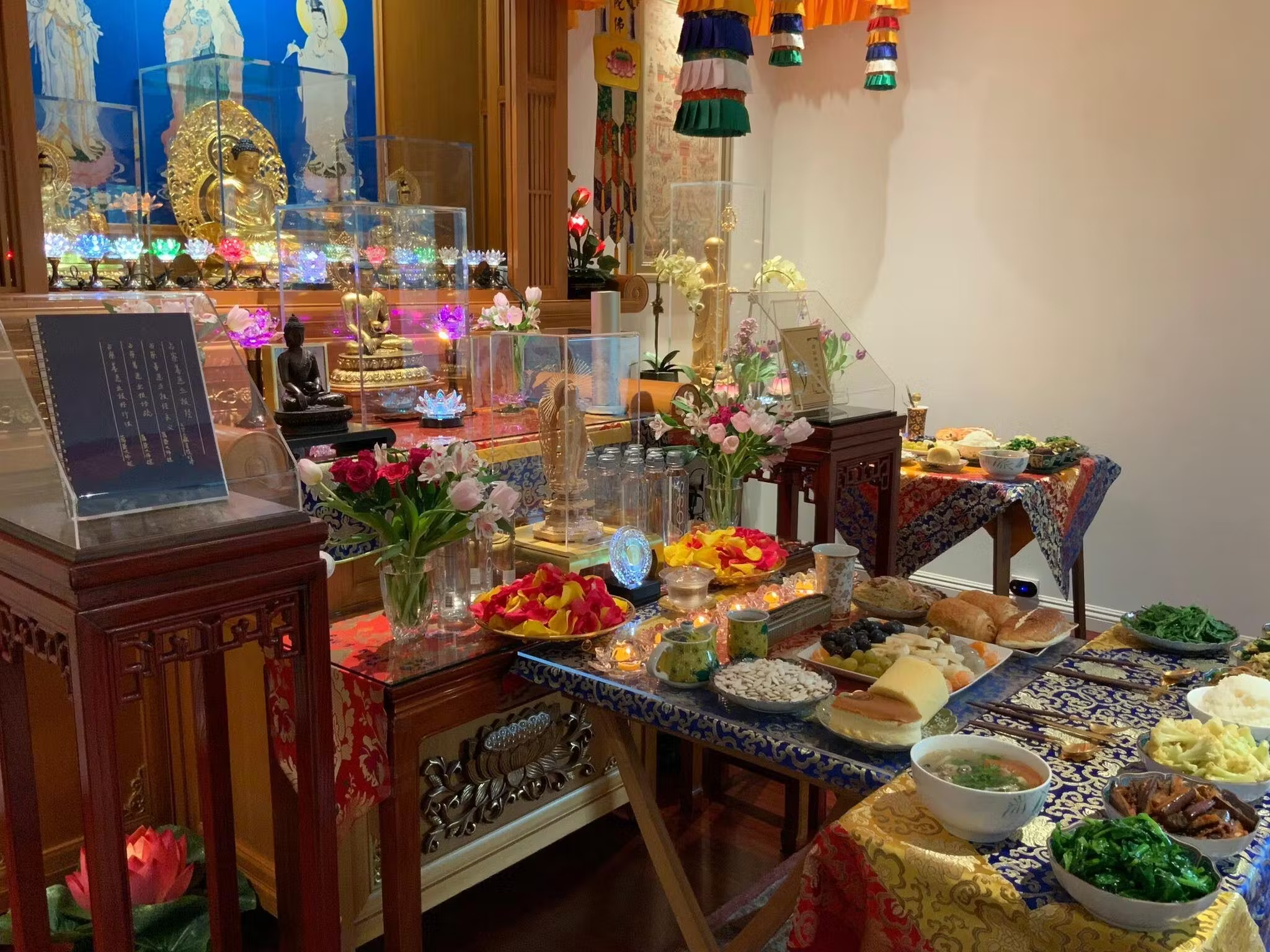
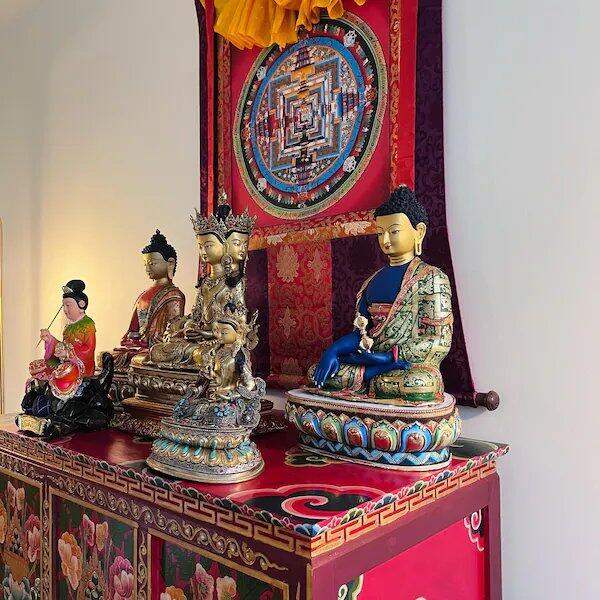
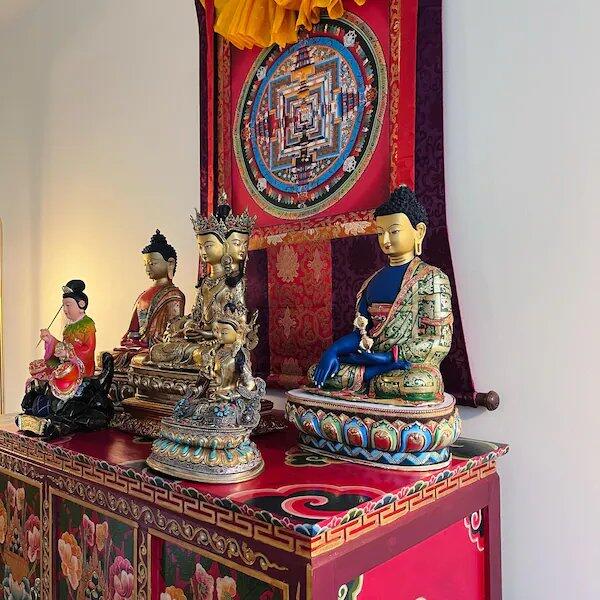
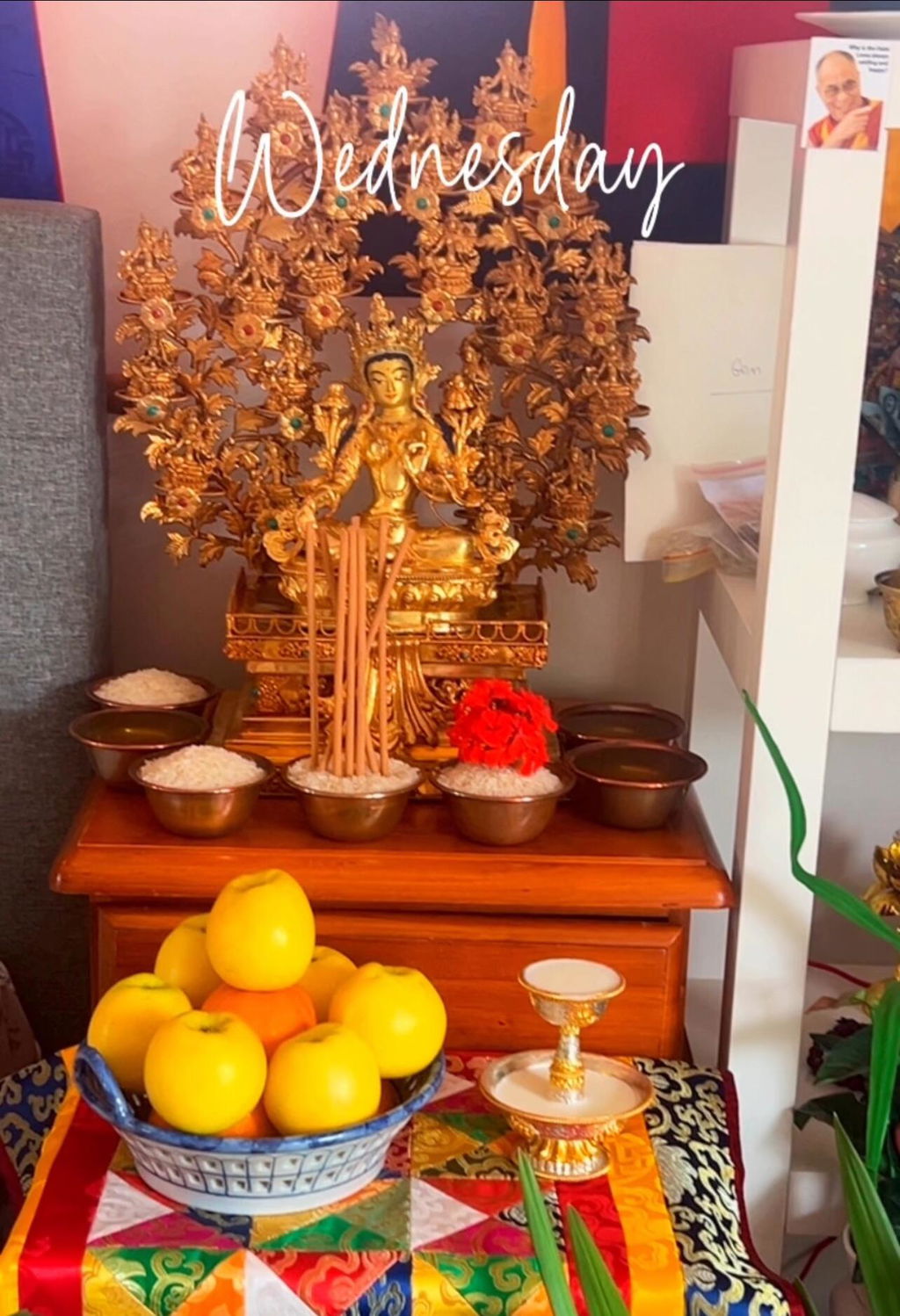
A Troma Nagmo statue may be appropriate for a Buddhist altar, meditation room, shrine, temple, or dedicated spiritual practice space, particularly for practitioners who have a connection with Vajrayana Buddhism or Chöd.
Because Troma Nagmo has a strong association with Vajrayana symbolism, it is worth approaching her image with respect and understanding rather than treating the statue purely as interior decoration.
For collectors of Himalayan Buddhist art, a handcrafted Troma Nagmo sculpture can also represent the remarkable artistic heritage of Nepal and the centuries-old relationship between Buddhist philosophy and sacred art.
The Deeper Message of Troma Nagmo
Perhaps the most meaningful way to understand Troma Nagmo is to look beyond her frightening appearance.
She represents the courage to face what we fear.
She reminds practitioners that attachment and ego can become obstacles when we hold onto them without awareness. Her wrathful appearance symbolizes the uncompromising wisdom that cuts through these obstacles and reveals a deeper understanding of reality.
In this sense, Troma Nagmo is not a figure of destruction for destruction's sake. She represents transformation.
Her fierce presence teaches that wisdom does not always appear gentle. Sometimes, the path toward freedom requires courage, honesty, and the willingness to confront what lies within.
Discover the Sacred Symbolism of Troma Nagmo
A beautifully handcrafted Troma Nagmo statue brings together the spiritual symbolism of Vajrayana Buddhism with the centuries-old metalworking heritage of Nepal. From her powerful expression and intricate ornaments to her wrathful posture and symbolic attributes, every detail contributes to the story of enlightened wisdom and transformation.
For those who practice or study Tibetan Buddhism, a Troma Nagmo sculpture can serve as a meaningful representation of fearlessness, wisdom, and the cutting of ego attachment. For collectors of Himalayan art, it also offers an opportunity to appreciate the remarkable craftsmanship of Nepalese Buddhist sculpture.
Explore Troma Nagmo and discover the deeper meaning behind one of Vajrayana Buddhism's most powerful wrathful Dakinis.


Share:
Vajrasattva: Meaning, Mantra, Symbolism & Spiritual Significance