

21 Taras Practice and Meaning: Complete Tibetan Buddhist Guide

Have You Ever Wondered About the 21 Manifestations of Tara?
Did you know that Tara appears in twenty-one different enlightened forms within Tibetan Buddhism? Many spiritual seekers exploring the meaning and significance of the 21 Taras in Buddhism are surprised to learn that the 21 Taras are not separate deities. They are different expressions of the same compassionate wisdom energy known as Tara, each revealing a unique aspect of protection, healing, wisdom, and enlightened action.
Each Tara carries a distinct quality of enlightened activity, gently guiding practitioners through fear, emotional suffering, obstacles, and the journey toward inner clarity.
If you feel drawn to explore the 21 Taras in Tibetan Buddhism and invite their transformative blessings into your life, then let this sacred journey begin.
Introduction: Who Are the 21 Taras?
The 21 Taras are powerful manifestations of the enlightened feminine energy in Tibetan Buddhism. They originate from the compassionate activity of Green Tara, who is regarded as the Mother of Liberation. Each of the 21 forms represents a unique aspect of wisdom, protection, healing, and fearlessness.
Devotees believe that chanting the Praises to the 21 Taras helps remove obstacles, protects from dangers, and brings spiritual awakening.
Spiritual Meaning of the 21 Taras in Tibetan Buddhism
As classified by Ven. Kirti Tsenshab Rinpoche, the numerous enlightened activities of Tara can be grouped into four types: pacifying, increasing, overpowering, and wrathful. These activities are represented through four sacred colors: White, Yellow, Red, and Black.
White Tara is associated with healing, peace, purification, and long life. Yellow Tara represents increase, abundance, prosperity, and merit. Red Tara is connected with magnetizing activity, attracting positive conditions, love, and compassionate influence. Black Tara represents wrathful, compassionate activity that powerfully removes ignorance, severe obstacles, and harmful forces.
This teaching helps practitioners understand that Tara’s compassion is dynamic. She appears in many forms according to the needs of beings.
The 21 Taras meaning in Tibetan Buddhism therefore goes beyond symbolism. It is a complete path of awakened activity for healing, protection, transformation, and liberation.
The 21 Taras Names and Their Meaning in Tibetan Buddhism
1. Pravire - Nyurma Palmo
Pravire, also known as Nyurma Palmo, is widely recognized as the swift and heroic Tara in Tibetan Buddhism. She is revered for her ability to respond instantly to sincere prayers, especially during moments of fear, crisis, or uncertainty. Devotees often invoke this form of Tara for immediate protection and for the rapid removal of obstacles that block spiritual and worldly progress. The meaning of Pravire Tara in Tibetan Buddhism highlights the power of swift, compassionate action.
2. Candrakanti - Shiwa Chenmo
Candrakanti, known as Shiwa Chenmo in Tibetan tradition, radiates the calming and gentle energy of the moon. She is associated with peace, emotional balance, and deep inner serenity. Practitioners seeking relief from anxiety, stress, and emotional disturbance often connect with this form of Tara. The Candrakanti Tara meaning and significance reflect healing energy that soothes the mind and restores inner harmony.
3. Kanakavarna - Serdog Chen
Kanakavarna, also known as Serdog Chen, appears in a golden radiant form that symbolizes abundance, prosperity, and merit accumulation. She is closely associated with both material and spiritual wealth, helping practitioners develop generosity and positive fortune. The Kanakavarna Tara meaning in Tibetan Buddhism represents the flow of prosperity and the removal of scarcity consciousness.
4. Ushnisha - Tsugtor Nampar Gyalma
Ushnisha, also known as Tsugtor Nampar Gyalma, is revered in Tibetan Buddhism as the victorious Tara of wisdom and enlightenment. She is described as the Lady of complete victory, embodying all positive qualities, and as the Tara victorious who grants the highest life, representing ultimate spiritual success and the flourishing of enlightened awareness. She symbolizes triumph over ignorance and supports the development of clarity, intelligence, and deep spiritual insight. Practitioners invoke this Tara to strengthen confidence, remove inner confusion, and progress steadily on the path of realization.
5. Humkarnadini - Hung Dradrogma
Humkarnadini, known as Hung Dradrogma in Tibetan tradition, is connected with the sacred syllable Hum, a powerful spiritual vibration that embodies awakened energy. This Tara is revered for dispelling negativity, fear, and harmful forces through enlightened sound and forceful compassion. She is described as the Tara crying the sound of Hum, who subjugates negative influences and summons enlightened energy with the gesture of wisdom.
6. Trailokya - Jugten Sumle Nampar Gyalma
Trailokya, also known as Jugten Sumle Nampar Gyalma, is revered in Tibetan Buddhism as the Tara who is victorious over the three realms of existence, guiding practitioners beyond attachment, illusion, and mental confusion that arise from worldly experiences. It is also said that this Tara, victorious over the triple world, has the power to tame ghosts and negative influences, bringing deep protection and stability to the practitioner while dissolving fear and supporting awakening into enlightened wisdom.
7. Aparajita - Shen Jomma
Aparajita, known as Shen Jomma in Tibetan tradition, is the Tara of the unconquered and victorious energy. She is revered for granting strength, resilience, and unwavering confidence during challenging situations. Practitioners often invoke this Tara for overcoming difficult enemies, both external obstacles and inner limitations such as fear and doubt. The Aparajita Tara, meaning "invincible one," in Tibetan Buddhism represents victory through fearless, compassionate power.
8. Marmardaneswori - Du Dra Jomma
Marmardaneswori, also known as Du Dra Jomma, is a powerful protective manifestation of Tara who destroys harmful influences. She is called upon to eliminate hidden obstacles, negative forces, and emotional disturbances that disrupt spiritual growth. The significance of Marmardaneswori Tara highlights the removal of inner and outer negativity through awakened compassion.
9. Shoka - Jigpa Kunkyobma
Shoka, known as Jigpa Kunkyobma, is also described as the Tara who protects from all terrors, symbolizing complete refuge from inner and outer fears. In Tibetan Buddhism, she is revered for her compassionate ability to shield beings from fear, sorrow, and emotional suffering. She is closely associated with emotional refuge and comfort during difficult and distressing life situations, offering a sense of safety when the mind feels overwhelmed. Devotees rely on her presence for stability during anxiety, grief, and uncertainty. The Shoka Tara meaning in Tibetan Buddhism reflects deep protection from psychological suffering and fear based states.
10. Jagadvashi - Dudang Jigten Wangdu Dema
Jagadvashi, also known as Dudang Jigten Wangdu Dema, is the Tara of magnetic compassionate influence. She helps practitioners attract harmony, supportive relationships, and positive life conditions. This Tara is often associated with social success and the ability to influence situations with wisdom and kindness. The Jagadvashi Tara meaning and significance reflects the power of enlightened attraction and balanced relationships.
11. Paricayaka - Pongpa Selma
Paricayaka, known as Pongpa Selma, is the Tara who removes poverty and scarcity in all forms. She supports the development of generosity, abundance, and inner richness. Practitioners invoke her for both material stability and spiritual wealth. The Paricayaka Tara meaning in Buddhism represents liberation from lack and the cultivation of prosperity consciousness.
12. Mangala Loka - Trashi Tamche Jinma
Mangala Loka, also known as Trashi Tamche Jinma, is the Tara of auspiciousness and blessings. She brings fortunate circumstances, success in endeavors, and positive beginnings. Many practitioners call upon this Tara when starting new ventures or life transitions. The Mangala Loka Tara significance is closely connected with good fortune and divine blessing.
13. Janguli - Metar Barma
Janguli, known as Metar Barma, is described as the Tara who blazes like fire and destroys all hindering demons and obstacles. In Tibetan Buddhist tradition, she is revered for her powerful purifying energy that burns away negative influences, harmful conditions, and spiritual blockages.
14. Kruddha - Tronyer Chen
Kruddha, known as Tronyer Chen, is a wrathful yet compassionate form of Tara. She forcefully removes deep-rooted obstacles, destructive energies, and strong negative patterns. Despite her fierce appearance, her essence is pure compassion acting in powerful form. The Kruddha Tara, meaning in Vajrayana Buddhism, reflects transformation through intense compassionate energy.
15. Mahashanta - Shiwa Chenma
Mahashanta, also known as Shiwa Chenma, is the Great Peaceful Tara who embodies deep tranquility and harmony. She calms conflict, soothes emotional turbulence, and creates inner stillness. Practitioners turn to her for peace of mind and emotional healing. The Mahashanta Tara significance lies in restoring balance and deep inner calm.
16. Raganishudana - Rigpa Hungle Drolma
Raganishudana, known as Rigpa Hungle Drolma, is the Tara who purifies desire and attachment. She transforms craving and emotional dependence into wisdom and awareness. This Tara supports practitioners in developing clarity and mindful detachment. The Raganishudana Tara, meaning in Buddhism, represents purification of desire into enlightened understanding.
17. Sukhada Sumyowa - Drolma Jigten
Sukhada Sumyowa, also known as Drolma Jigten, is the Tara who bestows happiness and emotional comfort. She is associated with joy, satisfaction, and healing of emotional pain. Practitioners invoke her to cultivate contentment and inner peace. The Sukhada Tara meaning reflects compassionate support and emotional nourishment.
18. Sit Vijaya - Dug Selma
19. Dukhadahana - Dug Ngal Tamche Selwei
Dukhadahana, also known as Dug Ngal Tamche Selwei, is revered in Tibetan Buddhism as the Tara who dispels bad dreams and suffering. She is deeply connected with healing grief, hardship, emotional pain, and mental distress, bringing comfort during difficult life experiences. Practitioners seek her blessings for relief from fear, anxiety, and troubling visions that disturb peace of mind. The Dukhadahana Tara meaning in Buddhism reflects the compassionate power to remove sorrow, suffering, and unsettling obstacles from both waking life and sleep.
20. Siddhisambhava - Rimne Selwei Drolma
Siddhisambhava, also known as Rimne Selwei Drolma, is revered in Tibetan Buddhism as the Tara who dispels all fevers and grants spiritual accomplishments. She is associated with healing, vitality, and the removal of physical and energetic disturbances that weaken the body and mind. Practitioners invoke her blessings for success in meditation, progress on the spiritual path, and the attainment of inner realization.
21. Parinispanna - Trinle Tamche Yonsu Dzongpar
Parinispanna, also known as Trinle Tamche Yonsu Dzongpar, is the fully accomplished Tara who embodies the perfection of all enlightened activities. She unifies the qualities of all other Taras into complete awakening. The Parinispanna Tara significance in Tibetan Buddhism represents total enlightenment, completion, and perfect compassionate action.
Benefits of Practicing the 21 Taras Prayer

Many practitioners recite the Praises to the 21 Taras daily because it is believed to bring swift blessings and protection.
Spiritual Benefits of 21 Taras Practice
- Removes obstacles and negative conditions
- Protects from fear, danger, and uncertainty
- Supports healing and emotional peace
- Increases wisdom, compassion, and courage
- Helps create merit and favorable conditions
- Strengthens meditation and mindfulness
- Accelerates spiritual growth
For many devotees, Tara is known as the deity who responds quickly when called sincerely.
How to Practice the 21 Taras in Daily Life
You do not need to be a monk or advanced practitioner to begin Tara practice. Many people start with simple devotion.
Easy Ways to Connect with Tara
- Recite the Praises to the 21 Taras each morning
- Chant the Tara mantra during difficult moments
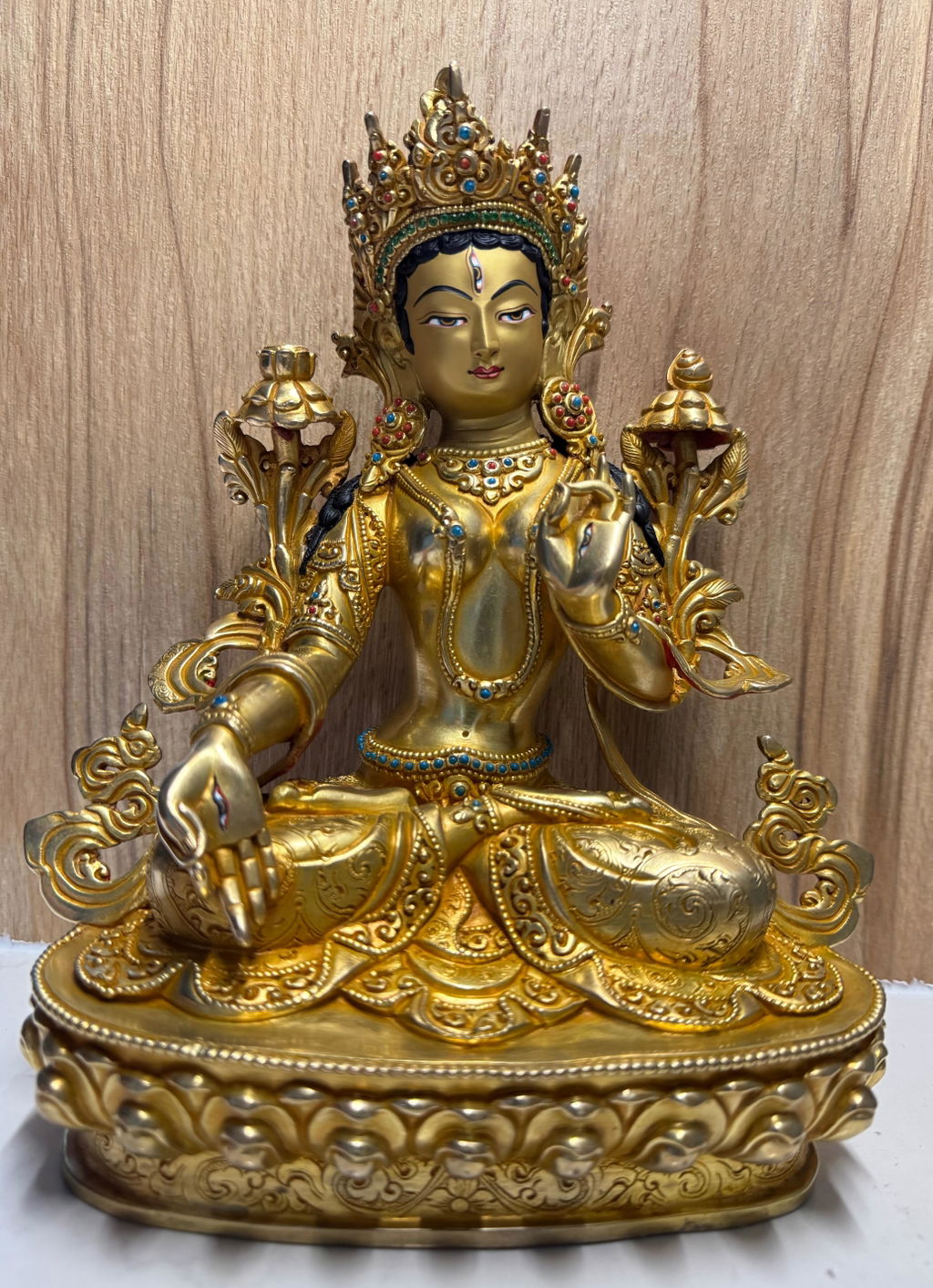
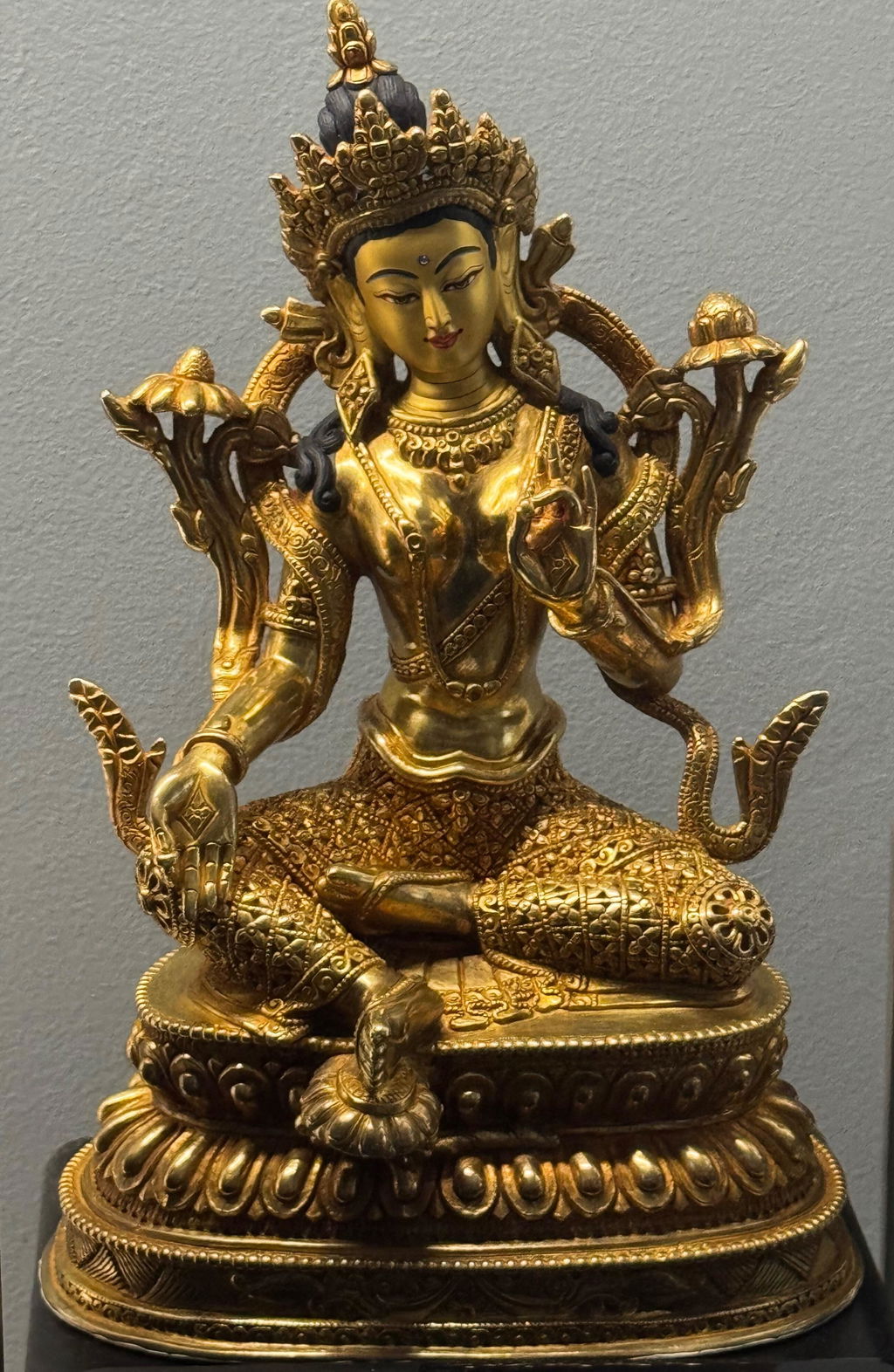
- Meditate on Green Tara with compassion in your heart
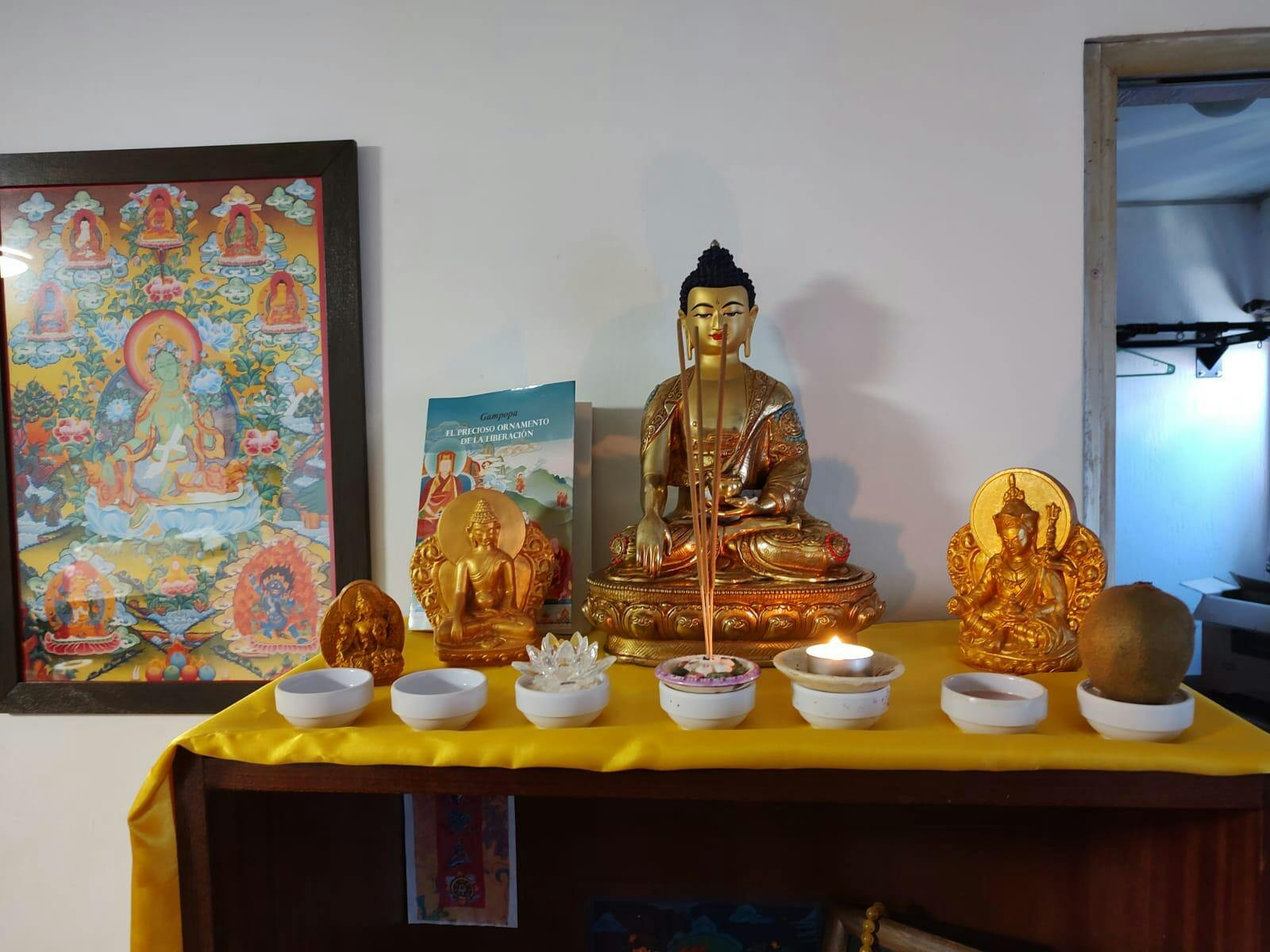
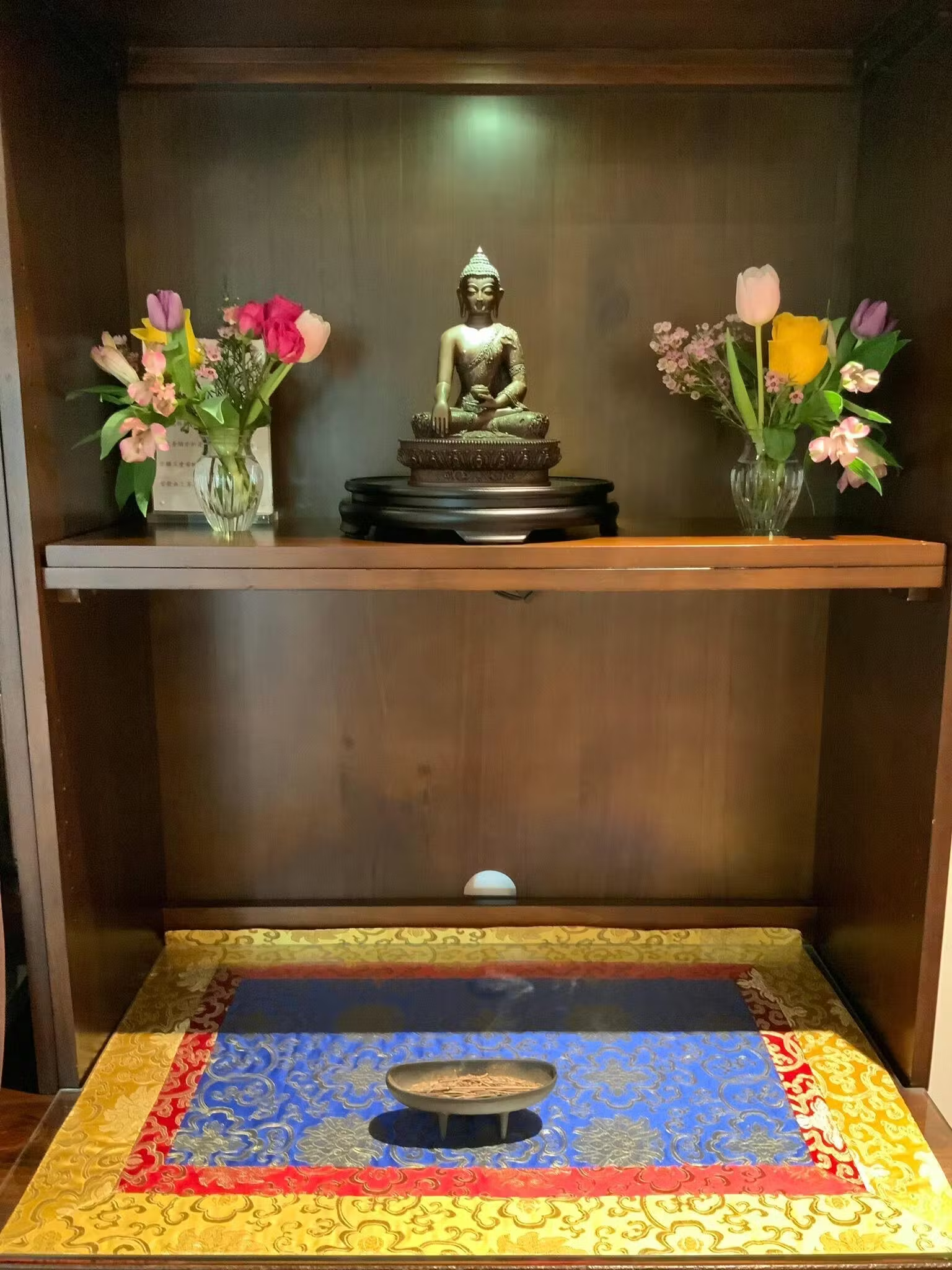
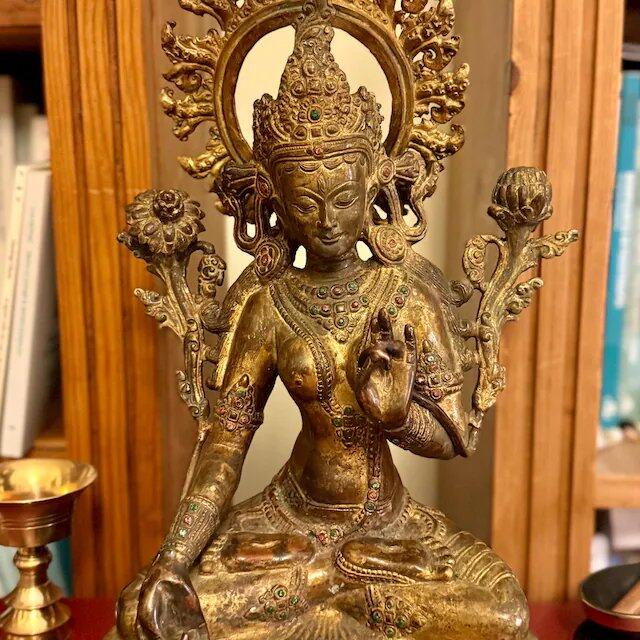
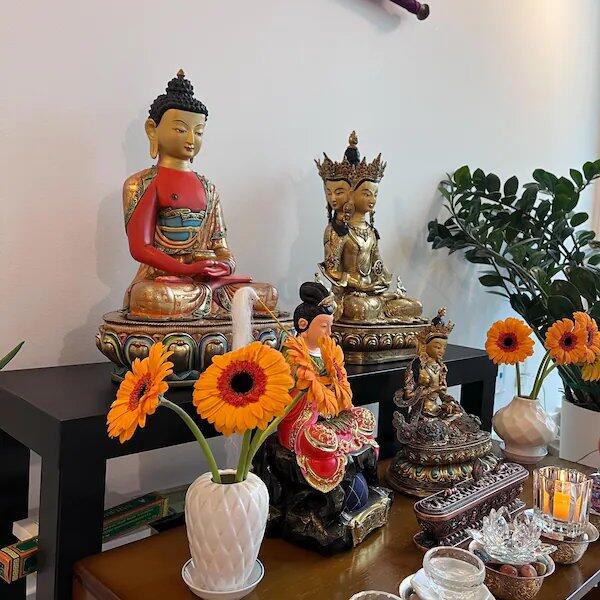
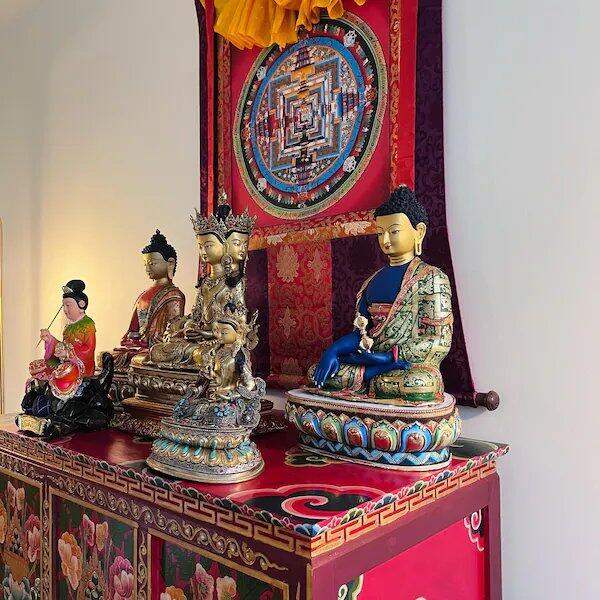
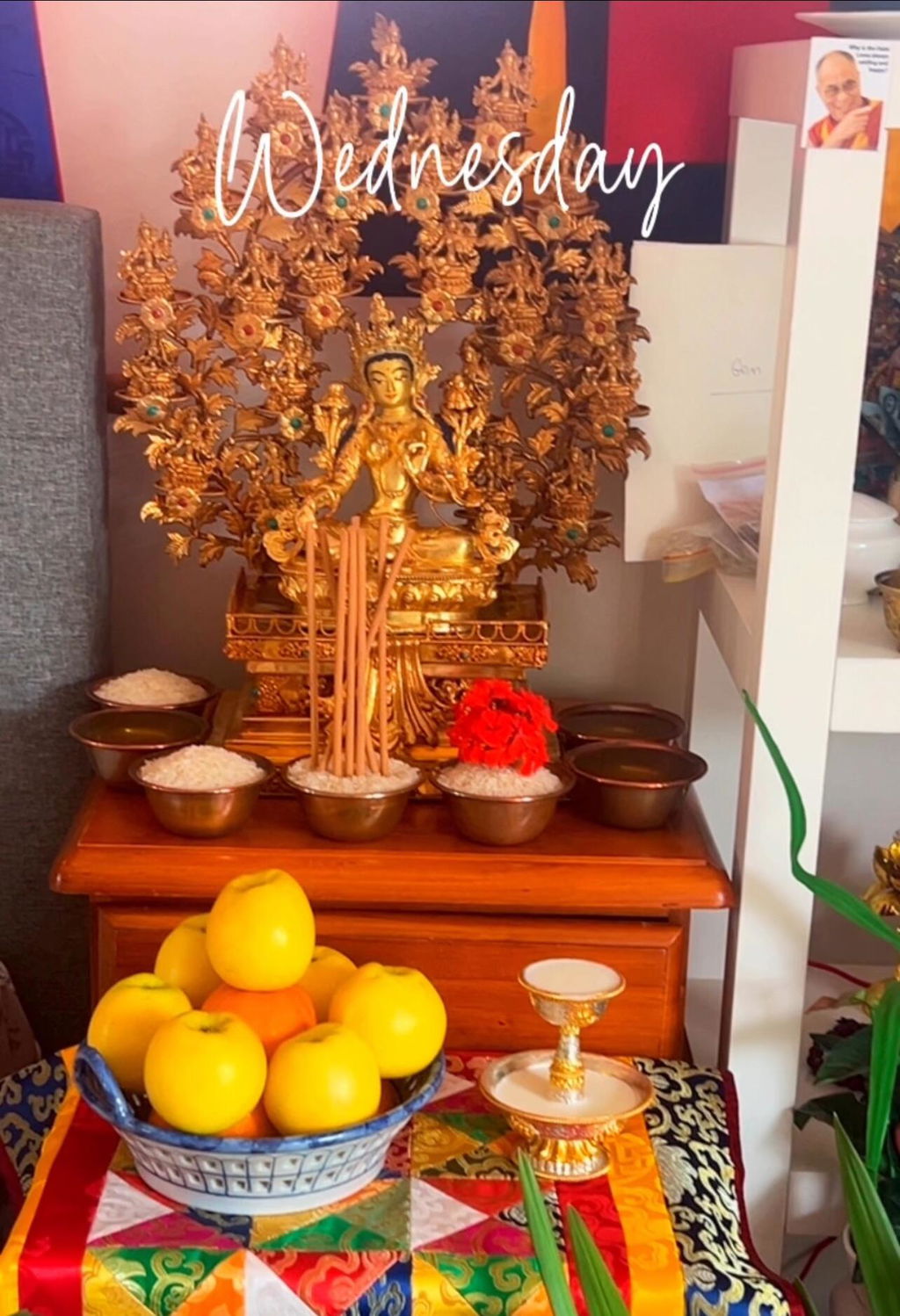
- Keep a Tara statue or thangka in a clean sacred space
- Dedicate your prayers for the benefit of all beings
Consistency and sincerity are more important than complexity.
Why the 21 Taras Matter in Modern Life
Modern life often brings stress, fear, emotional pressure, and uncertainty. The teachings of Tara remain deeply relevant because they remind us that compassionate wisdom is always available.
Each Tara represents an inner quality we can awaken: courage, calmness, abundance, clarity, healing, and fearless love.
This is why interest in the 21 Taras meaning and practice continues to grow worldwide.
Final Thoughts
The 21 Taras in Tibetan Buddhism represent the complete expression of enlightened compassion in action. Each Tara manifests according to the needs of beings, offering healing, protection, prosperity, wisdom, and liberation.
Whether you are exploring the 21 Taras names, seeking the meaning of Tara in Buddhism, or beginning a daily prayer practice, Tara offers a timeless path of support and awakening.
To know the 21 Taras is to discover that compassion has many forms, and each one is ready to guide you.


Share:
Vairocana: Meaning, Symbolism, and the Central Dhyani Buddha in Vajrayana Buddhism
Sariputra & Maudgalyayana: Two Great Disciples of Buddha