

Dashain and Tihar 2026: Celebrating Nepal’s Most Beloved Festivals
There is a different feeling in Nepal when Dashain and Tihar arrive.
The roads become busy with people returning home. Markets fill with flowers, fruits, traditional foods and new clothes. Homes are cleaned and decorated. Families make plans to gather, and streets that usually feel familiar suddenly become part of something much bigger.
For visitors, it is one of the most beautiful times to experience Nepal. For Nepalis, it is often much more personal.
Dashain and Tihar are two of Nepal’s most important festivals, bringing together religion, family, community, food, music and centuries-old cultural traditions. Although each festival has its own rituals and meaning, both share a powerful theme: reconnecting with the people, beliefs and traditions that give life meaning.
In 2026, Dashain begins with Ghatasthapana on October 11, with Vijaya Dashami falling on October 21. A few weeks later, Tihar begins with Kag Tihar on November 7, followed by Kukur Tihar and Laxmi Puja on November 8, and Bhai Tika on November 11.
What Makes Dashain and Tihar So Important in Nepal?
Dashain and Tihar are more than public holidays.
They are occasions when families make time for one another.
People who live in Kathmandu may travel to their ancestral villages. Those living in different parts of Nepal make long journeys to meet parents, grandparents, brothers, sisters and relatives. Nepalis living abroad may travel home or find other ways to celebrate with their families.
The traditions may differ from one household to another, but the feeling remains familiar.
Come home. Meet your family. Give blessings. Be grateful. Celebrate together.
That is an important part of the cultural meaning behind both Dashain and Tihar.
Dashain Festival in Nepal 2026
Dashain, also known as Bada Dashain, is one of the most widely celebrated festivals in Nepal.
The festival is traditionally connected with the worship of Goddess Durga and the victory of divine power over destructive forces. The story of Durga’s victory over Mahishasura is an important part of the festival’s religious symbolism.
For many people, Dashain represents the triumph of good over evil, courage over fear and hope over hardship.
But Dashain is also deeply connected with family. This is why the festival can feel just as meaningful inside a family home as it does during a religious ceremony.
When Is Dashain in Nepal in 2026?
The major Dashain dates in 2026 include:
- Ghatasthapana: October 11, 2026
- Phulpati: October 17, 2026
- Maha Ashtami: October 18, 2026
- Maha Navami: October 20, 2026
- Vijaya Dashami: October 21, 2026
Ghatasthapana and the Beginning of Dashain
Dashain begins with Ghatasthapana.
On this day, families begin the Navaratri observances and establish the sacred kalash. One of the most recognizable traditions is the planting of jamara, commonly grown from barley seeds.
The seeds are carefully placed in a protected area where they can grow during the festival.
Over the following days, the small shoots develop into the golden-green jamara that becomes an important part of Vijaya Dashami.
There is something beautifully symbolic about this tradition.
Dashain begins with a seed. By the time Tika arrives, that seed has grown into something that represents blessing, life and prosperity.
Phulpati, Maha Ashtami and Maha Navami
As Dashain progresses, the rituals become more significant.
Phulpati, observed on the seventh day, is one of the important Dashain traditions.
The eighth day, Maha Ashtami, is associated with powerful forms of Goddess Durga and devotional worship.
Then comes Maha Navami, the ninth day of Dashain.
Different communities and families observe these days in different ways. Some maintain traditional ritual practices while others celebrate in simpler forms at home.
This diversity is an important part of Nepal’s cultural landscape.
Vijaya Dashami and the Tradition of Tika
For many families, Vijaya Dashami is the heart of Dashain.
This is the day when families gather to receive tika and jamara from elders.
The tika is traditionally prepared using ingredients such as rice, yogurt and vermilion, although exact practices can differ between families.
Elders place tika and jamara on the foreheads of younger family members and offer blessings for health, happiness, prosperity and a good future.
The ritual itself may take only a few moments. The memories can last a lifetime.
A child sitting beside a grandparent. A family member returning home after a long absence. Relatives gathering around the same table.
These moments are what make Dashain so deeply personal.
Dashain Food, Swings and Kites
Dashain is not only about rituals. It is also about enjoying life.
Families prepare special meals and share food with relatives and guests. Traditional dishes vary across Nepal, but festive tables may include meat dishes, sel roti, achar, rice, dal, sweets and other family favorites.
Outside the home, ping, the traditional bamboo swing, becomes part of the festive atmosphere.
And then there are the kites.
During Dashain, the sky above many Nepalese cities becomes filled with colorful kites. For children especially, kite flying can become one of their favorite memories of the festival.
These simple traditions give Dashain its warmth.
From Dashain to Tihar
When Dashain ends, Nepal does not immediately return to ordinary life.
Another major festival is approaching.
Tihar.
If Dashain is strongly associated with family reunions, blessings and worship, Tihar brings a different kind of beauty.
The evenings become brighter. Flowers appear everywhere. Oil lamps glow beside doors and windows. Rangoli designs decorate entrances. Music fills neighborhoods, and dogs, cows and oxen are honored as part of the festival.
Tihar Festival in Nepal 2026
Tihar is often called the Festival of Lights.
It is celebrated over several days, with each day carrying its own traditions and symbolism.
Unlike festivals that focus on one central religious story, Tihar brings attention to several relationships: between humans and animals, between family members and between individuals and the divine.
In 2026, Tihar begins with Kag Tihar on November 7. Kukur Tihar and Laxmi Puja fall on November 8, Gai Puja is observed on November 9, Govardhan Puja and Mha Puja take place on November 10, and Bhai Tika falls on November 11.
Kag Tihar: Honoring the Crow
The first day is Kag Tihar.
Crows are traditionally offered food and respected during the day.
In traditional belief, crows have associations with messages and the world of ancestors. The offering therefore forms part of a wider tradition of remembrance and respect.
It is a quiet beginning to a festival that soon becomes filled with lights and celebration.
Kukur Tihar: A Day for Dogs
Then comes one of the most recognizable traditions of Tihar.
Kukur Tihar is dedicated to dogs.
Dogs are decorated with marigold garlands and tika and offered special food.
The tradition expresses appreciation for the loyalty and companionship of dogs and their longstanding relationship with human communities.
One of the beautiful things about Kukur Tihar is that the tradition can extend beyond household pets. Community dogs may also receive food, flowers and tika.
What began as a traditional festival practice has become one of the most recognizable cultural images of Nepal around the world.
Laxmi Puja and the Lights of Tihar
The evening of Laxmi Puja transforms Nepal.
Homes are cleaned and decorated before lamps are lit.
Diyas, candles and electric lights brighten courtyards, balconies, windows and doorways.
Rangoli designs are created near entrances, often using colorful powders, rice, flowers or other decorative materials.
Families worship Goddess Lakshmi, traditionally associated with wealth and prosperity.
Many households create a symbolic path from the entrance toward the place of worship, representing the welcoming of Lakshmi into the home.
When thousands of homes across a neighborhood light their lamps at the same time, the effect is extraordinary.
Tihar becomes a festival you can see from a distance.
The Beauty of Rangoli and Marigold Flowers
Tihar is perhaps Nepal’s most visually colorful festival.
Bright marigold garlands are placed around homes, temples and people. Rangoli patterns appear on the ground. Lamps create warm pools of light after sunset.
These decorations are not simply about making a home look beautiful.
Preparing them is part of the celebration.
Families work together. Children learn traditional designs. Flowers are arranged. Lamps are cleaned and lit.
The home becomes a shared creative space.
This is one of the reasons Tihar feels so alive.
Gai Tihar and Govardhan Puja
The third day of Tihar is associated with Gai Puja, or the worship of cows.
Cows have long held an important place in Nepalese religious and agricultural life, and the day is traditionally observed with offerings and respect.
The following day includes Govardhan Puja, traditionally associated with the worship of oxen.
For agricultural communities, oxen have historically played an important role in farming.
Tihar creates a moment to recognize these relationships and express gratitude toward animals that have supported human life.
Mha Puja and Nepal Sambat
For the Newar communities of the Kathmandu Valley, Tihar has another important dimension.
Mha Puja is observed on the fourth day and is a Newar tradition centered on self-worship, spiritual renewal and appreciation of one’s own life.
The day also coincides with the beginning of Nepal Sambat, the traditional Newar calendar.
In 2026, Nepal Sambat 1147 begins on November 10.
Mha Puja is a beautiful example of how one festival can contain different traditions practiced by different communities throughout Nepal.
Bhai Tika: Celebrating the Bond Between Brothers and Sisters
The final major day of Tihar is Bhai Tika.
This is a special day for brothers and sisters.
Sisters traditionally perform a ceremony for their brothers and place the distinctive Tihar tika on their foreheads. Gifts, food and blessings are exchanged.
The ceremony represents wishes for long life, protection, happiness and prosperity.
For siblings who live far apart, Bhai Tika can be an especially meaningful occasion.
Some travel across the country to be together. Others connect from overseas.
The distance may be different, but the relationship remains.
Deusi and Bhailo: When the Neighborhood Comes Alive
Once the lamps are lit, the sound of Deusi and Bhailo begins to spread through many neighborhoods.
Groups of friends, families and young people visit homes and perform traditional songs.
Hosts offer food, money or other gifts to the performers.
The tradition creates a sense of community that is difficult to reproduce at any other time of year.
For visitors experiencing Nepal during Tihar, hearing Deusi and Bhailo in the evening can become one of the most memorable parts of the festival.
Dashain and Tihar: Two Festivals, One Cultural Heart
Dashain and Tihar have different traditions.
Dashain centers strongly around Durga worship, family blessings, Tika and Jamara.
Tihar focuses on lights, Lakshmi Puja, animals, Mha Puja, Deusi Bhailo and the relationship between brothers and sisters.
Yet there is something that connects them.
Both bring people closer to home.
Both encourage families to pause their everyday routines.
Both create opportunities to respect elders.
Both preserve traditions passed from one generation to another.
And both show how Nepalese culture remains connected to family, spirituality, community and gratitude.
Nepalese Art and the Festival Season
Festivals in Nepal are also closely connected with art.
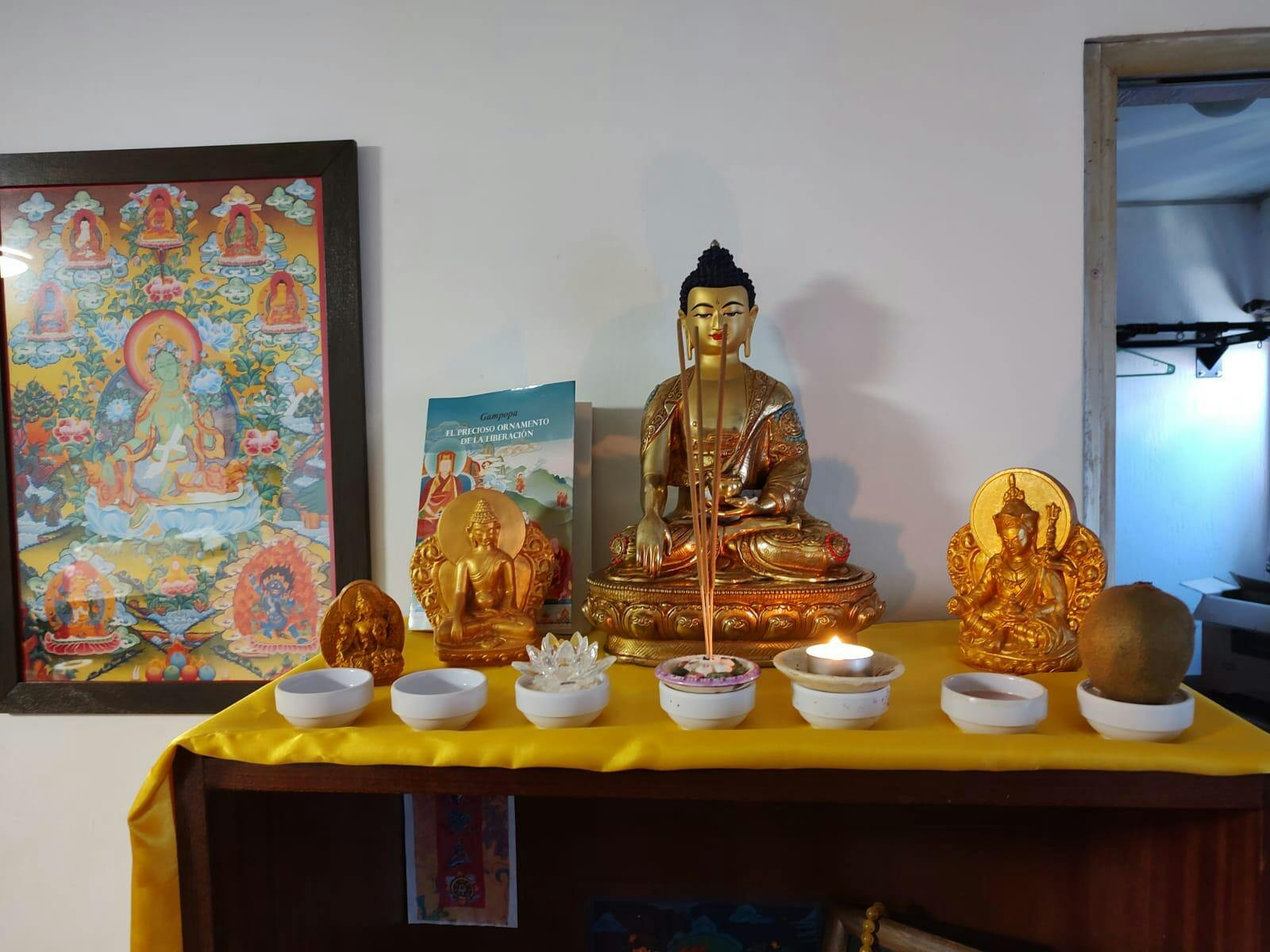
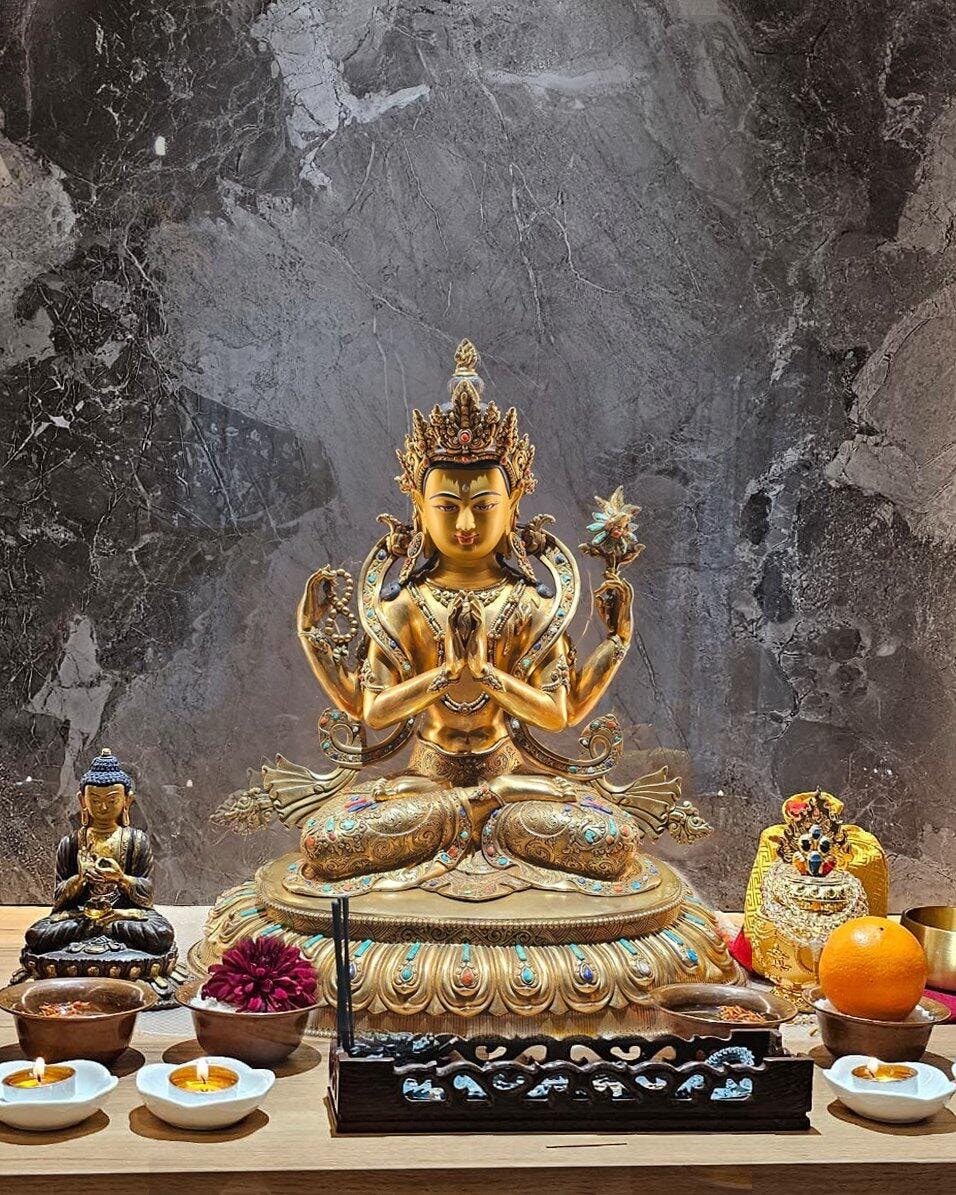
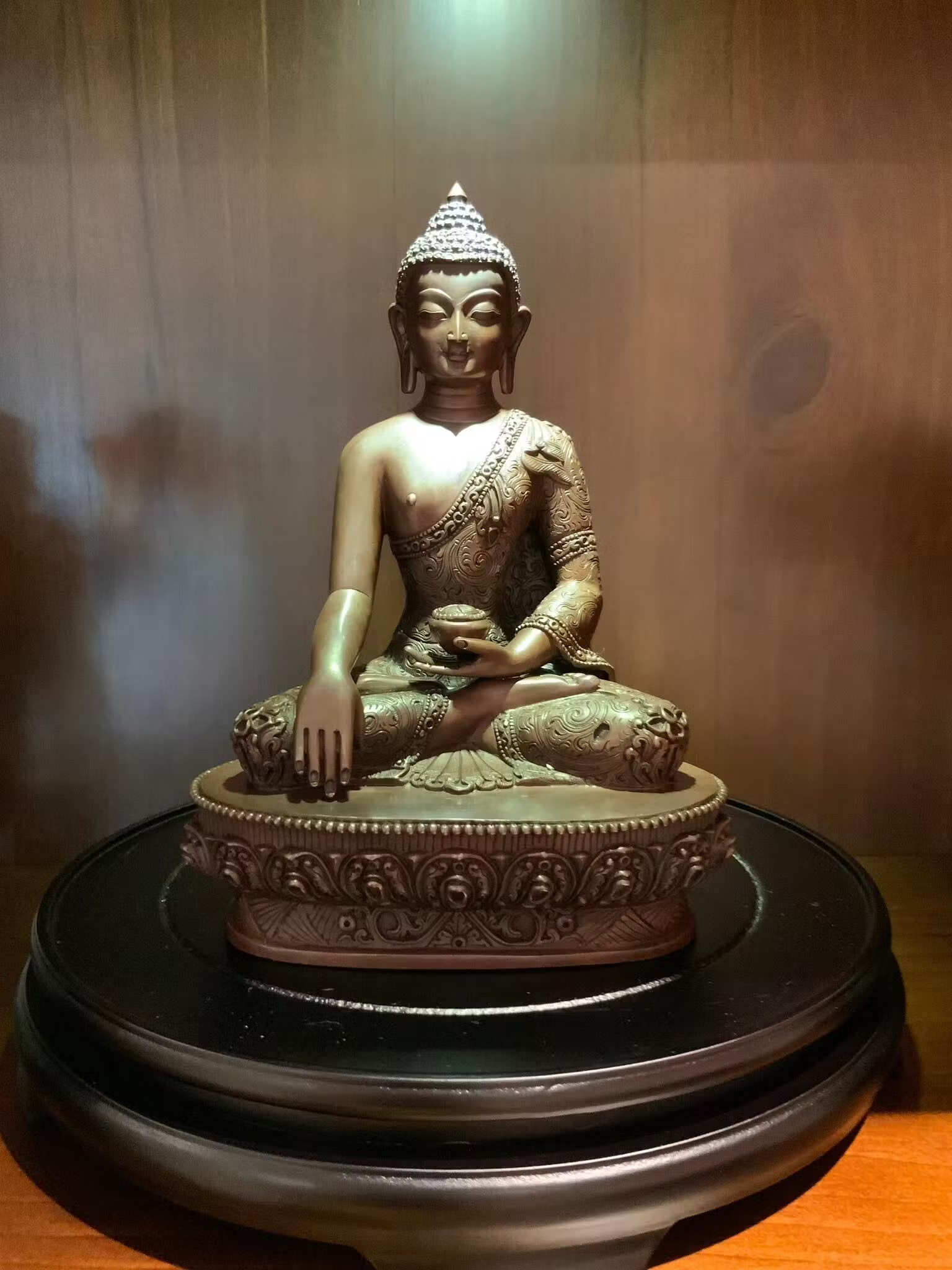
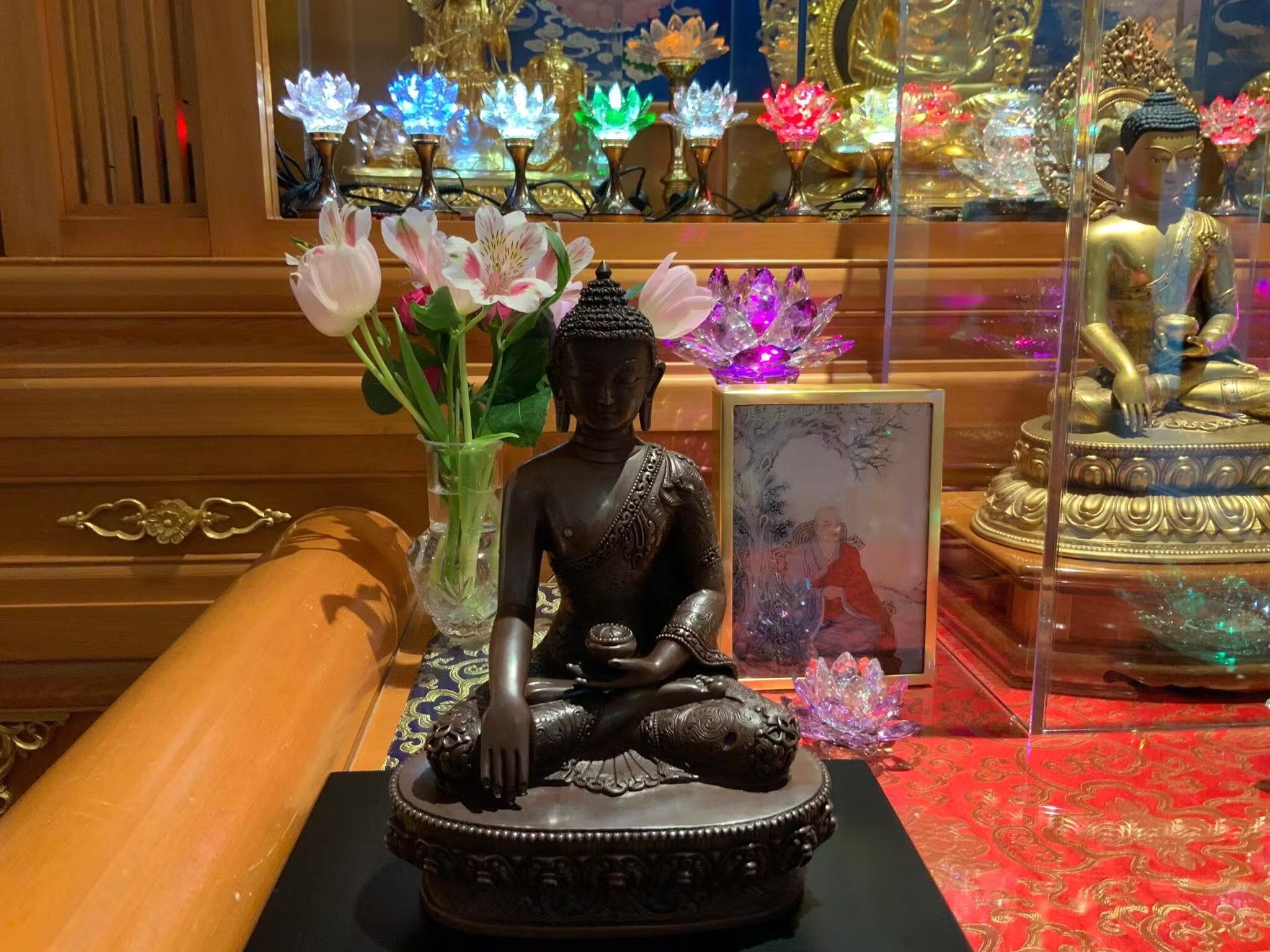
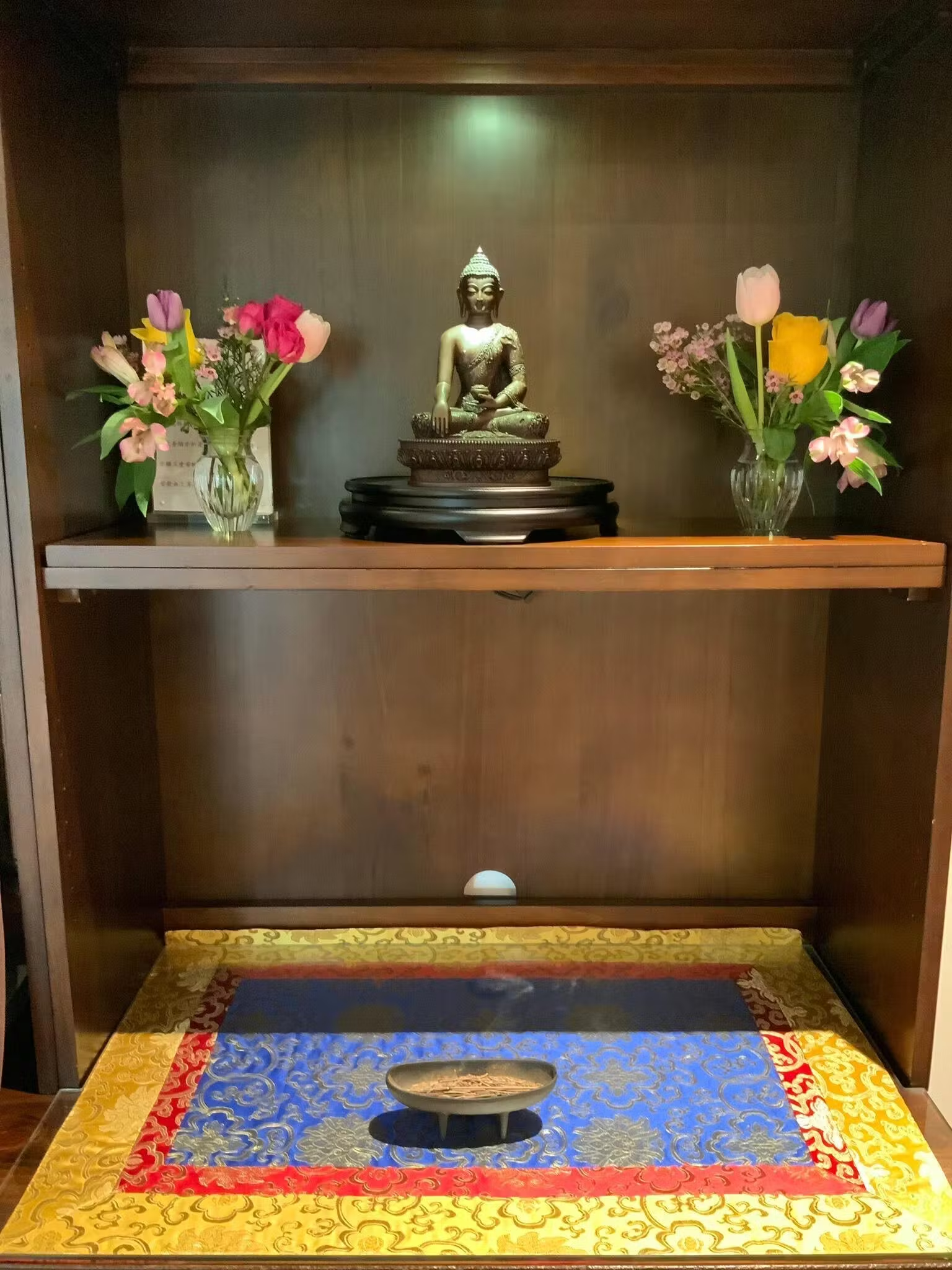
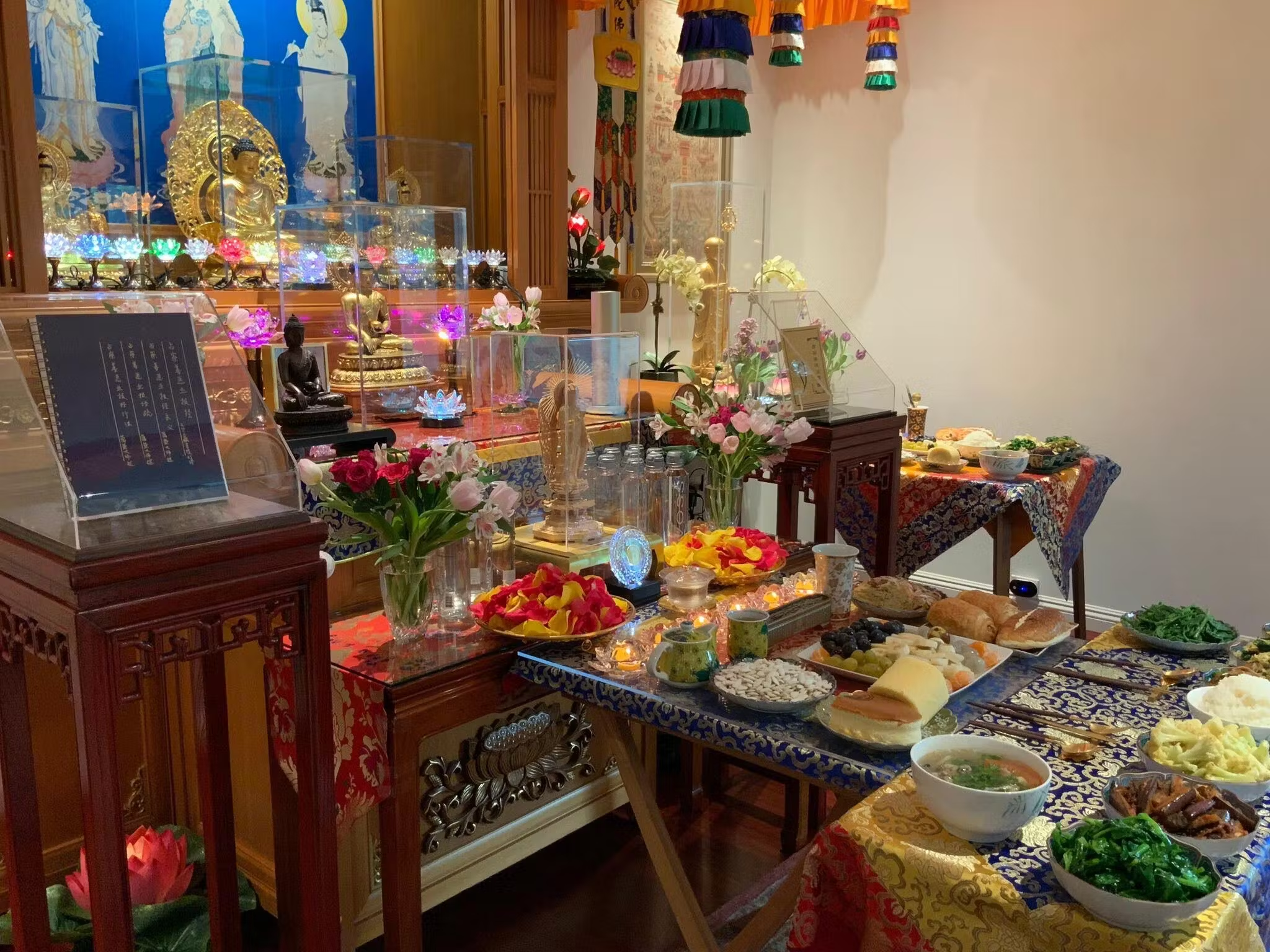
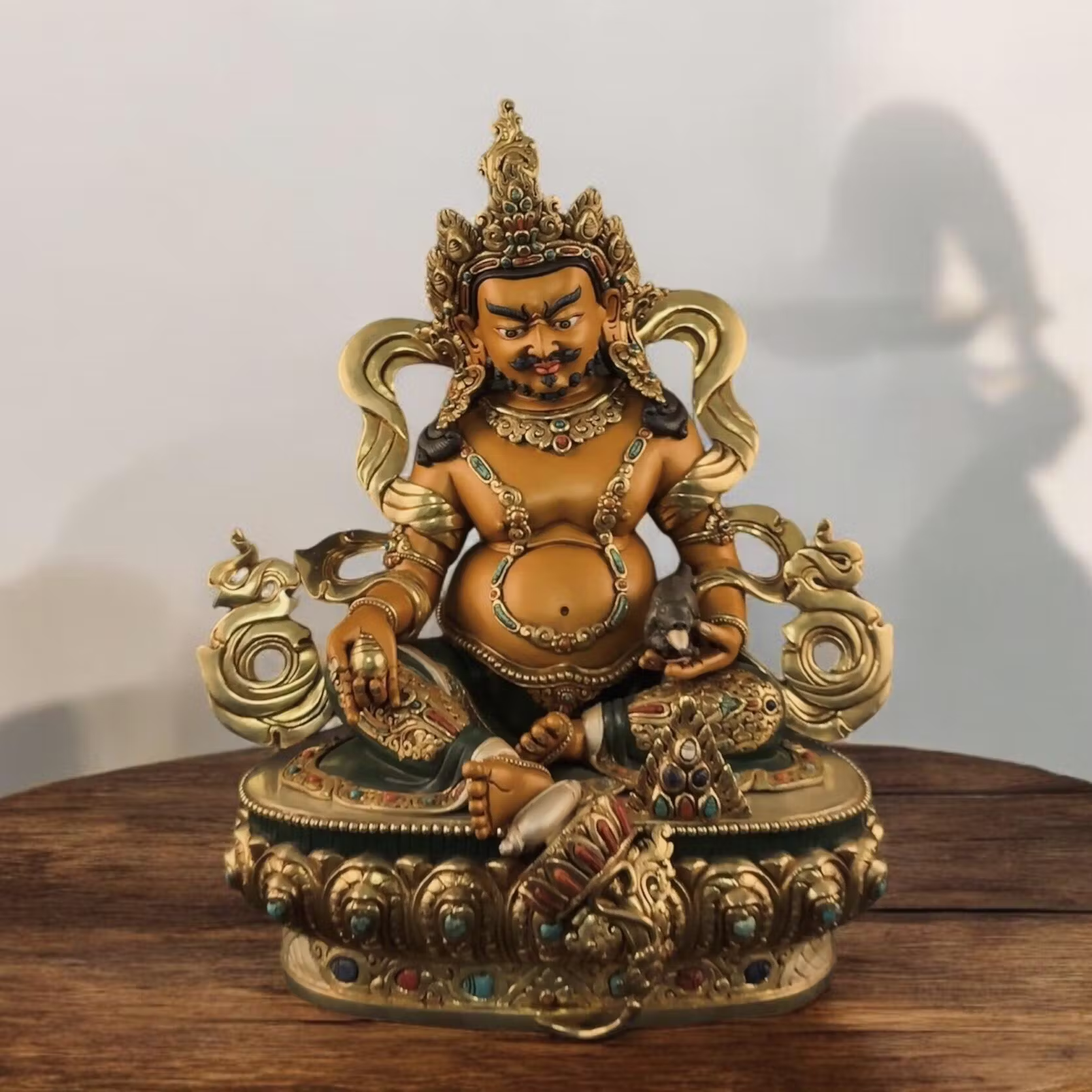
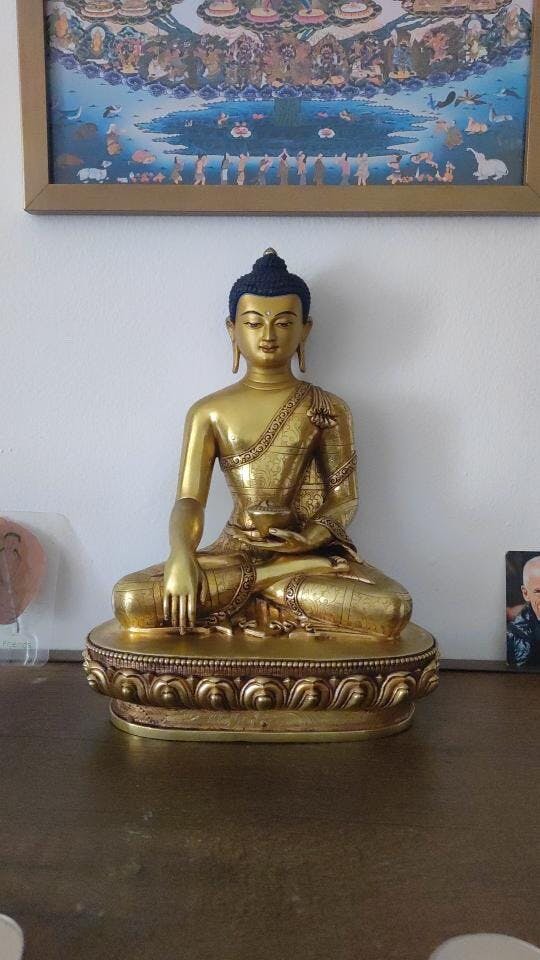
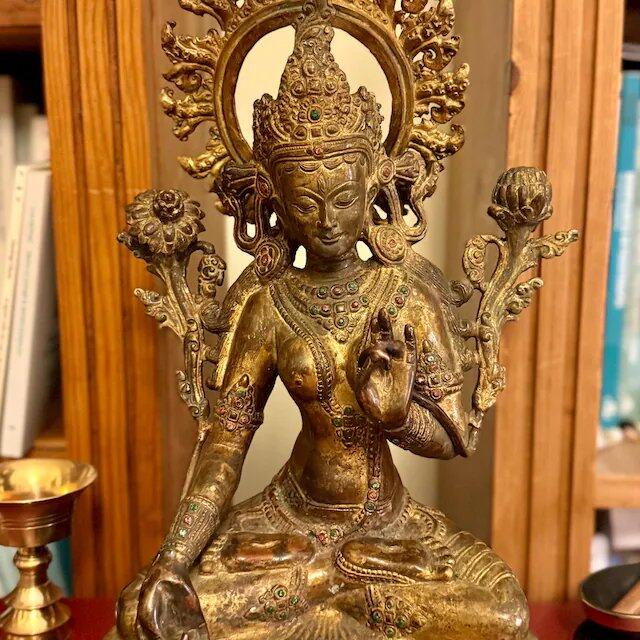
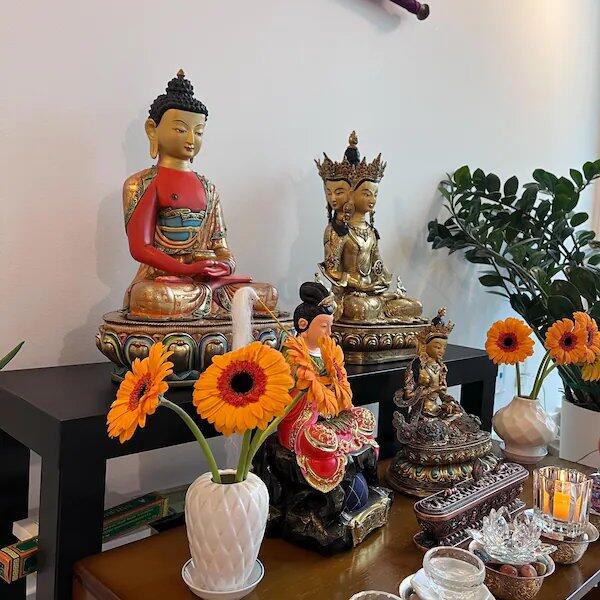
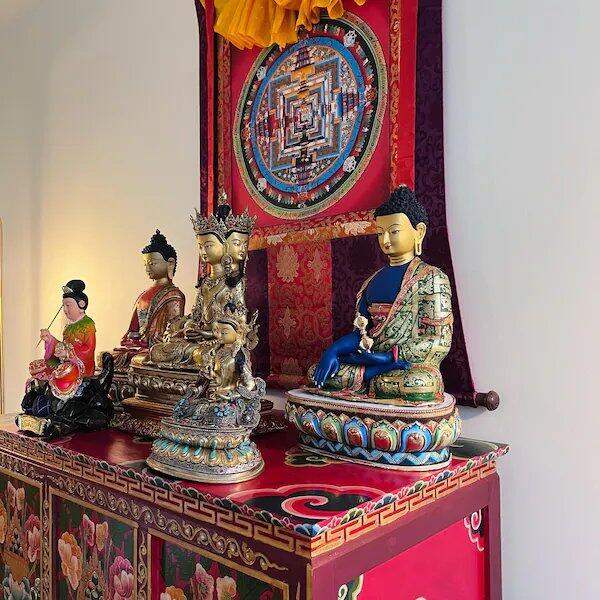
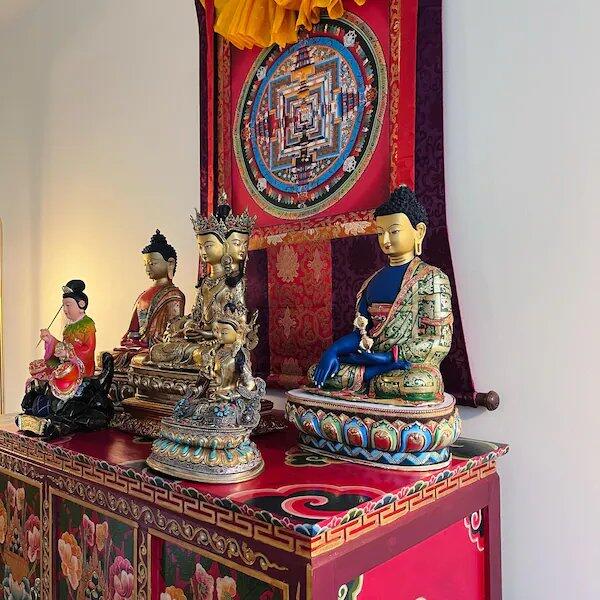
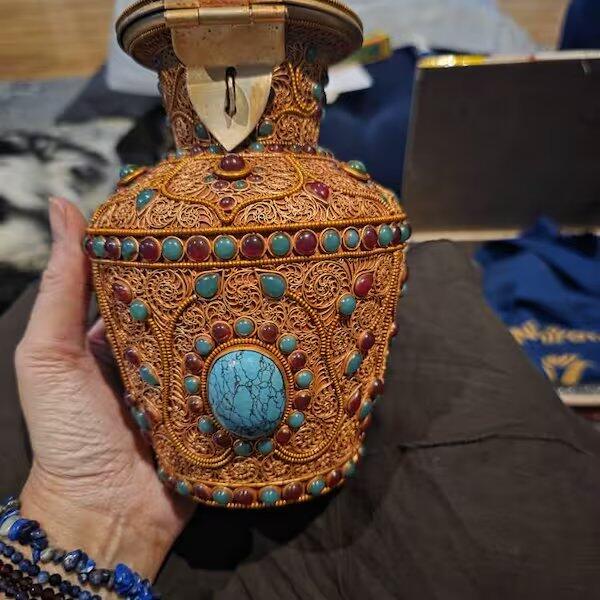
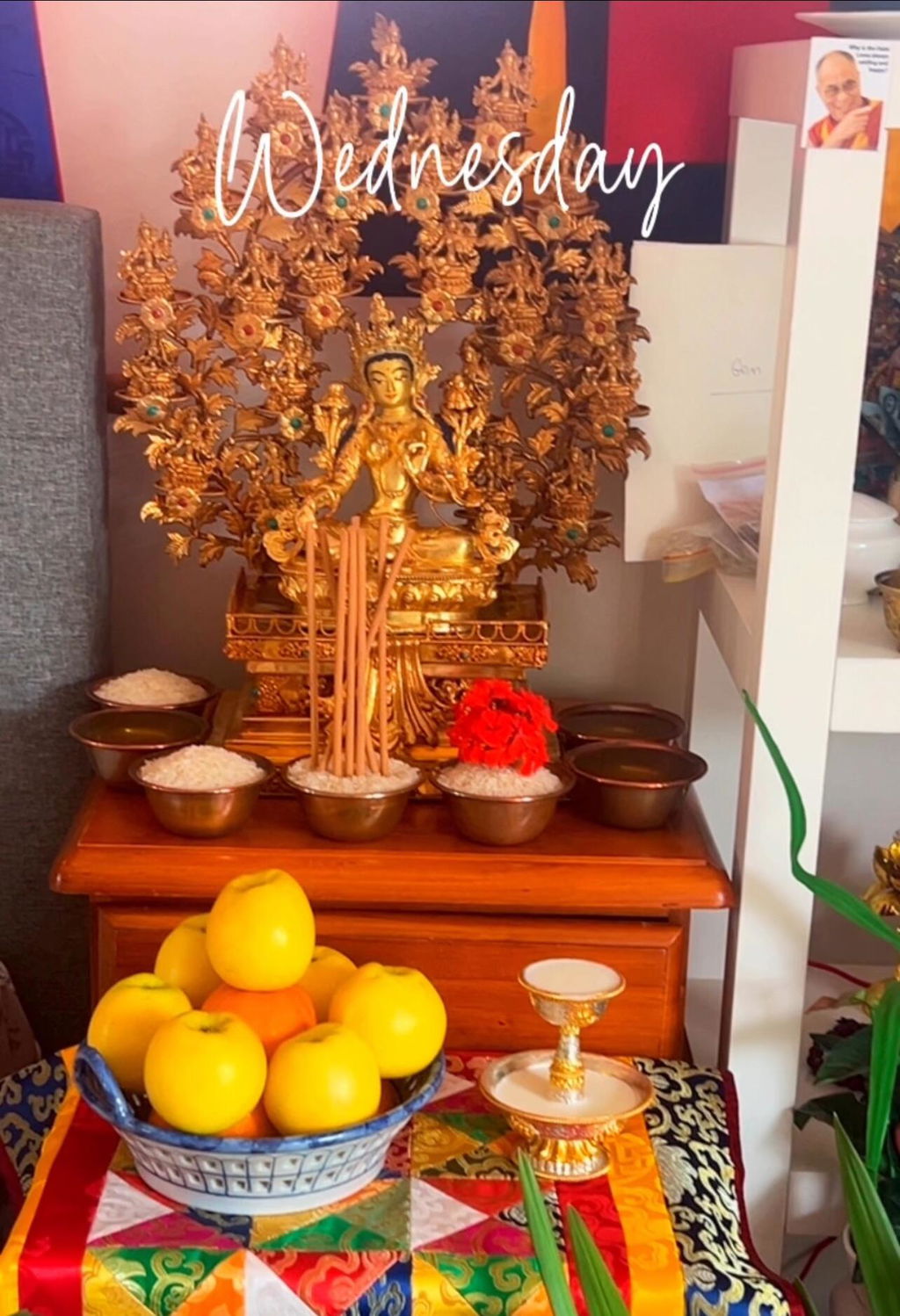
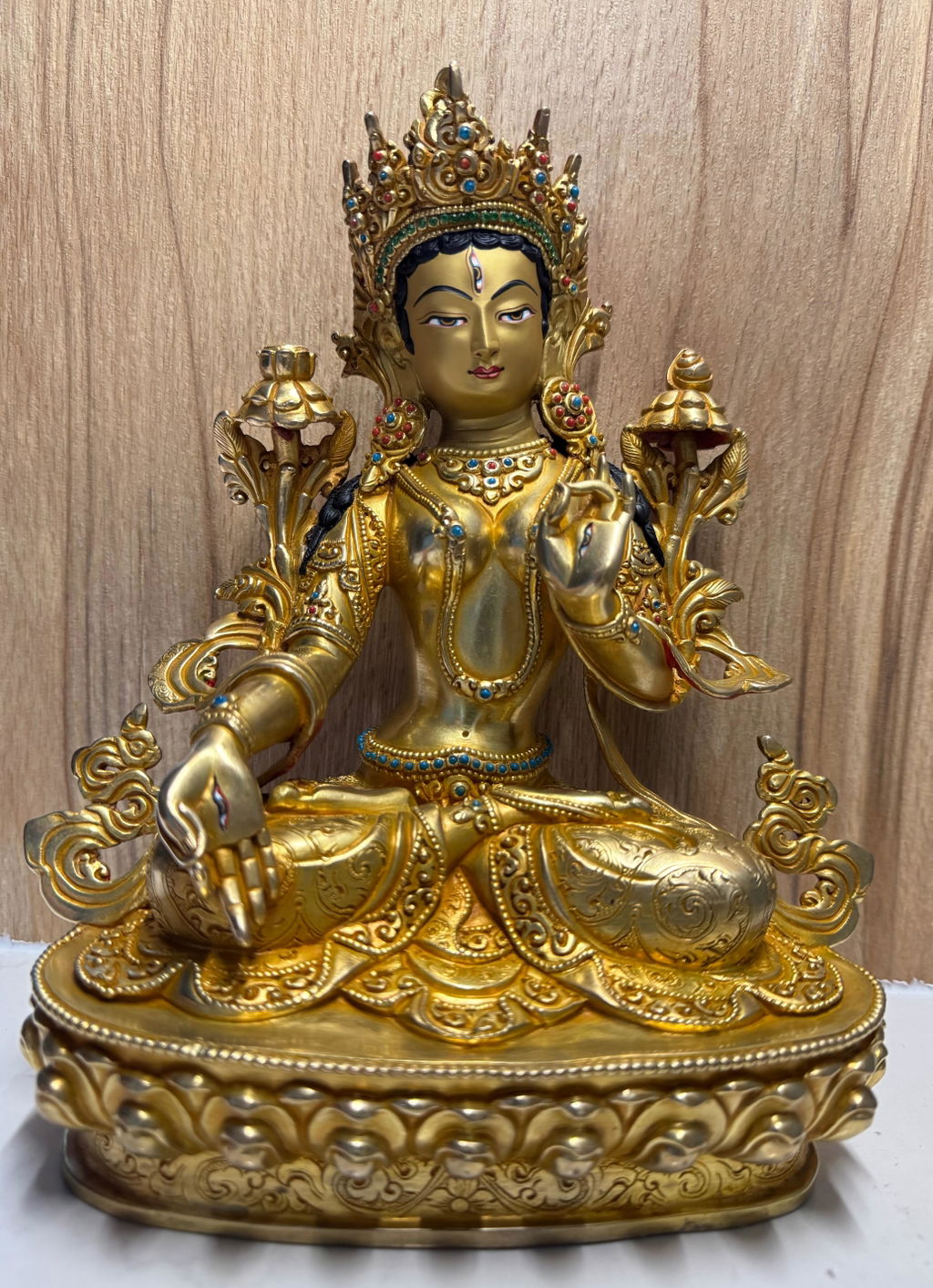
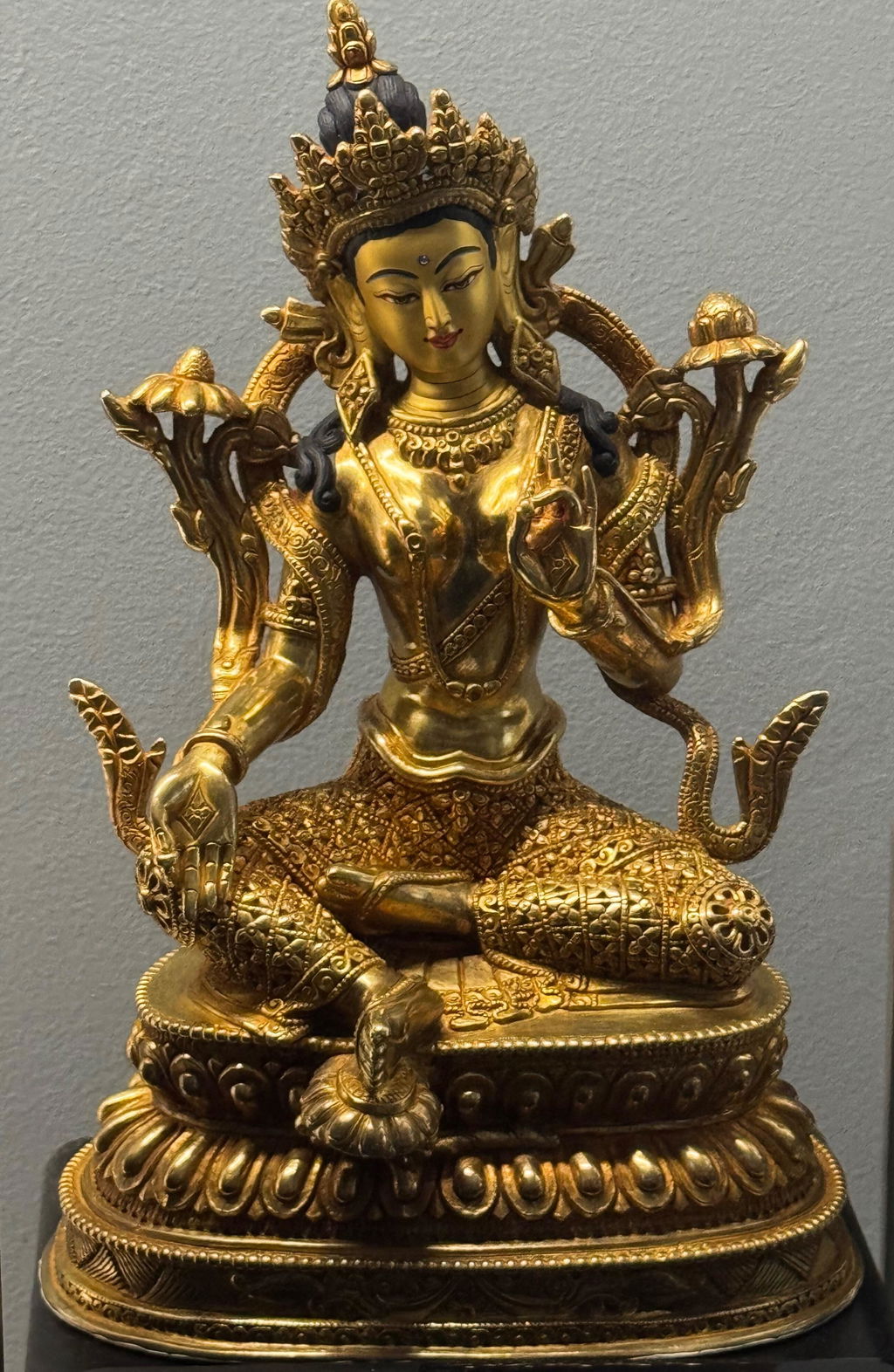
During Dashain and Tihar, homes and temples become places where traditional objects, sacred images, lamps, ritual vessels, textiles and sculptures are appreciated as part of everyday cultural life.
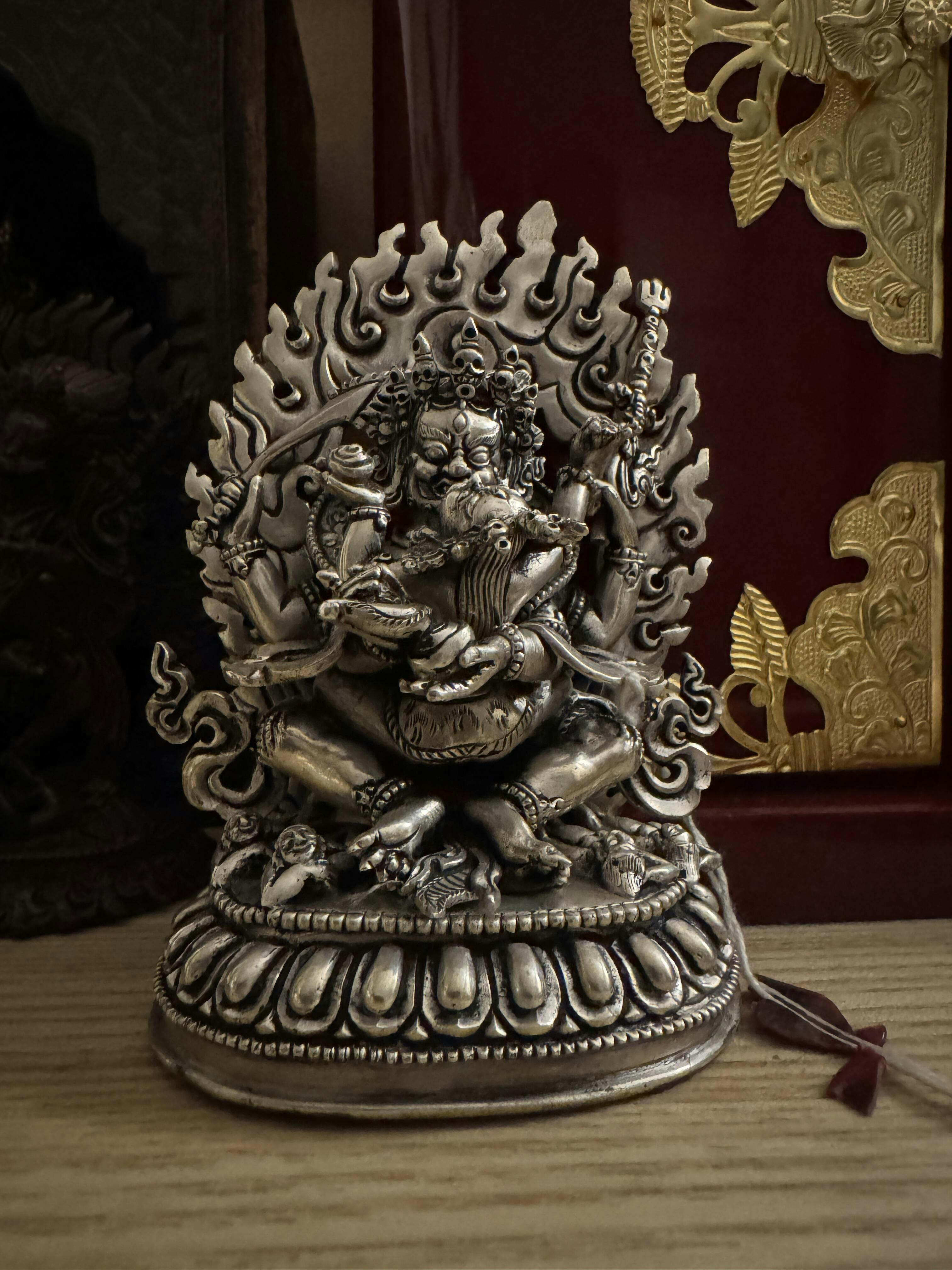
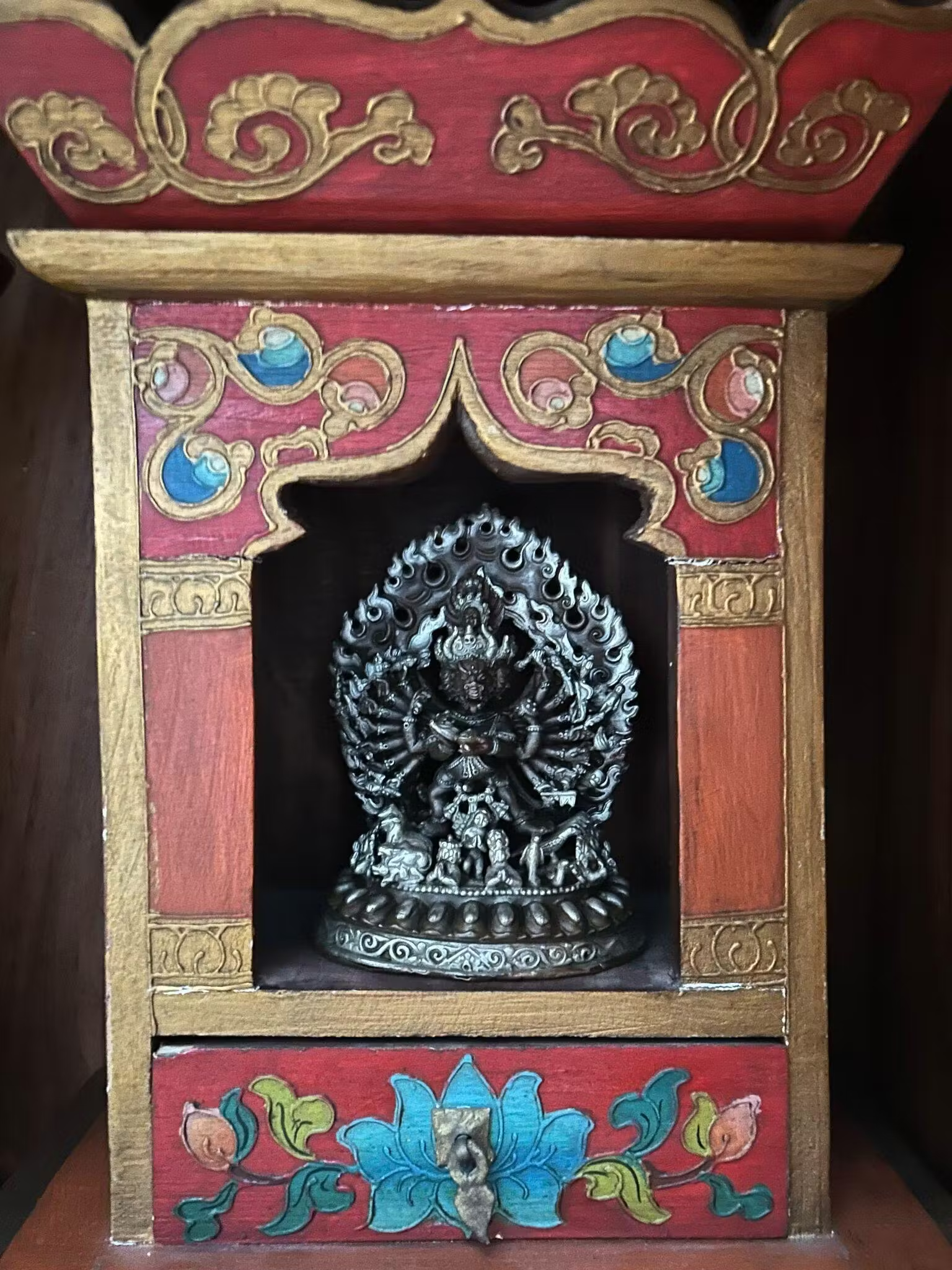
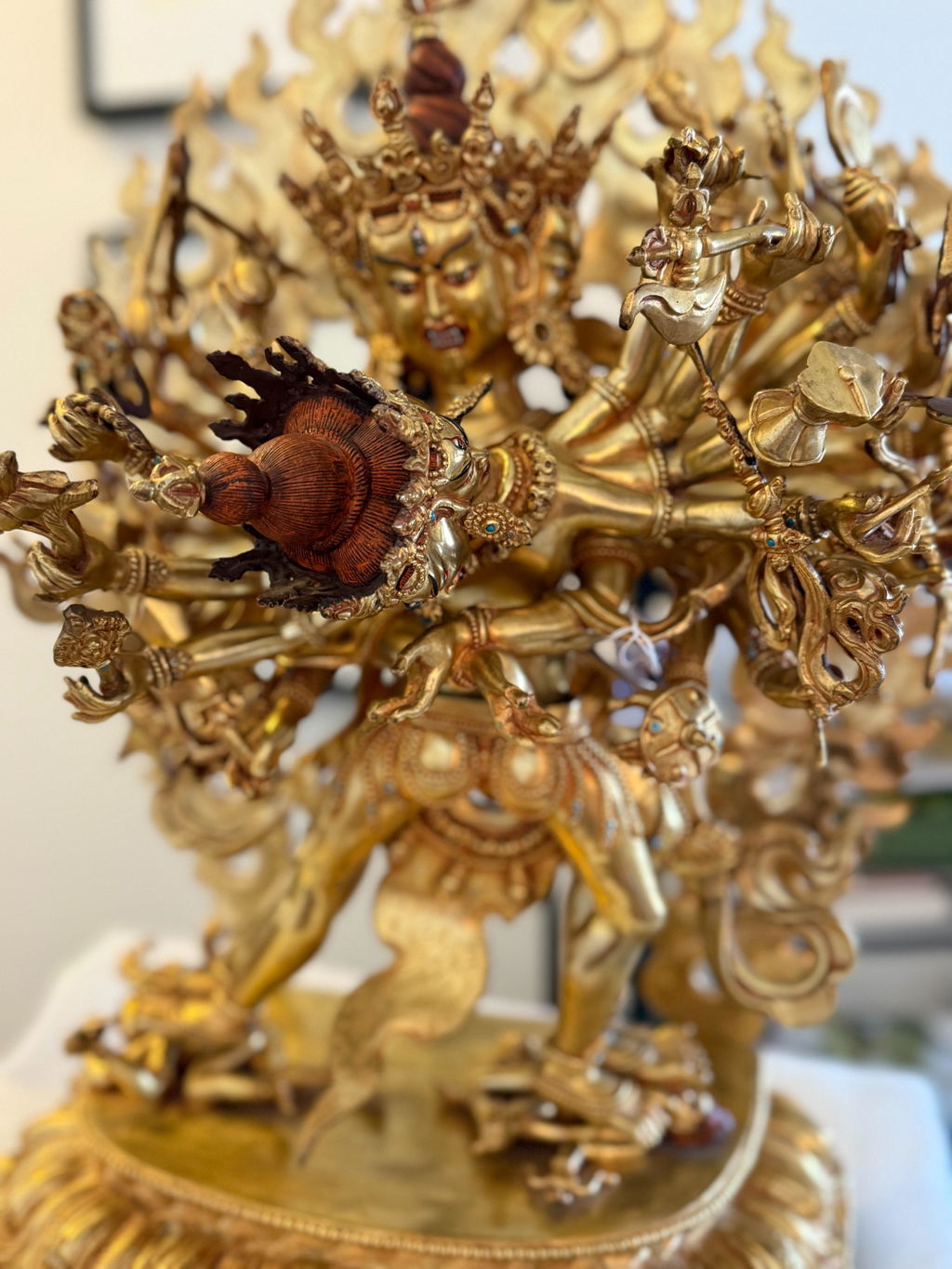
The Kathmandu Valley has a particularly rich tradition of religious metalwork.
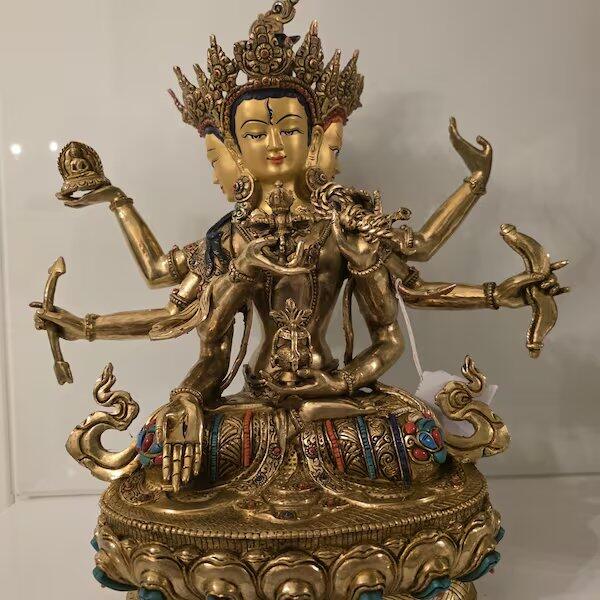
For generations, Newari artisans from Patan, Kathmandu and surrounding areas have practiced highly refined metalworking traditions, creating sacred sculptures using techniques passed from one generation to the next.
These works are more than decorative objects.
They carry stories. They represent deities and spiritual ideas. They preserve craftsmanship. And they create a physical connection between today’s homes and Nepal’s artistic heritage.
At Nidhiratna, this connection is at the heart of what we do.
Our work is rooted in the idea that Nepalese art should not simply be admired as something from the past. It can continue to live in homes, meditation spaces, altars and collections around the world.
Experiencing Dashain and Tihar in Nepal
If you are visiting Nepal during the festival season, the experience goes far beyond sightseeing.
You may see families traveling with bags of gifts.
You may encounter busy markets filled with flowers and festive foods.
You may hear traditional music in the evening.
You may see children flying kites during Dashain and neighborhoods glowing with lamps during Tihar.
But the most meaningful experiences often happen in ordinary places.
A family preparing food.
An elder giving blessings.
A child learning how to make rangoli.
A dog receiving a marigold garland.
A group of young people singing Deusi.
These small moments tell the story of Nepal better than any single monument can.
Dashain and Tihar 2026: A Season of Tradition
In 2026, Nepal will once again move through this beautiful sequence of celebrations.
Dashain begins with Ghatasthapana on October 11 and reaches its central Tika celebration on October 21. Tihar follows in November, beginning with Kag Tihar on November 7 and continuing through Bhai Tika on November 11.
The dates will eventually pass.
The lamps will go out.
The tika will fade.
The jamara will dry.
The flowers will disappear.
But the memories remain.
That may be the most beautiful thing about Nepal’s festivals.
They remind us that culture is not only found in temples, museums or ancient monuments.
Culture lives in the things people continue to do.
In the food prepared by a family.
In the blessing given by an elder.
In the flowers placed around a home.
In the songs heard in a neighborhood.
In the sacred art created by an artisan.
And in the decision to keep these traditions alive for another generation.
Dashain and Tihar are not simply festivals on Nepal’s calendar. They are living expressions of Nepalese culture, family, faith and heritage.
Frequently Asked Questions About Dashain and Tihar
When is Dashain in Nepal in 2026?
Dashain begins with Ghatasthapana on October 11, 2026. The main Vijaya Dashami Tika celebration falls on October 21, 2026.
When is Tihar in Nepal in 2026?
Tihar begins with Kag Tihar on November 7, 2026, and continues through Bhai Tika on November 11, 2026.
What is the difference between Dashain and Tihar?
Dashain is strongly associated with Goddess Durga, family blessings, Tika and Jamara, while Tihar is known for the Festival of Lights, Laxmi Puja, animal worship, Mha Puja, Deusi Bhailo and Bhai Tika.
Why is Dashain important in Nepal?
Dashain is important for its religious traditions, family reunions, blessings and cultural practices that connect generations across Nepal.
Why is Tihar called the Festival of Lights?
Tihar is known as the Festival of Lights because homes, courtyards and streets are decorated with oil lamps, candles and electric lights, particularly during Laxmi Puja.
What is Kukur Tihar?
Kukur Tihar is the day of Tihar dedicated to dogs. Dogs are traditionally honored with marigold garlands, tika and food as an expression of appreciation and respect.
What is Bhai Tika?
Bhai Tika is the final major day of Tihar and celebrates the bond between brothers and sisters through a traditional ceremony, tika, blessings, food and gifts.


Share:
Life of Shakyamuni Buddha | Story of Siddhartha Gautama