

Goddess Laxmi is one of the most beloved and widely worshipped goddesses in Hinduism. Revered as the Goddess of Wealth, Fortune, Prosperity, and Abundance, she represents much more than material riches. Her presence symbolizes harmony, beauty, generosity, good fortune, and the blessings that help individuals and families lead meaningful lives.
Known by several names, including Lakshmi, Laxmi Mata, Shri, Padma, and Kamala, she holds a special place in Hindu religious traditions. Devotees worship Goddess Laxmi with the hope of receiving prosperity, happiness, spiritual well-being, and success in their personal and professional lives.
Her graceful appearance, lotus throne, golden ornaments, and symbolic gestures carry deeper meanings that have inspired generations of devotees, artists, and craftspeople. From traditional temples to household shrines, images and statues of Goddess Laxmi remain important expressions of faith and devotion.
But who is Goddess Laxmi, what do her symbols represent, and why is she worshipped so widely? Let's explore her meaning, mythology, symbolism, and spiritual significance in Hinduism.
Who Is Goddess Laxmi in Hinduism?
Goddess Laxmi is the Hindu goddess of wealth, prosperity, fortune, beauty, and abundance. She is traditionally regarded as the divine consort of Lord Vishnu, the preserver and protector of the universe. Together, Vishnu and Laxmi represent the balance between preservation, prosperity, and harmony in the cosmic order.
In Hindu belief, Goddess Laxmi is not simply associated with money or material possessions. Her blessings are also understood through good health, happiness, family well-being, wisdom, generosity, and spiritual fulfillment.
She is often worshipped by people seeking success in business, stability in their households, and favorable beginnings in new ventures. For many devotees, worshipping Laxmi is also a reminder to value honesty, gratitude, generosity, and responsible use of wealth.
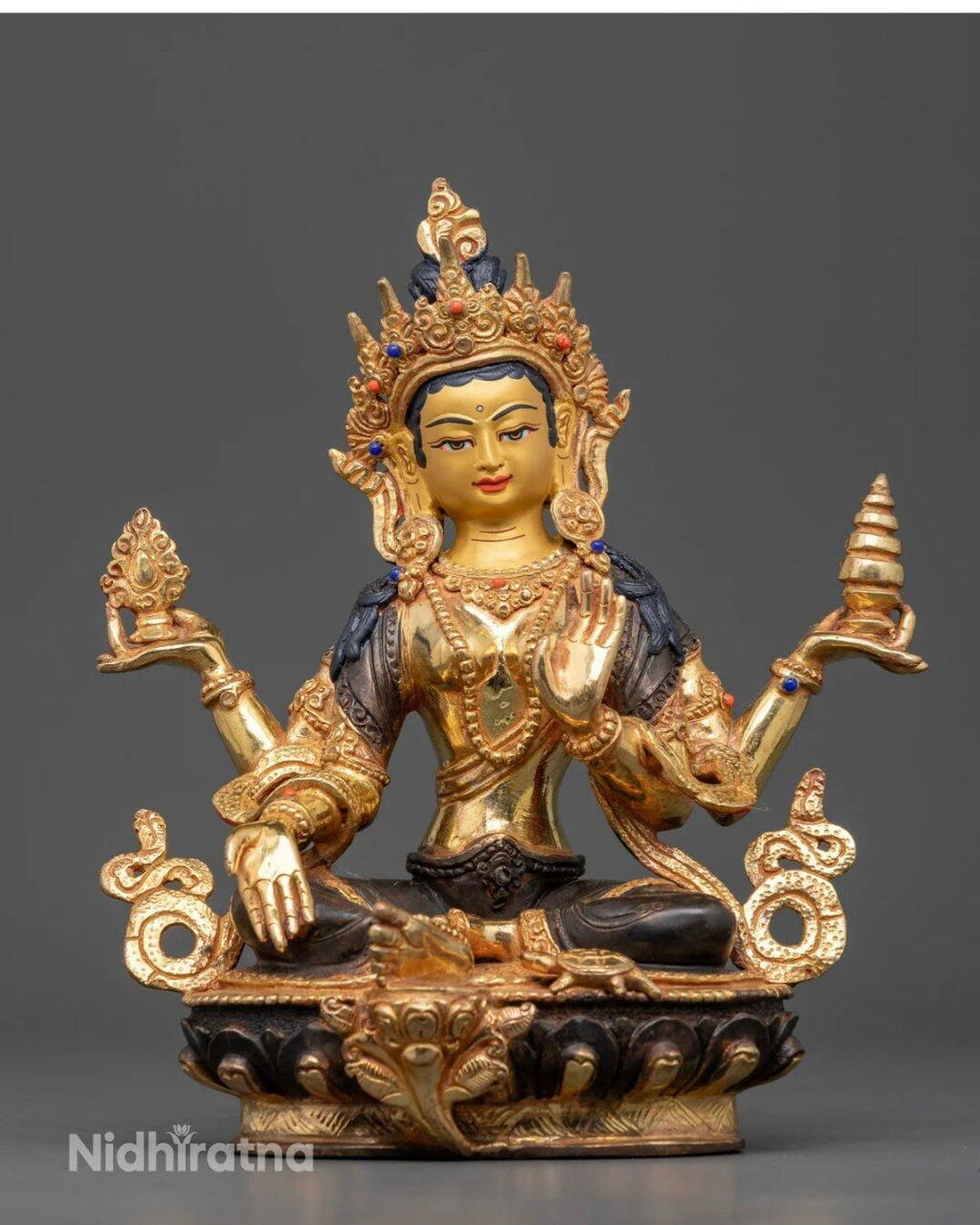
Goddess Laxmi is commonly portrayed with four arms, seated or standing on a fully blossomed lotus. Her hands may hold lotus flowers, display protective and blessing gestures, or release streams of gold coins. These visual elements communicate her association with abundance, purity, and good fortune.
The Origin and Birth of Goddess Laxmi
One of the most celebrated stories about Goddess Laxmi appears in Hindu mythology through the Samudra Manthan, or Churning of the Ocean of Milk.
According to this story, the Devas and Asuras joined forces to churn the cosmic ocean in search of Amrita, the divine nectar of immortality. They used Mount Mandara as the churning rod and the serpent Vasuki as the rope. During this extraordinary event, several divine treasures and beings emerged from the ocean.
Among them was Goddess Laxmi, who appeared in radiant beauty, seated upon a lotus. Her arrival was considered an auspicious event, symbolizing the return of fortune, abundance, and divine grace.
Lord Vishnu welcomed her as his consort, and she became closely associated with his role in preserving the universe.
The story of Samudra Manthan carries an important symbolic message. Prosperity is not always immediate or effortless. It can emerge through patience, cooperation, perseverance, and the ability to overcome challenges.
What Does Goddess Laxmi Represent?
The meaning of Goddess Laxmi extends beyond financial success. Her divine qualities are associated with different forms of abundance that contribute to a balanced and fulfilling life.
1. Wealth and Material Prosperity
Goddess Laxmi is most widely recognized as the goddess of wealth and financial prosperity. Devotees worship her for success in business, economic stability, fruitful investments, and opportunities for growth.
Her association with gold, precious ornaments, and flowing coins represents abundance and the blessings of material well-being. Her symbolism also encourages people to use wealth responsibly and share their prosperity with others.
2. Good Fortune and Success
Laxmi is revered as the giver of good fortune and favorable opportunities. Many devotees begin new businesses, purchase property, or undertake important activities on auspicious occasions associated with her worship.
Her blessings symbolize hope, confidence, and the possibility of positive beginnings.
3. Beauty and Harmony
Goddess Laxmi is also associated with beauty, grace, and harmony. Her elegant appearance and lotus seat represent purity and the presence of divine beauty in the world.
Her symbolism reminds devotees that true prosperity includes peaceful relationships, a harmonious home, and a balanced way of life.
4. Spiritual Abundance
Beyond worldly possessions, Goddess Laxmi represents the richness of a life guided by good values, gratitude, generosity, and devotion.
Her spiritual significance encourages people to recognize that abundance can also be found in kindness, wisdom, contentment, and meaningful relationships.
Goddess Laxmi Symbols and Their Meanings
Traditional depictions of Goddess Laxmi contain several important symbols. Each element contributes to her identity and communicates a particular aspect of prosperity and divine grace.
The Lotus Flower
The lotus is one of the most recognizable symbols associated with Goddess Laxmi. She is frequently depicted seated upon a fully blossomed lotus while holding lotus flowers in her upper hands.
The lotus grows from muddy water yet blooms beautifully above the surface. For this reason, it represents purity, spiritual growth, beauty, and the ability to remain graceful despite life's difficulties.
In Laxmi's imagery, the lotus also symbolizes the purity of prosperity and the importance of maintaining good values while pursuing success.
The Four Arms
Goddess Laxmi is commonly portrayed with four arms. These arms are traditionally associated with the four aims of human life in Hindu philosophy:
- Dharma: Righteous conduct and moral responsibility.
- Artha: Wealth, resources, and material well-being.
- Kama: Love, desires, and the enjoyment of life.
- Moksha: Spiritual liberation and freedom from the cycle of rebirth.
Together, these four aims express a balanced approach to life, where material success and spiritual development can exist alongside one another.
Gold Coins
Many representations of Goddess Laxmi show golden coins flowing from one of her hands or overflowing from a vessel.
These coins symbolize wealth, abundance, generosity, and the blessings of prosperity. They also represent the importance of sharing resources and using wealth constructively.
The Elephants
In the traditional Gaja Laxmi form, two elephants stand beside or behind the goddess, often holding vessels and showering her with water.
Elephants are associated with strength, dignity, royal authority, fertility, and auspiciousness. Their presence reinforces Laxmi's connection with abundance and flourishing life.
The Kalasha
The kalasha, or sacred water pot, appears in some traditional representations and worship practices associated with Goddess Laxmi.
It symbolizes fullness, auspiciousness, fertility, and the source of life. In Hindu rituals, the kalasha is often treated as a sacred vessel representing divine presence and abundance.
The Different Forms of Goddess Laxmi
Hindu traditions recognize several forms of Goddess Laxmi, each representing a particular aspect of prosperity and divine blessings. One widely known tradition is Ashta Lakshmi, meaning the Eight Forms of Lakshmi.
These eight forms represent different dimensions of abundance.
1. Adi Lakshmi
Adi Lakshmi represents the primordial and eternal form of the goddess. She symbolizes spiritual wealth, devotion, and divine support.
2. Dhana Lakshmi
Dhana Lakshmi represents material wealth, financial prosperity, gold, and valuable possessions. Devotees worship her for economic stability and abundance.
3. Dhanya Lakshmi
Dhanya Lakshmi represents agricultural prosperity, food, nourishment, and the resources needed to sustain life. She is associated with gratitude for harvests and daily sustenance.
4. Gaja Lakshmi
Gaja Lakshmi is associated with royal prosperity, dignity, strength, and abundance. She is commonly depicted with elephants standing on either side of her.
5. Santana Lakshmi
Santana Lakshmi represents children, family continuity, fertility, and the well-being of future generations.
6. Veera Lakshmi
Veera Lakshmi, also known as Dhairya Lakshmi in some traditions, represents courage, strength, patience, and determination in difficult circumstances.
7. Vijaya Lakshmi
Vijaya Lakshmi represents victory, achievement, and success in personal and professional endeavors.
8. Vidya Lakshmi
Vidya Lakshmi represents knowledge, education, learning, and intellectual growth. She symbolizes the importance of wisdom alongside material prosperity.
Together, the Ashta Lakshmi forms express a broad understanding of abundance. Prosperity is not limited to financial wealth but includes nourishment, courage, education, family happiness, and spiritual well-being.
Why Is Goddess Laxmi Worshipped During Diwali?
Diwali, also known as the Festival of Lights, is one of the most important celebrations associated with Goddess Laxmi.
During this festival, many Hindu families perform Lakshmi Puja to welcome prosperity, happiness, and auspiciousness into their homes. Houses are cleaned and decorated with flowers, rangoli designs, traditional lamps, and other festive decorations.
On the main evening of Diwali, devotees offer flowers, sweets, fruits, incense, and prayers to Goddess Laxmi. Many households also worship Lord Ganesha alongside her, seeking wisdom, the removal of obstacles, and favorable beginnings.
The lighting of diyas symbolizes the victory of light over darkness and the hope for a brighter future.
For business owners and shopkeepers, Diwali is also an important occasion to pray for success, stability, and prosperity in their work.
The tradition of Lakshmi Puja reflects the belief that true prosperity should be welcomed with devotion, cleanliness, generosity, and good intentions.
The Significance of a Goddess Laxmi Statue
A Goddess Laxmi statue is more than a decorative religious object. For many devotees, it represents faith, devotion, gratitude, and the aspiration for a prosperous and harmonious life.
A beautifully crafted Laxmi murti can hold an important place in a home shrine, temple, meditation room, or place of worship. Devotees often include the statue in their daily prayers and special occasions such as Diwali and other auspicious festivals.
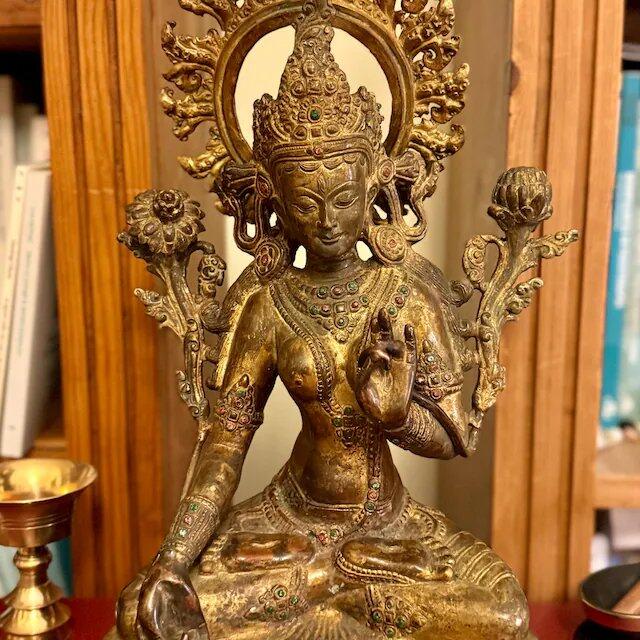
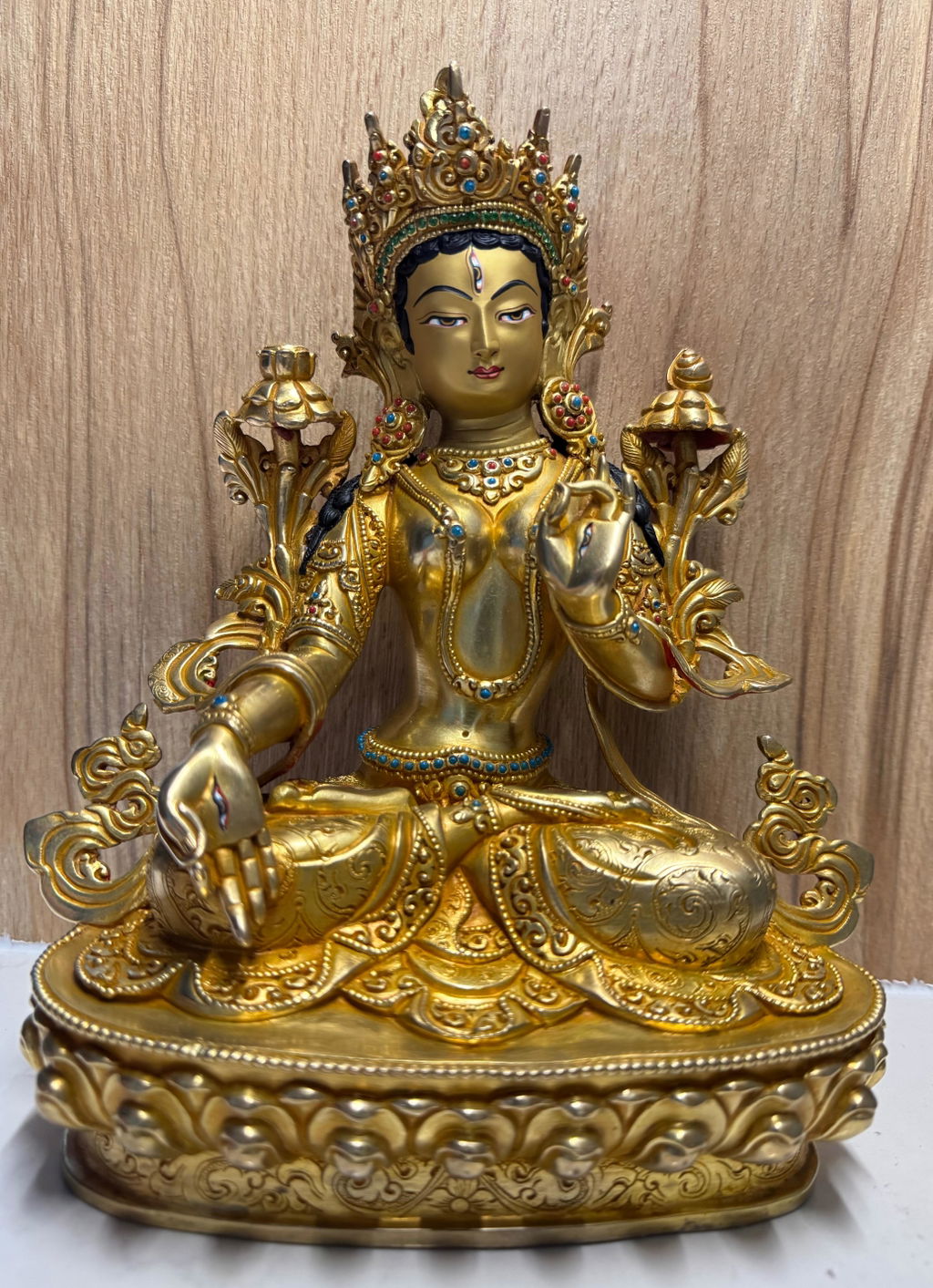
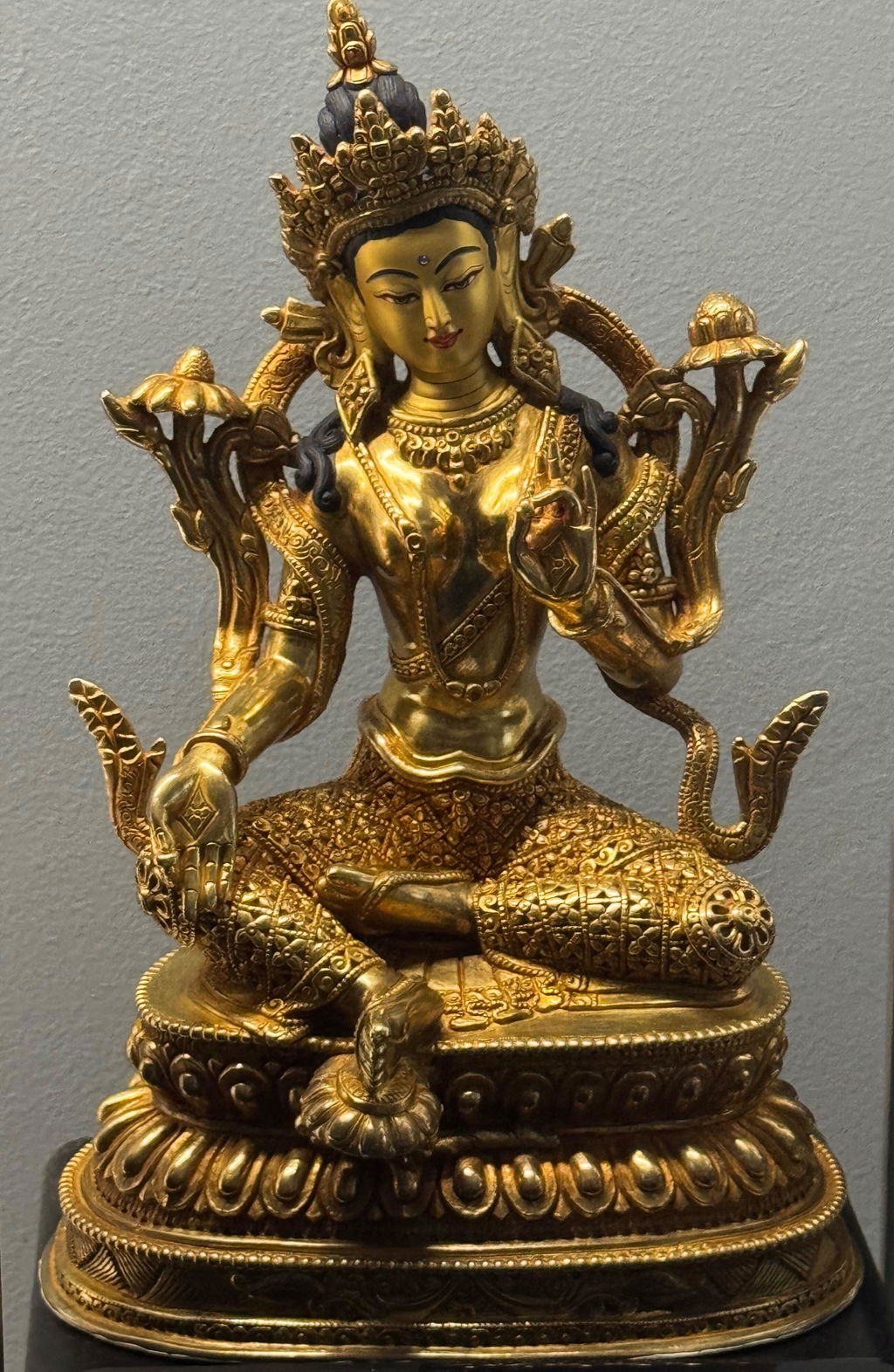
Traditional Goddess Laxmi statues feature carefully represented details, including her lotus throne, graceful posture, ornaments, and symbolic hand gestures. Each element contributes to the spiritual meaning of the sculpture.
Metal statues are especially valued for their traditional craftsmanship and lasting beauty. In Nepal, skilled Newari artisans have preserved generations of metalworking knowledge, producing religious sculptures through techniques such as lost-wax casting, detailed carving, gilding, and hand-finishing.
These artistic traditions connect religious devotion with Nepal's rich cultural heritage.
Where Should You Place a Goddess Laxmi Statue at Home?
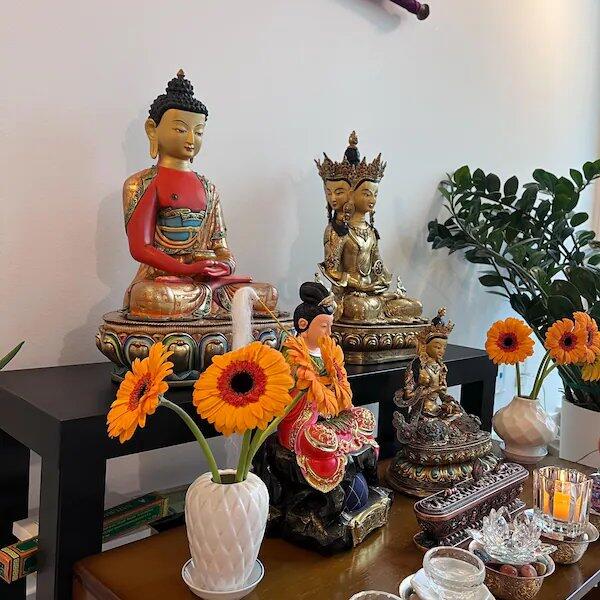
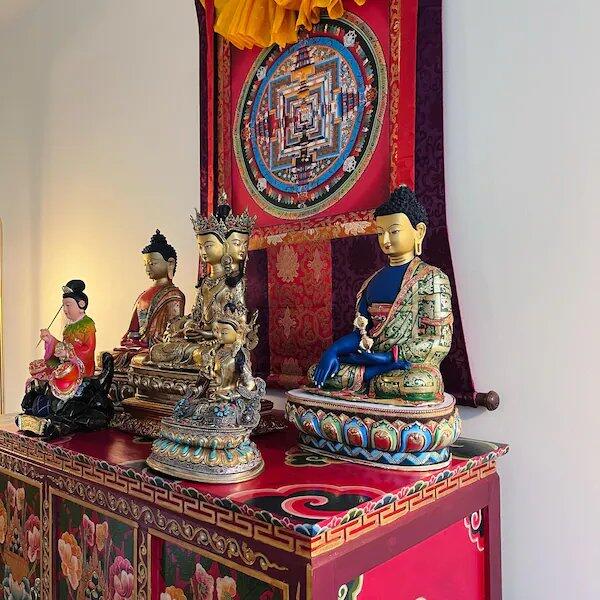
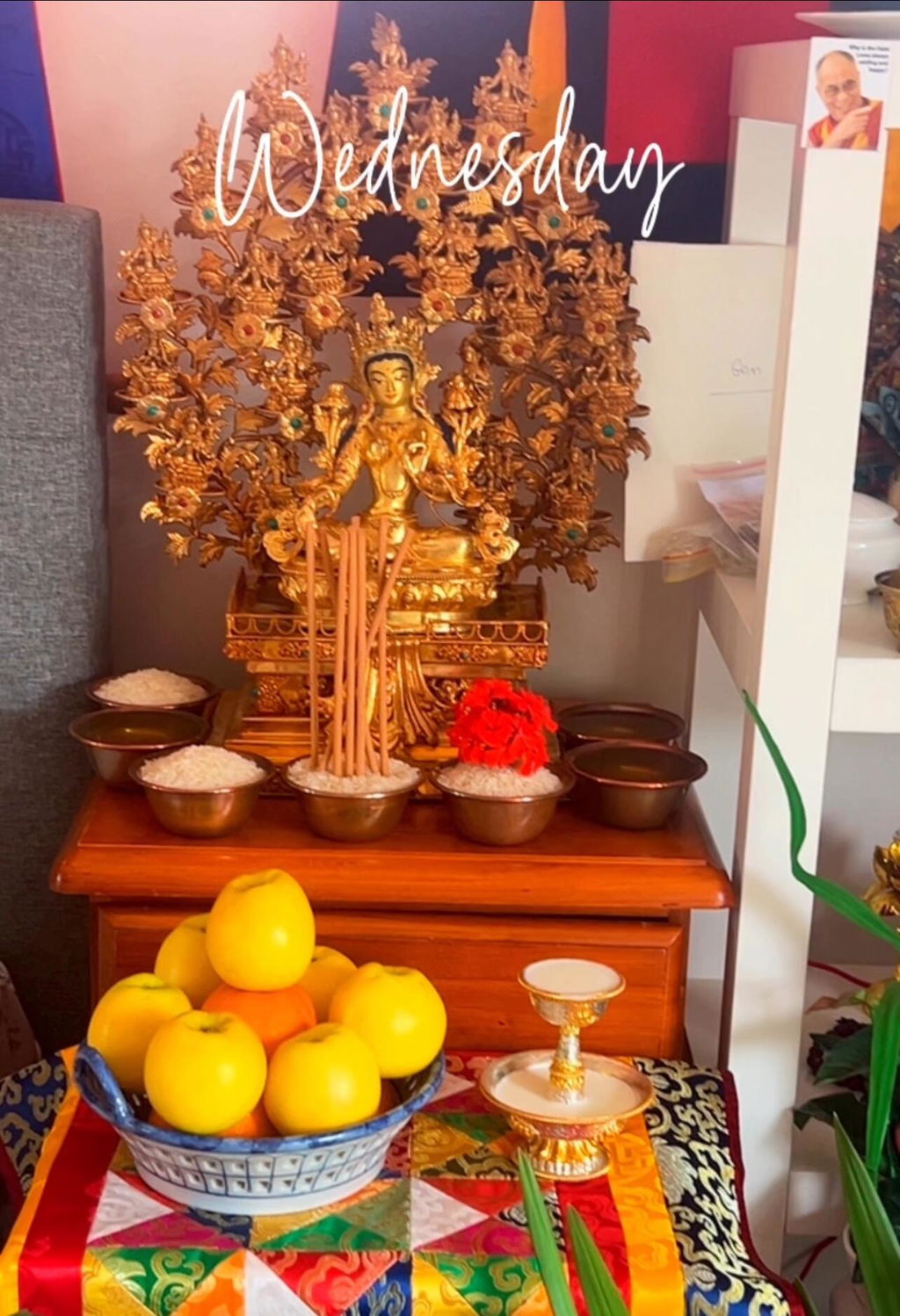
Many Hindu households maintain a dedicated space for worshipping Goddess Laxmi. A home shrine or puja room is a common place to keep her statue.
When arranging a Goddess Laxmi statue, devotees often consider the following:
- Home shrine: Place the statue in a clean and peaceful area dedicated to daily prayers.
- Puja room: A designated worship space provides an appropriate setting for devotional rituals.
- Living room altar: Some families create a small altar where the goddess can be respectfully displayed.
- Business or office: Devotees may keep a small Laxmi image or statue in a dedicated prayer area to seek blessings for their work.
Traditional placement customs can vary between families and regional traditions. Keeping the statue in a clean, respectful, and well-maintained space is a meaningful practice.
How Is Goddess Laxmi Worshipped?
Goddess Laxmi is worshipped through daily prayers and special religious ceremonies. Although rituals vary across regions and households, many forms of worship share common offerings and practices.
Common offerings include:
- Fresh lotus flowers or other flowers.
- Fruits and traditional sweets.
- Incense and fragrant offerings.
- Lighted oil lamps or diyas.
- Kumkum, rice, and other puja materials.
- Devotional prayers and Laxmi mantras.
Many devotees also recite the Sri Sukta, chant Laxmi mantras, or perform Lakshmi Aarti as part of their worship.
The intention behind these offerings is to express gratitude, devotion, and respect while seeking the blessings of the goddess.
Popular Mantras Dedicated to Goddess Laxmi
Devotional mantras are an important part of worshipping Goddess Laxmi. They are recited by devotees as expressions of faith, concentration, and reverence.
One widely recited Laxmi mantra is:
Om Shreem Mahalakshmyai Namah
This mantra is traditionally associated with Mahalakshmi and is recited by devotees seeking her blessings of prosperity, auspiciousness, and well-being.
Another popular mantra is:
Om Hreem Shreem Lakshmibhyo Namah
Devotees may include these mantras in their daily prayers, meditation, and special Lakshmi Puja ceremonies.
Goddess Laxmi in Nepalese Art and Metal Craftsmanship
Nepal has a long-standing tradition of religious sculpture and metal craftsmanship. The Kathmandu Valley, particularly Patan, is widely recognized for its skilled Newari artisans and their contribution to traditional Buddhist and Hindu metal art.
Although Goddess Laxmi is primarily worshipped within Hindu traditions, her image has also appeared in the wider artistic history of Nepal. Historical Nepalese artworks portray Hindu deities with distinctive ornamentation, carefully modeled forms, and intricate decorative details.
Traditional metal sculptures are often created through the lost-wax casting technique. This process allows artisans to develop detailed figures, ornaments, lotus bases, and symbolic features.
After casting, the sculpture may receive additional hand-finishing, engraving, gold gilding, or other decorative treatments depending on its design.
A handcrafted Goddess Laxmi statue brings together religious symbolism and artistic heritage. Every detail, from the goddess's facial expression to the petals of her lotus seat, reflects the care and knowledge involved in traditional metalworking.
For collectors and devotees, these sculptures offer a meaningful connection to Nepalese craftsmanship and the cultural traditions that continue to inspire artisans today.
Frequently Asked Questions About Goddess Laxmi
1. Who is Goddess Laxmi?
Goddess Laxmi is the Hindu goddess of wealth, prosperity, fortune, beauty, and abundance. She is traditionally regarded as the consort of Lord Vishnu and is worshipped for material and spiritual well-being.
2. What is Goddess Laxmi the goddess of?
Goddess Laxmi is primarily known as the goddess of wealth and prosperity. She is also associated with good fortune, beauty, happiness, harmony, and spiritual abundance.
3. Why does Goddess Laxmi sit on a lotus?
The lotus symbolizes purity, beauty, spiritual growth, and divine abundance. Its ability to bloom beautifully above muddy water represents purity and grace despite life's challenges.
4. Why does Goddess Laxmi have four arms?
Her four arms are traditionally associated with Dharma, Artha, Kama, and Moksha. These represent righteousness, material prosperity, desires, and spiritual liberation.
5. Why are elephants associated with Goddess Laxmi?
Elephants symbolize strength, dignity, fertility, royal authority, and auspiciousness. In Gaja Laxmi representations, they reinforce the goddess's association with abundance and prosperity.
6. What is Ashta Lakshmi?
Ashta Lakshmi refers to eight forms of Goddess Laxmi. These forms represent different aspects of abundance, including wealth, food, courage, knowledge, family well-being, victory, and spiritual prosperity.
7. Why is Goddess Laxmi worshipped on Diwali?
Devotees worship Goddess Laxmi during Diwali to welcome prosperity, happiness, and auspiciousness into their homes and businesses. Lakshmi Puja is an important part of the festival for many Hindu families.
8. Where should a Goddess Laxmi statue be placed?
A Goddess Laxmi statue is commonly placed in a clean home shrine or puja room. Some devotees also keep her image in a dedicated worship area at their workplace.
9. What is the most popular mantra of Goddess Laxmi?
One widely recited mantra is Om Shreem Mahalakshmyai Namah. Devotees chant it as an expression of devotion and to seek the blessings of Mahalakshmi.
10. What does a Goddess Laxmi statue symbolize?
A Goddess Laxmi statue symbolizes prosperity, good fortune, abundance, beauty, harmony, and devotion. It serves as a meaningful representation of the goddess's blessings in Hindu worship.
Conclusion: The Timeless Significance of Goddess Laxmi
Goddess Laxmi represents a vision of prosperity that extends far beyond material wealth. Her symbolism brings together fortune, beauty, harmony, generosity, and spiritual fulfillment.
From the lotus beneath her feet to the elephants surrounding her and the golden coins flowing from her hands, every element of her traditional representation carries a meaningful message.
Her worship continues to inspire millions of devotees, especially during Diwali, when families welcome the goddess with prayers, lamps, and offerings.
Whether represented in traditional paintings, temple sculptures, or handcrafted metal statues, Goddess Laxmi remains an enduring symbol of abundance and auspiciousness.
For those who appreciate sacred art and cultural heritage, a beautifully crafted Goddess Laxmi statue offers a meaningful way to honor these traditions while preserving the artistic legacy of Nepalese craftsmanship.
Share:
Prajnaparamita: Meaning, Symbolism and Wisdom in Buddhism
21 Taras in Tibetan Buddhism: Meanings and Symbolism