

Kukkuripa: The Compassionate Mahasiddha Who Attained Enlightenment Through Love for All Beings
Among the 84 Mahasiddhas of Vajrayana Buddhism, Kukkuripa is revered as one of the greatest examples of boundless compassion. His remarkable life demonstrates that enlightenment is not achieved through isolation or extraordinary powers alone, but through genuine kindness toward every living being. His inspiring story has been passed down for centuries across India, Nepal, Tibet, and the Himalayan Buddhist world, reminding practitioners that compassion is the very heart of the Buddhist path.
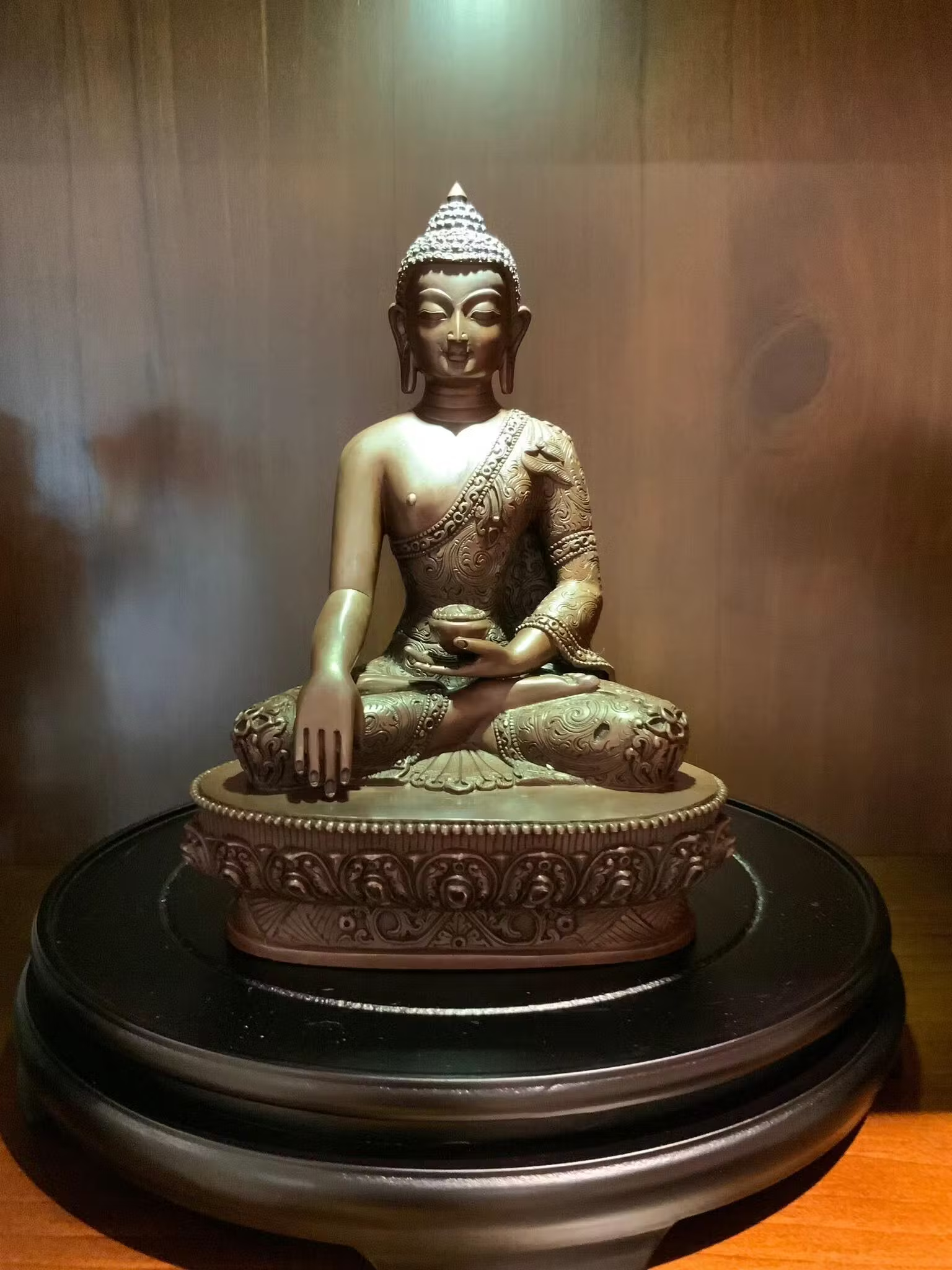
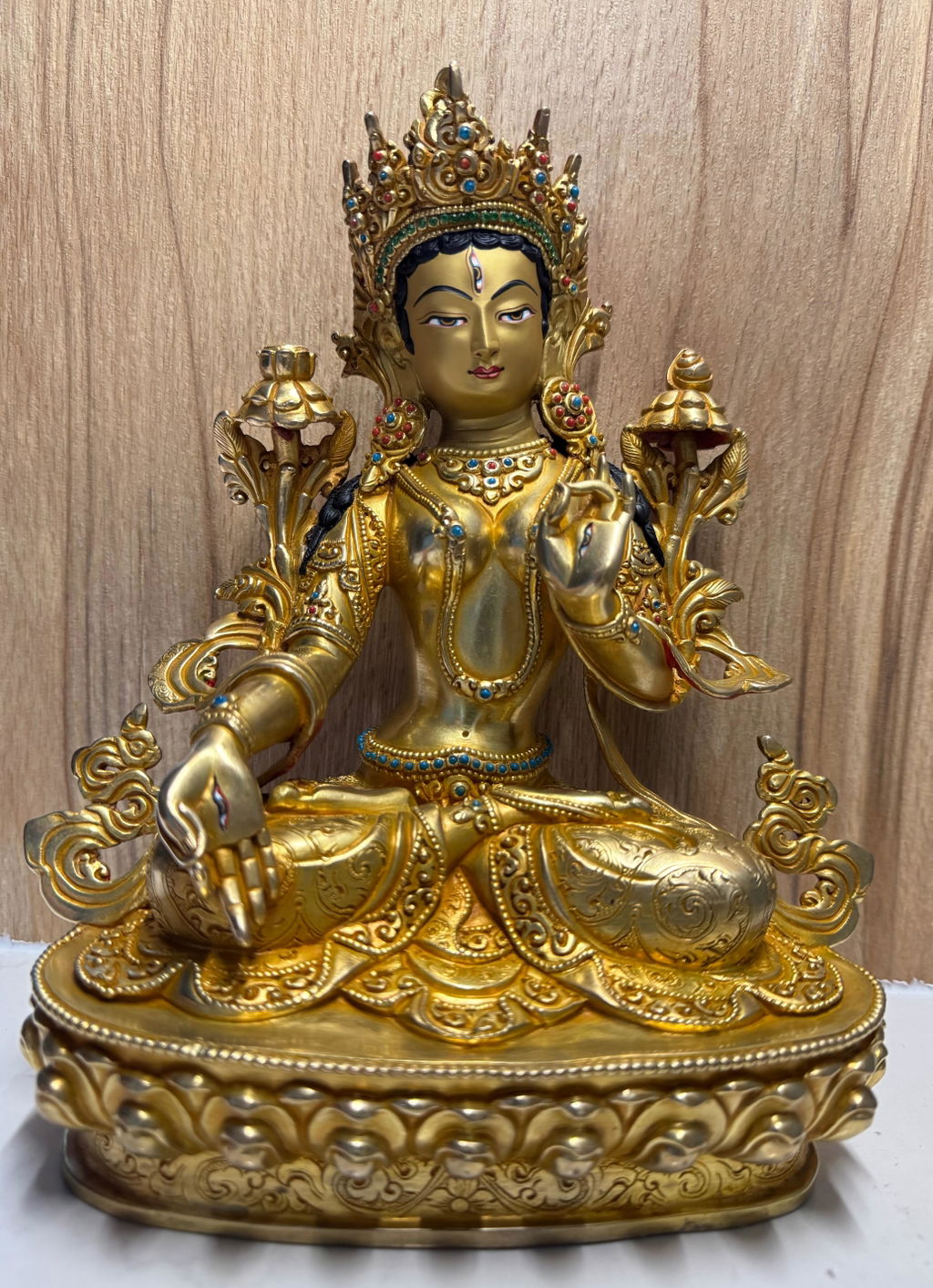
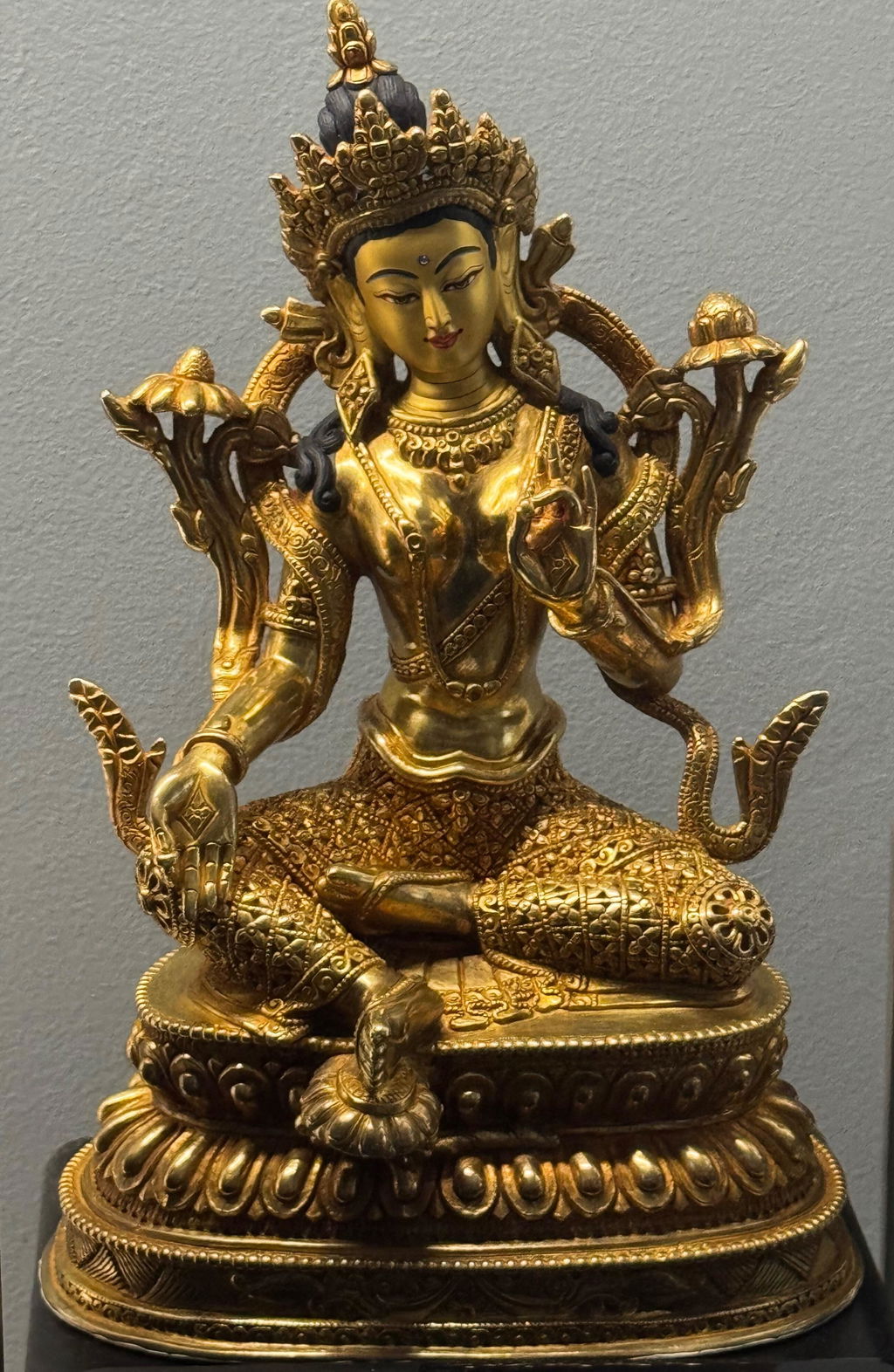
Today, a Kukkuripa Statue serves as both a sacred object of devotion and a timeless reminder to cultivate wisdom, patience, and unconditional love. Whether displayed in a meditation room, Buddhist shrine, or temple, his image inspires practitioners to embody compassion in every aspect of daily life.
Who Was Kukkuripa?
Kukkuripa was one of the legendary 84 Mahasiddhas, the enlightened tantric masters whose teachings profoundly influenced Vajrayana Buddhism. While many Mahasiddhas are remembered for their scholarly achievements or miraculous accomplishments, Kukkuripa became renowned for his extraordinary compassion toward abandoned dogs.
His name comes from the Sanskrit word "kukkura," meaning "dog." Rather than seeing animals as distractions to spiritual practice, Kukkuripa viewed them with limitless compassion. His life beautifully illustrates that every sentient being possesses Buddha nature and deserves kindness and respect.
The Inspiring Story of Kukkuripa
According to Buddhist tradition, Kukkuripa renounced worldly comforts and devoted himself to meditation in a secluded forest. During his practice, he discovered a starving female dog that had been abandoned and left to suffer.
Moved by immense compassion, Kukkuripa cared for the dog every day, sharing his food and protecting her from danger. Over time, more stray dogs gathered around him, and he welcomed each one with the same unconditional kindness.
After many years of dedicated meditation, celestial dakinis appeared and invited Kukkuripa to ascend to a heavenly realm because of his spiritual realization. Yet he declined their invitation, unwilling to abandon the dogs that depended upon him.
In that very moment, the dogs transformed into enlightened manifestations, revealing that Kukkuripa's compassion had become the highest expression of wisdom. His realization teaches that true enlightenment arises when compassion embraces all living beings without exception.
Kukkuripa's Importance in Vajrayana Buddhism
Kukkuripa occupies a unique place among the Mahasiddhas because his awakening emerged through acts of compassion rather than extraordinary ascetic practices. His life demonstrates that serving others can itself become the path to enlightenment.
His teachings encourage practitioners to:
- Cultivate unconditional compassion.
- Recognize the Buddha nature in every living being.
- Develop patience and loving-kindness.
- Practice generosity without expecting rewards.
- Transform ordinary actions into spiritual practice.
The Symbolism of Kukkuripa
The Dogs
The dogs surrounding Kukkuripa symbolize unconditional love, loyalty, compassion, and the equality of all sentient beings. They remind practitioners that every life deserves care and respect.
Meditation Posture
His peaceful seated posture represents unwavering mindfulness and inner stability. Even while caring for others, Kukkuripa remained deeply established in meditation.
Simple Robes
His humble robes symbolize renunciation, simplicity, and freedom from worldly attachment. They remind practitioners that spiritual wealth surpasses material possessions.
Peaceful Expression
Kukkuripa's serene expression reflects the profound peace that arises from genuine compassion and wisdom.
Lessons We Can Learn from Kukkuripa
Although Kukkuripa lived centuries ago, his teachings remain deeply meaningful today. His life encourages us to practice compassion in our daily interactions and recognize that even the smallest acts of kindness possess immense spiritual value.
- Practice kindness toward all living beings.
- Help others without seeking recognition.
- Develop patience through compassion.
- Integrate mindfulness into everyday life.
- Serve others with humility and generosity.
Benefits of Keeping a Kukkuripa Statue
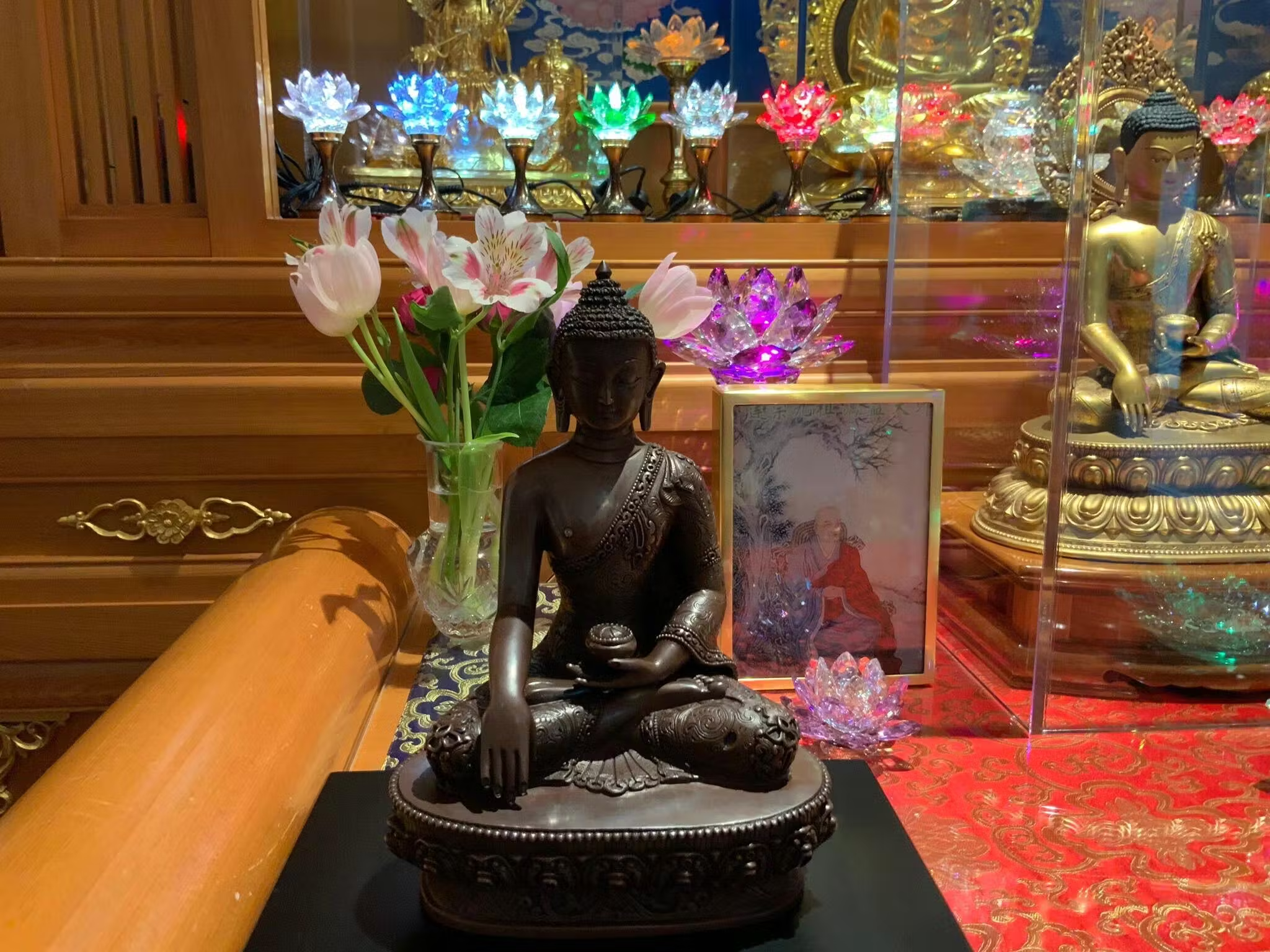
A handcrafted Kukkuripa Statue is more than a beautiful work of Himalayan Buddhist art. It serves as a constant reminder to cultivate compassion, mindfulness, and loving-kindness. Many practitioners place his sacred image on home altars, meditation spaces, temples, or Dharma centers to inspire their spiritual journey.
Keeping a Kukkuripa Statue may inspire practitioners to:
- Develop unconditional compassion.
- Strengthen meditation practice.
- Create a peaceful spiritual environment.
- Cultivate patience and generosity.
- Honor all sentient beings equally.
- Deepen understanding of the Bodhisattva path.
Traditional Nepalese Craftsmanship
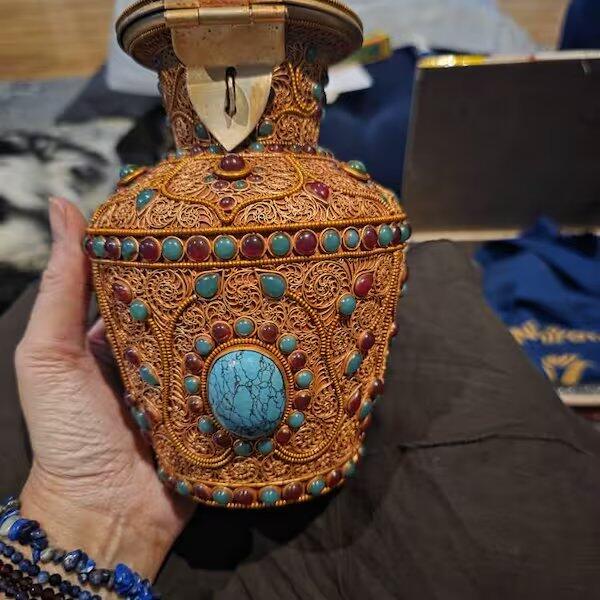
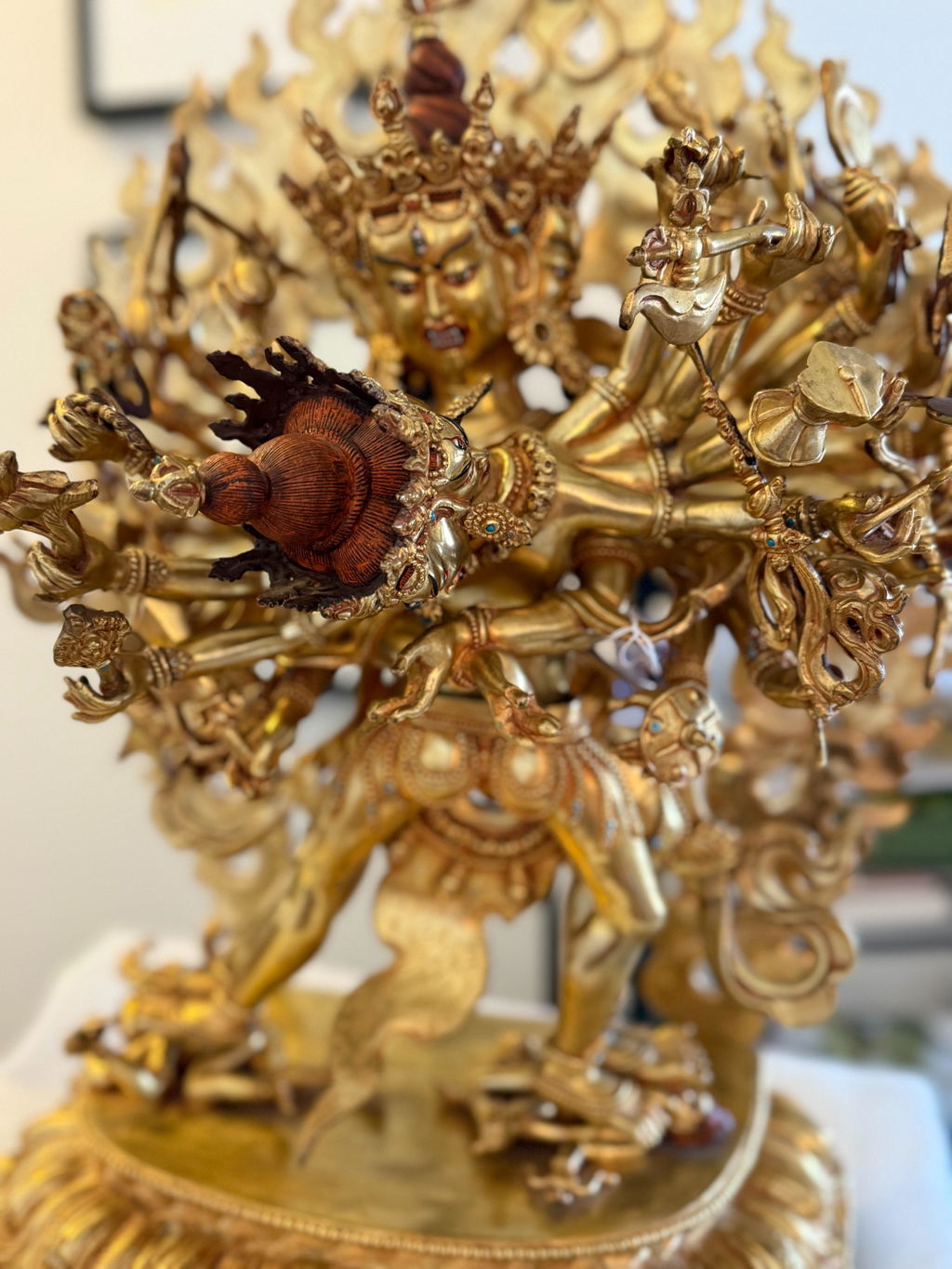
Authentic Kukkuripa Statues are handcrafted by skilled Newari artisans from Patan, Nepal, whose artistic traditions have been preserved for centuries. Using the ancient lost-wax casting technique, artisans carefully shape each sculpture before finishing it with intricate hand carving, gold fire gilding, antique finishes, hand-painted details, or semi-precious stone inlays.
Each handcrafted statue reflects both exceptional craftsmanship and the rich spiritual heritage of Himalayan Buddhism.
Where Should You Place a Kukkuripa Statue?
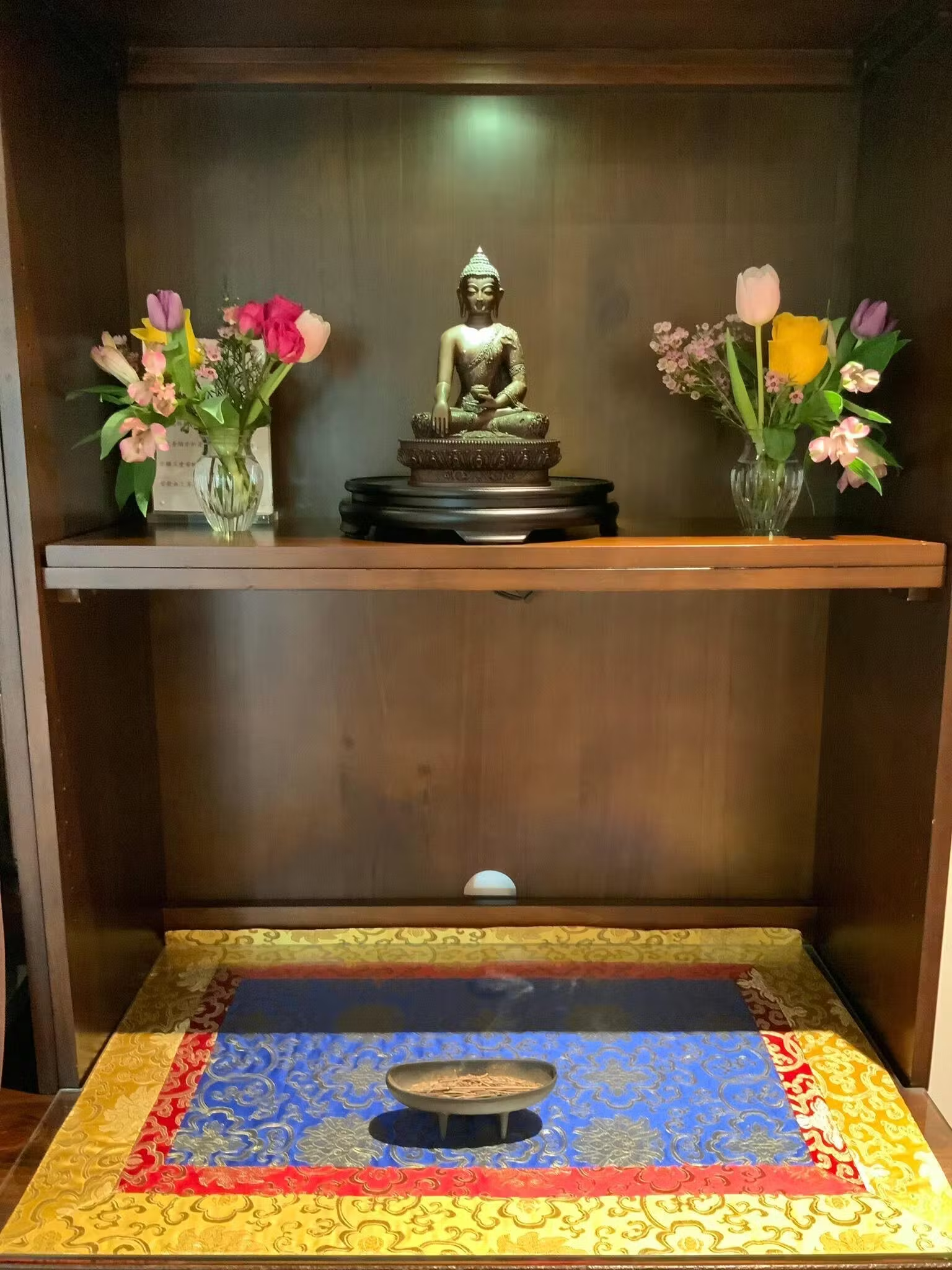
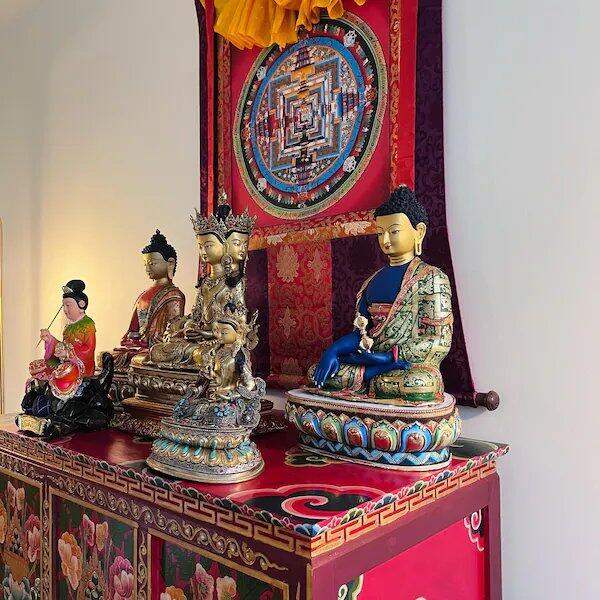
A Kukkuripa Statue should be displayed in a clean and respectful location where it can inspire daily meditation and spiritual reflection.
- Home Buddhist altar
- Meditation room
- Temple shrine
- Dharma study room
- Yoga or mindfulness space
- Personal prayer room
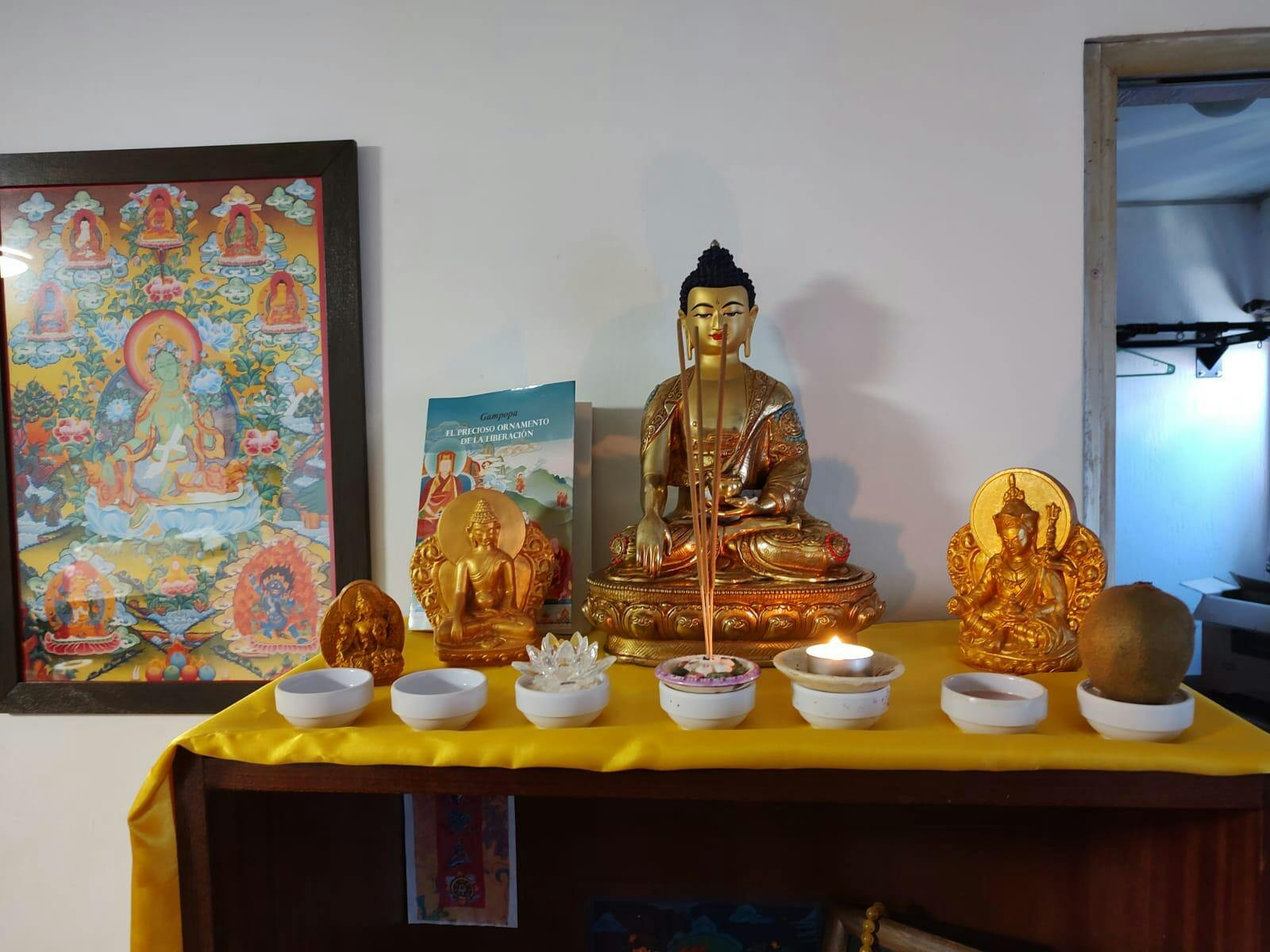
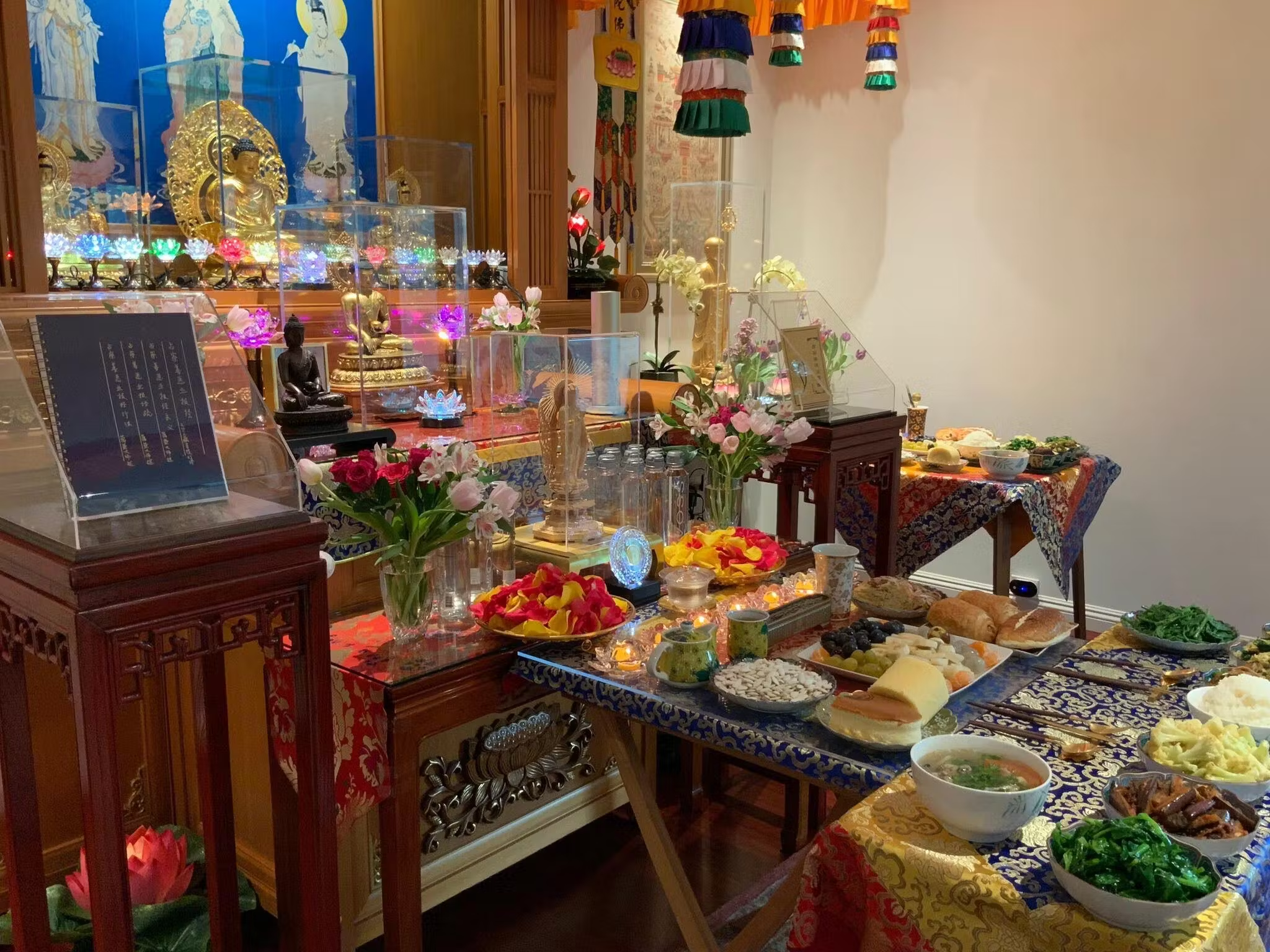
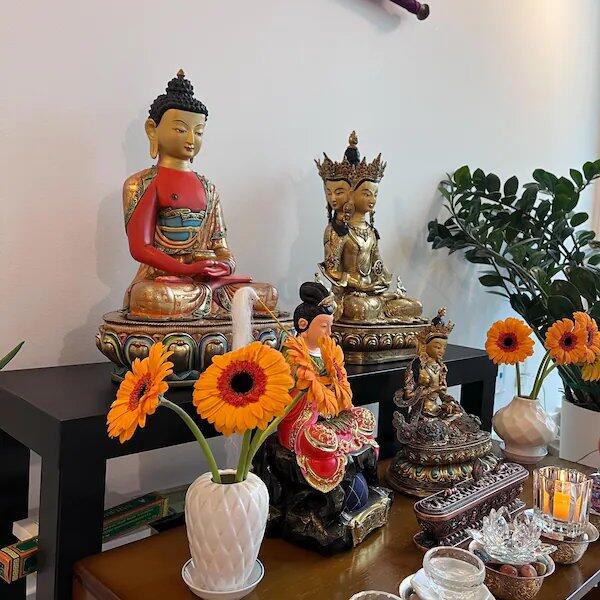
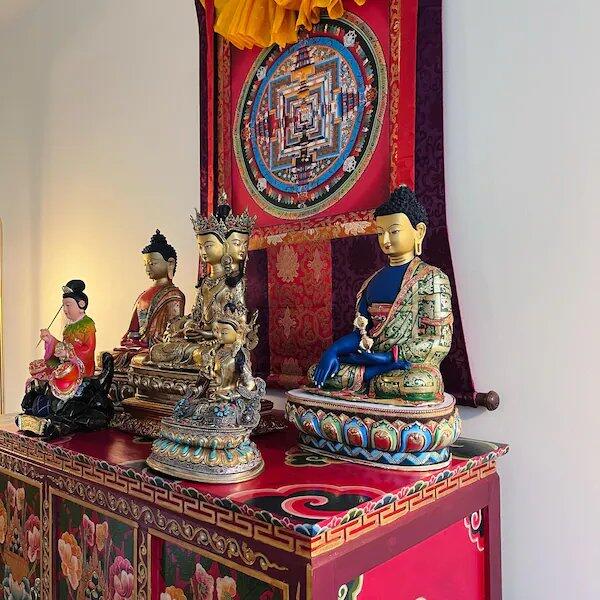
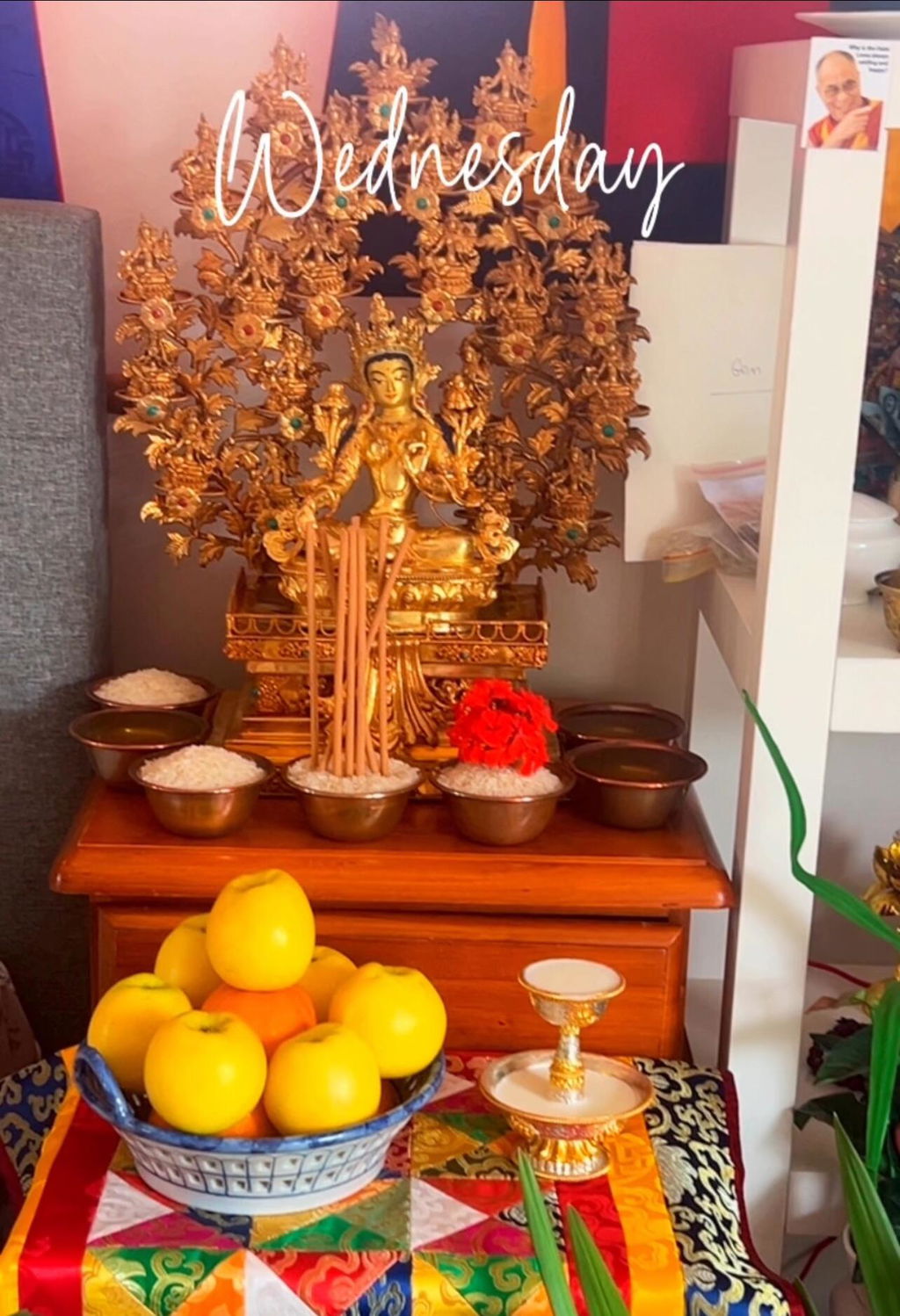
Many practitioners offer incense, butter lamps, fresh flowers, or water bowls while reflecting upon Kukkuripa's boundless compassion.
Why Kukkuripa's Story Continues to Inspire
Kukkuripa reminds us that enlightenment is measured not by status, knowledge, or miraculous abilities, but by the depth of our compassion. His willingness to remain with abandoned animals rather than seek heavenly rewards reveals the essence of the Bodhisattva path.
His timeless example encourages every practitioner to transform compassion into action, making kindness the foundation of spiritual practice. A handcrafted Kukkuripa Statue serves as a beautiful symbol of this enduring message, inspiring wisdom, humility, and unconditional love for all beings.
Frequently Asked Questions
Who was Kukkuripa?
Kukkuripa was one of the 84 Mahasiddhas of Vajrayana Buddhism, renowned for attaining enlightenment through boundless compassion toward abandoned dogs.
Why is Kukkuripa shown with dogs?
The dogs symbolize unconditional compassion, loyalty, and the equality of all sentient beings, reflecting the central teaching of Kukkuripa's life.
What does a Kukkuripa Statue symbolize?
A Kukkuripa Statue symbolizes compassion, wisdom, humility, mindfulness, loving-kindness, and the Bodhisattva aspiration to benefit all living beings.
Where should I place a Kukkuripa Statue?
The statue is traditionally placed on a clean and elevated altar, meditation room, temple, or sacred space to inspire daily spiritual practice.
Why do Buddhist practitioners honor Kukkuripa?
Practitioners honor Kukkuripa because his life demonstrates that unconditional compassion is one of the highest expressions of wisdom and enlightenment.


Share:
Milarepa: Tibet's Greatest Yogi & Saint
Vajrasattva: Meaning, Mantra, Symbolism & Spiritual Significance