

Milarepa: Life, Teachings, Enlightenment Journey and Tibetan Buddhist Legacy
Milarepa is one of the most respected spiritual masters in Tibetan Buddhist history, known for his extraordinary transformation from a troubled past into a symbol of enlightenment, wisdom, and compassion. His inspiring journey of overcoming suffering through meditation and devotion continues to guide Buddhist practitioners around the world.
Known as the Great Yogi of Tibet, Milarepa dedicated his life to spiritual practice, deep meditation, and realizing the true nature of the mind. His teachings remain an important part of Himalayan Buddhist tradition and continue to inspire seekers searching for inner peace and liberation.
Who Was Milarepa, the Great Tibetan Buddhist Yogi?
Milarepa was an 11th-century Tibetan Buddhist yogi, poet, and meditation master who became one of the greatest figures in the history of Tibetan Buddhism. Born in Tibet around 1052 CE, he became a renowned disciple of the great Buddhist teacher Marpa Lotsawa.
His early life was filled with hardship after losing his father and experiencing injustice from relatives who took away his family’s wealth. These painful experiences created deep suffering and eventually led him toward a spiritual search for purification and liberation.
Although Milarepa once followed a path influenced by anger and revenge, he later transformed his life completely through sincere repentance, devotion, and Buddhist practice. His story represents the powerful possibility of change and spiritual awakening.
The Spiritual Transformation of Milarepa
Milarepa’s journey toward enlightenment began when he met his teacher Marpa Lotsawa, who recognized his potential but understood that he needed to purify his past actions before receiving profound Vajrayana Buddhist teachings.
Through years of difficult trials, patience, and unwavering dedication, Milarepa demonstrated his commitment to the spiritual path. After receiving teachings from Marpa, he withdrew into the remote Himalayan mountains to dedicate his life to meditation.
His transformation from a person burdened by suffering into an enlightened master became one of the most powerful examples of spiritual renewal in Tibetan Buddhist history.
Milarepa’s Meditation Practice and Enlightenment
Milarepa became famous for his extraordinary dedication to meditation. Living in isolated Himalayan caves, he practiced profound meditation methods to understand the true nature of consciousness and achieve spiritual realization.
The Main Principles of Milarepa’s Teachings
- Meditation and mindfulness for developing awareness
- Compassion toward all living beings
- Understanding impermanence and the nature of existence
- Overcoming attachment, fear, and ego
- Realizing inner wisdom and spiritual freedom
Why Is Milarepa Important in Tibetan Buddhism?
Milarepa represents the possibility of complete transformation. His life teaches that regardless of past experiences, sincere effort, discipline, and spiritual practice can lead toward wisdom and enlightenment.
The Power of Transformation
Milarepa’s life shows that mistakes and suffering can become the foundation for spiritual growth when guided by awareness, compassion, and dedication.
The Importance of Meditation and Discipline
His years of meditation demonstrate that patience, devotion, and consistent practice are essential for developing wisdom and inner peace.
Freedom from Suffering
Milarepa’s teachings explain that understanding the mind and releasing attachment can help overcome suffering and discover lasting peace.
Milarepa Statue Meaning and Spiritual Symbolism
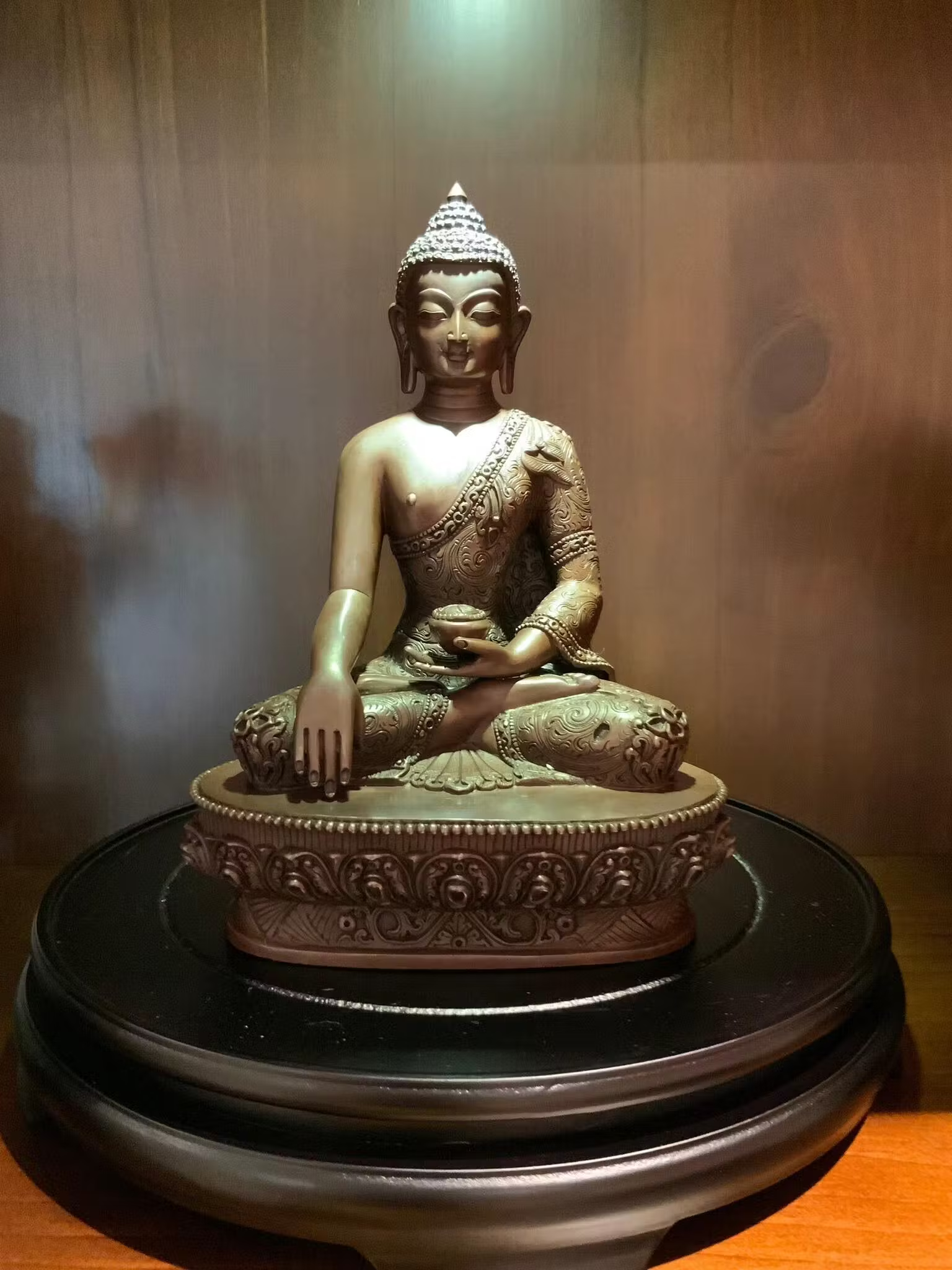
A Milarepa statue is a sacred representation of meditation, wisdom, perseverance, and enlightenment. Traditionally, Milarepa is depicted seated in a relaxed meditation posture with his right hand raised near his ear, symbolizing deep listening to spiritual teachings.
For Buddhist practitioners, a Milarepa statue serves as a reminder to cultivate patience, discipline, meditation, and the determination needed to follow the path toward awakening.
Symbolic Features of Milarepa Statue
- Meditation posture: Represents concentration, awareness, and inner peace.
- Listening gesture: Symbolizes receiving and sharing spiritual wisdom.
- Simple robes: Reflect renunciation of worldly attachments.
- Serene expression: Represents enlightenment and realization.
Milarepa and Himalayan Buddhist Art
For centuries, Milarepa has been honored through Tibetan and Himalayan Buddhist artwork. Skilled artisans preserve his sacred image through traditional sculpture techniques that reflect devotion, precision, and cultural heritage.
Traditional Milarepa statues are often created using methods such as lost wax casting, copper alloy craftsmanship, gold gilding, and detailed hand finishing. Each sculpture reflects the spiritual importance of preserving Buddhist teachings through sacred art.
Handcrafted Milarepa Statue from Nepalese Himalayan Artisans
A handcrafted Milarepa statue created by skilled Newari artisans from Patan, Nepal represents the perfect harmony between spiritual devotion and traditional Himalayan craftsmanship.
Using centuries-old techniques such as lost wax casting and meticulous finishing, artisans carefully shape every detail of the statue to preserve Milarepa’s peaceful expression, meditation posture, and sacred symbolism.
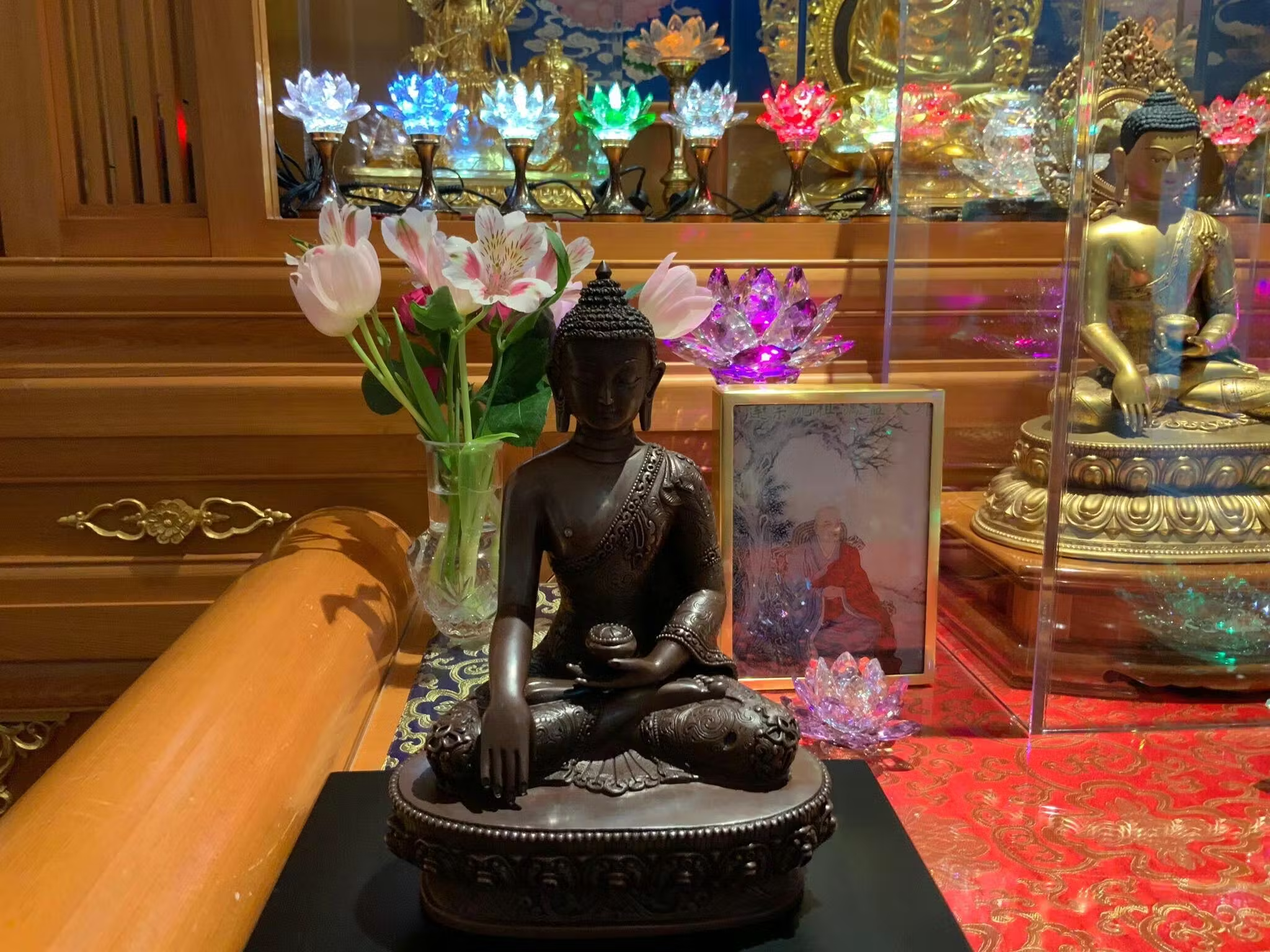
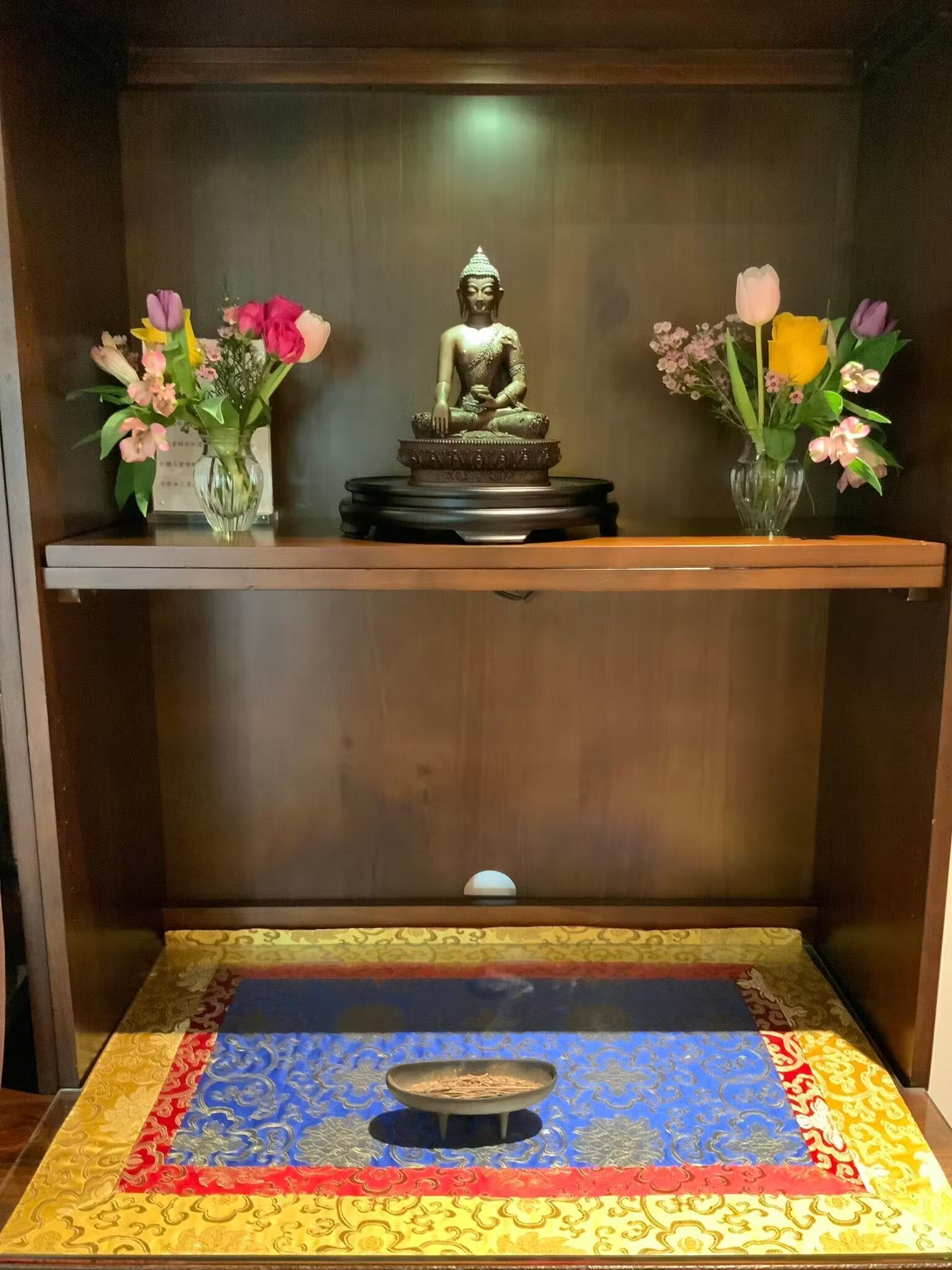
Placed in meditation spaces, Buddhist altars, temples, or spiritual collections, a Milarepa statue serves as a meaningful reminder of perseverance, enlightenment, and the endless potential for inner transformation.
Lessons We Can Learn from Milarepa
Every Person Has the Ability to Transform
Milarepa’s journey teaches that the past does not define the future. Through sincere effort and awareness, anyone can move toward wisdom and compassion.
Spiritual Growth Requires Dedication
His life reminds us that meaningful spiritual progress requires patience, discipline, and continuous practice.
Frequently Asked Questions About Milarepa
Who Was Milarepa in Tibetan Buddhism?
Milarepa was an 11th-century Tibetan Buddhist yogi and meditation master who achieved enlightenment through dedication, meditation, and spiritual practice.
Why Is Milarepa Considered an Enlightened Master?
Milarepa is considered an enlightened master because he transformed his life completely through Buddhist teachings and achieved profound realization through meditation.
What Does a Milarepa Statue Symbolize?
A Milarepa statue symbolizes meditation, perseverance, wisdom, spiritual transformation, and the journey toward enlightenment.
Conclusion
Milarepa’s extraordinary journey from suffering to enlightenment continues to inspire people across the world. His teachings remind us that transformation is possible through compassion, meditation, discipline, and dedication.
Today, Milarepa remains one of the most beloved figures in Tibetan Buddhism, representing the limitless potential of the human mind and the path toward inner freedom.




Share:
Green Tara and White Tara: Meaning, Symbolism & Iconography | Nidhiratna
Kukkuripa: The Compassionate Mahasiddha of Vajrayana Buddhism