

Green Tara and White Tara: Sacred Goddesses of Protection, Hope, and Enlightenment
From the vast Buddhist deity iconography, Tara is singularly significant for her role as a symbol of Buddhist compassion and activity. Tara is commonly referred to as the "Mother of Liberation" because she has been manifesting herself in different forms to help beings liberate themselves from fear, ignorance, and suffering.
Of her seemingly limitless forms, Green Tara and White Tara are perhaps her most cherished and popular ones. Each embodies a distinct but supplementary role of compassion. Green Tara symbolizes energetic protection, whereas White Tara embodies serene healing and longevity.
They both represent the combined forces of compassionate enlightenment, one dynamic and protective, and the other serene and maternal.
Who is Green Tara? — The Swift Protector
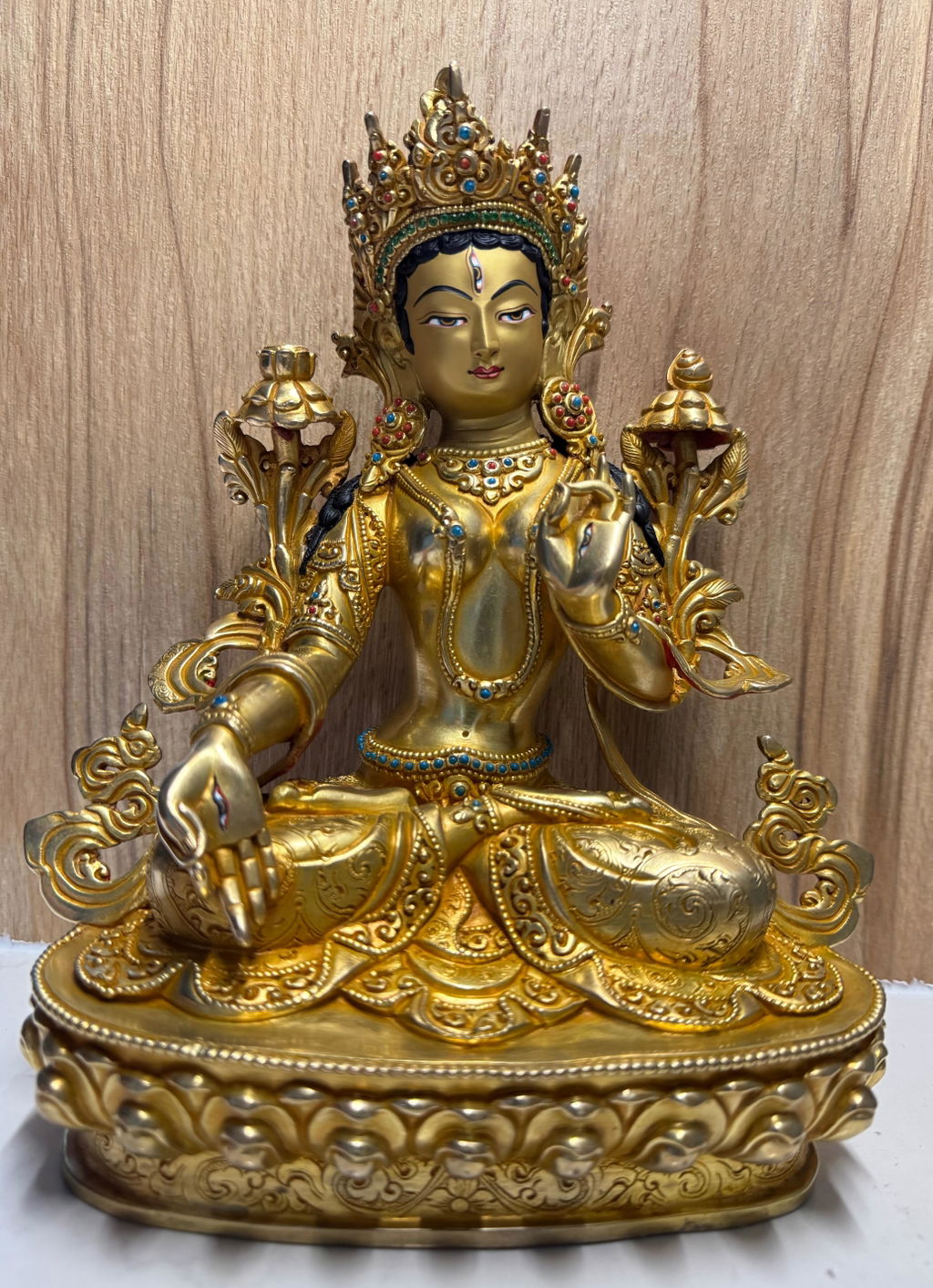
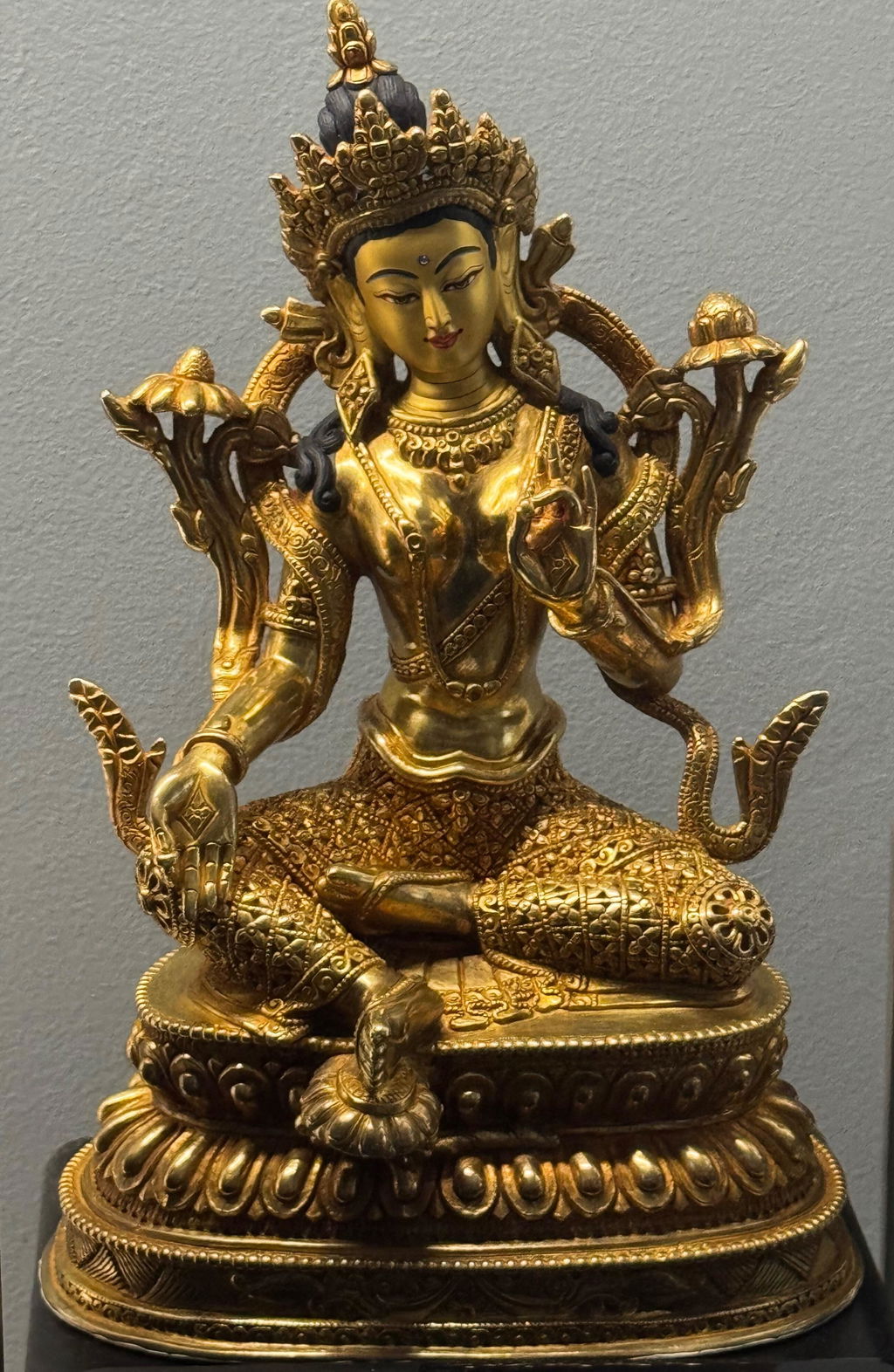
Green Tara in Tibetan Buddhism is known by another name, Swift Protector, or Sgrol-ljang, which is referred to as the goddess who comes to immediate succour. Green is the color of her iconography and denotes dynamism and activity.
In Tibetan Buddhism, Green Tara (Sgrol-ljang) is venerated as the Swift Protector who extends compassion whenever and wherever she is needed. Green signifies vitality, energy, and enlightened activity.

Symbolism and Iconography
-
Color: Green, symbolizing active compassion and the energy of life.
-
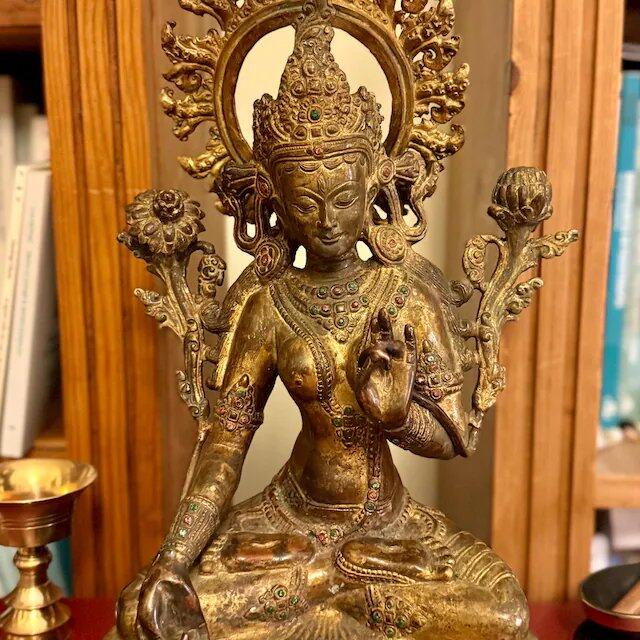
Position: Seated with one leg extended, which highlights her readiness to rise and help those who call on her.
-
Lotus Flower: She is holding a utpala (blue lotus flower), which denotes purity.
-
Expression: her gaze is serene but alert—a deep compassion coupled with fierce protection for life.
Spiritual Significance
Green Tara is called on for protection against fear and hindrances, such as travel dangers, illnesses, and woes. Green Tara is associated with immediate compassion in actions.
Her mantra —
“Om Tare Tuttare Ture Soha” is chanted to receive her blessings with courage, quick relief, and liberation from physical and emotional suffering.
Artistically, her green hue is not merely for beauty — it symbolizes the very healing energy from nature, that is, renewal and endless vitality.
Connect with Nidhiratna to bring the protection and blessings of Green and White Tara into your practice.
Benefits and Spiritual Powers of Green Tara
Throughout the centuries, practitioners have invoked Green Tara for blessings to meet the greatest challenges of life. The benefits of connecting with Green Tara's energy are:
-
Swift protection from fear, danger, and external obstacles—both physical and non-physical, negative effects
-
Removal of internal fears and anxieties, including Tibetan Buddhism's eight great fears of pride, delusion, doubt, anger, attachment, jealousy, and ignorance.
-
Emotional and spiritual healings, lessening anxiety, and providing comfort in times of grief and stress.
-
Courage and empowerment in dealing with life challenges and making important decisions
-
Spiritual growth and a clear mind, obliterating the mental blocks that obstruct enlightened comprehension.
-
Cultivating actual compassion, which means not only wishing others well but actually doing something to improve their situation.
Who Is White Tara? — The Nurturer of Longevity and Healing
On the contrary, White Tara (Sgrol-dkar) symbolizes the calmer, nurturing side of compassion: the Goddess of Healing, Purity, and Long Life. The white color embodies serenity, truth, and spiritual wisdom — counterbalancing the active compassion of Green Tara.

Symbolism and Iconography
-
Color: White, symbolizing purity, healing energy, and spiritual illumination.
-
Eyes: She is commonly represented with her body adorned with seven eyes: two on her face, one on her forehead, and one on each palm and foot — representing her omniscient awareness and ever-present compassion.
-
Posture: In a meditative posture, representing calmness and inner peace.
-
Lotus: She is holding a lotus flower, symbolizing the blossoming of knowledge and peace.
Spiritual Significance
White Tara is invoked for longevity, peace, and healing, both physical and spiritual. Her followers seek her blessings for protection against illnesses and for enhancing inner purity.
Her mantra — "Om Tare Tuttare Ture Mama Ayuh Punya Jñana Pustim Kuru Soha”,
is chanted for long life, merit, and wisdom.
Through White Tara, practitioners are reminded that real strength emanates from peace — from the stillness that nurtures and sustains life.
Benefits and Spiritual Powers of White Tara
The practice of White Tara is for a completely different set of needs than Green Tara's. White Tara is invoked for:
-
Healing from sicknesses and diseases, from their physical symptoms to the psychological and emotional foundations that might have caused them
-
Extending longevity and vitality — not simply prolonging life but ensuring that it is substantive with health, peace, and spiritual progress
-
Inner tranquillity and deep peace, establishing environments for stable conditions for meditation and spiritual practice
-
Purification of negative karma and removal of the obstacles that have been accumulating with time
-
Wisdom and spiritual clarity that would assist practitioners in developing a profound understanding of the nature of reality
-
Nurturing compassion and maternal care, reflecting her role as the Mother of All Buddhas
The Lotus Distinction: Symbolic Differences Between Green and White Tara
One of the strongest symbolic contrasts between these two types is represented by lotus flowers:
Green Tara holds a blue lotus flower (utpala), which is half-open or even in blossom, which is indicative of night activity, and the gradual blossoming of enlightenment. The lotus flower is indicative of her dynamism in dealing with problems, which are still in transition and reaching their conclusive moments due to her effective activity.
White Tara is holding a fully blossomed lotus flower, which is Padma. Padma symbolizes day, completion, and accomplishment of spiritual understanding. However, this blossom is indicative of her role in completing her healing and realizing the benefits of spiritual practices.
These combined symbols of the lotus convey this deep message: Green Tara and White Tara work tirelessly throughout both night and day—one bringing dynamic activity and protection through the night of challenges, and the other bringing full healing and enlightenment with the dawn of day.
The Worship and Practice of Green & White Tara
How Devotees Pray to the Taras
Tara worship includes mantra chanting, meditation, and offering. Devotees imagine the goddess with light radiating. Green Tara eliminates fears and obstacles, and White Tara pours their hearts out with holy energy.
Typical Ritual Practices:
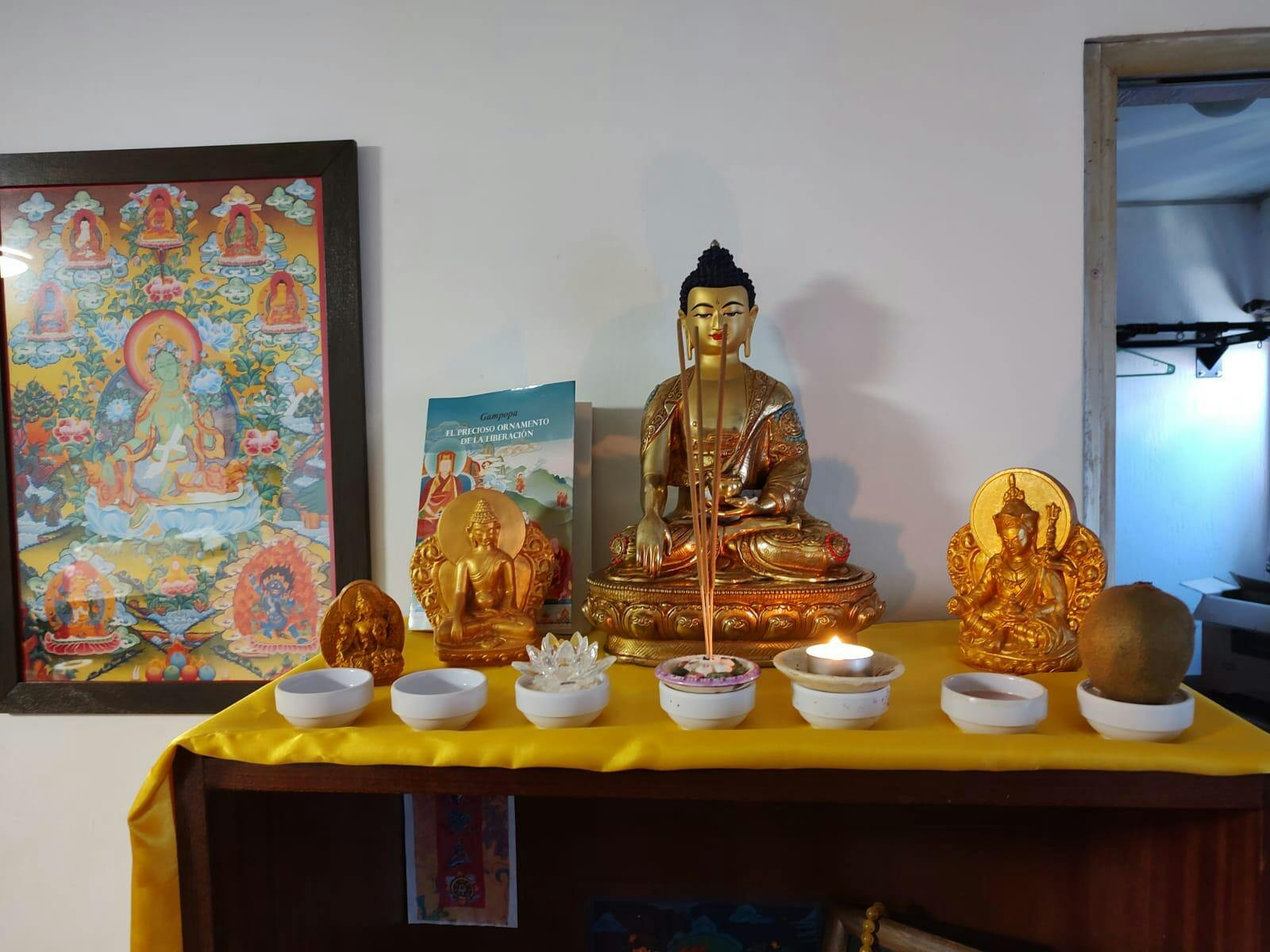
Morning Offerings : Fresh flowers, butter lamps, and incense.
Mantra Meditation : Focusing on her sacred syllables to awaken inner compassion.
Visualization Practice : Seeing yourself enveloped in Tara's light to destroy ego and suffering.
When to Invoke each Tara
-
Green Tara : During times of uncertainty, fear, or for gaining strength and protection.
-
White Tara : When you desire health, longevity, or peace energy.
The Sacred Mantras: Calling Upon Tara's Power Via Sound
Green Tara’s Mantra: "Om Tare Tuttare Ture Soha”
This is one of the most popular mantras in Tibetan Buddhism.
Each syllable is full of deep meaning:
-
Om : The universal sound of creation and spiritual awakening.
-
Tare : Freedom from physical suffering and terrestrial fears.
-
Tuttare : Protection against external threats and internal confusion.
-
Turë : Free from spiritual ignorance and attachment.
-
Soha : The process involving expressing and securing the intention in one's prayer.
When chanted with devotion, this mantra calls upon Green Tara's speedy, fearless, and protective power, which eradicates darkness and shines a light on the journey towards bravery and enlightenment.
White Tara’s Mantra: The Sound of Healing and Longevity
"Om Tare Tuttare Ture Mama Ayuh Punya Jñana Pustim Kuru Soha”
This mantra is longer and more complex and is related to White Tara's healing energy.
Each phrase contains a holy intention:
-
Mama : Personal devotion; "mine," as in "may these blessings be mine."
-
Ayuh : Long life.
-
Punya : These are the merit or virtue accumulated by good deeds.
-
Jñana : Wisdom or spiritual insight.
-
Pustim kuru : "Bestow abundance.": Prayer for physical health, prosperity, and spiritual integration.
Through the Mantra, the practitioners invite White Tara's shining calmness and nourishing energy to promote longevity, emotional balance, and inner peace.
The Power and Practice of Mantra Recitation
The advantages of chanting Tara's mantras systematically are across multiple dimensions of being:
Emotional & Psychological : Reduces anxiety and emotional turmoil. Encourages courage and resilience.
Mental : Enhances clarity and focus mentally; improves concentration; assists practitioners with generating fearlessness through familiarization with Tara's qualities.
Spiritual : Enhances spiritual evolution by protecting against negative energies and negative experiences; facilitates unconditional loving and compassion in one's heart.
Integrating the Practice of Mantras into Daily Life
Nobody really requires being either a monk or a long-time practitioner to get some benefits from Tara's mantras.
Here are a few simple ways to incorporate them into your spiritual practice:
-
Morning Chant : Start your day with 21 recitations of Green Tara's mantra for strength and clarity.
-
Healing Meditation : During times of stress, one can chant the White Tara mantra to invoke calmness and renewal.
-
Mindful Breathing : Inhale with Om Tare Tuttare Ture, exhale with Soha, aligning mantra with breath.
-
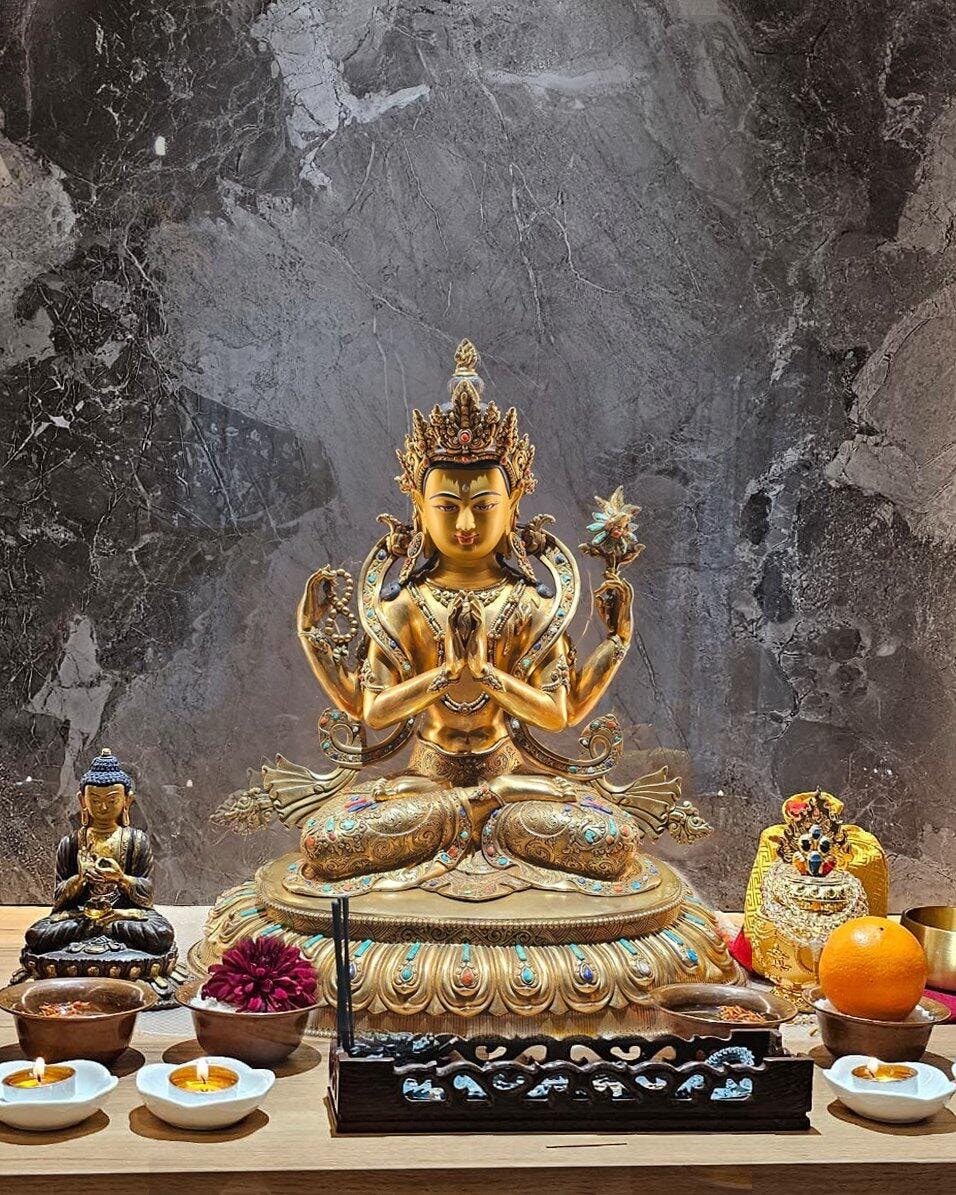
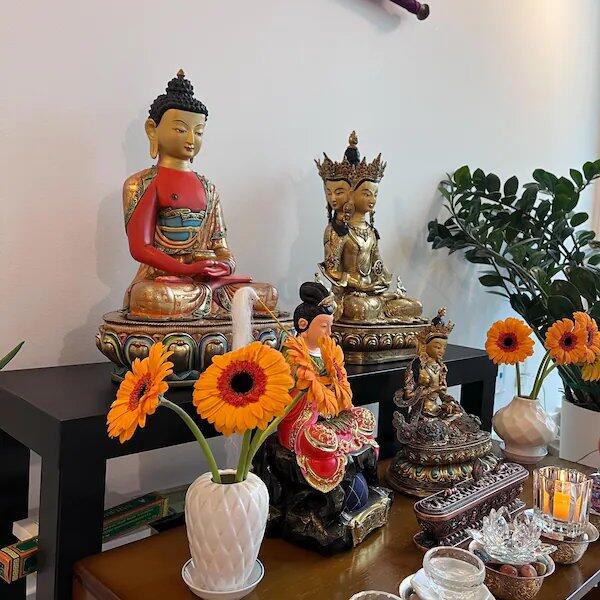
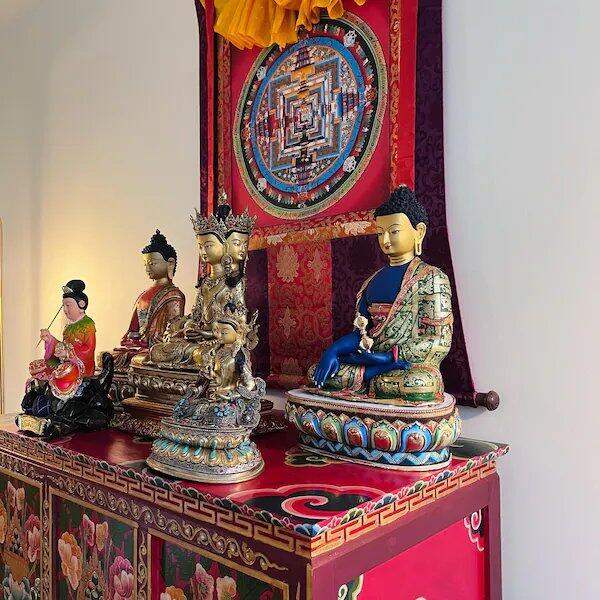
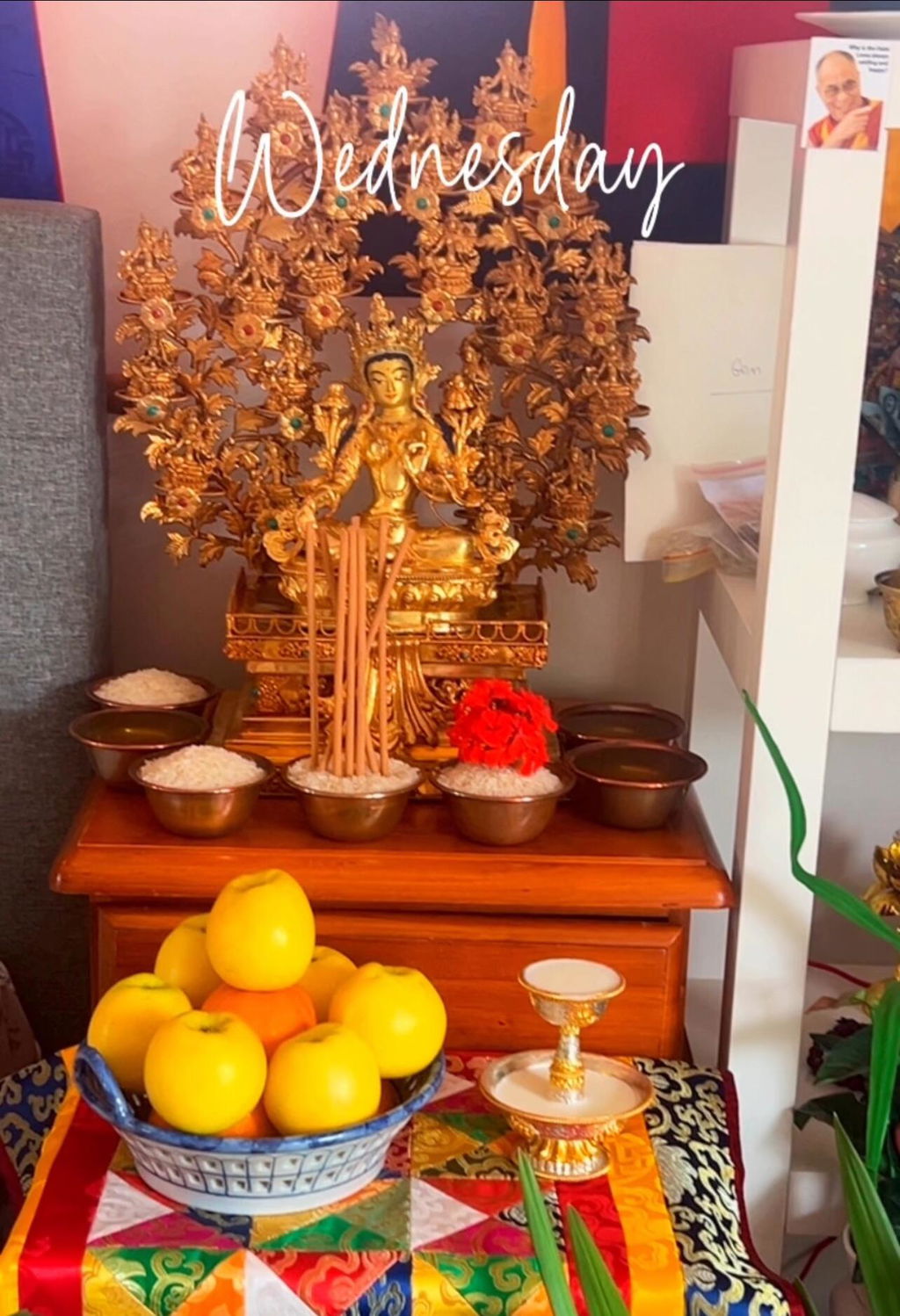
Altar Offering : Put flowers or butter Lamps in front of a Tara image or statue while doing your chant.
Where to Find the Sacred Tara Statue
If you are inspired to bring the serene presence of Tara into your home or meditation space, do check out Nidhiratna—a genuine e-commerce website offering a personally selected range of Buddha statues and Tara statues created by Nepal's best craftsmen.
Each one embodies spiritual profundity, cultural skill, and piety, which is just right for searchers everywhere.
Conclusion: Tara's Compassion in Daily Life
The stories and symbolism surrounding Green Tara and White Tara teach us that compassion is not a one-dimensional concept. It can be swift and fiery in combating suffering, or gentle and restorative in healing wounds.
Thus, in their divine duality, these Taras demonstrate that enlightened compassion is both power and peace: the power to protect and the peace to heal. Whether it is through paintings, meditation practices, or mantras, to recall their imprint is to cultivate this same infinite compassion in ourselves.


Share:
Jowo Rinpoche Buddha: The Sacred Heart of Tibetan Buddhism in Lhasa
Guru Rinpoche : The Eternal Guide Who Transforms Darkness into Light