

How to choose the right Buddhist Statue for Your Spiritual Intention?
At its core, a spiritual intention is between your inner values (who you are) and your outer actions (how you live). Bringing the right Buddhist statue into your space can offer a sense of protection and support the spiritual intention you wish to cultivate.
Before you bring a Buddha statue into your home, rethink your daily spiritual intentions. Whether it is a statue of Green Tara or Manjushri, the form you choose can become a meaningful support for your spiritual practice. Nidhiratna is here to support that transition with a curated selection of authentic Buddhist statues.
Choosing the Right Buddhist Statue Matters
A Buddha statue is a visual reminder of the qualities we aim to develop within ourselves. It is essential to ensure you get the right one to bring good luck to your life or space. When your purpose is clear, the statue’s symbolism will align more naturally with your spiritual endeavors.
Generally, people choose Buddha statues for three main reasons:
1. Daily Meditation and Spiritual Practice
Most people prefer a statue because it assists in keeping their focus and promoting mindfulness in their spiritual practices. The Dhyana Mudra is commonly known as the meditation pose of Buddha, which teaches one about the Three Jewels of Buddhism, which are the Buddha, the Dharma, and the Sangha, by going into deep concentration.
One can also meditate in the Dhyana Mudra by placing their hands on their lap, right hand over the left hand, and the palms are facing upwards. In this form, a triangle that represents the Jewels is formed with the hands.
2. Memorial and Remembrance
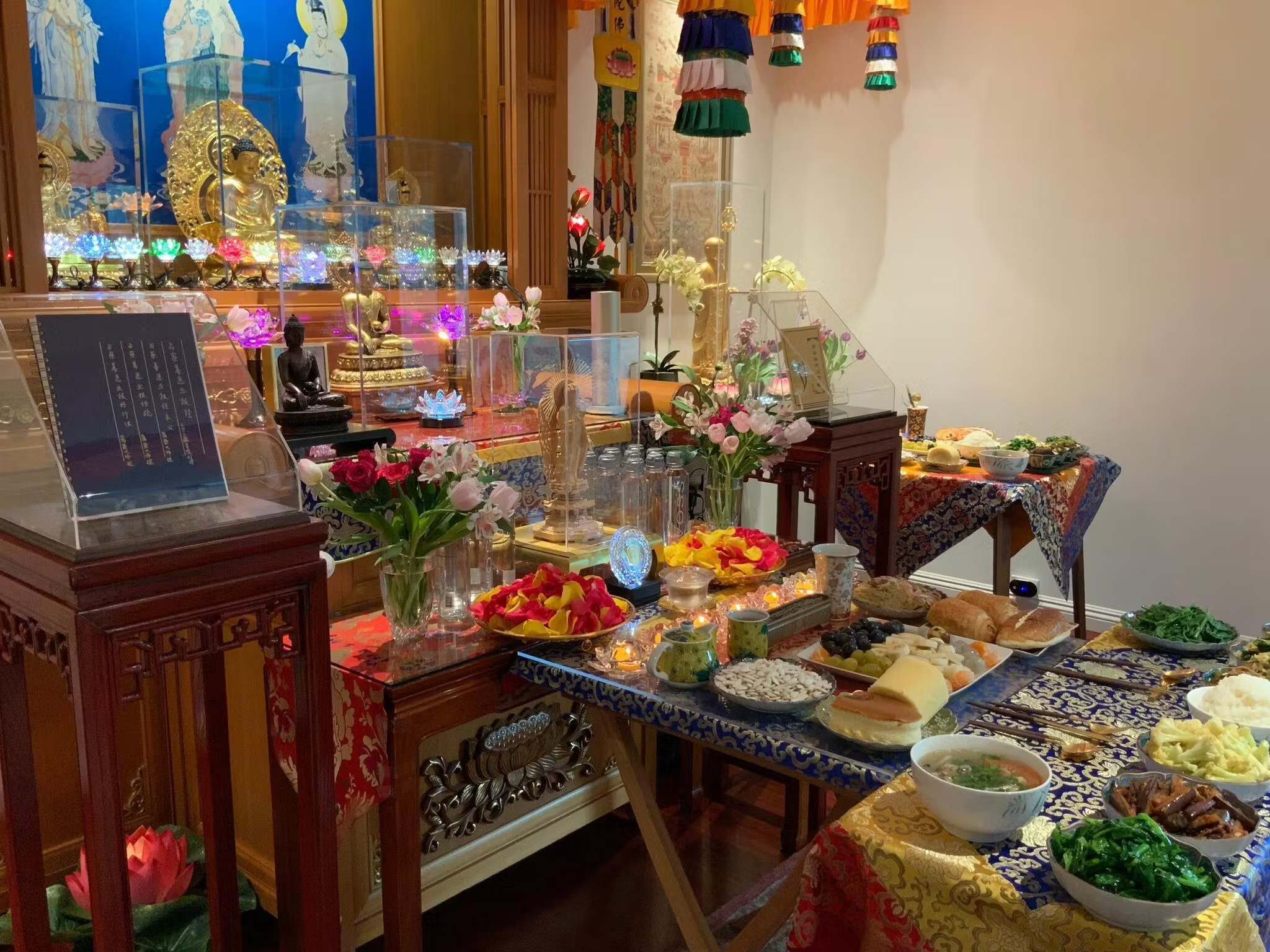
In Buddhist communities, it is common to see families engage in rituals such as the 49th-day ceremony in memory of their deceased loved ones. On such occasions, bringing Amitabha Buddha is considered auspicious. Another meaningful choice that is both beautiful and thoughtful is that of Amitayus, representing long life, healing, and blessings in this world.
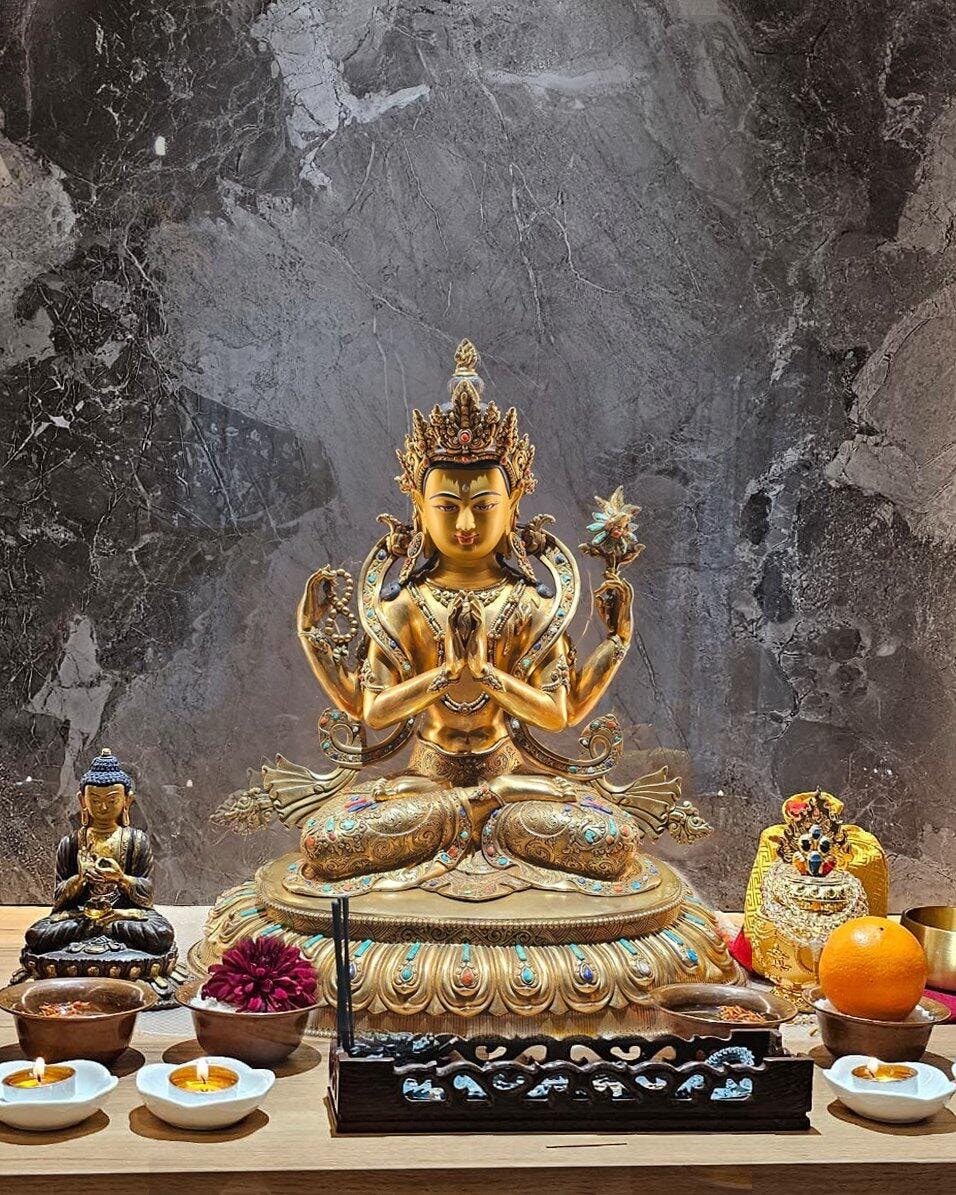
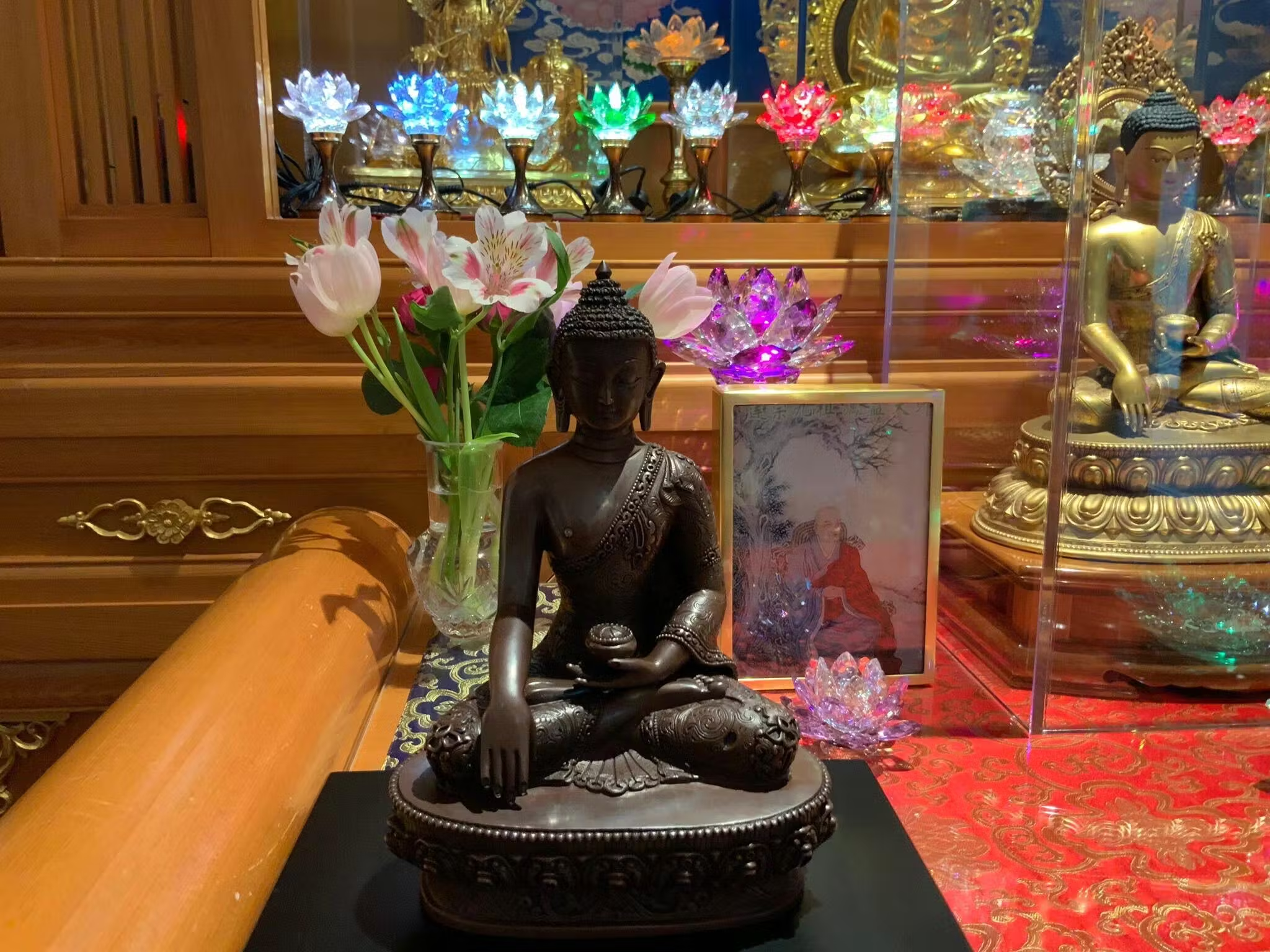
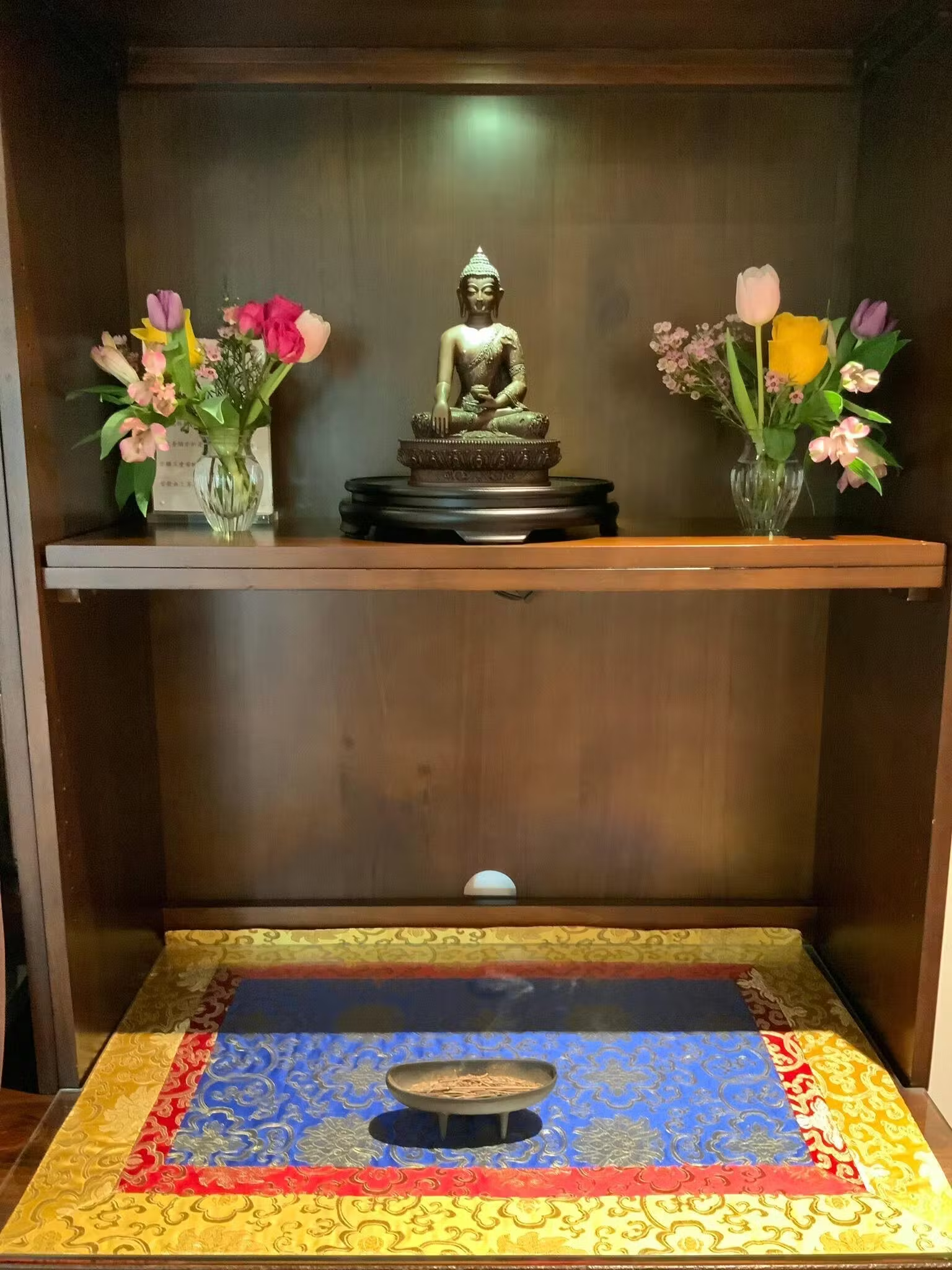
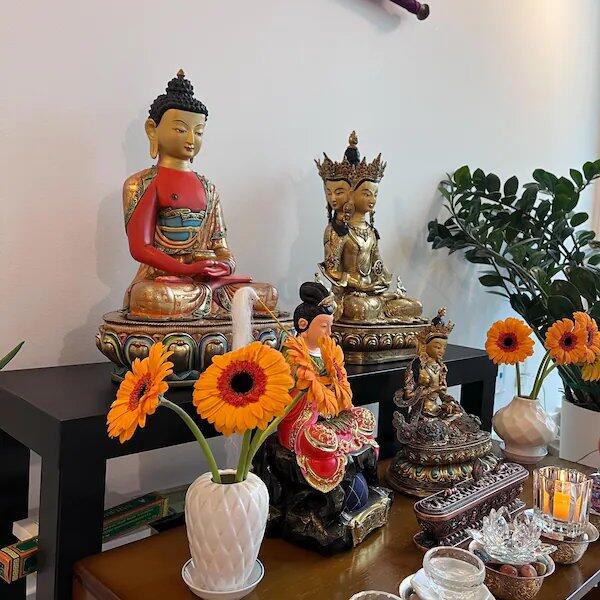
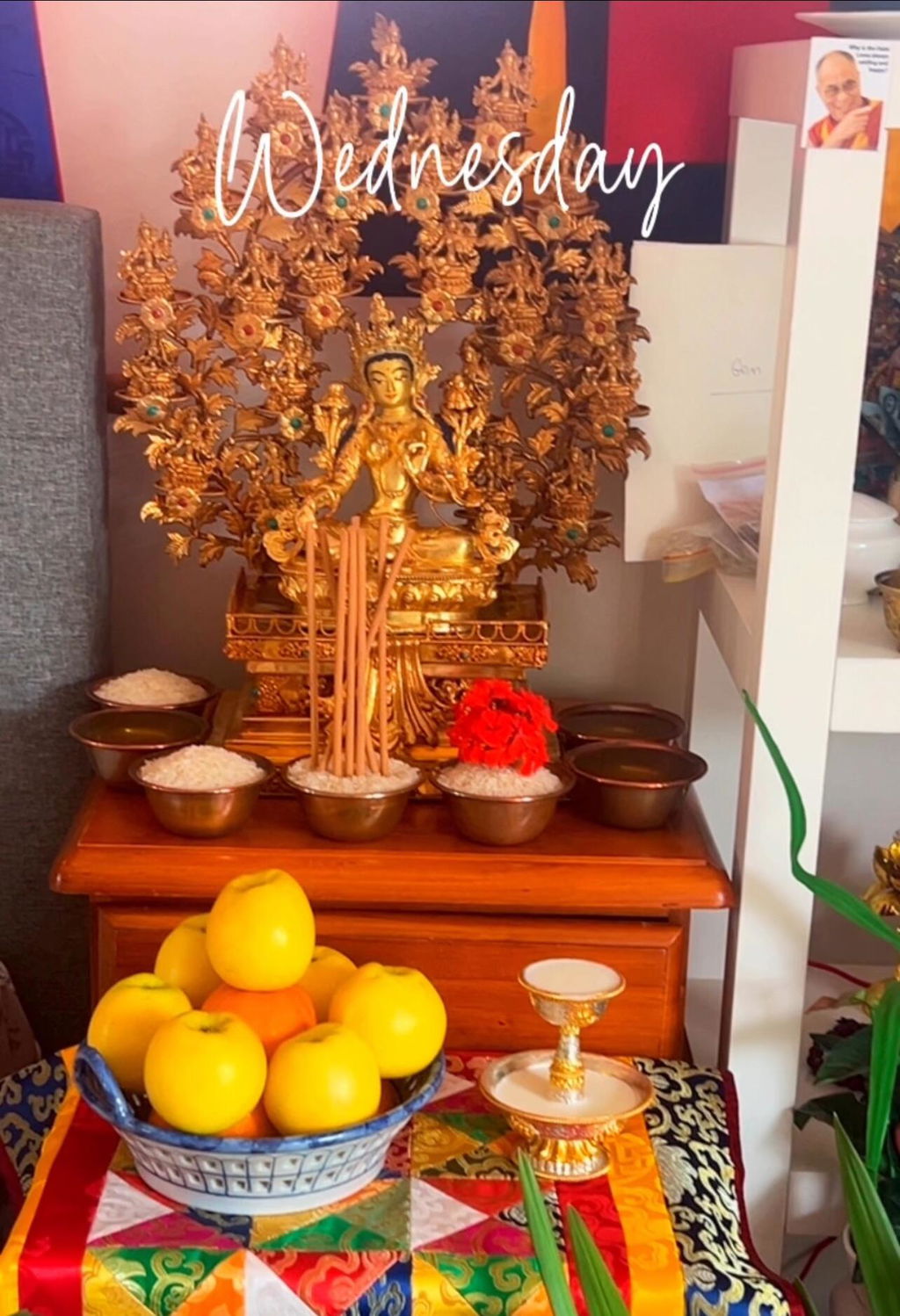
The figure is seen to extend prayers not just to honor the deceased but also to seek blessings for those still alive. These statues are usually displayed on a clean and dedicated Buddhist altar with offerings such as incense, flowers, and candles.
3. Cultural Appreciation and Respect
The Buddha statue is usually brought home so that people can enjoy the Himalayan craftsmanship and ponder universal values such as peace and compassion. In this regard, people are usually trying to create an environment that is peaceful, mindful, and respectful of spiritual values.
In this regard, a Buddha statue of Gautama Buddha, also known as Shakyamuni Buddha, is of great significance as it reminds people of spiritual values such as karma, impermanence, and the way to liberation. The head of Buddha is considered sacred, so nothing else must be kept above it. In addition, the Buddha is usually not placed in areas such as the kitchen, bathroom, or areas with shoes.
Buddhist Mudras: The Symbolic Language of the Hands
In Buddhist art, hand gestures called mudras are used, which carry deep symbolism. The Sanskrit word "mudra" means "seal" or "symbolic gesture." Each mudra is a symbol of a specific spiritual teaching and energy. Knowing more about the subject will enable one to understand more about the statue. It will also help one think more about the energy that they wish to create in their space.
-
Bhumisparsha Mudra
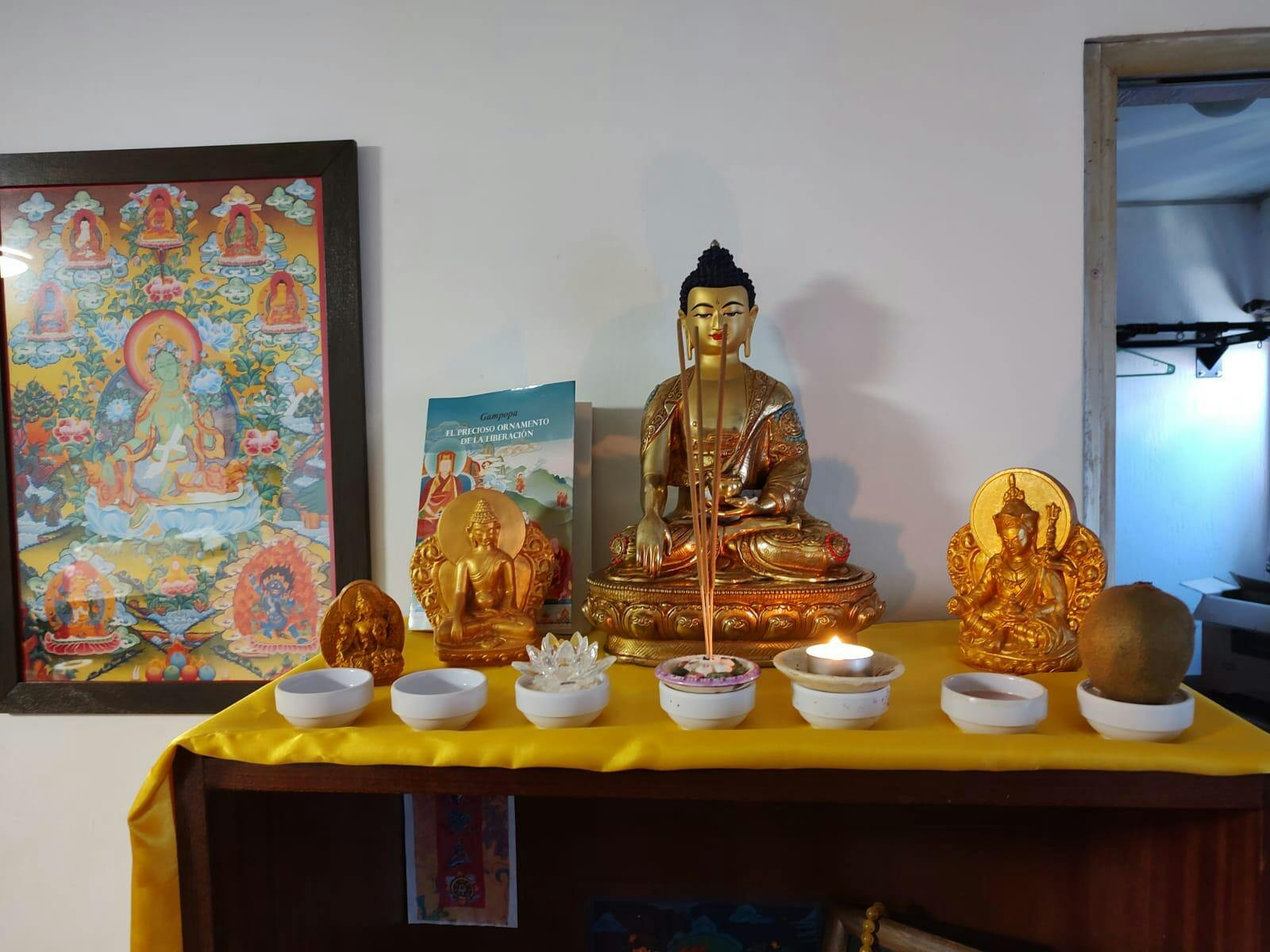
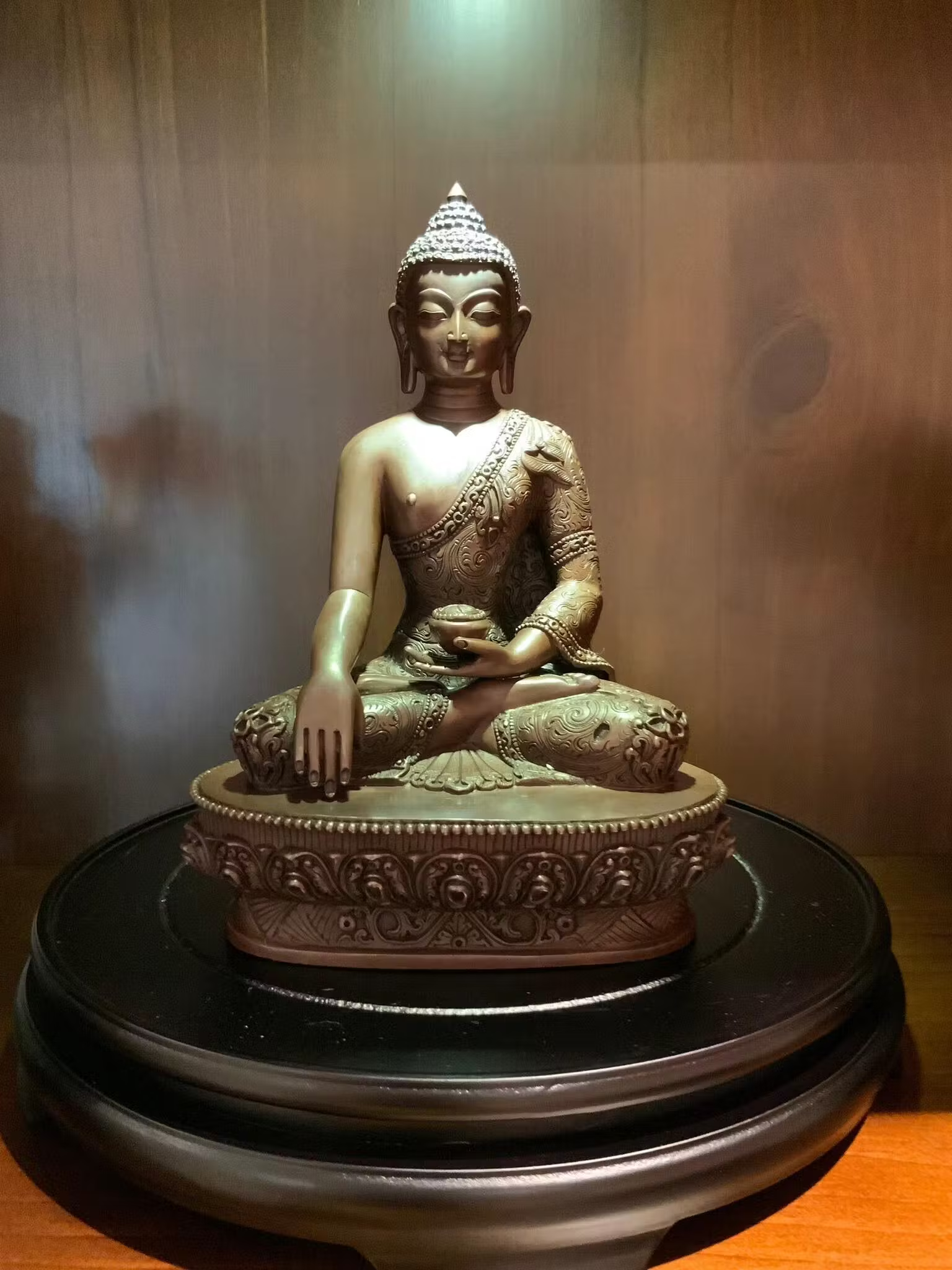
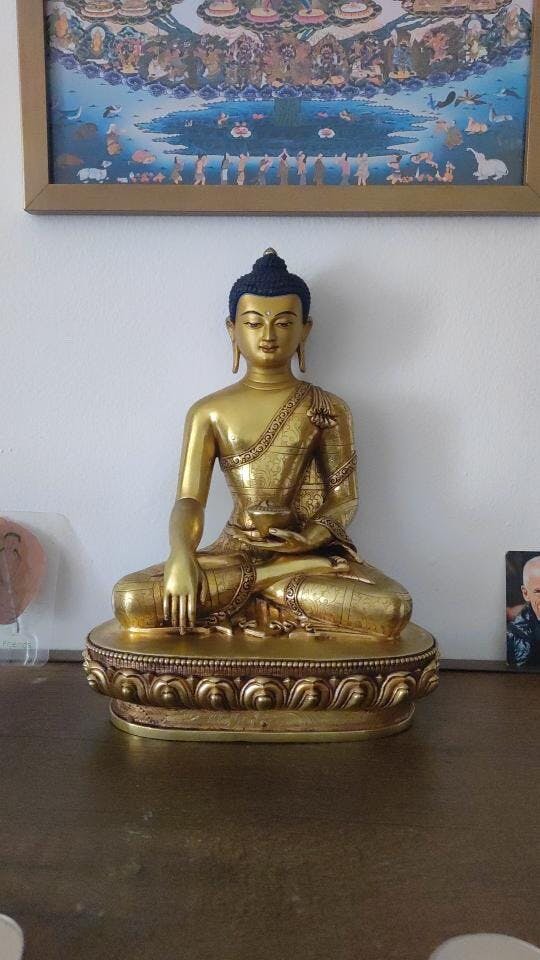
The Bhumisparsha Mudra, or the earth-touching pose, signifies the moment when the Buddha achieved enlightenment under the Bodhi tree. In this pose, the right hand touches the earth, while the left hand remains relaxed and placed in the lap. It signifies determination, resilience, mindfulness, stability, and the calling of the earth to witness truth.
-
Dhyana Mudra
The Dhyana Mudra, or the Meditation Gesture, is one of the most iconic poses of seeking mental clarity. In this pose, the hands are placed gently in the lap, with the right hand placed over the left hand, with the thumbs forming a triangle by touching each other.
-
Abhaya Mudra
The Abhaya Mudra is one of the most comforting and recognizable gestures in spiritual art in the East, meaning "fearlessness." It is commonly depicted in the Buddha statue, where the right hand is raised to shoulder height with the palm facing outward and the fingers together as if holding a shield.
There is a mythical story of how a raging elephant was later calmed before attacking Buddha, simply when the hand of Buddha was raised. This mudra is used for the removal of fear and loving-kindness. Placing this mudra in your home, whether at the entrance, in the living room, or in your workspace, can bring a sense of calm, courage, and reassurance into your daily life.
-
Dharmachakra Mudra
The Dharmachakra Mudra represents the Buddha’s first sermon, in which he shared his wisdom with the world for the first time. It is the gesture of the “Turning of the Wheel of Dharma," depicted by the Buddha holding his two hands close to his heart and the fingers forming circles. It inspires learning and contemplation and encourages us to be aware of the world around us.
-
Varada Mudra
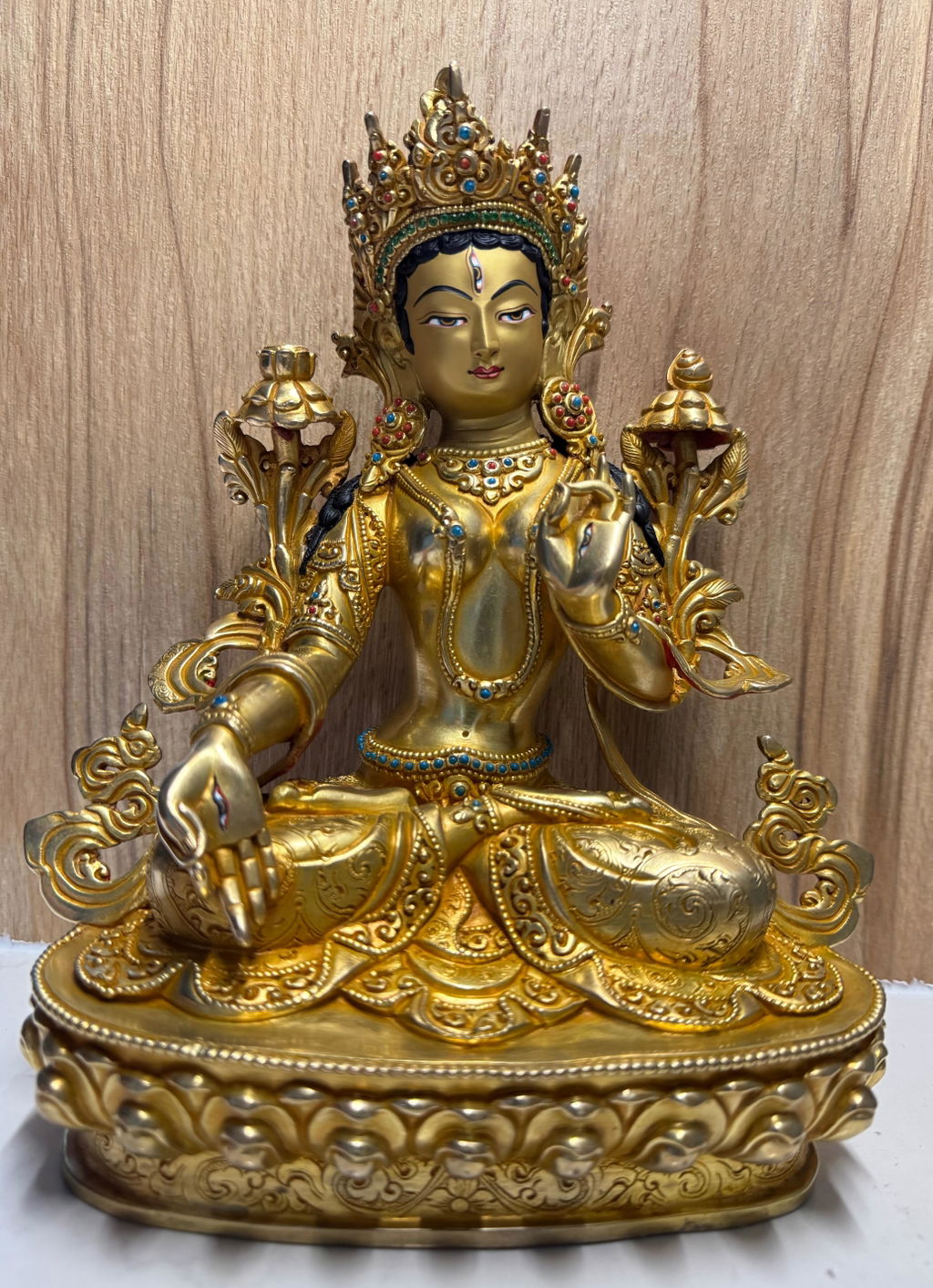
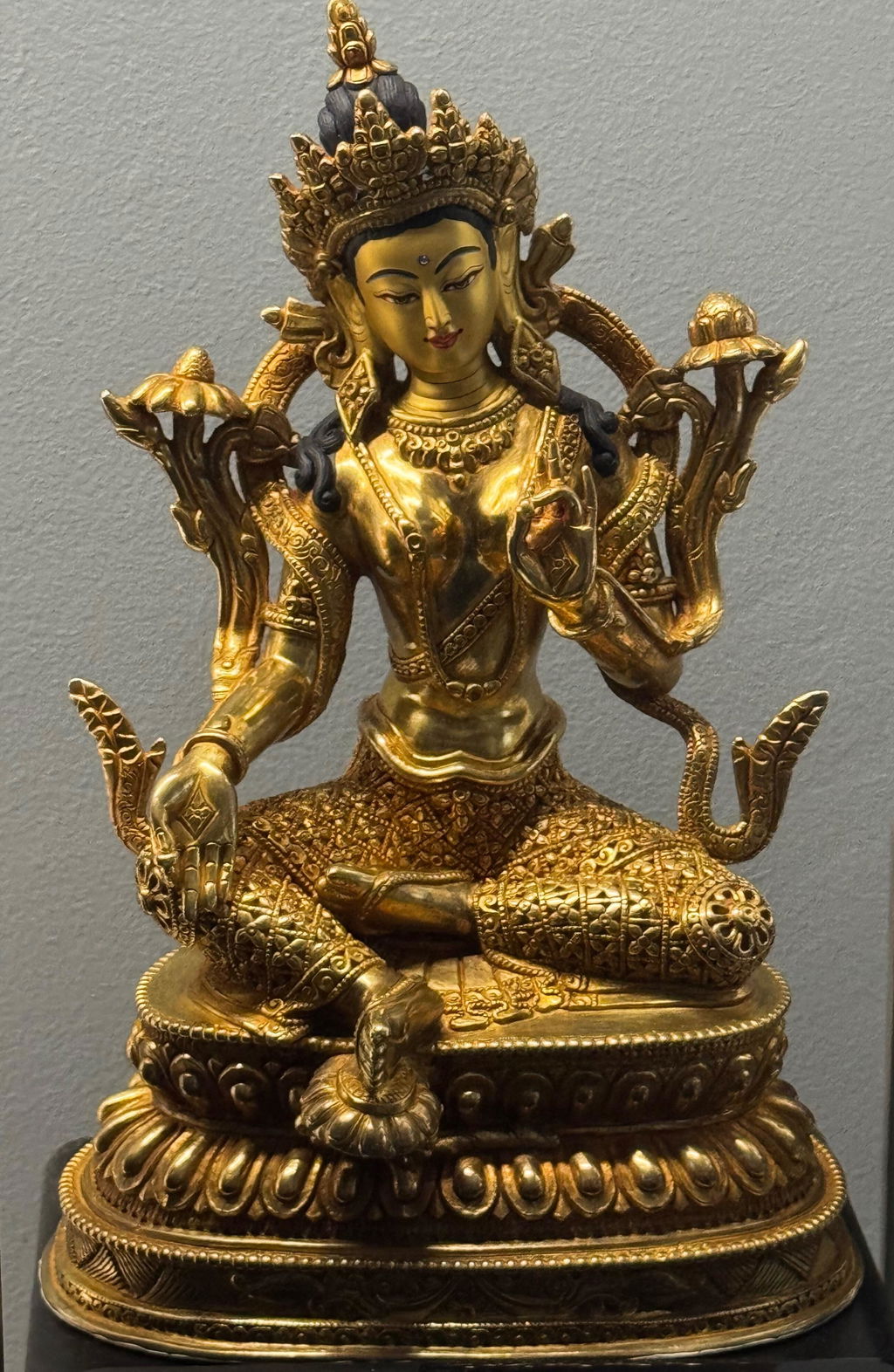
The Varada Mudra, meaning the gesture of compassion and generosity, signifies the act of giving and the giving of blessings. This gesture with the hand pointing downwards and the palm open signifies kindness, charity, and the willingness to help others. The Buddha in this mudra serves as a reminder to all to practice the virtue of generosity in life. and goodwill with the world.
-
Vitarka Mudra
The Vitarka Mudra, which is the gesture of discussion and intellectual insight, symbolizes the sharing of wisdom through discussions and intellectual insight. The circular form of the thumb and the index finger, with the hand raised, symbolizes the sharing of knowledge, logic, and teaching.
The presence of the Buddha in this mudra evokes the spirit of open-minded learning, meaningful discussions, and the quest for deeper understanding through inquiry, wisdom, and communication.
Different Buddha Figures and Their Energies
Buddhist traditions have various enlightened figures and bodhisattvas, each embodying unique spiritual attributes.
Shakyamuni Buddha
Shakyamuni Buddha, the historical Buddha, was born as Siddhartha Gautama in ancient India. He abandoned his worldly life in search of the truth of human suffering to meditate under the Bodhi tree that brought him closer to liberation. He is commonly seen touching the earth in the Bhumisparsha mudra.
Amida Buddha
Amida Buddha, known as the Buddha of Infinite Light and Infinite Life, represents boundless compassion and spiritual reassurance. It is believed to guide and welcome devotees to a realm of peace and enlightenment. This statue symbolizes hope, mercy, and salvation, reminding practitioners to cultivate faith, compassion, and trust in the path toward spiritual liberation.
Medicine Buddha
Bhaisajyaguru, also known as the Medicine Buddha or the Healing Buddha, is traditionally shown holding a bowl of medicine. He represents healing, health of body and mind, and the absence of suffering. In images of the Medicine Buddha, you will typically see:
- Holding a bowl of a myrobalan plant (an herb used in healing)
- Seated in a calm meditation posture
- His body may be blue, representing healing energy and purity
Avalokiteshvara (Kannon)
Avalokiteshvara, known as Kannon, is the Bodhisattva of Infinite Compassion and Deep Understanding of All Suffering. Avalokiteshvara is honored by many schools of Buddhism, which believe that the deity listens to the cries of the world with compassion, protection, and religious assistance.
Taras
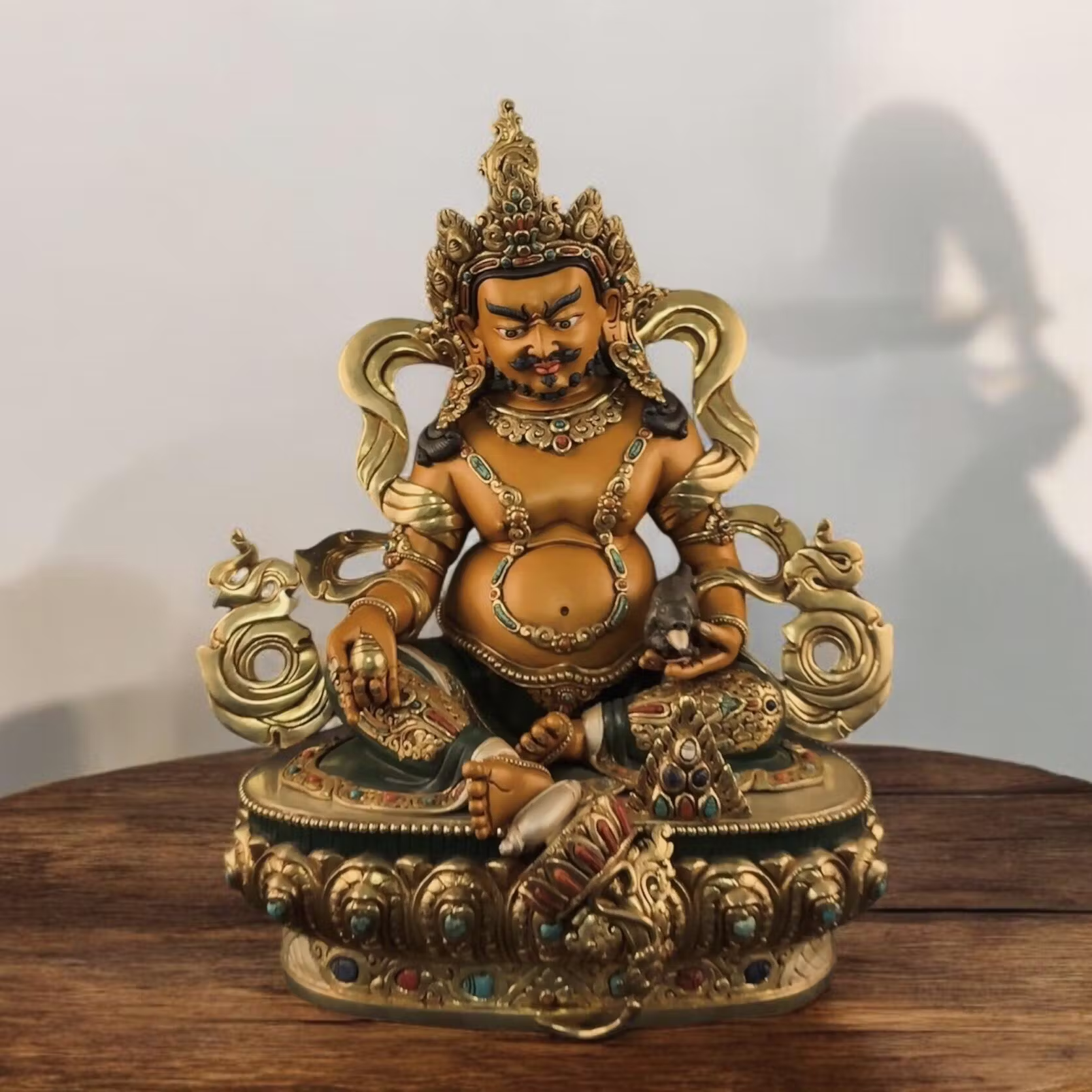
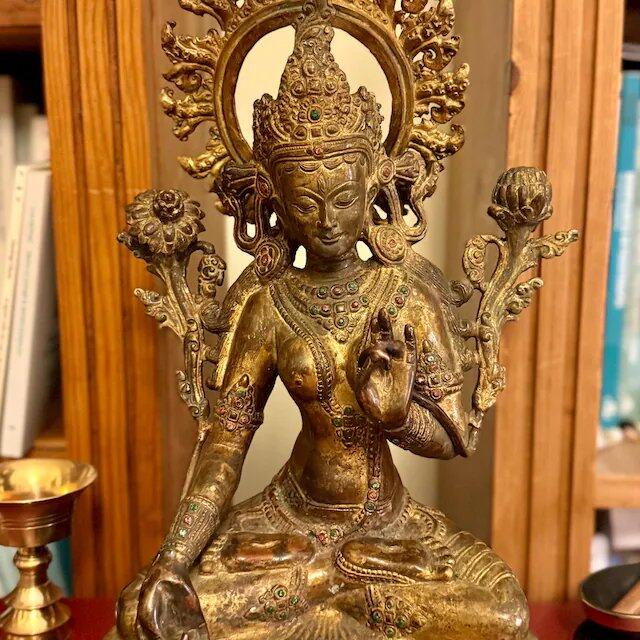
In the Buddhist tradition, Tara is the divine feminine manifestation of compassion, wisdom, and nurturing energy. One of them is the Green Tara for swift compassion and protection. The White Tara stands for peace, healing, long life, and spiritual serenity. Similarly, Red Tara stands for love and the power to attract positive energy; the Yellow Tara, for prosperity and generosity; and the Black Tara stands for powerful protection and the removal of negativity.
How to Recognize a Quality Statue?
When choosing a statue, look for signs of craftsmanship:
- A calm and balanced facial expression
- Well-formed hand gestures
- Smooth and clean joints or connections
- A stable base and balanced silhouette
- A well-crafted statue should feel visually harmonious and peaceful.
Best Locations & Tips- Nidhiratna
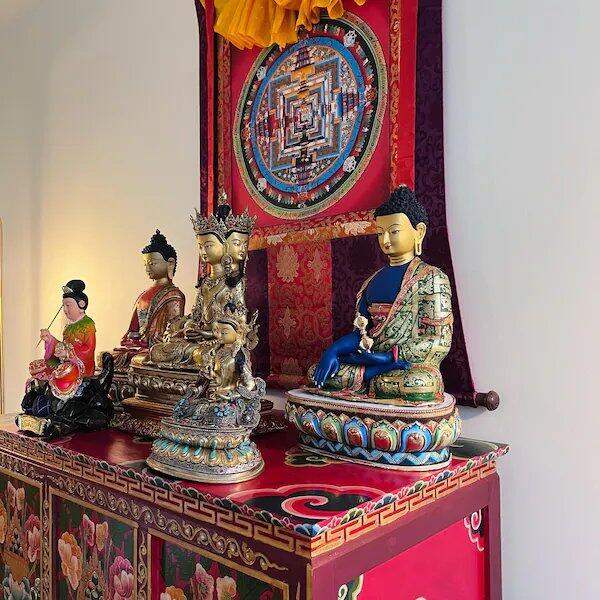
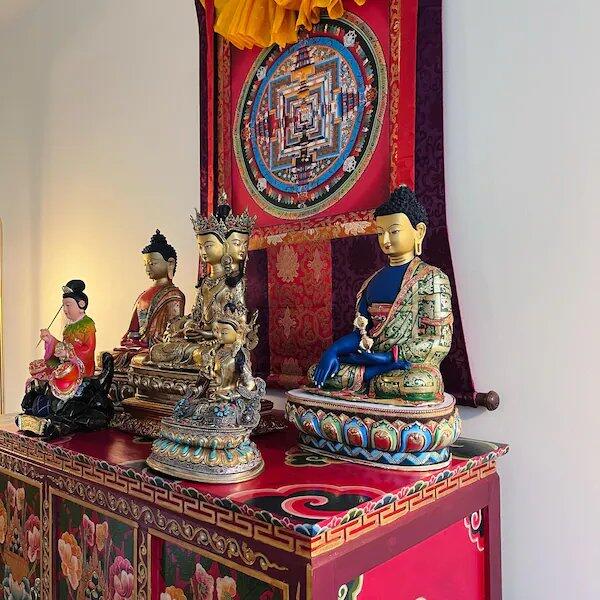
The Buddha statue should be placed in a peaceful place. At the entrance, the Buddha should face inside to attract positive energy. In the living room or meditation room, the Buddha should be placed on a higher table or shelf, preferably in the East or North-East direction, to spread peace and harmony. The study room corner can help you concentrate with calm thoughts. The garden or balcony will give you a peaceful view of nature, not facing South.
Conclusion
The Buddha statues crafted by Nidhiratna feature meaningful mudras and carefully chosen materials. They serve as a gentle reminder to cultivate and spread kindness. Each statue transforms your home, office, or meditation space into a sacred sanctuary where spiritual energy is palpable.
Contact Nidhiratna to be your source of clarity, strength, and harmony, adding elegance and inspiration to every space.
FAQs
1. Where do I place my Buddha at home?
The Buddha statue should be placed in a clean, peaceful, and elevated position, such as a meditation area or a prayer space. It should not be put on the floor or in a cluttered or ignored spot.
2. Can non-Buddhists keep a Buddha statue?
Yes, many people who are not Buddhist keep Buddha statues as symbols of peace, mindfulness, and spirituality. Here, the key is to display care, regardless of the religious background.
3. Does the size or material of the Buddhist statue matter at home?
The size and material are usually a matter of personal preference. The most significant thing is one’s purpose or reason for choosing a statue.
4. What should I consider before buying a Buddhist statue?
Before buying a statue, one should think about their spiritual goal, symbolism, statue position, and placement in their home. These are essential aspects that ensure that the statue is part of one’s meditation or spiritual space.


Share:
Manjushri: The Flaming Sword of Wisdom and Enlightenment
Peaceful Vs Wrathful Deity Statues: Understanding their role in Vajrayana Buddhism