

Understanding Asanas and Mudras in Buddhist Statues: Meaning and Symbolism
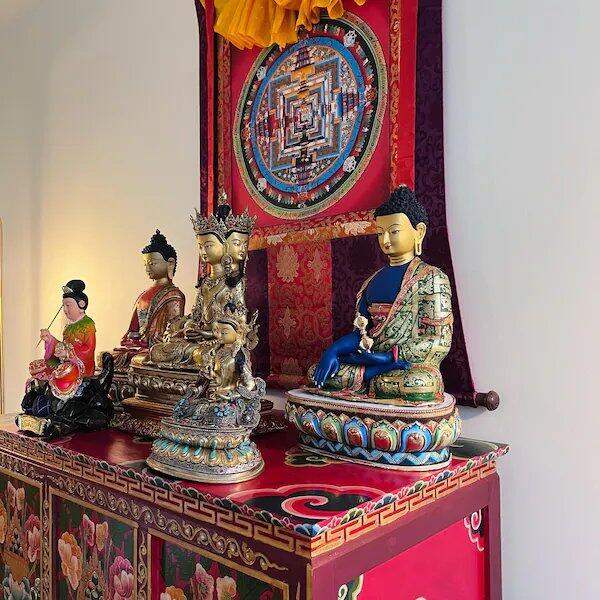
One of the most obvious aspects of a Buddhist statue is the posture it is portrayed in. The entire body position is referred to as an "asana" in the Buddhist visual arts. Every bend of the leg, tilt of the spine, or placement of the feet is made with purpose. The highly sophisticated form of Buddhist statue shows visual communication through asanas and hand positions known as "mudras" to express a particular idea.
The ideas conveyed can include the historical events of the life of the Buddha himself, such as his meditation beneath the Bodhi Tree, or universal teachings on compassion, fearlessness, and enlightenment. Our blog shall help you learn to interpret the sculptures and understand their symbolic meanings.
Decoding Asanas: The Postures of Awakening
1. Padmasana (The Full Lotus Position)
Among the various poses depicted in Buddhism is Padmasana. It refers to a position where the figure sits in such a way that his/her legs are crossed and their feet are pointing upwards. The posture is very much tied to meditation practices. It represents steadfast focus and absolute presence in which the mind is absorbed.
This is associated with purity and awakening to enlightenment coming out of human life experiences. It can be seen in many depictions of Amitabha Buddha and Shakyamuni Buddha. These are always portrayed sitting in deep meditation.
2. Virasana (The Half Lotus Position)
In Virasana, one foot is folded onto the other so that only one of them becomes visible pointing upwards. As opposed to the perfect symmetry of the traditional lotus position, this pose appears somehow more relaxed and grounded. The Virasana pose symbolizes the calmness and ease of Buddha after achieving enlightenment.
3. The Standing Postures (Samabhanga)
In Samabhanga, the Buddhist statue is upright with both feet equally grounded on the earth. The body is steady with no weight transfer, thus bringing out a stable and powerful appearance. The samabhanga is a position that brings with it a sense of dynamism. This is because it represents when Buddha moved out to give teachings, blessings, and guidance to others.
4. The Reclining Buddha (Mahaparinirvana)
In this representation, Buddha is shown lying down. Buddha lies at ease in this posture by lying his body on his right side with his head either placed on his hand or a pillow. In this posture of Buddha, there are glimpses of his final moments before achieving Parinirvana. It is neither sorrow nor mourning; it is just liberation from the cycle of birth.
Understanding Mudras: The Power of Hand Gestures
In Buddhist art and ritual, however, the mudra transcends its literal definition of being merely a gesture of the hands. They have significance and energy in them. The observer can gain much from them as one studies and learns about their meanings, more than meets the eye.
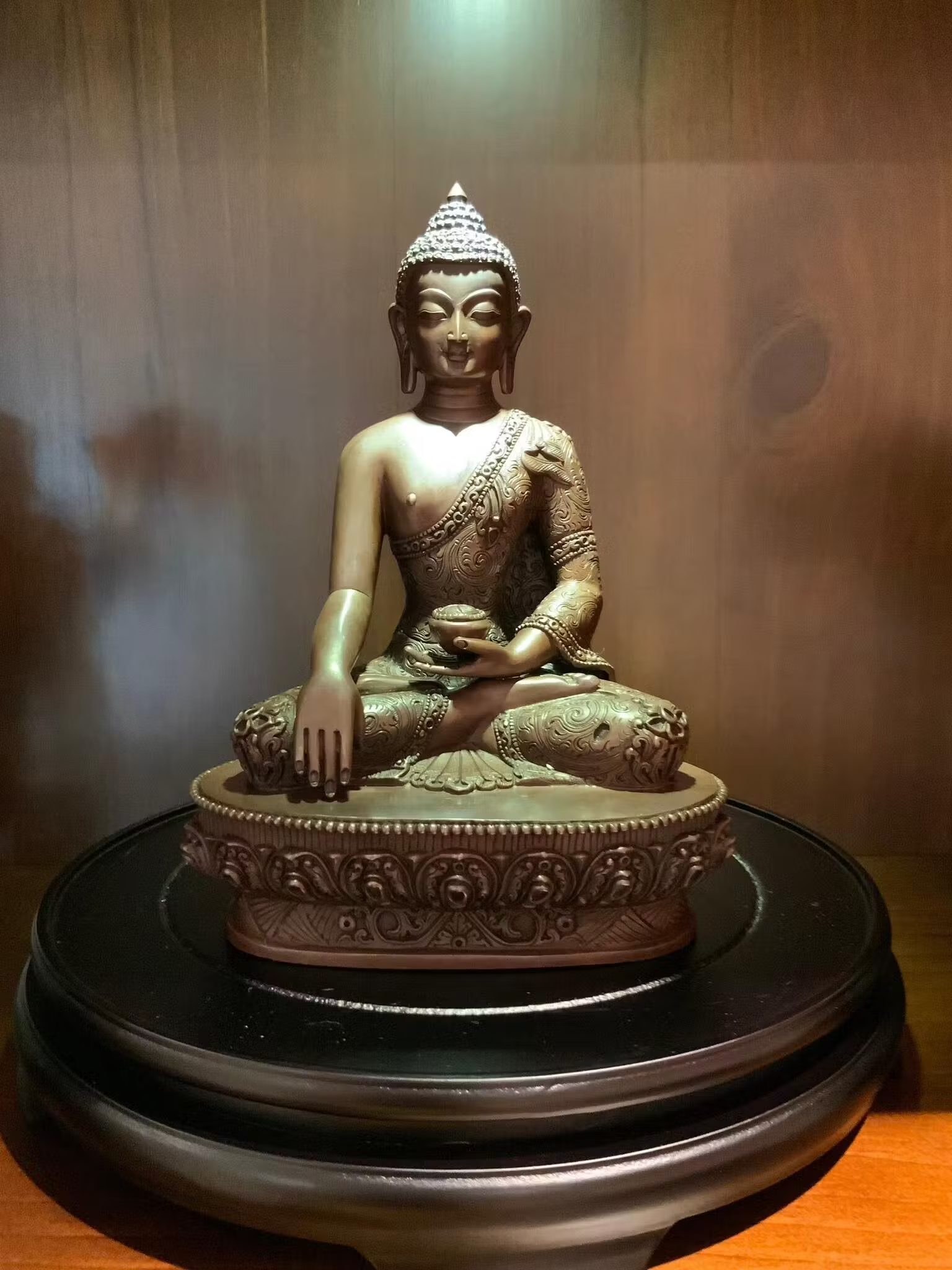
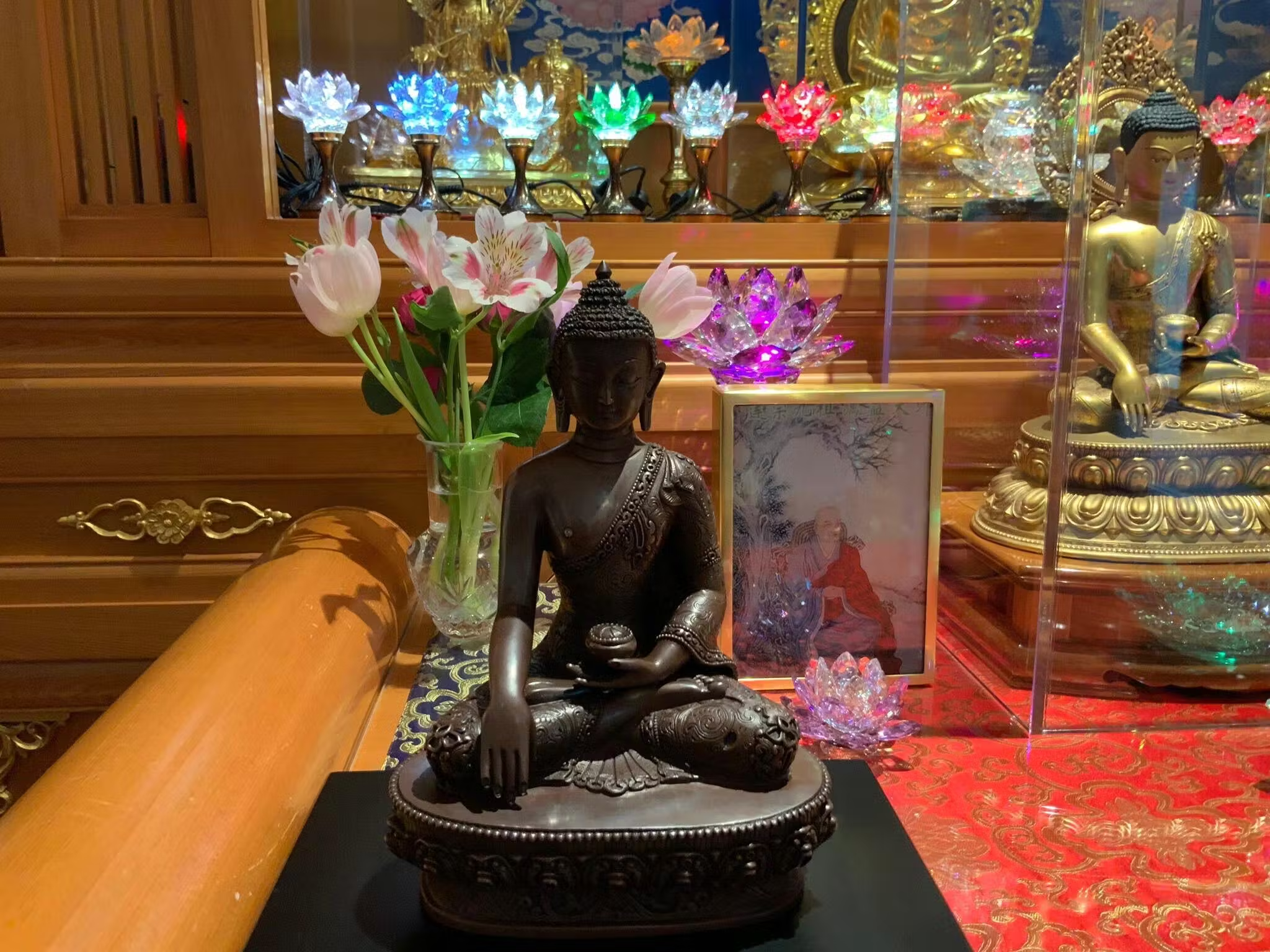
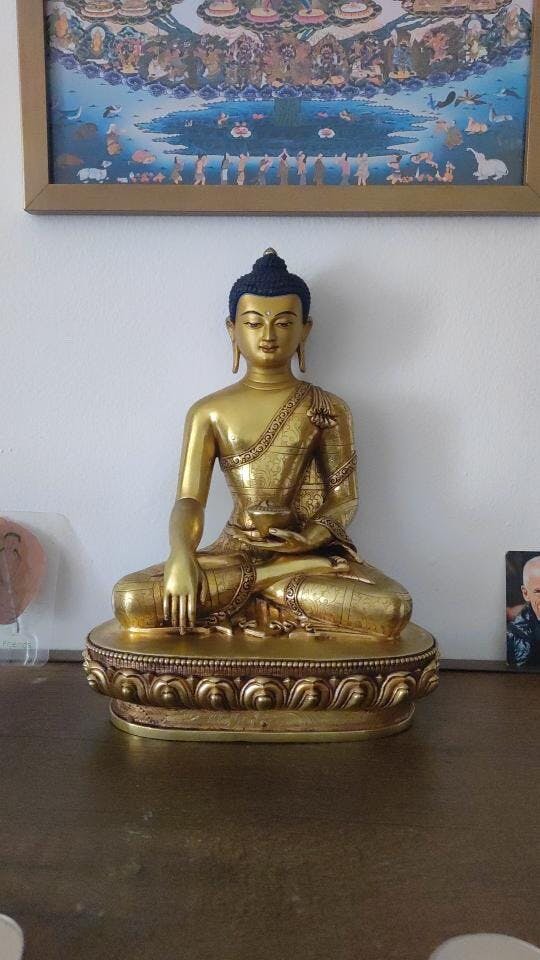
1. Bhumisparsha Mudra (Calling the Earth to Witness)
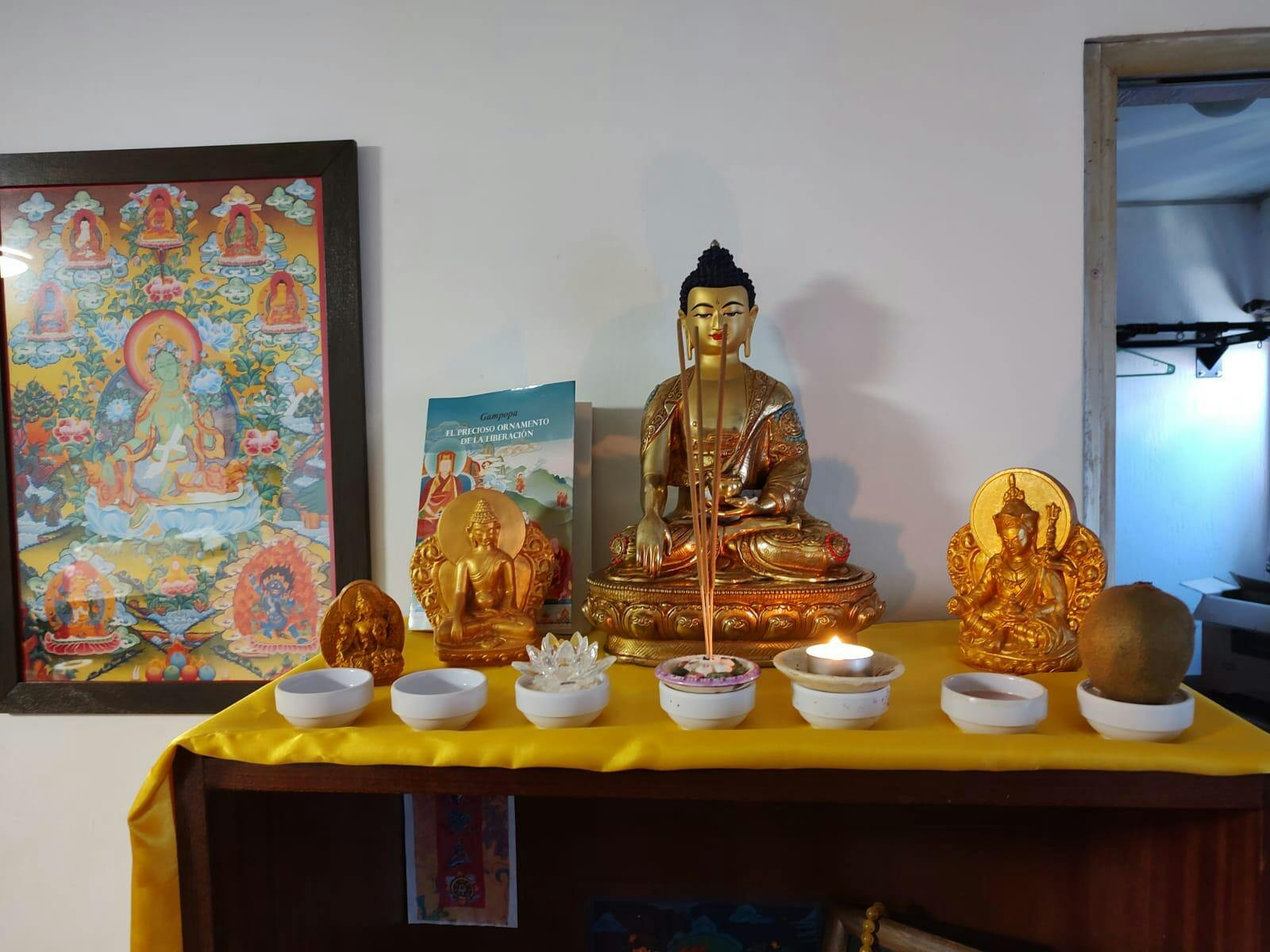
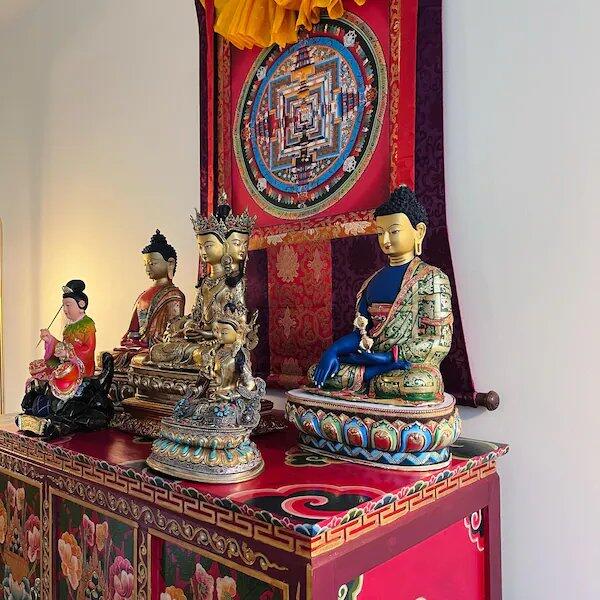
In this mudra, the right hand is extended outside the body to touch the earth, and it lies peacefully in the lap. The Bhumisparsha Mudra represents a very significant incident from the life of Buddha, Gautam Buddha, wherein, at the time of attaining enlightenment, when he was being threatened with doubt and illusion (symbolically depicted by Mara), instead of becoming afraid, Buddha called upon the earth to be his witness.
2. Dhyana Mudra (The Meditation Gesture)
In Dhyana Mudra, both hands remain calmly placed on each other on the upper thighs, palms open upwards. The right hand is laid over the left, with the thumbs touching to form a triangle.
The significance of this mudra lies in the stillness and quietness that it denotes. The mudra is all about balance, reflecting the presence of mind in a person who no longer has anything to do but be. There is peace in such a gesture, as well as an awareness that comes from the mind’s ability to think without being disturbed by thoughts.
3. Abhaya Mudra (The Gesture of Fearlessness)
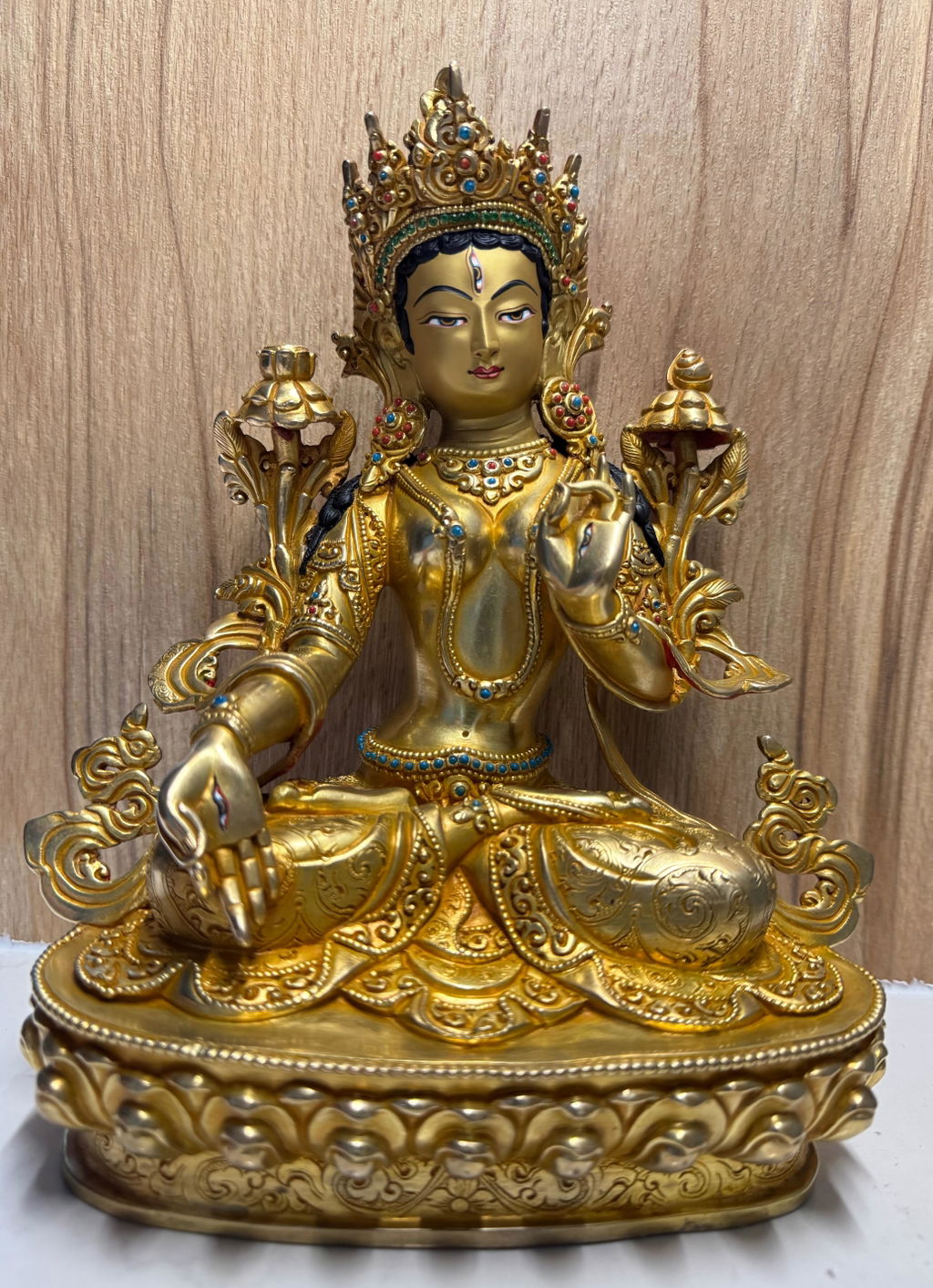
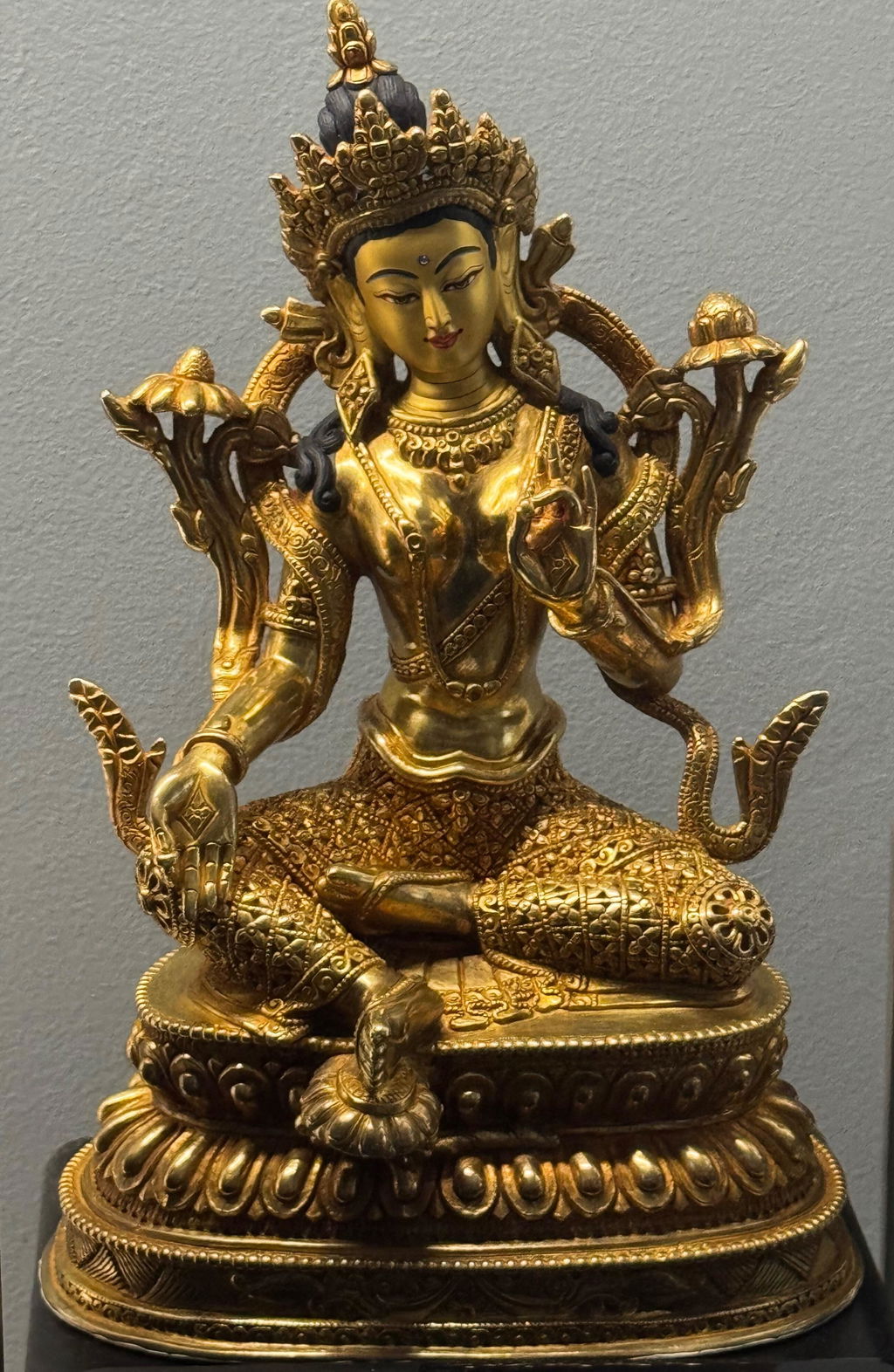
One of the most primitive mudras in Buddhist symbolism is the Abhaya Mudra, which translates to “fearlessness” in Sanskrit. Raising one’s hand without holding anything has existed for centuries, but before becoming a sacred gesture, it was simply an instinctive act performed by someone intending to communicate that he or she poses no threat.
The origin of the Abhaya mudra is popular among Buddhists; it is a symbolic representation of the act whereby the Buddha used his divine power to pacify an agitated, drunk elephant named Nalagiri by simply raising his right hand. Abhaya mudra is evident in the images of the walking or standing Buddha. This school of Buddhism regards Abhaya mudra as the cosmic Buddha of the north, known as Amoghasiddhi, who transforms envy into enlightenment through fearless energy.
4. Dharmachakra Mudra (Turning the Wheel of Dharma)
The Dharmachakra mudra symbolizes the process of transferring knowledge from one person to another. The position of the hands in this mudra is such that they are held close to the chest while their fingers make a circular movement. The hands generally touch each other, giving an appearance of oneness.
This mudra has been traditionally associated with the first sermon of Gautam Buddha in Sarnath. It seems to be a continuously revolving mudra that teaches people about the turning wheel of Buddha, representing the end of suffering.
5. Varada Mudra (The Gesture of Charity)
In the Varada Mudra hand gesture, the arm extends outward and downward, while the palm opens up, and the fingers point down naturally. The significance of this hand gesture is associated with one's humble deed of kindness as well as the wish-fulfillment or blessing-giving. In addition to this, the message of the Varada Mudra is receiving abundance
Nidhiratna: Bringing Mindfulness into Your Space
Every mudra has a subtle meaning attached to it, but taken together, they create something much more powerful and an implicit reminder of living mindfully.
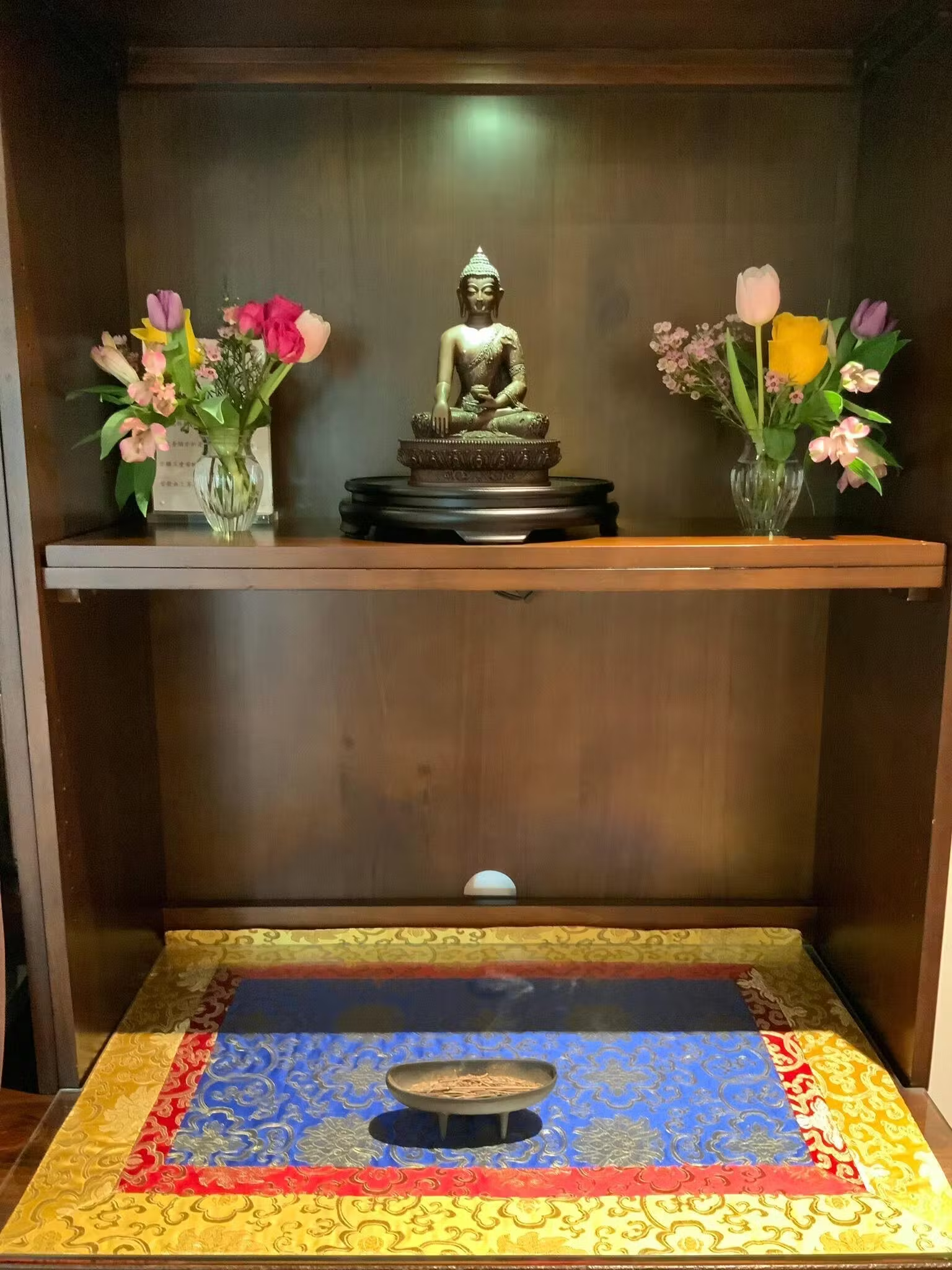
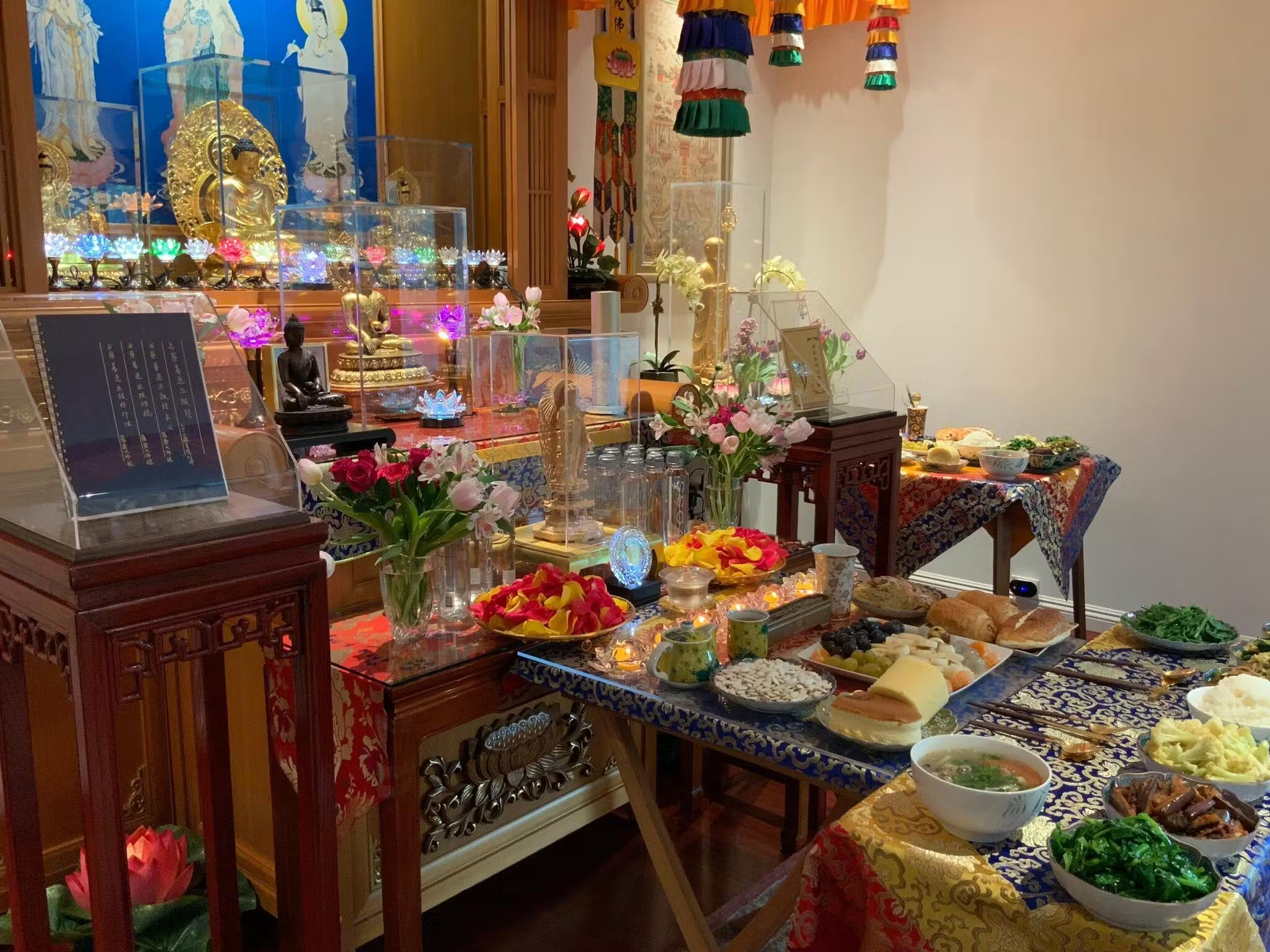
Each statue of Buddha embodies an idea or message; however, when it comes to their meanings, it is not about decorating one’s house but more about the spiritual experience that people have in different stages of life.
Contact us today and get your favorite Buddhist statue from Nidhiratna.
FAQs
1. What is the basic difference between Asana and Mudra in Buddhism?
"Asana" refers to the pose of the Buddhist statue, either sitting, standing, or lying. On the other hand, a mudra is a particular hand gesture relating to events such as enlightenment, teaching, meditation, etc.
2. Why does Buddha keep touching the earth?
This is because the gesture shows the enlightenment of Gautama Buddha. Touching the earth was a way through which Buddha asked it to be a witness to his life, overcoming Mara’s temptations, achieving awakening, and hence becoming one of the greatest and most commonly used gestures.
3. What is the symbolism of the Dhyana Mudra?
The triangle formed during the Dhyana Mudra represents the three guiding foundations on the spiritual path. Together, they represent the presence of wisdom (Buddha), the guidance of teachings (Dharma), and the support of a community (Sangha) walking the same journey.
4. What does the Lotus Posture (Padmasana) represent?
The Lotus Posture, or Padmasana, reflects a state of deep calm and inner stillness in Gautama Buddha. It represents a mind that is steady, balanced, and fully absorbed in meditation.


Share:
Amitabha Buddha: Understanding Sukhavati and the Path to the Pure Land
Vairocana: Meaning, Symbolism, and the Central Dhyani Buddha in Vajrayana Buddhism