

Handicrafts in Nepal: Cultural Pride, Artistic Legacy & Timeless Beauty
Handicrafts are the traditional pieces of heirlooms. In a nation such as Nepal, every Thangka painting, statue, and idols hold a certain pride in the form of artistic legacy. These handicrafts have been passed down from generation to generation with the meaning and creativity that cannot be replaced by machines.
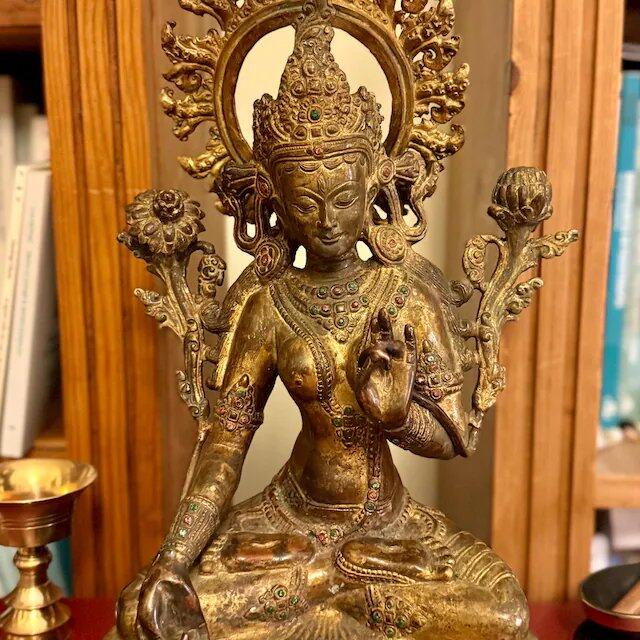
Nepal retains the living tradition of the Licchavi and Malla periods in its temples, courtyards, and common homes. Expert Newar craftsmen have given Nepal a unique cultural identity through the craftsmanship passed down from generation to generation. The unique pieces of idols of Tara, Buddha, Thangka paintings, and ritual objects made of pottery are something you can grab from our store.
More Than Craft: A Living Tradition
Nepalese handicrafts are not museum pieces. For the Newari craftsmen, their craft is a symbol of devotion shown to their deity. This learned skill is a sacred visual language of symbols, faith, and heritage. They are getting recognized on national and international platforms.
To save the handicrafts, collective responsibility is necessary. Keeping that in mind, the craftsmen, society, government, and thoughtful consumers must work together to save these handicrafts from extinction and duplication. By maintaining the integrity of the culture and innovating with a thoughtful approach, the artisanal heritage of Nepal can be sustained for years to come. To bring a Nepalese handicraft into your home means to bring in the power of renewal. Each purchase pays homage and contribute a lifestyle of the artisan who blesses us with the artistic expression of our choice.
In a new age environment, our people are slowly searching for the roots and believing that spiritualism is a thing. Nepali ancestors has showed a path, and they help preserve the teachings of God in the form of handicrafts. From Buddhist statues and ritual objects to thangka paintings and metalwork, these handicrafts are inextricably linked to the spiritual and cultural heritage of Nepal. They represent qualities such as patience, discipline, and reverence for materials that are in short supply in today’s rapidly changing world.
Metal Crafts in Nepal
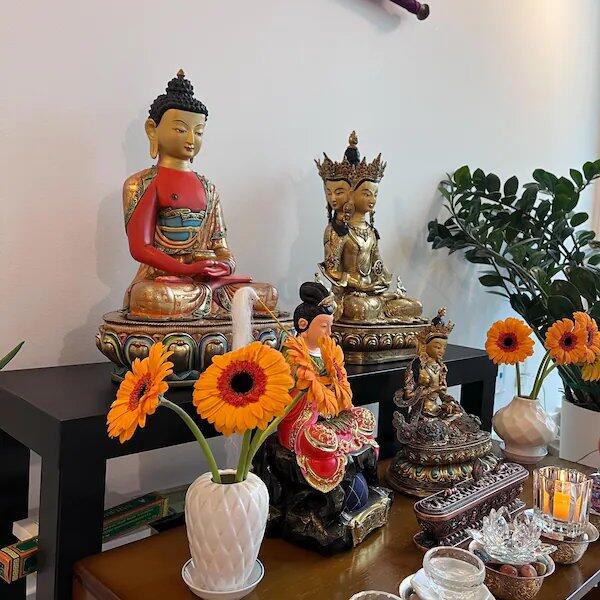
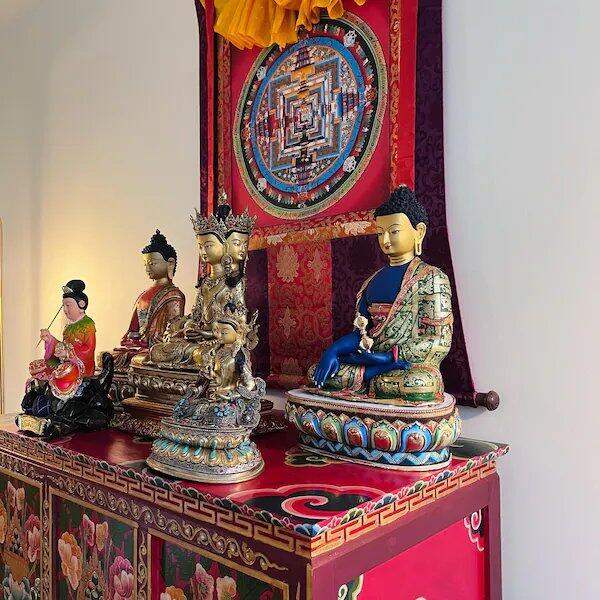
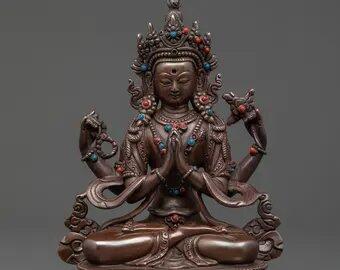
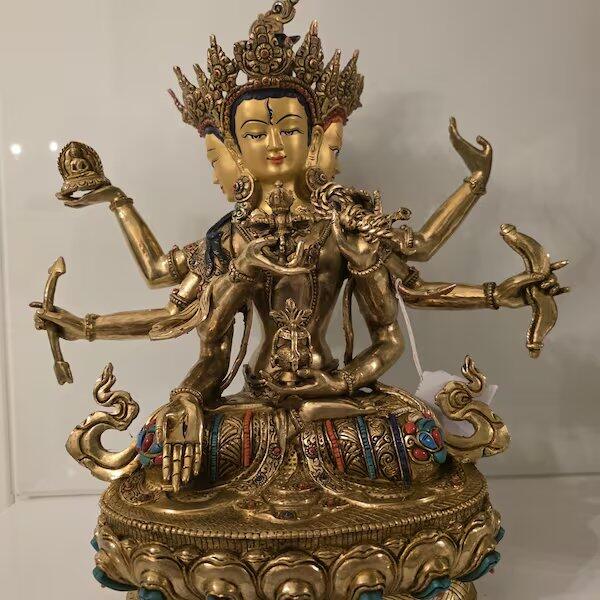
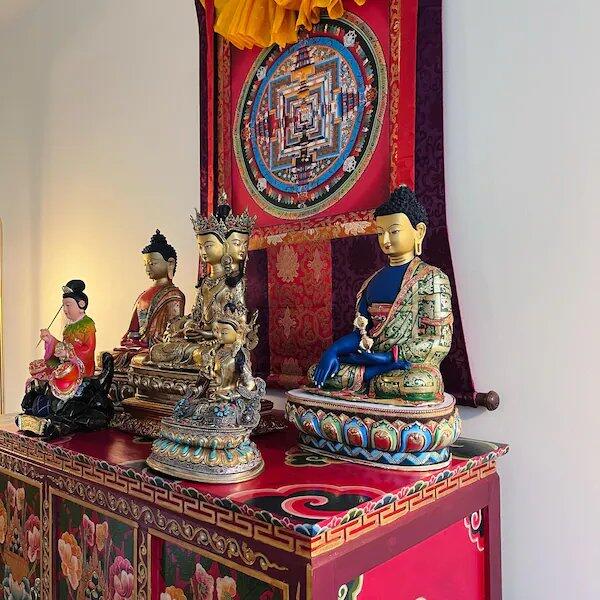
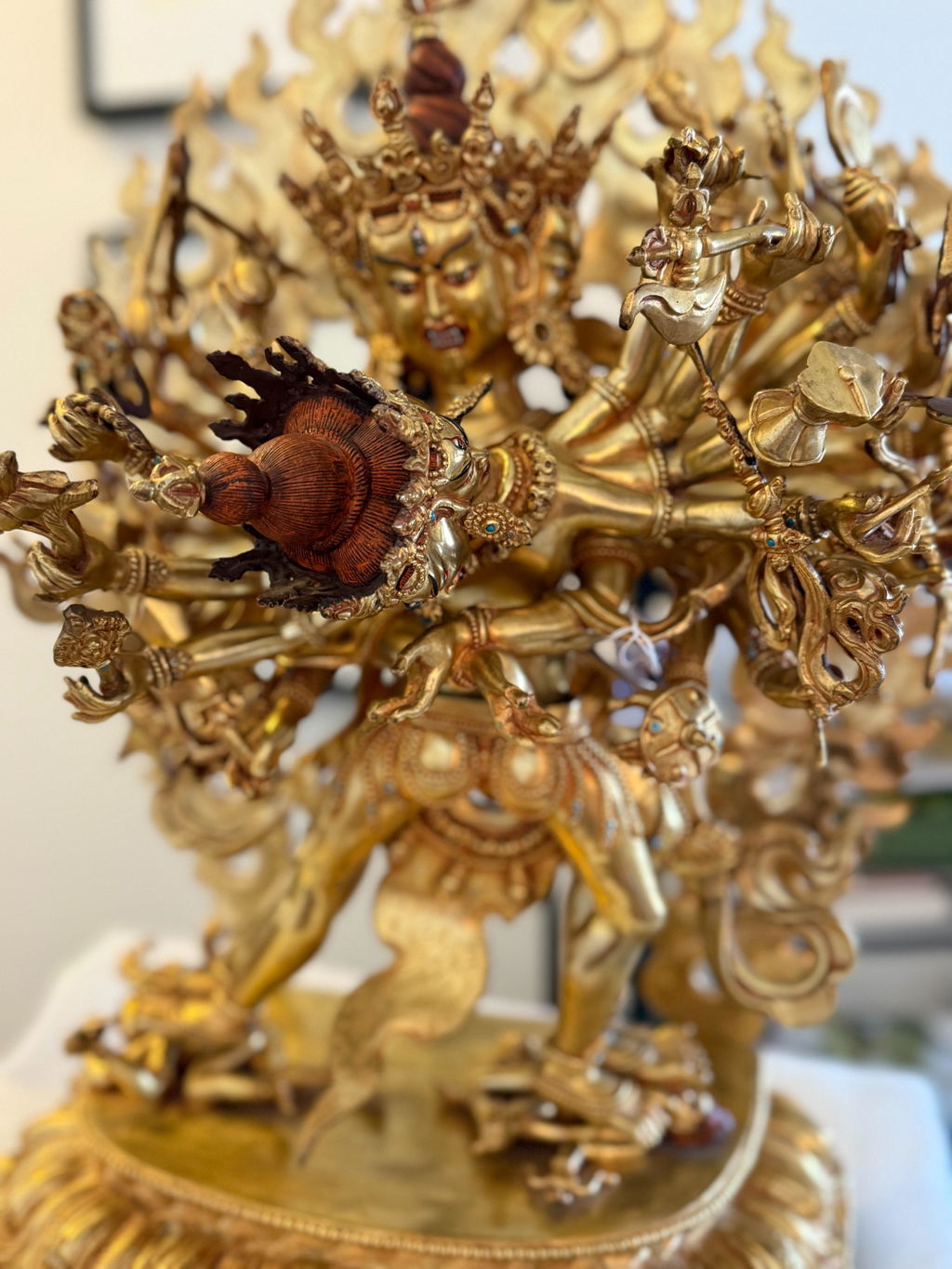
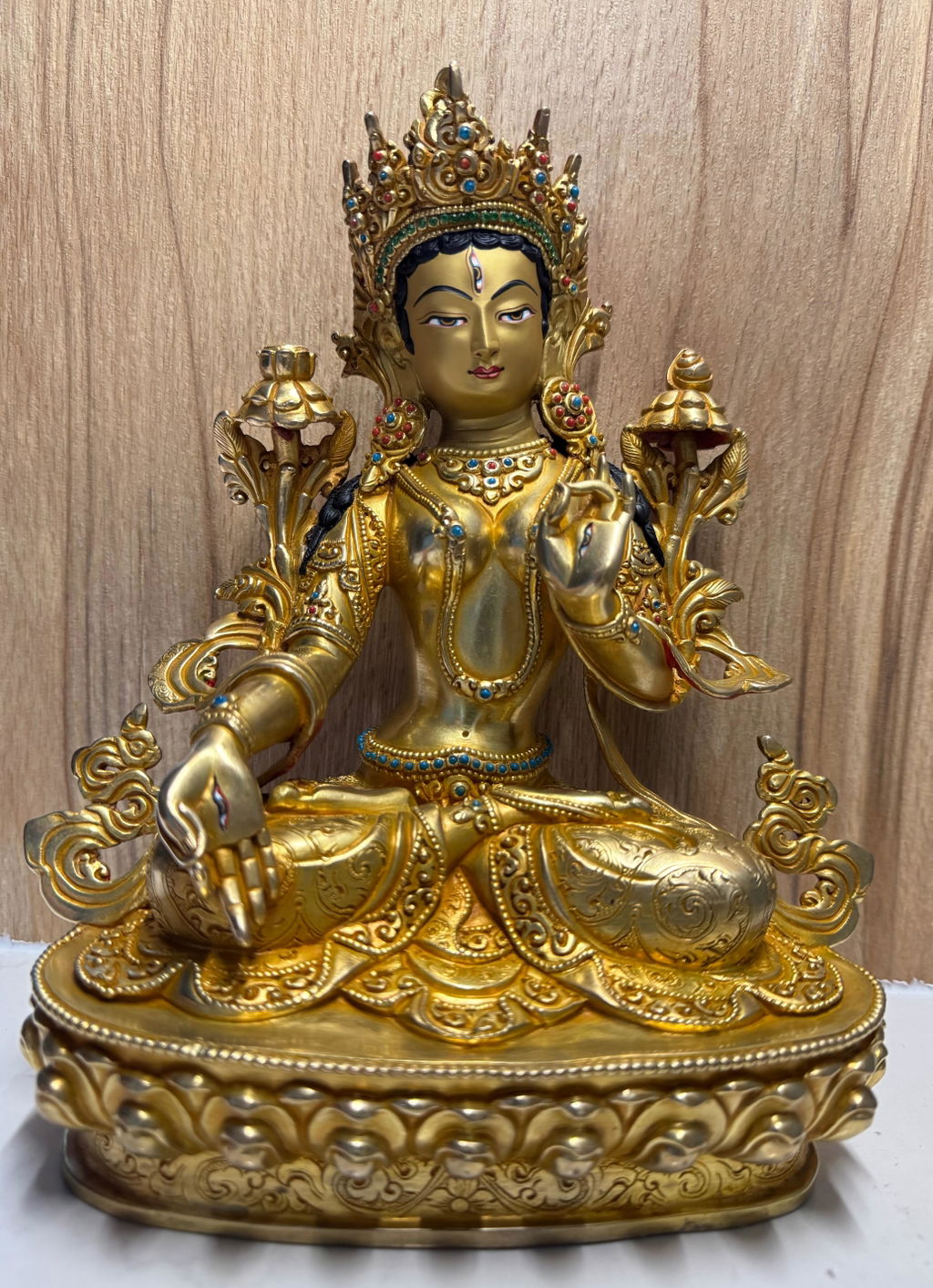
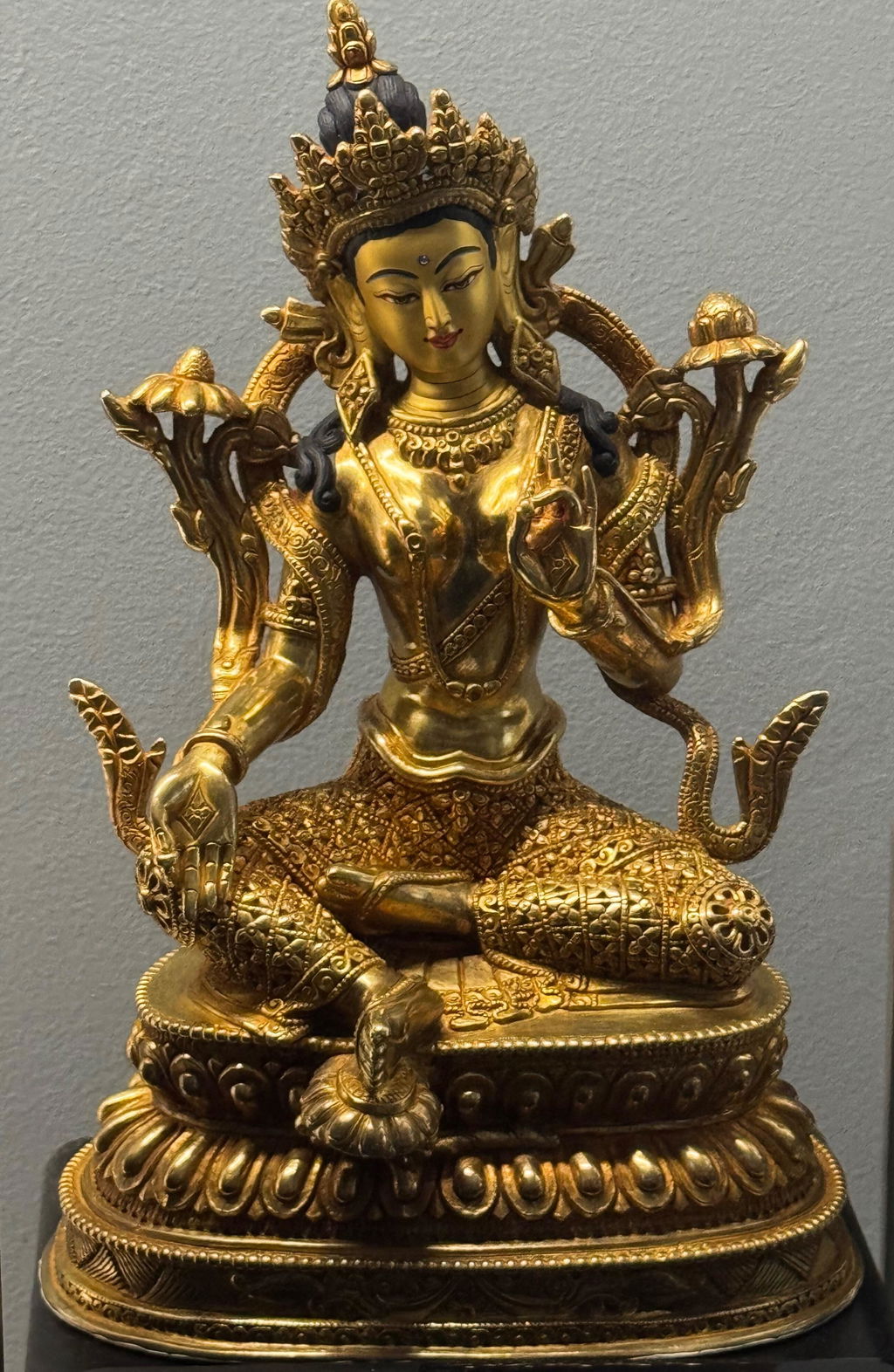
Handmade statues of Buddha, Tara, Manjushri, and Hindu gods from Nepal are made of bronze, copper, brass, and silver metals to adorn temples, altars, and meditation halls. These dates back to the Licchavi period (4th-9th century) and reached its peak in terms of artistic excellence during the Malla period (13th-18th century). On closer observation, the history of wood carvings on doors, windows, and struts of temples, palaces, and Newari houses reveals our own practice.
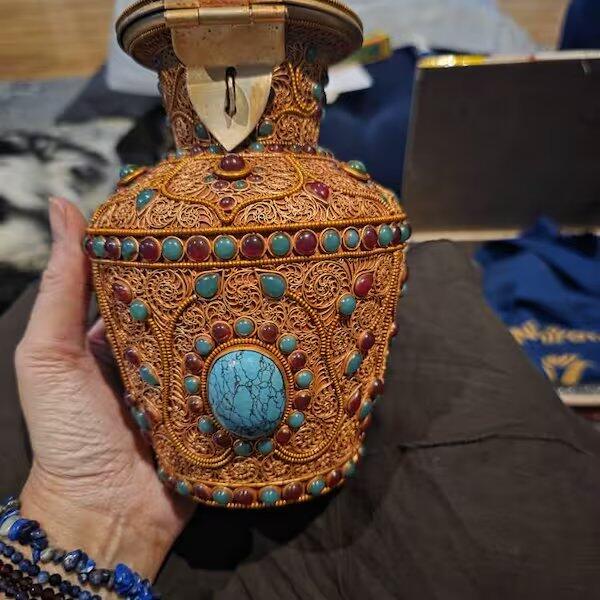
The Nepalese artisans, mostly from the Newari community, such as Shakya and Tamrakar, cast the idols through the lox-wax casting method. Each statue is then meticulously polished, gold-coated, and sometimes adorned with gems or stones. Exquisite hand-engraving work is done to inscribe mantras and religious designs on the base, back, robes, or lotus seats of the statue, thus adding to the aesthetic as well as religious value of the statue.
Wood Carving in Nepal
Nepalese woodcarving is famous for its fine details on windows, doors, pillars, masks, and furniture, particularly in the Kathmandu Valley, where each design has immense religious and symbolic significance. What started as a functional aspect of architecture soon developed into a sophisticated spiritual art form during the Malla era (13th to 18th centuries). Temples and traditional houses were adorned with intricately carved deities on struts and guardian figures at doorways.
The tradition has its origins in the Licchavi period (4th to 9th centuries), but it reached its zenith during the Malla era in Kathmandu, Patan, and Bhaktapur. The expertise of the Newar Shilpakars was passed down through generations of skilled woodcarvers, resulting in the characteristic lattice windows and temple struts that are now a hallmark of Nepal’s UNESCO-listed Durbar Squares.
Woodcarving also has immense cultural significance. By incorporating both Hindu and Buddhist elements, it converts buildings into spiritual havens of faith and protection. Even today, this living tradition continues through temple art, religious artifacts, and exquisite pieces created by artisans in Bhaktapur and Patan: treasured by locals and admired worldwide.
Timless Thangka Paintings to buy from Nepal
Thangkas are holy visual guides for the spiritual journey. Originally, they were used by traveling monks as a visual guide to teach the life and teachings of the Buddha. Each thangka is painted following strict geometric proportions and rules of symbolism. It can take months to complete just one Nidhiratna Thangka, which is painted in a meditative way using natural mineral paints and gold.
Thangka paintings are sacred Buddhist scroll artworks that are carefully crafted in accordance with strict spiritual and iconographic principles in Nepal. The history of Thangka print in Nepal dates back to the 11th century, particularly after Princess Bhrikuti married King Songsten Gampo. The early Paubha paintings are characterized by balanced composition, a central deity, and detailed figures of the supporting deities.
Nepali Paubha skills helped shape Tibetan Thangkas starting in the 1300s. Newar painters learned the knowledge of fine lines, plant patterns, and bright colors still used today from Tibet. Artists use natural colors like gold, lapis lazuli for blue, malachite for green, and cinnabar for red. They paint on cotton or silk cloth, starting from the top: sky first, then shading for depth. They write special words like OM AH HUM on the back. These stand for a Buddha's body, speech, and mind. Monks bless the painting later.
Stone Carving in Nepal
Stone carving in Nepal started before the 9th century. It begins by making the statue of deities, temples, and dhunge dhara, and quietly getting attention for public benefits. You can also shop local style stone statues of the Hindu-Buddhist-inspired iconography. Stone hits (water fountains) is a live example of the benefits handicrafts have given to society.
Nepalese artisans have kept the centuries-old traditions alive by honoring the art of the ancestors. Apart from wood, stone carving, and Thangka paintings, Nepal is rich in other cultural expressions and handicrafts market, be it of Dhaka textiles, natural hemp products, of hand made creativity. Some of the other popular handmade items include pottery, Lokta paper craft, mask making, and other art forms. Nepal is one of the finest places to shop souvenir rich in culture.
Handcrafted Items and Their Timeless Beauty
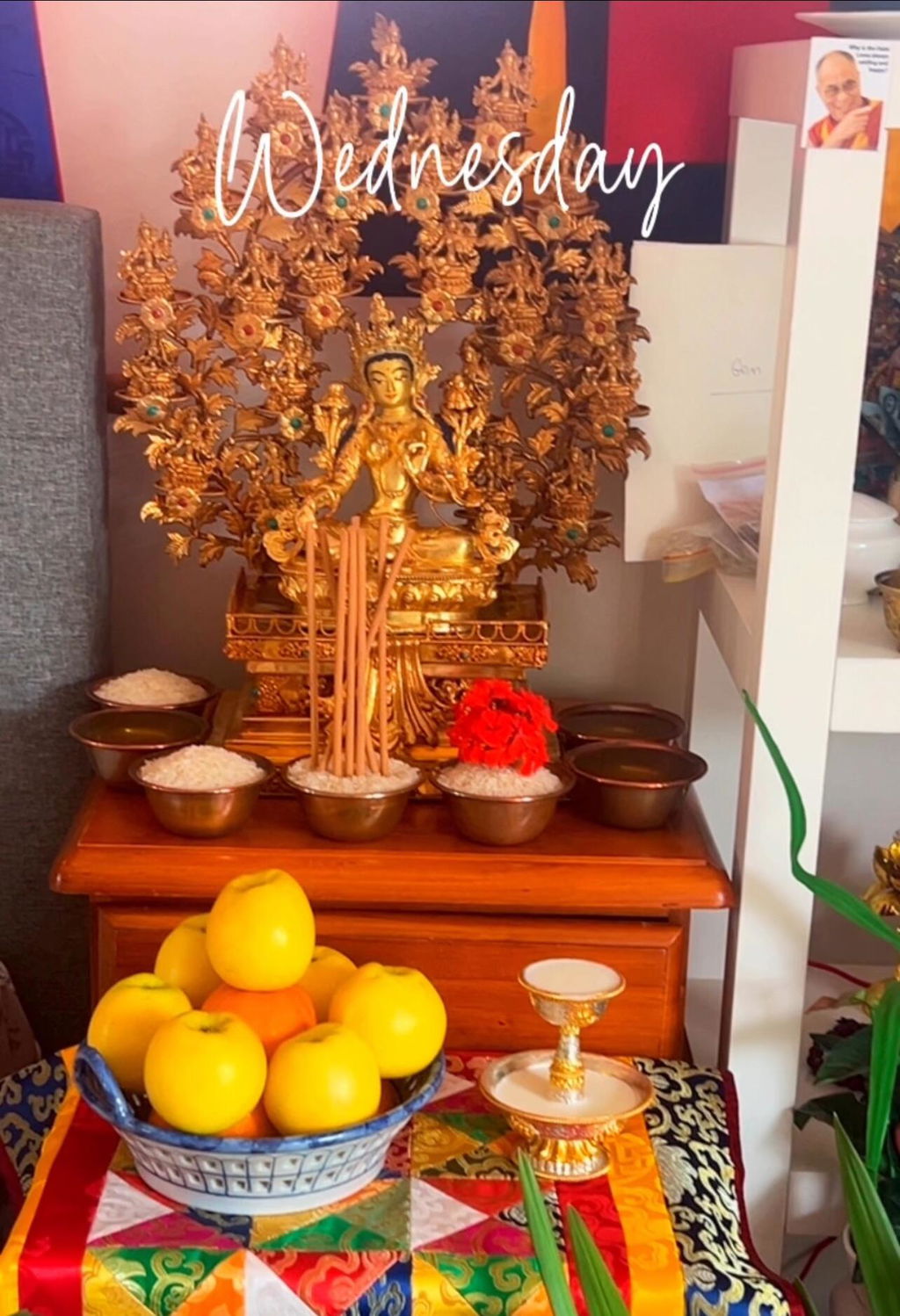
Handicrafts carry authenticity. They tell stories. They hold energy shaped by focus and care. Whether placed in a meditation space or a home altar, they bring depth and meaning into everyday life. Handicraft items are timeless piece which depicts you choose sustainability, cultural respect, and timeless artistry, which can merely be imitated.
Conclusion
Nidhiratna collection has all size statues and handicrafts for its international buyers. Even the consecrated services are provided to invoke the blessings of the deity. Look forward to manifesting blessings in life. On that note, get your thangkas, malas, and ritual objects for worship or practice from our latest collection.
FAQs
1. How old is the handicraft tradition in Nepal?
The handicraft tradition in Nepal dates back to the ancient Malla and Lichhavi period. People believe it to have started from the 4th century and peaked in the 18th century. Most prominently, the Newar community has preserved the living tradition and is finely trained to preserve the age-old tradition in Nepal.
2. How can buyers ensure authenticity?
Authentic handicrafts are not easily accessible after the replicas are seen upfront in the market. To make sure you have the original piece, closely observe the traditional iconography, proper proportions, and handmade techniques. You can buy directly from trusted artisan-led sources like Nidhiratna helps ensure the originality of the handicraft items.
3. Who creates Nidhiratna pieces?
Our statues of Tara, Manjushree, and Buddhist idols are created by skilled Newar artisans, Sherpas, and legacy families, most prominently located in Patan and Bhaktapur. Many come from families that have practiced sacred art for generations. We believe in sourcing locally and from the best.
4. Does Nidhiratna support fair trade for artisans?
Yes. We ensure artisans are fairly compensated and work in respectful conditions. Supporting Nidhiratna directly helps sustain traditional livelihoods and endangered crafts in Nepal, making it familiar globally.
Share:
Who Is Palden Lhamo? History, Symbolism & Protective Powers Explained
Manjushri: The Flaming Sword of Wisdom and Enlightenment