

Mahakala: The Source of Spiritual Strength, Fearlessness and Inner Power
From mountain tops to monasteries and meditation halls, Buddhist communities are spread across Tibet, Nepal, Bhutan, Mongolia, and worldwide; the very name Mahakala (Mahākāla) conveys awe, protection, and inner strength. Mahakala appears fearsome, fierce, and terrible compared to all serene meditating Buddhas. His dark form, blazing rays of light, and powerful posture could be quite intimidating.
Yet Mahakala, for millions of Buddhist practitioners, is beyond being a fearsome god-he is the destroyer of fear.
Not to be viewed as a deity who punishes, but as a protector with great compassion; not just a historical figure, but an actual force of spiritual strength guiding practising individuals along the journey to awakening.
In Vajrayana Buddhist schools, Mahakala is known as the transformation of anger into clarity, fear into bravery, chaos into wisdom, and weakness into firm inner strength.
This blog will clarify the origin of Mahakala, his symbolism, the various rituals associated with him, and his empowering and transformative significance for people on a spiritual path seeking strength and fearlessness, as well as power and protection on their journeys.
The Legend of Mahakala: From Guardian Demon to Enlightened Protector
Ages ago, Mahakala manifested as a mighty spirit representing everything inauspicious, time, darkness and most importantly, the death aspect that mankind, in general, fears to confront. However, through the grace and teachings of awakened buddhas in those days from Padmasambhava, who was known as Guru Rinpoche, this wild and dreadful being was transformed into an enlightened protector, one who uses this very fearsome energy not to punish, but rather, to shatter the illusions, ignorance, and inner demons that keep beings trapped in suffering.
Stories tell of Mahakala, who fought to protect the Dharma from every possible obstruction and karmic hindrance with undeterred bravery, dispelling negative energies in the process. His horrible appearance becomes of utmost importance, symbolically meant to instil courage in practitioners, allowing them to see the biggest battlefield as their own mind.
Buddha and Mahakala: The Understanding of a Fierce Protector
In Tibetan Buddhism (Vajrayāna), he is considered one of the highly respected Dharmapālas, or Protectors of the Dharma. He stands for the power to destroy the:
-
Ignorance,
-
Negativities,
-
Inner demons,
-
Obstacles in the spiritual path,
-
Negative energies,
-
Karmic hindrances.
Despite his wrathful form, within Mahakala's dwelling is compassion in action. He is the one who destroys only that which obstructs enlightenment.
He protects not only monasteries and practitioners, but also:
-
Places of meditation;
-
Sacred teachings;
-
Lineages of monks;
-
Pathways of wisdom;
-
The individual's own consciousness.
In summation, Mahakala remains the destroyer and illusory existent spiritual protector.
History and Origin: Some Historical Basis of Mahākāla
Mahākāla is intimately linked to the ancient Buddhist texts and traditions of the Himalayan regions.
Mahākāla is derived from the Sanskrit words, where:
-
MAHĀ = Great
-
Kalā = Time, Darkness, the Eternal One, or the Destroyer
Therefore, the meaning of Mahakala represents him as:
-
"The Great Black One"
-
"The Lord of Time"
-
"The Great Protector"
-
"The Great Illusion Destroyer"
The Earlier History
Mahakala was prominent in the Indian practice of Buddhism, specifically Vajrayana, in association with:
-
Yogatantras and Mahayoga texts.
-
Teachings of Padmasambhava (Guru Rinpoche).
-
The ritual tradition of Atisha and Marpa.
-
Monastic Traditions of Nyingma, Kagyu, Sakya, and Gelug.
-
Spreading Through the Himalayan Regions.
The worship of Mahakala was spread across
-
Tibet (his principal deity)
-
Nepal (most specifically in Newar Buddhist culture)
-
Bhutan (a national protector)
-
Mongolia (as a protector of lands and the state)
-
Japan (as Daikokuten, relating to prosperity)
Though his symbolism and rituals have grown, they have not grown apart: the compassionate destroyer of obstacles.
Why Mahākāla Appears Fearsome: The Deep Symbolism behind His Wrathful Form
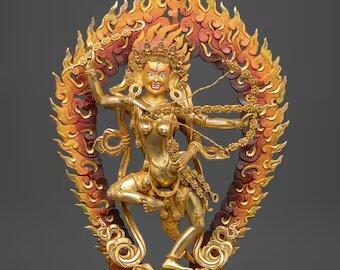
The wrathful form of Mahakala is charged with deep symbolism:
-
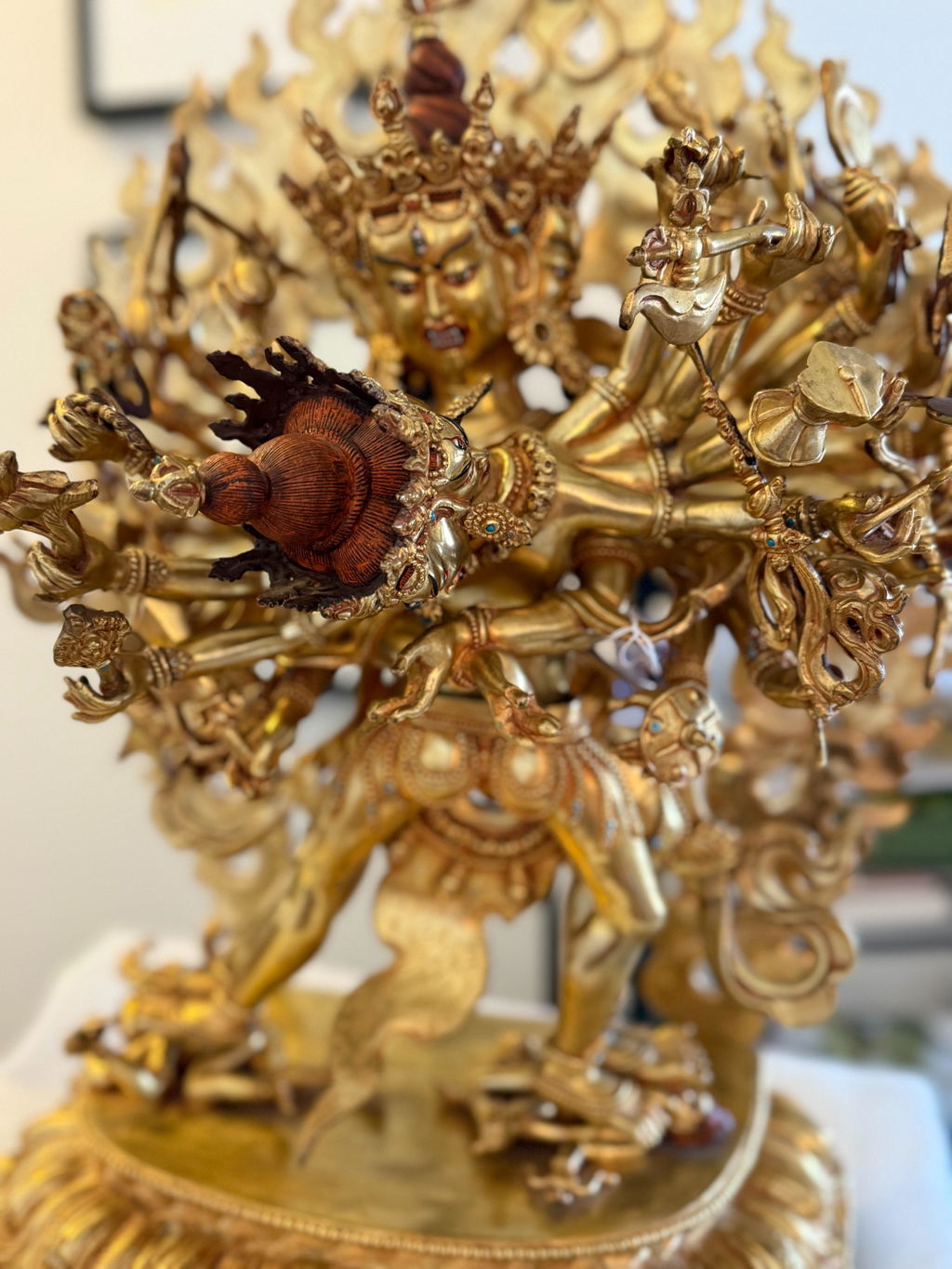
Dark Blue or Black Body
Symbolizes the immensity of space, the voidness of natural reality, and the ability to absorb negativity.
-
Flame-orange Aura
Represent the flames of transformation: burning away illusion, ego, and obscusions of karmic vision.
-
Crown of Five Skulls
Refers to the transformation of five poisons (of anger, desire, ignorance, pride, and jealousy) into five wisdoms.
-
Third Eye
Symbolizes omniscient awareness—seeing past, present and future simultaneously.
-
Dancing Stance
Represent an active compassion, engaged at all times in destroying suffering.
-
Garland of severed heads
Represents severing from attachment, illusion, and ego-identity.
-
Tiger Skin or Elephant Skin Garment
Symbolize mastery over primal instincts and uncontrollable strength.
These symbols indicate transformation rather than violence. Mahakala does not harm beings; he destroys the causes of suffering.
Several Facets of Mahakala in Buddhist Traditions
Mahakala manifests in different forms in accordance with the varying purposes and lineages of the traditions.
1. Six-Armed Mahakala (Most Common in Gelug and Kagyu)
Symbolizes the complete activity of protection, wisdom, and compassion.
2. Four-Armed Mahakala
Generally linked to Padmasambhava, intended to clear path obstacles in life.
3. Two-Armed Mahakala
Most simple and direct form: raw and uncompromising energy.
4. White Mahakala
A peaceful form associated with prosperity, abundance, and protection.
5.Panjaranatha Mahakala
Lord of the Pavilion, the protector of the Sakya school.
Through all these aspects, he remains the same in essence: endless protection and fearlessness, endless compassionate destruction.
Mahakala in Vajrayana: (Tantric) Buddhism
Wrathful deities hold a prominent place within Vajrayana Buddhism. The wrathful deities are not worshipped as external entities but as elements of the experience of enlightenment.
Mahakala is the symbol for awakened energy that:
-
Removes mental obscurations
-
Increases spiritual growth
-
Offers protection on subtle energy levels to the practitioners
-
Protecting Tantric teachings and empowerments
The invocation of Mahākala comes before:
-
Retreats
-
Empowerments
-
Major rituals
-
Dharma teachings
-
Meditation sessions
-
Pilgrimages
This invocation is for the purification of space, mind, and energy
“We at Nidhiratna can help you invite the power and protection of Mahakala into your space—contact us today.”
How Mahakala Becomes a Source for Fearlessness
Fearlessness in Buddhism does not mean being reckless. It implies being:
-
Free of inner fear
-
Being strong during uncertainties
-
Clarity during the hardest decisions
-
Courage to face the truth
-
Stability during the emotional storm
Mahakala gives fearlessness in respect to:
-
Energetic Protection
Practitioners feel protected from all negativity: from outside and from within.
-
Mental Clarity
His symbols dispel confusion, anxiety, and doubt.
-
Spiritual Confidence
The practitioner walks the path with unflinching determination.
-
Transformation of emotions
Wrath becomes wisdom, fear becomes strength.
The image of Mahakala alone acts as a meditation tool for awakening courage and resilience.
Powerful Spiritual Transformation: The Importance of Mahakala for overcoming Inner obstacles
Mahakala is known for his inner transformative power.
He helps practitioners to overcome:
-
fear of failure
-
emotional wounds
-
anxiety
-
anger
-
negative karmic patterns
-
destructive habits
-
ego attachments
-
self-doubts
Mahakala is linked with:
-
removing blockages from meditation
-
deepening concentration
-
enhancing energy flow (prana)
-
protecting from karmic purification practices
-
guiding practitioners through shadow work
In Buddhist psychology, Mahakala symbolizes the courage to confront one’s mind—in other words, the greatest battle is all within.
Mahakala Mantras, Rituals and Practices
Most Popular Mahakala Mantra
"OM SHRI MAHAKALA HUM HUM PHAT."
The Mantra invokes:
-
Protection
-
Purification
-
Strength
-
Clarity
-
Fearlessness
Advanced Practices (Generally for Initiated Practitioners)
-
Mahākala sadhana
-
Fire Puja
-
Protector rituals
-
Torma offerings
-
Visualization meditation
Basic Practices (for General Devotees)
-
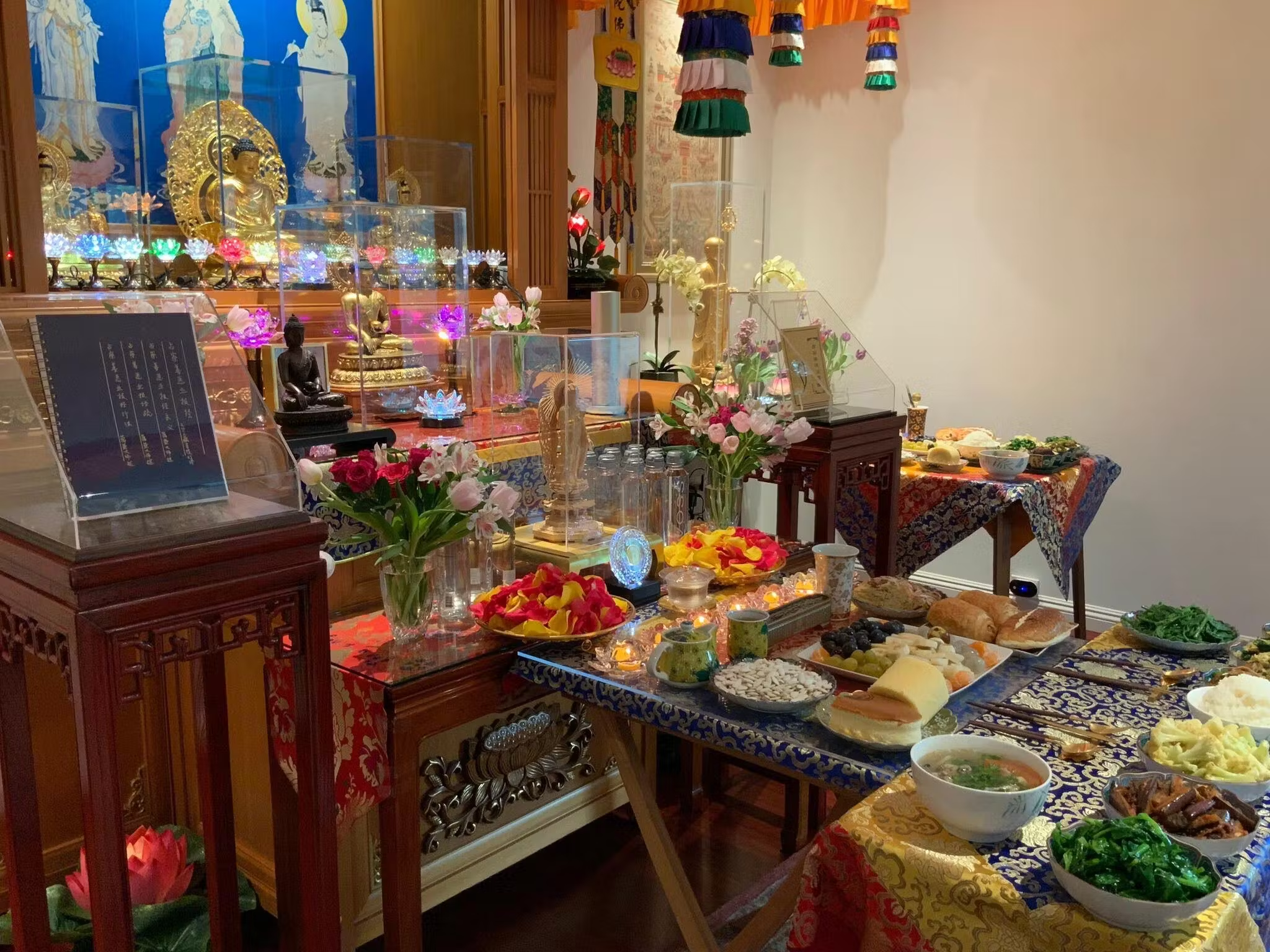
Lighting a butter lamp
-
Offering incense
-
Reciting mantras
-
Pondering over Mahakala's form
-
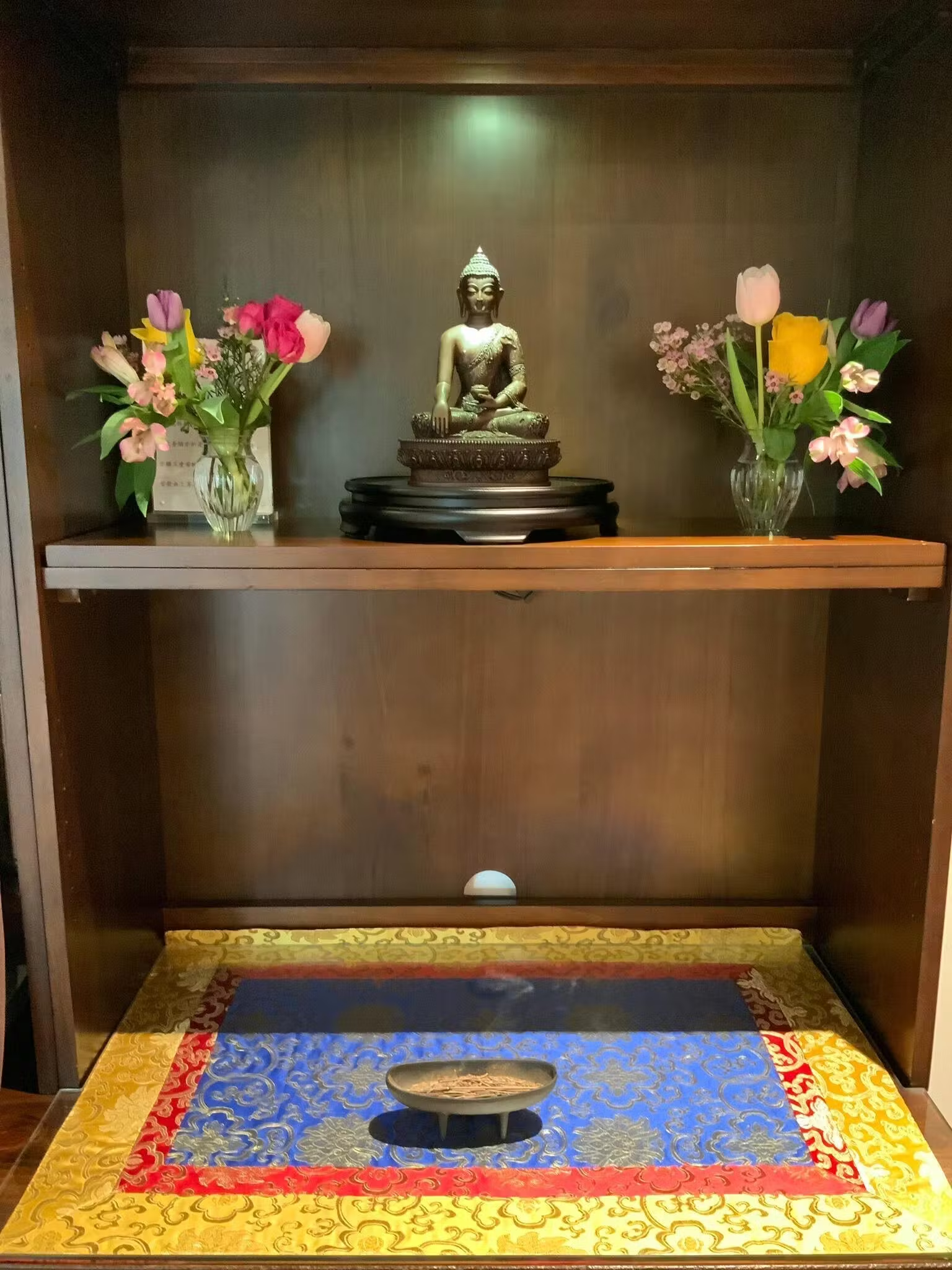
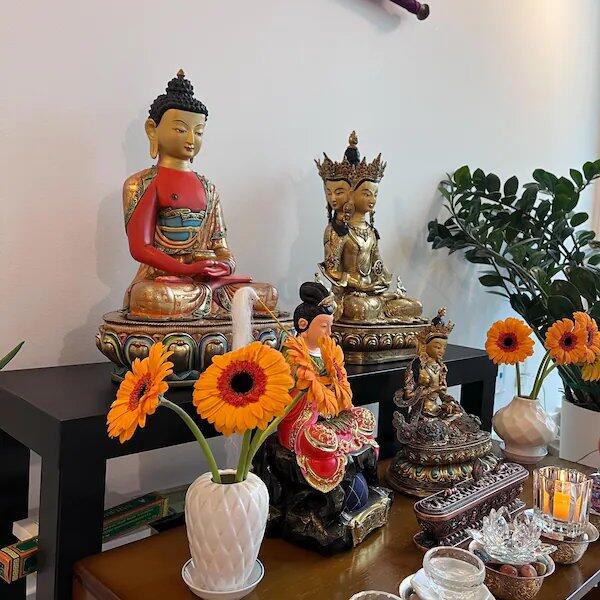
Having a statue or a thangka at home
These practices promote inner courage and spiritual development.
Modern Relevance: The Importance of Mahakala in the Modern Stress-Driven World
Despite being from a time so ancient—thousands of years back—Mahakala is more relevant than ever before.
Why Mahakala Matters Today
-
Protection from mental stress and negativity
-
Strengths to meet contemporary challenges
-
Courage to overcome emotional struggles
-
Grounding energy in chaotic settings
-
Spiritual clarity in an overwhelmed environment
His teachings remain eternal:
-
Confront Your Fears
-
Transform your emotions
-
Trust your inner strength
-
Eliminate ignorance
-
Walk in the direction of wisdom
"Mahakala empowers practitioners to thrive under conditions of uncertainty."
What Makes Mahakala Statues, Thangkas, and Sacred Art Important

For more collections of thangka prints, visit the page:
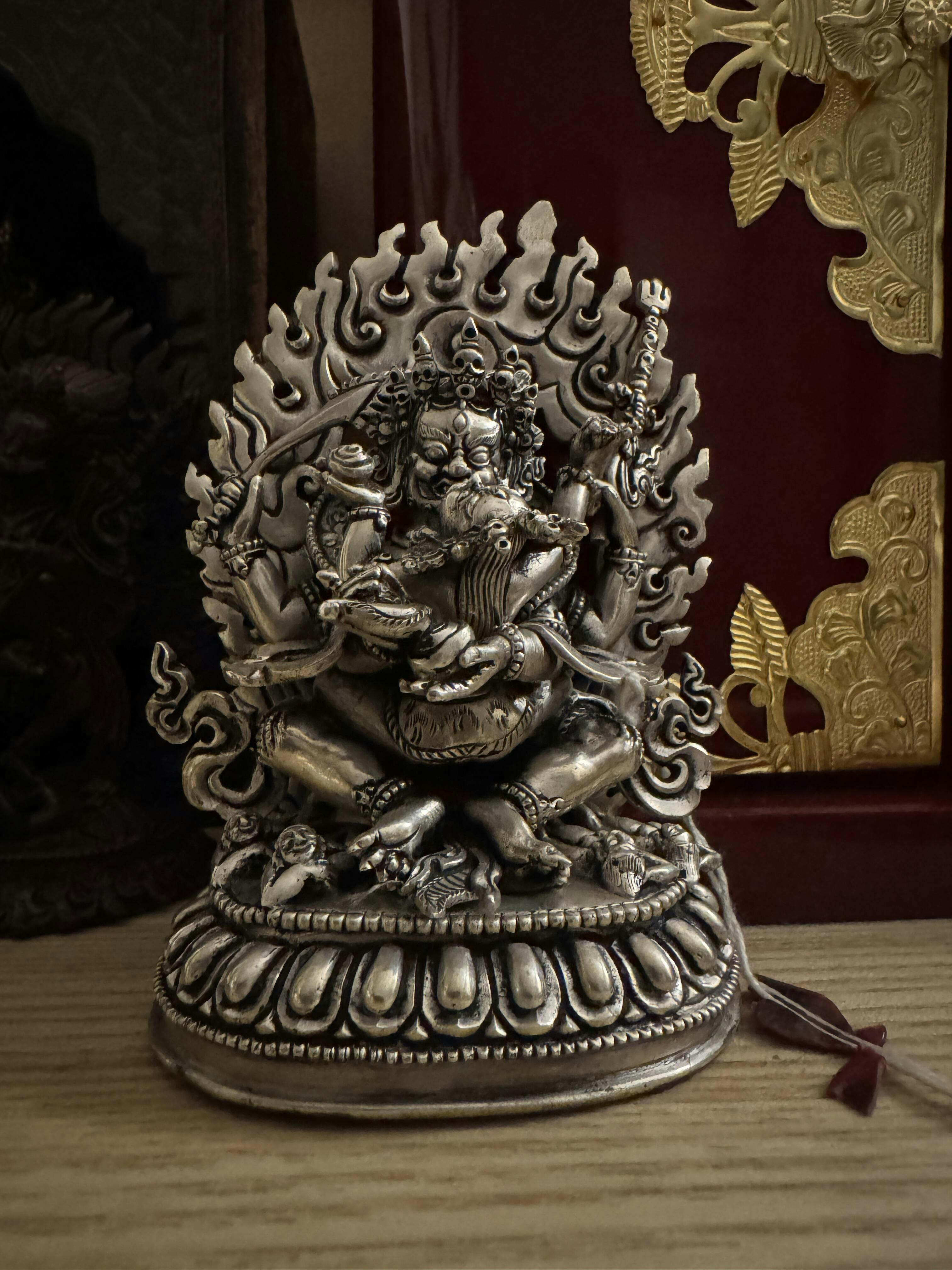
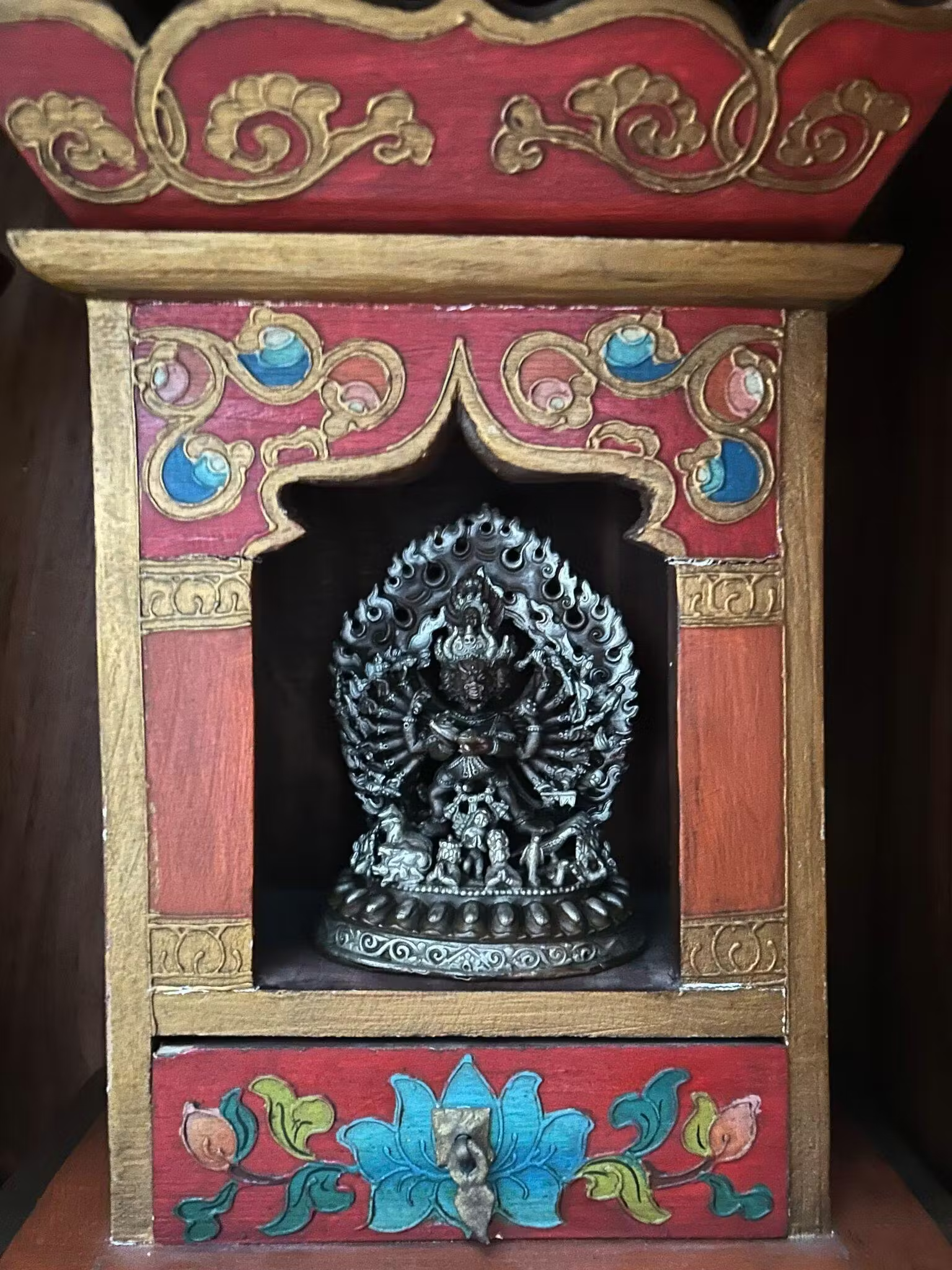
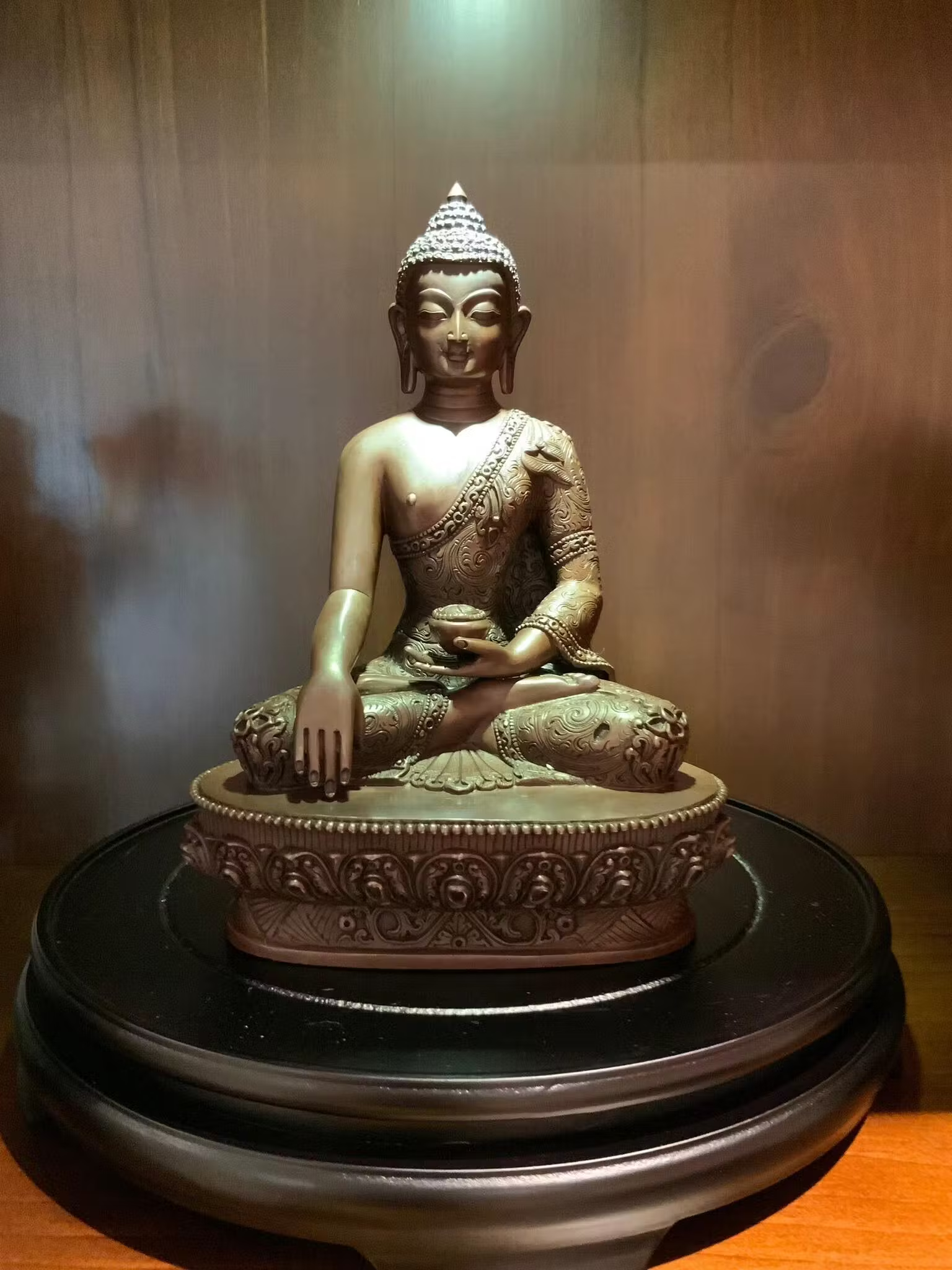
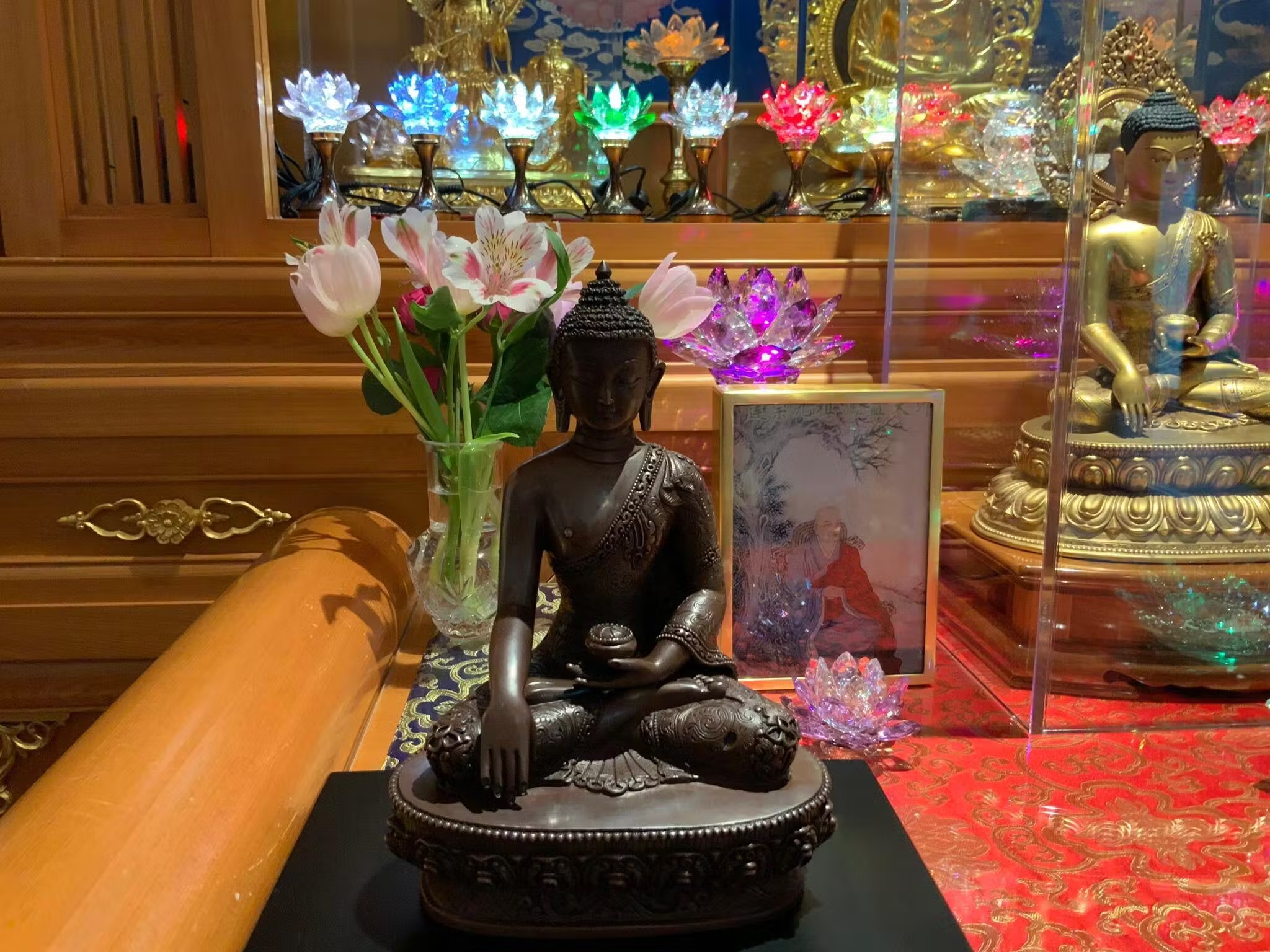
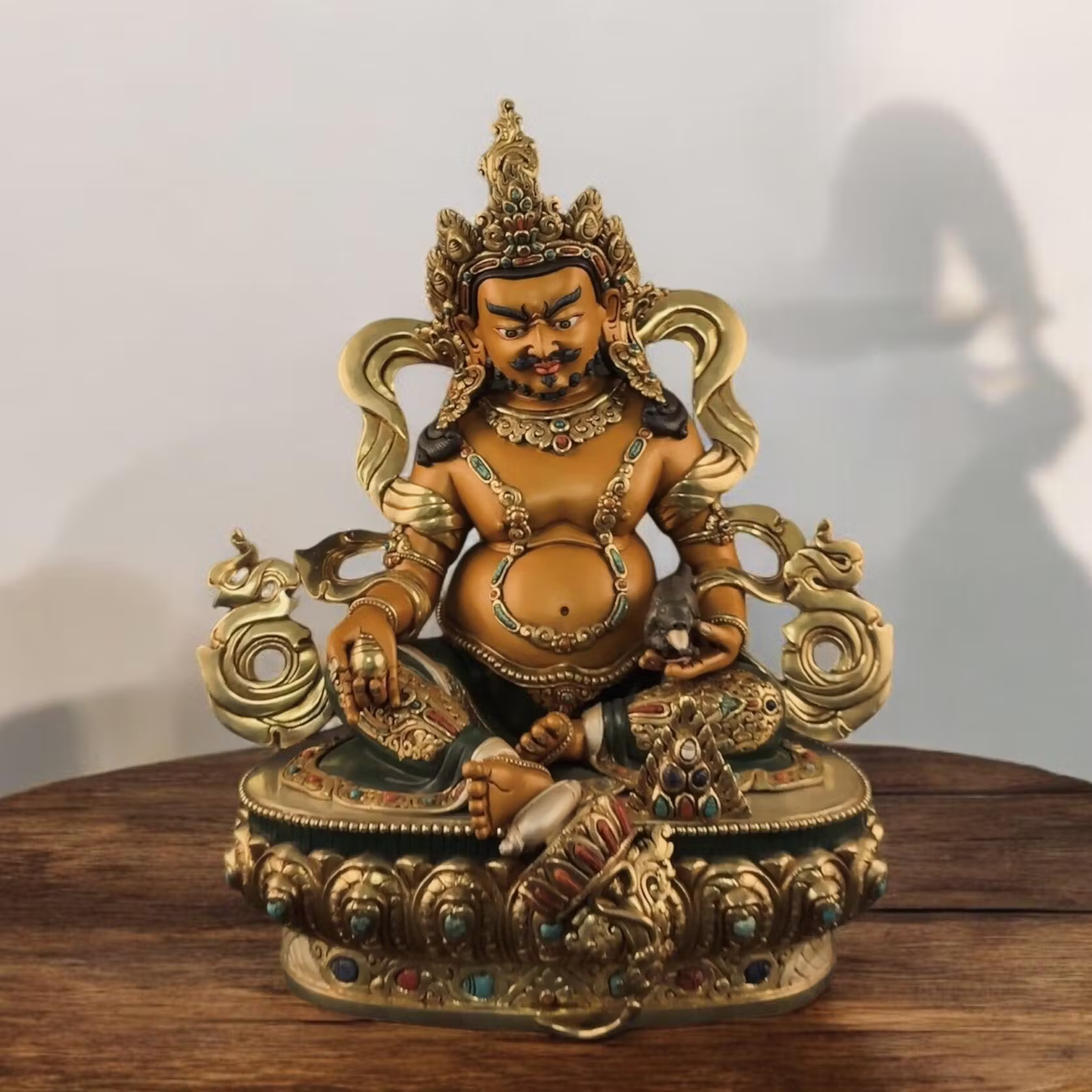
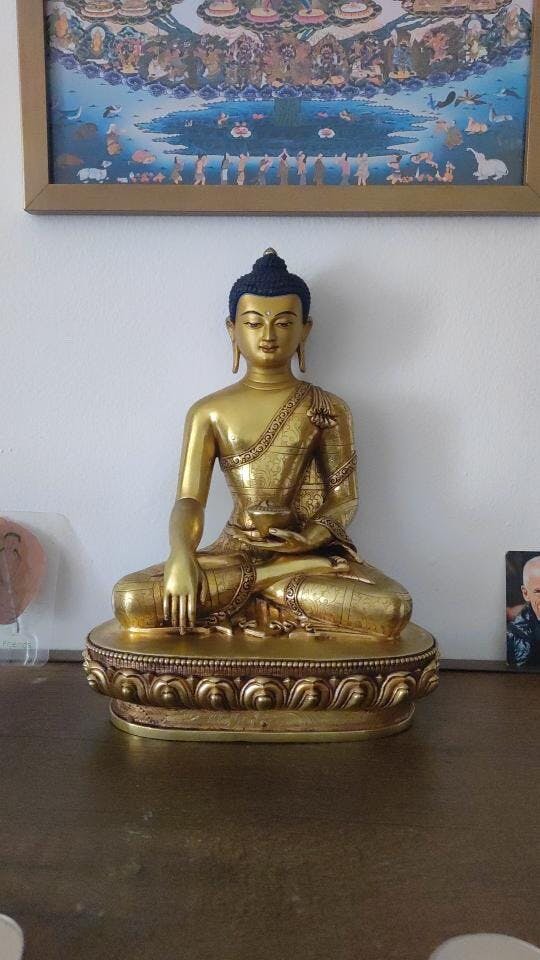
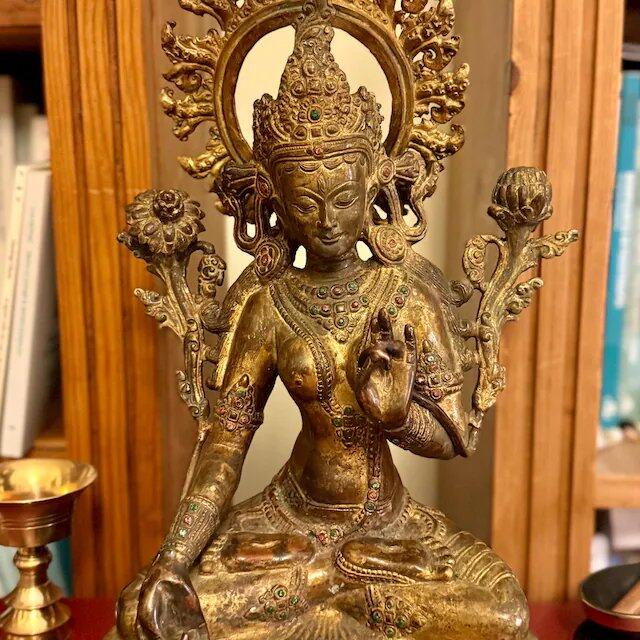
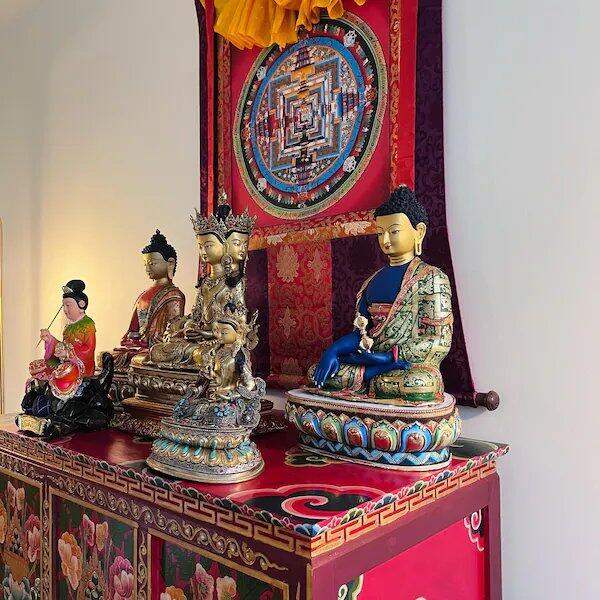
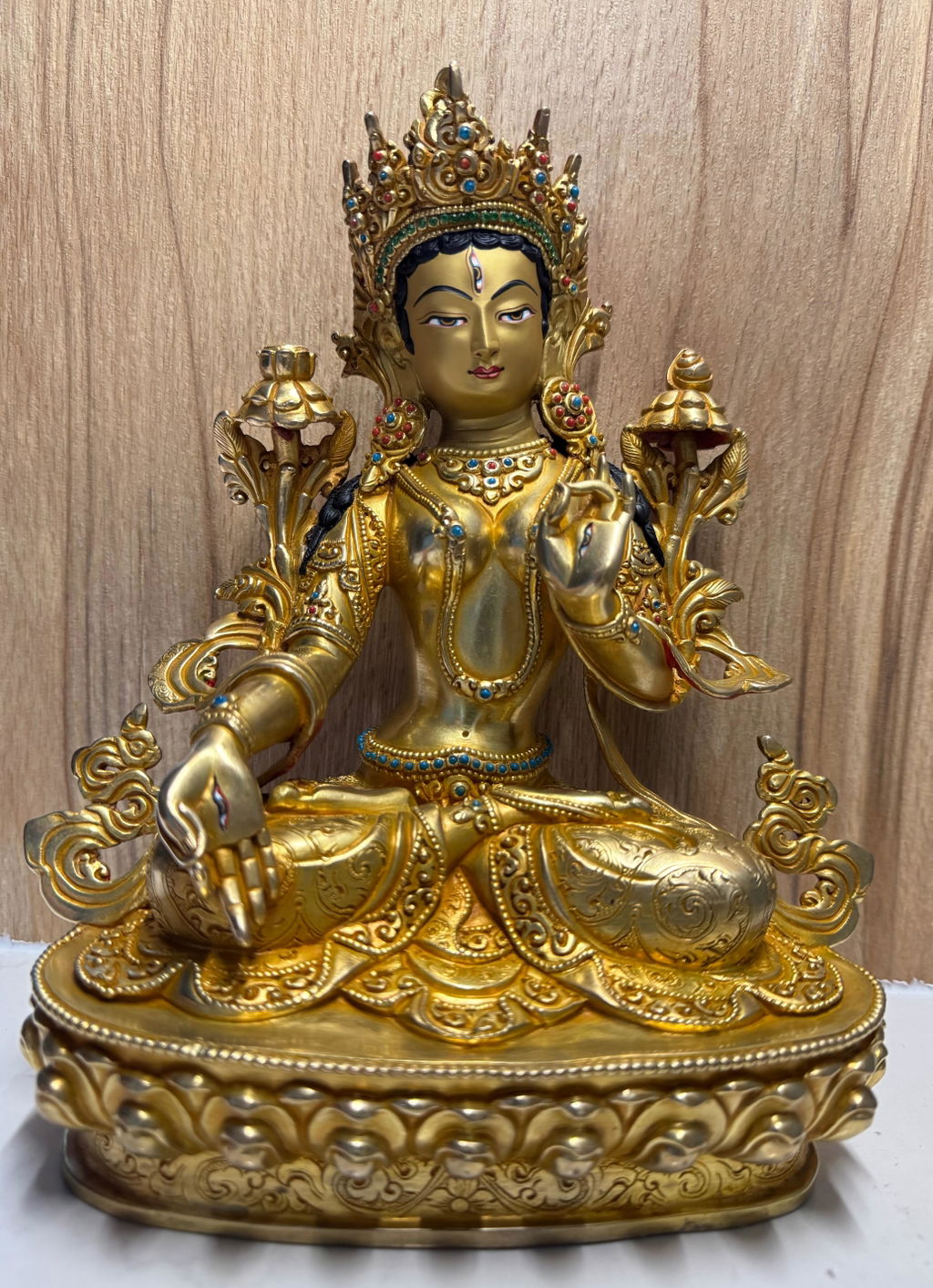
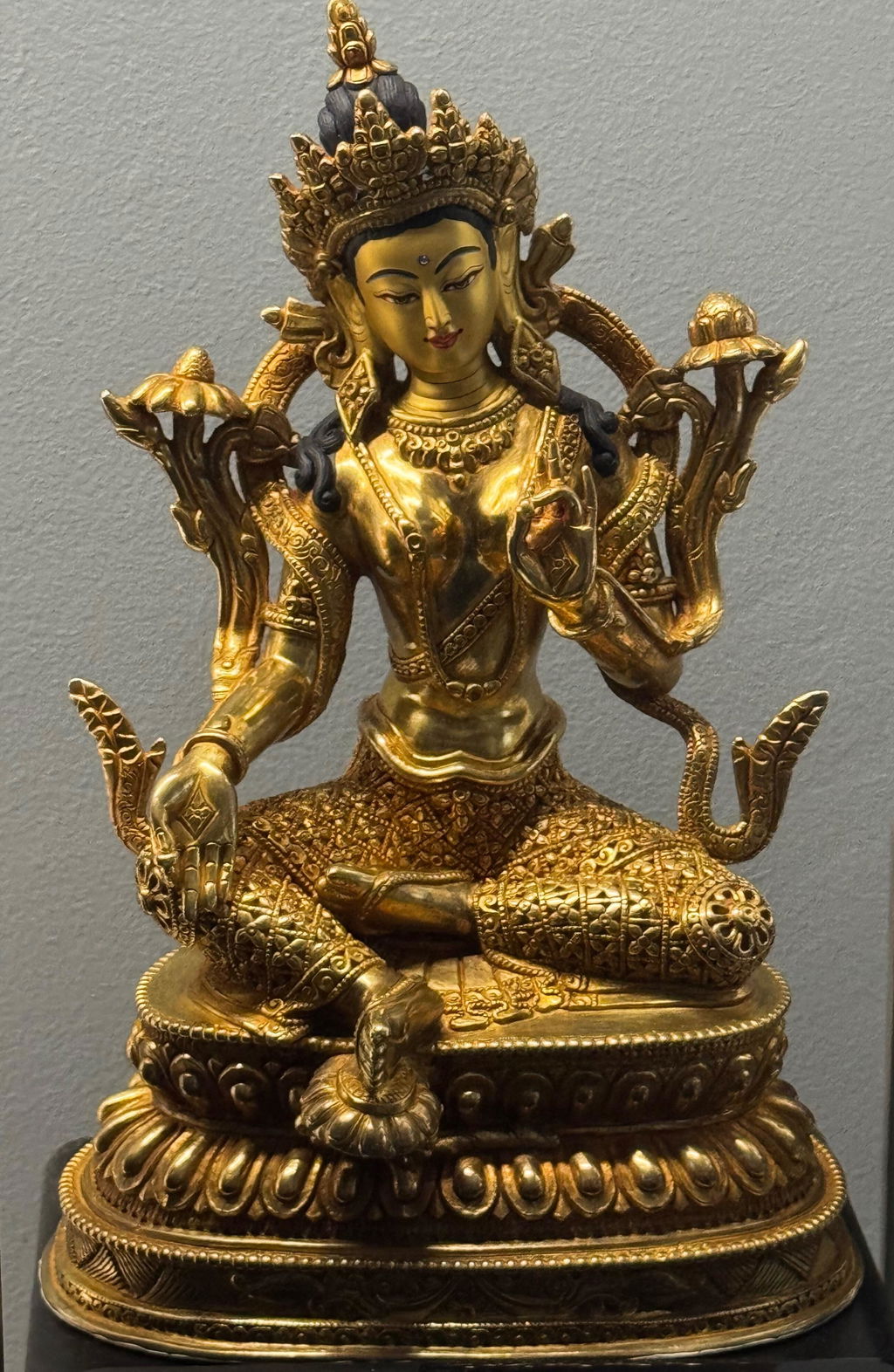
A statue of Mahakala is more than a simple decoration; it represents several aspects:
-
Protection of the home
-
Blessing of the space
-
Purification of energy
-
A constant reminder of courage and awakening
Benefits of having a Mahakala statue or thangka:
-
Strengthens the focus in meditation
-
Helps develop mental strength
-
Protects against negative energies
-
Strengthens in spiritual practices
-
Connects with ancient wisdom
Most importantly, it serves as a visual guide for transformation.
Mahakala Festivals and Ritual Days
There are many significant events in which Mahakala plays a very prominent role in both Tibetan and Himalayan Buddhist rituals. During these occasions, important prayers are said to invoke his protection, purify obstacles, and safeguard spiritual practice.
Here follows some of the most important festivals and observances in which Mahakala is particularly honoured.
1. Tibetan New Year(Losar) – Mahakala Protector Rituals
During "Losar," the Tibetan New Year celebration, the Mahakala rituals are conducted on a large scale at monasteries. These rituals were intended to:
Remove any negative energy from the previous year, invoke the protection for the year ahead, and strengthen the spiritual foundation within the community. The monks perform specific pujas for Mahakala, recite prayers to protective divinities, offer tormas, and perform ritual dances that symbolize the elimination of obstacles.
2. Gutor – Year-End Mahakala Purification
Gutor is observed in the last days preceding the celebration of "Losar" and is among the important festivals celebrated at Mahakala.
The aim is to:
-
Purify accumulated negativity,
-
Remove spiritual and emotional hindrances, and
-
Prepare practitioners for a fresh and auspicious new year.
This ritual consists of complex ritual offerings, chants to the protectors, and the construction (and destruction) of troma figures embodying hindrances and defiling karmas.
3. Daily Evening Mahakala Puja at Monasteries
Several monasteries in Tibet, Nepal, and Bhutan conduct a Mahakala puja each evening.
This has the following effects:
-
Protects the monastery during nighttime periods.
-
Purifies the environment.
-
It supports practitioners in late meditation and study.
Mantra recitation, offering incense/tormas, and rhythmic use of drums and bells will be the ritual components.
4. Monthly Protector Practice Days
Some lunar days are dedicated to the extended observances of Mahakala, the main ones being:
-
The 10th day of the lunar month (Guru Rinpoche day)
-
The 29th day of the lunar month (Protector Day).
The 29th is significant for removing all monthly hindrances and confirming the protective power of Mahakala.
5. Mahakala in Retreats and Empower
Before meditation retreats and major tantric empowerments, practitioners perform Mahakala rituals for purposes including:
-
Ensuring protection,
-
Removing subtle inner obstacles,
-
Stabilize the practitioner’s energy and mind.
This justifies his mention as a guardian of spiritual practice.
Conclusion: Mahakala's Timeless Power in Your Spiritual Journey
Mahakala is more than a fierce Buddhist divinity—Mahakala is the personification of courage, wisdom, and spiritual strength. His fierce compassion teaches us that strength lies not in escaping difficulties but in transmuting them. He teaches us methods to dispel fear, increase wisdom, safeguard the spiritual path, and unlock the fearless quality already residing within us.
In this era that is full of uncertainty and mental distractions, Mahakala is a fantastic spiritual companion and a great asset for practitioners who provide unending safety and guide one towards enlightenment and transformation.
And if you want to introduce this divine power to your home meditation room, then look for exquisite statues of Mahakala at Nidhiratna – a genuine online platform offering the best quality statues of Buddha and other protector deities. This range is designed to facilitate spiritual practitioners in connecting with the wisdom and power of realized entities.


Share:
Vajrasattva : Unlocking the Secrets of Spiritual Purification and Enlightened Mind
Statues in Nepal: Sacred Art, Spiritual Power, Cultural Masterpieces