

Statues in Nepal: Sacred Art, Spiritual Power, Cultural Masterpieces
From the stone-paved interiors of the courtyards of the Kathmandu Valley to the serene monasteries of the Himalayas, Nepal is itself a living museum of divine statues. This is where the belief resides that a statue is not merely an art form. It is a spiritual presence, guardian of culture, a bridge between humanity and divinity.
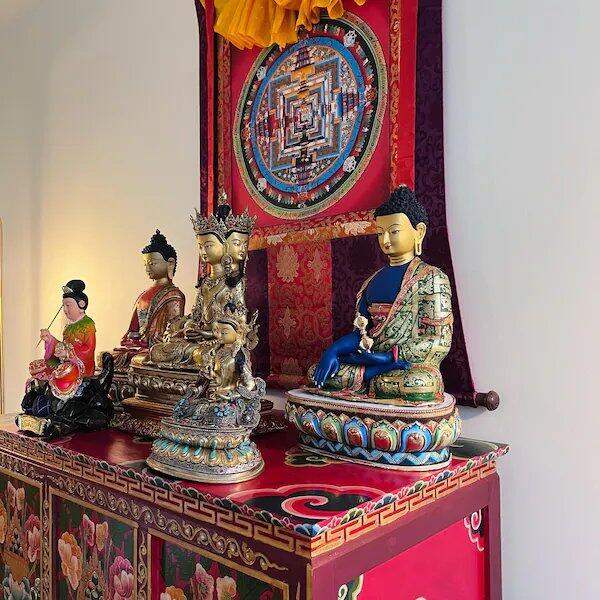
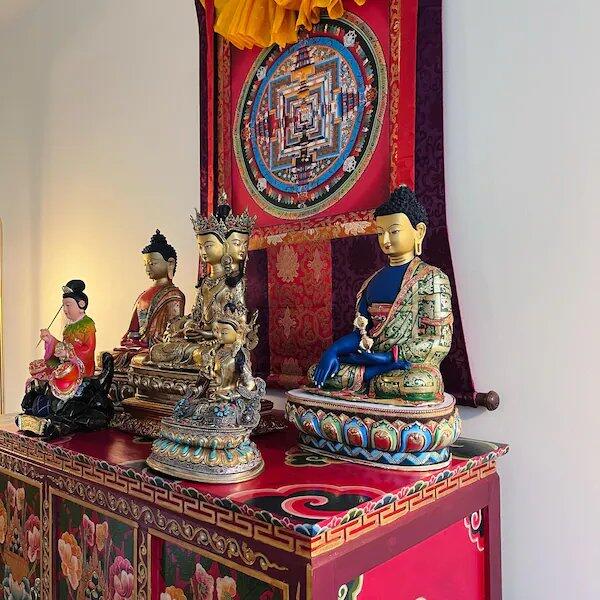
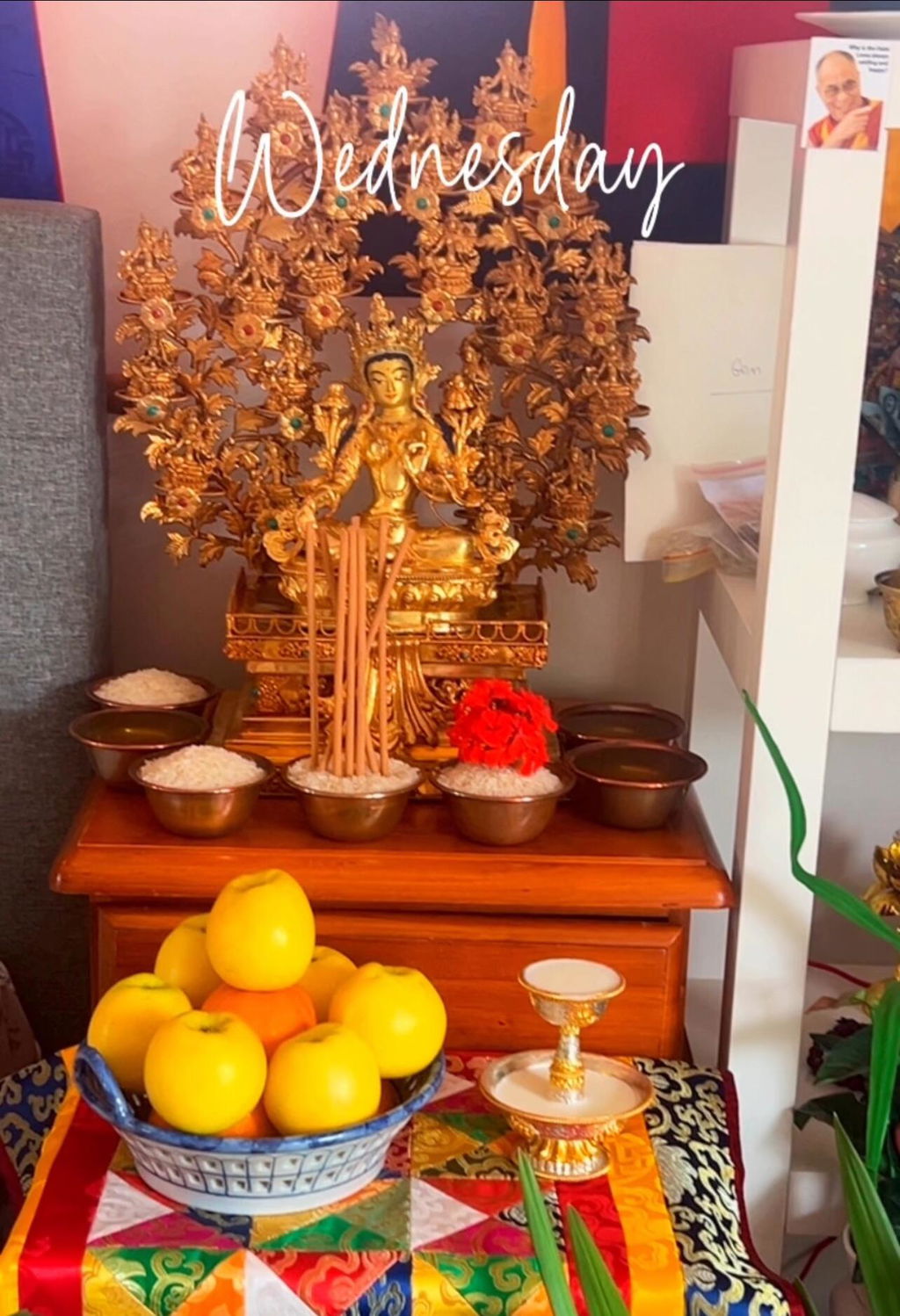
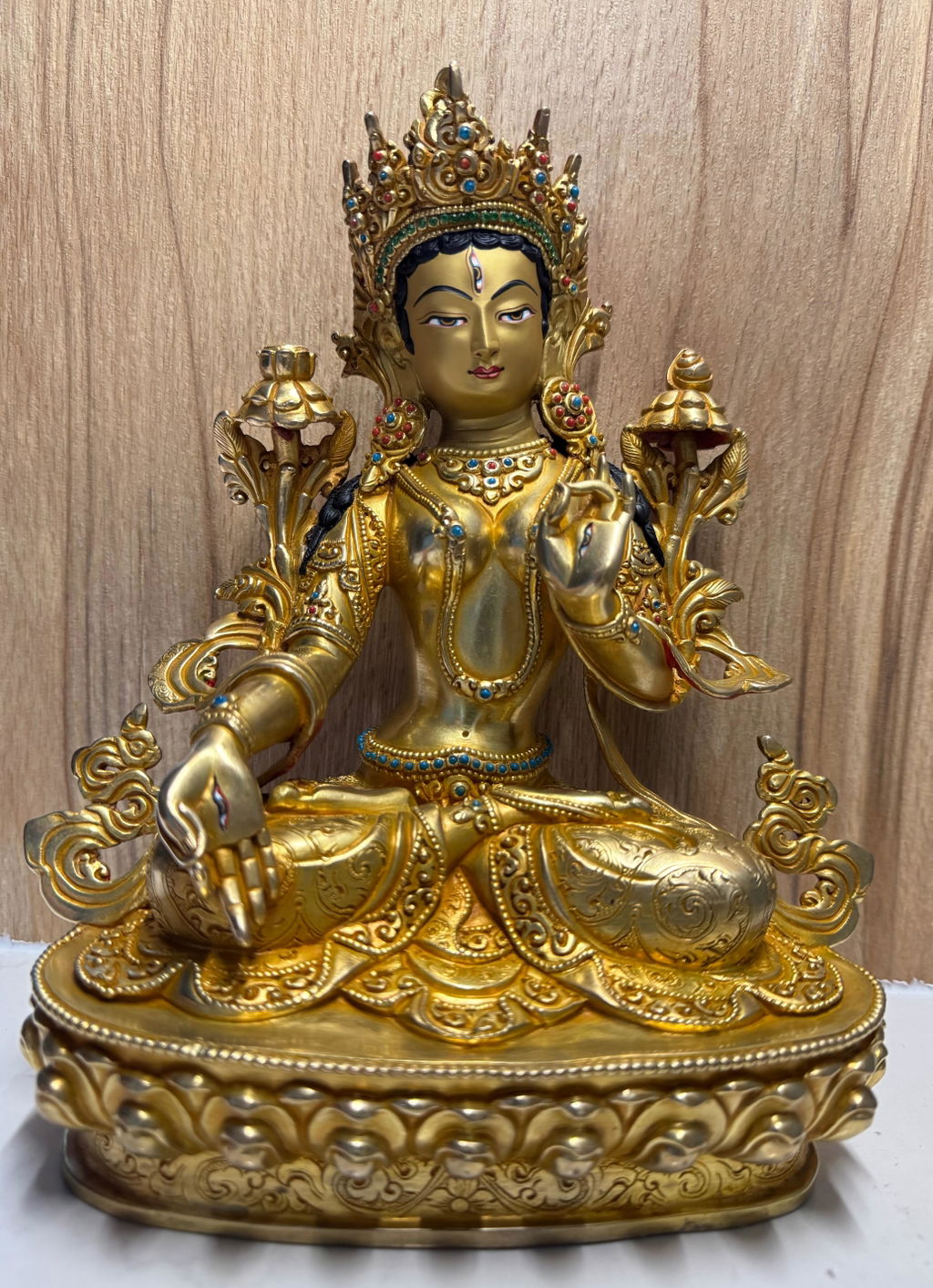
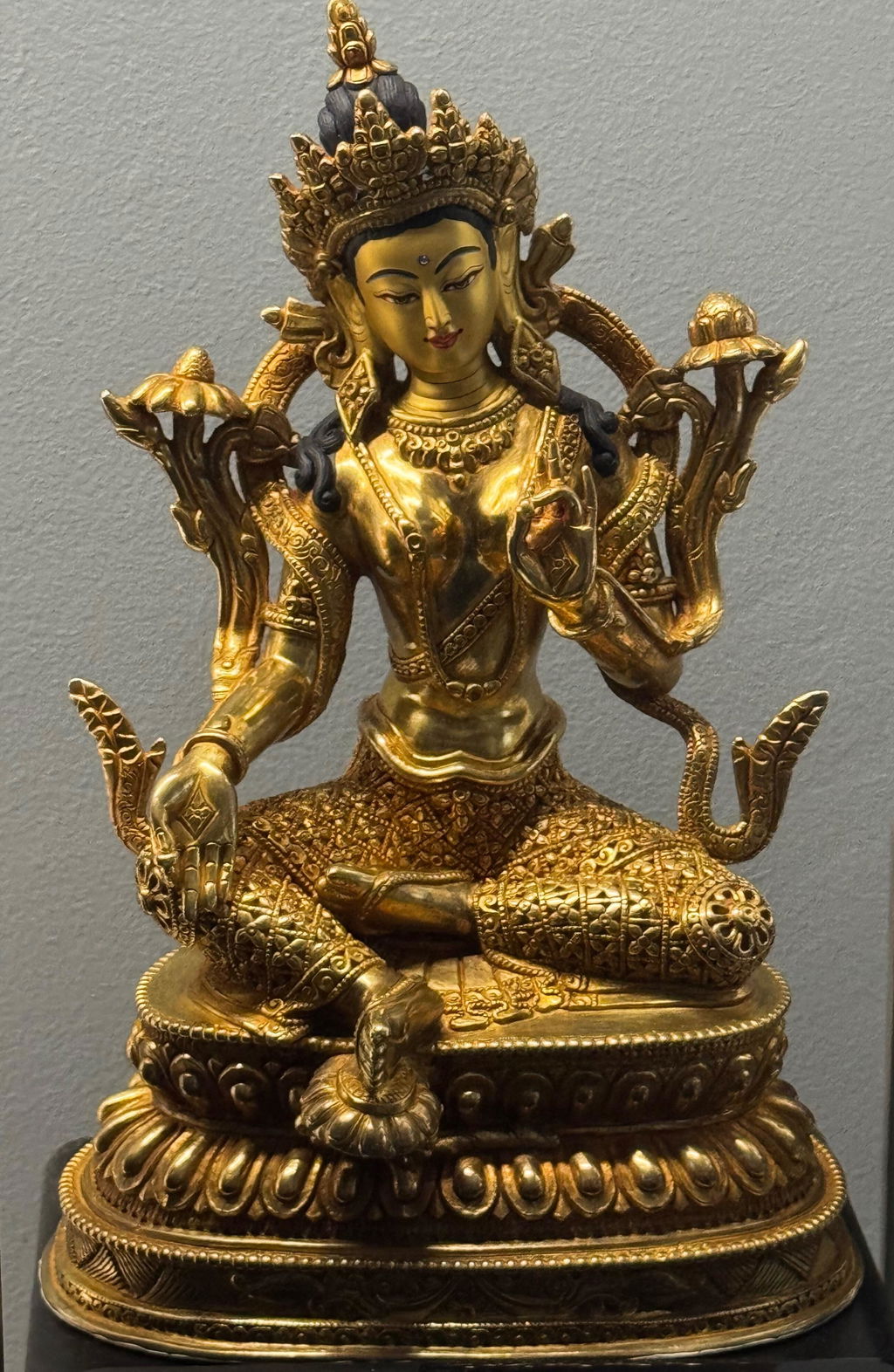
Visitors feel an immediate energetic pull feature incorporated in the consecration rituals, instilling the statues with living presence. Nidhiratna is one such legacy that provides authentic handcrafted Vajrayana statues like Green Tara and Guru Rinpoche for altars and meditation.
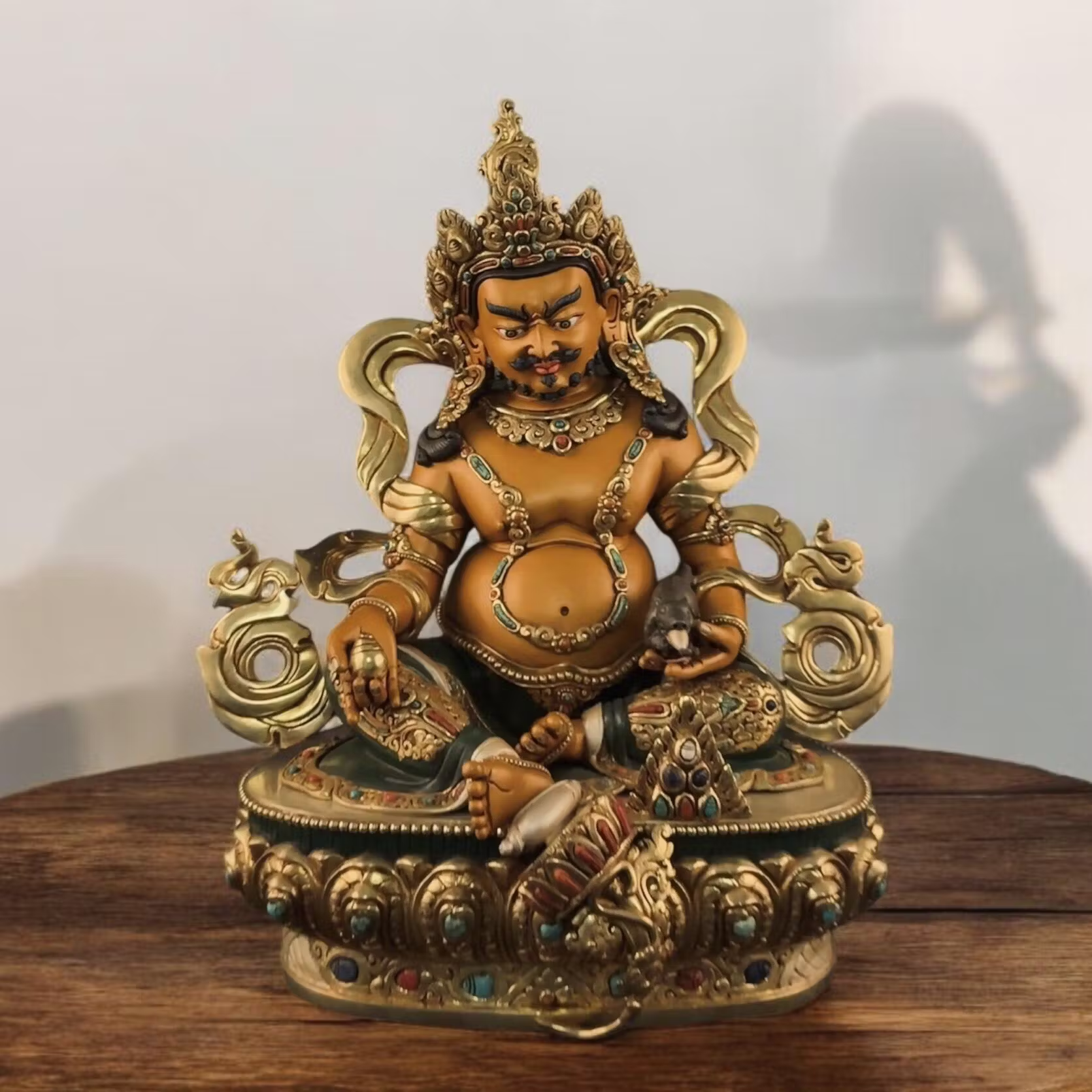
Every carving-whether of Buddha, Shiva, Tara, or even local deities-stands for the heritage of faith, art, and olden traditions. Nepal is the home of some of the world's most celebrated sculptors, who learnt most of the ancient techniques from the Licchavi period. The result: stillness, power, and a deep, hidden symbolism are emanating from the statues.
This comprehensive guide is all about:
-
The history of statues in Nepal
-
Main types of sacred statues
-
Craftsmanship techniques such as lost-wax metallic casting
-
The symbolism of Buddhist and Hindu figures
-
Much-celebrated statues that you should visit
-
Cultural and spiritual significance
Let us embark on a journey where spirituality is manifested through the form, and divinity resides in every curve of metal and stone.
History of Statues in Nepal: A Journey Across Dynasties
Statues in Nepal have passed millions of years through centuries, shaped by religion, royalty, patronage, and artistic innovations intervening.
1. Licchavi Period (400-760 CE): The Stone Sculpture Era
The Licchavi period is well celebrated to be the foundation of sculptural heritage in Nepal. Statues of this period are largely stone-made and are mildly ornate, with smooth contours and placid faces. Though many early Vishnu, Shiva, and Buddha statues belong to this period, this sculpture has laid the artistic and spiritual foundation for later Nepali sculpture.
Statues were made mainly of:
-
Black stone (shila)
-
Sandstone
-
Granite
These statues have the following characteristics:
-
Graceful poses
-
Soft in expression
-
Slightly ornamental
Many Licchavi-era statues are worshipped even today, like the Budhanilkantha Vishnu.
2. Malla Period (1200-1768 AD): A Golden Era of Metal Working
The Malla period is considered the golden age of splendour in the Nepali arts. The sculptures of this period became more intricate, emotive, and loaded with symbolism, and the method of casting bronze reached its zenith. Deities develop conspicuously with crowns, jewellery, and ritual objects. This era produced some of the finest temple images of Nepal with palace statues and Buddhist bronzes, which still captivate visitors today.
The Malla kings heavily patronised artisans, resulting in:
-
High-quality Copper with gold-gilded statues
-
Elaborate Decorations
-
New forms of Buddhist and Hindu deities
The technique of lost-wax casting, refined and made signature over the period, is still the most renowned name of Nepali metal sculpture across the world.
3. Shan Era and Modern Period: Fusion of Traditions and Contemporary Craft
With a huge span of time, when Nepal got united under the Shah dynasty, and modernization took place with the impact of modern architecture, monuments continually came up that featured not only images of gods but also kings, national heroes, and public monuments. Modern craftsmanship combines traditional techniques with contemporary styles, as in the case of colossal Shiva statues, Buddha parks, and culturally inspired sculpture throughout the cities and towns.
To this day, artisans in Patan, Bungamati, Bhaktapur, Kirtipur, and Dolakha continue the tradition. Statues now combine:
-
Traditional motifs,
-
Modern aesthetics,
-
Custom spiritual art for house decor,
-
Exquisite craftsmanship fit for international export quality.
Nepal leads the globe in making handmade Buddhist and Hindu statues.
We at Nidhiratna offer authentic Nepalese statues—contact us today to explore our collection.
Legacy of Craftsmanship in Patan
Crafted by master Newari artisans who preserve this sacred art of statue-making through their forebears, Patan excellently represents the essence of spiritual art heritage in Nepal. Every one of these artisans masters the cire perdue (lost-wax) method while shaping figures of copper and gold-gilded works of art in minute, astute details with revamping aesthetic beauty and ritual delicacy.
This ancient technique allows a fluidity of form, the flowing robes, the mudras, the symbolic flames, distinguishing Nepalese statues from their Indian counterparts through balanced proportions, tantric symbolism and distinct Newar iconography.
Presently, refinements now exhibit aged patinas that improve with age because collectors highly value them. After this casting, every statue will go through meticulous engraving and detailing to the proper spiritual accuracy needed by practitioners of Vajrayana.
-
Newar sculptors residing in Patan work directly in wax, vaporising it to form molds for ritual precision.
-
Further, layers of gold gilding, semi-precious powders, and organic pigments enrich the symbolic meaning, like purities and upliftment invoked by the lotuses.
Through these processes, these statues of Patan become much more than a sculpture but instruments of devotion, meditation, and spiritual transformation.
Types of Statues in Nepal: A Rich Spiritual Tapestry
Statues across Nepal represent a blend of intense religion, philosophy and culture.
1. Buddhist Statues in Nepal
Nepal is the birthplace of the Buddha and is associated with deep-rooted Buddhist iconography in its heritage.
Some Well-Known Sculpted Buddhist Figures
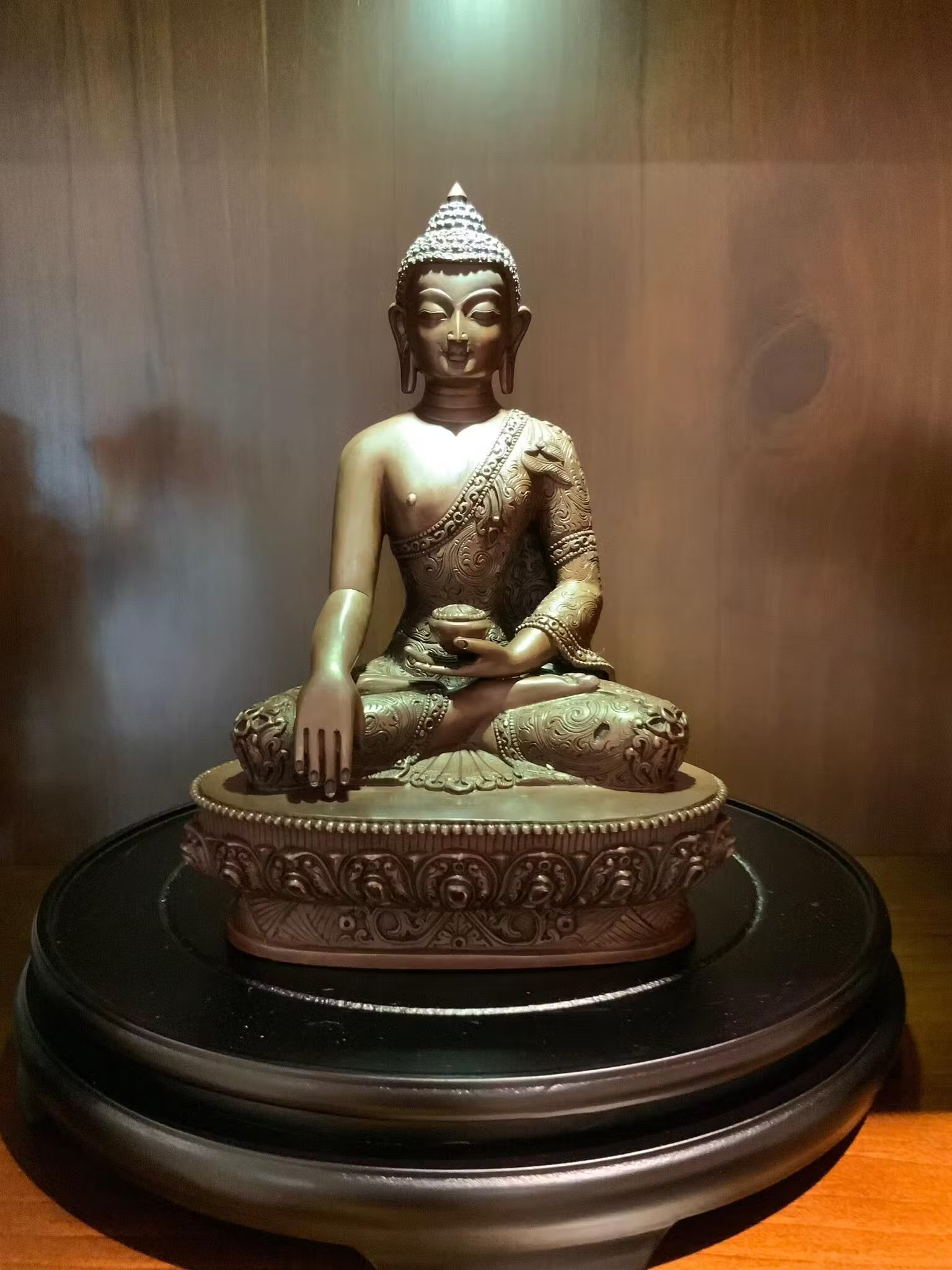
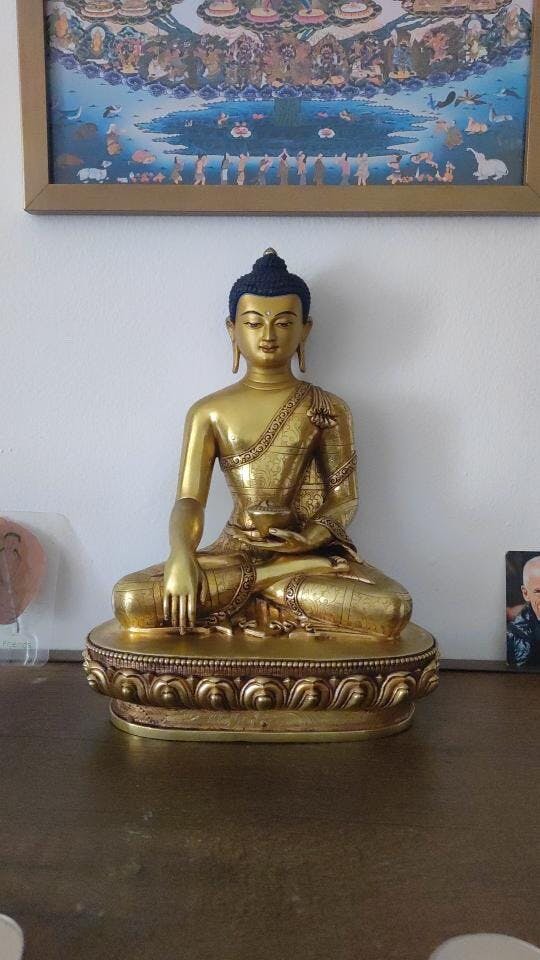
i. Shakyamuni Buddha
Depicted in meditation using hand mudras such as:
-
Dhyanamudra (meditation)
-
Bhumisparsha Mudra (earth-touching)
Representing:
-
Enlightenment
-
Calmness
-
Inner peace
ii. Amitabha Buddha
Associated with:
-
Infinite light
-
Compassion
-
The Western Pure Land
Popular in Zen, Mahayana, and Vajrayana traditions.
iii. Green Tara & White Tara
-
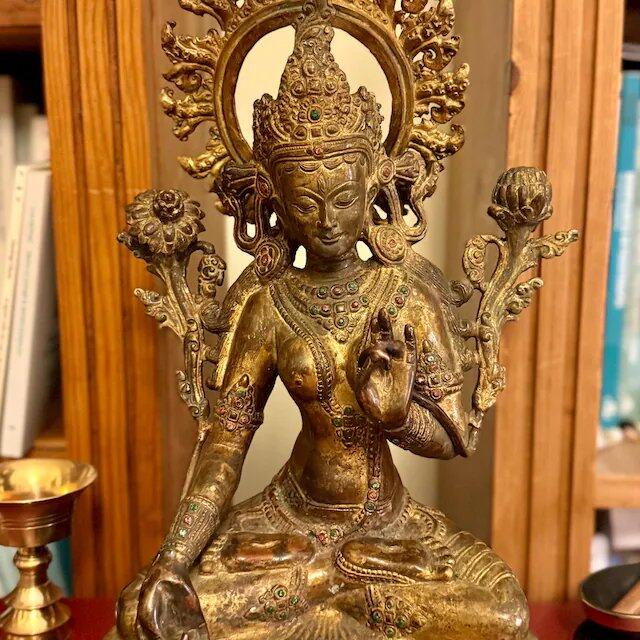
Green Tara symbolizes protection and swift action.
-
White Tara represents long life and healing.
iv. Avalokiteshvara (Chenrezig / Karunamaya)
The bodhisattva of compassion is worshipped by both Buddhists and Hindus.
2. Indigenous & Traditional Nepali Statues
Nepal's cultural depth is reflected by:
-
Kirant statues
-
The figures that belong to the Bon tradition
-
The popular local deities, such as Ajima, Bhairav, or Kumari forms
These statues preserve the animistic and prehistoric forms of belief, before amassing mythical Hindu-Buddhist beliefs.
Symbolism of Nepali Statues: Therefore, each gesture has a specific meaning
There is nothing random in Nepali craftsmanship: Every mudra, ornament, pose, and facial gesture evokes something deeper.
1. Mudras (Hand Gestures)
-
Bhumisparsha Mudra: Calling the earth as a witness
-
Varada Mudra: Granting blessings
-
Abhaya Mudra: Protection and fearlessness
-
Dharmachakra Mudra: Teaching the path
2. Asanas (Postures):
-
Padmasana: Meditation
-
Lalitasana: Grace and ease
-
Standing Tribhanga: Divine elegance
3. Iconographic Elements
-
Lotus base: Purity and enlightenment
-
Aureole/halo: Spiritual radiance
-
Weapons: Power against ignorance
-
Animals: Vehicles (vahanas) symbolizing attributes
Statue makers follow ancient guidelines like:
-
Shilpa Shastra
-
Vastu principles
-
Buddhist iconographic texts (Sadhanas & Tantras)
Resulting in statues that carry precise spiritual energy.
How Nepali Statues Are Made: The Craftsmanship Behind the Divine
Nepal really is one of the few places that still practice this age-old tradition of lost-wax metal casting.
1. Lost Wax Method (Cire Perdue )
Steps are:
i. Creating a detailed clay core
ii. Covering with beeswax
iii. Carving fine details
iv. Layering clay molds
v. Melting wax to create a cavity
vi. Pouring molten metal
vii. Breaking the mold to reveal the statue
viii. Filing, polishing, gilding
ix. Applying gold leaf or patina
With this technique, statues last thousands of years.
2. Stone sculpting
Common Stones:
-
Black basalt
-
Limestone
-
River stone
The tools used are
-
Chisels,
-
Hammer, and
-
fine carving instruments.
Stone statues are considered appropriate for temples due to their durability.
3. Wooden Statues
Newari craftsmen are renowned for woodcraft using sculptures. It is frequently painted or gold-gilded.
-
Temples
-
Monasteries
-
Home shrines
-
Festivals
Famous Buddhist Statues and Their Power
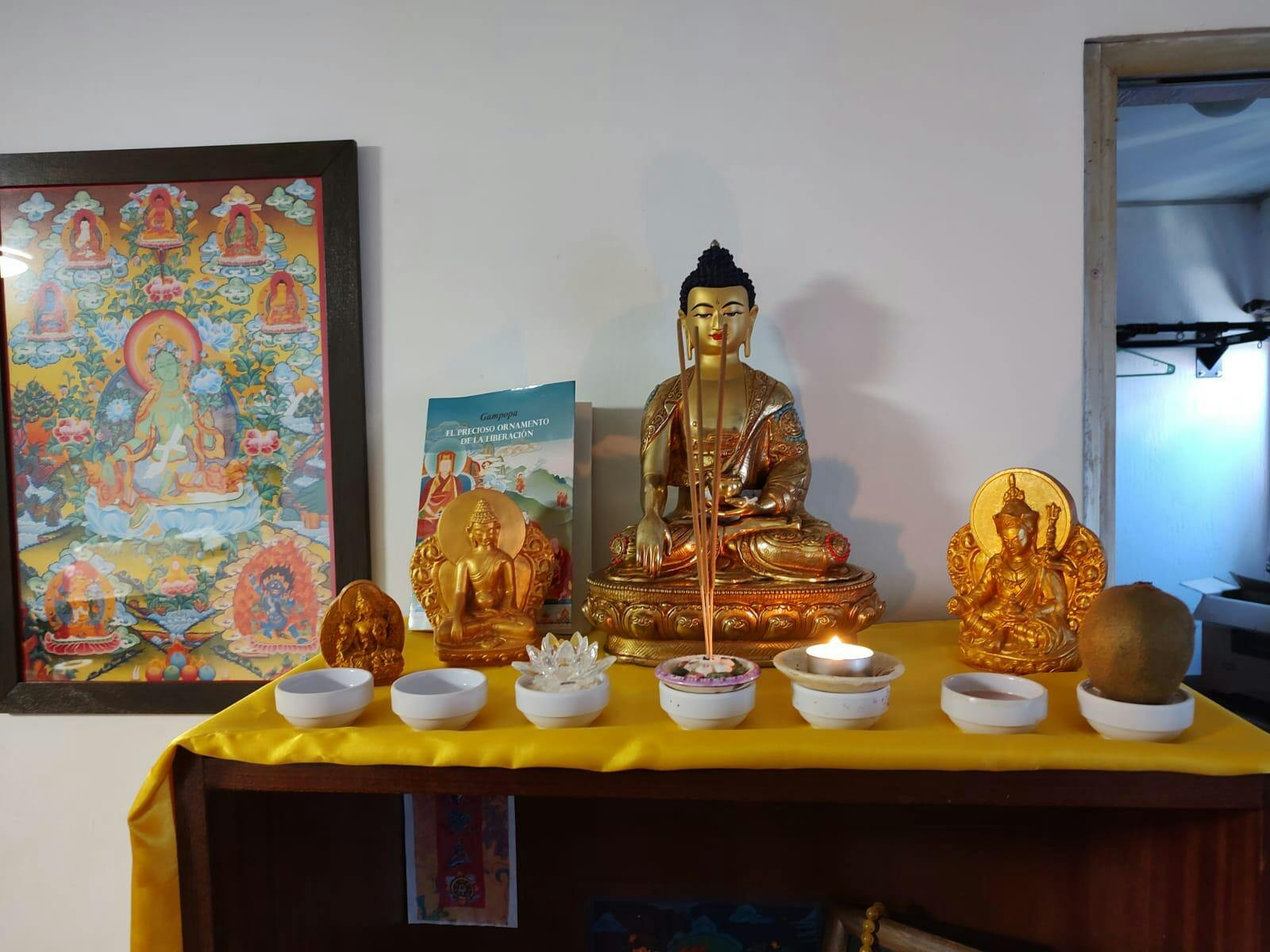
Buddhist statues in Nepal stand very much for the Vajrayana energies, and many figures of Shakyamuni Buddha encourage meditation through earth-touching mudras. Statues of Green Tara, in which she is rapidly emerging from lotuses, reflect the swift action of compassionate action and swift protection brought by her mantra, whose invocation, "Om Tare Tuttare Ture Soha," is sought for urgent help.
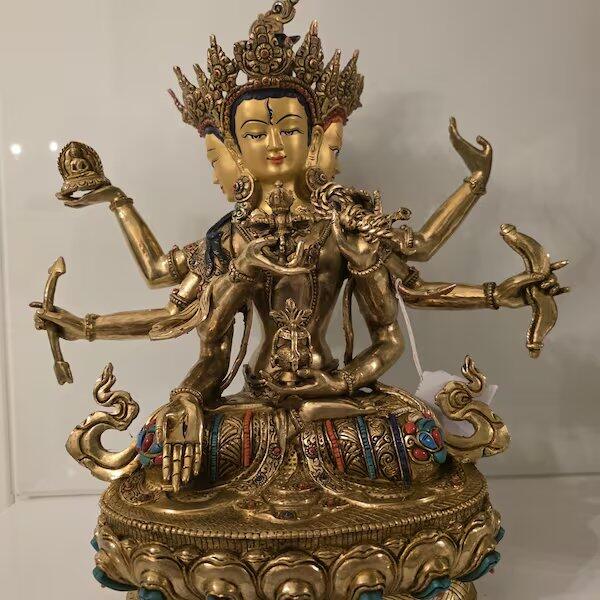
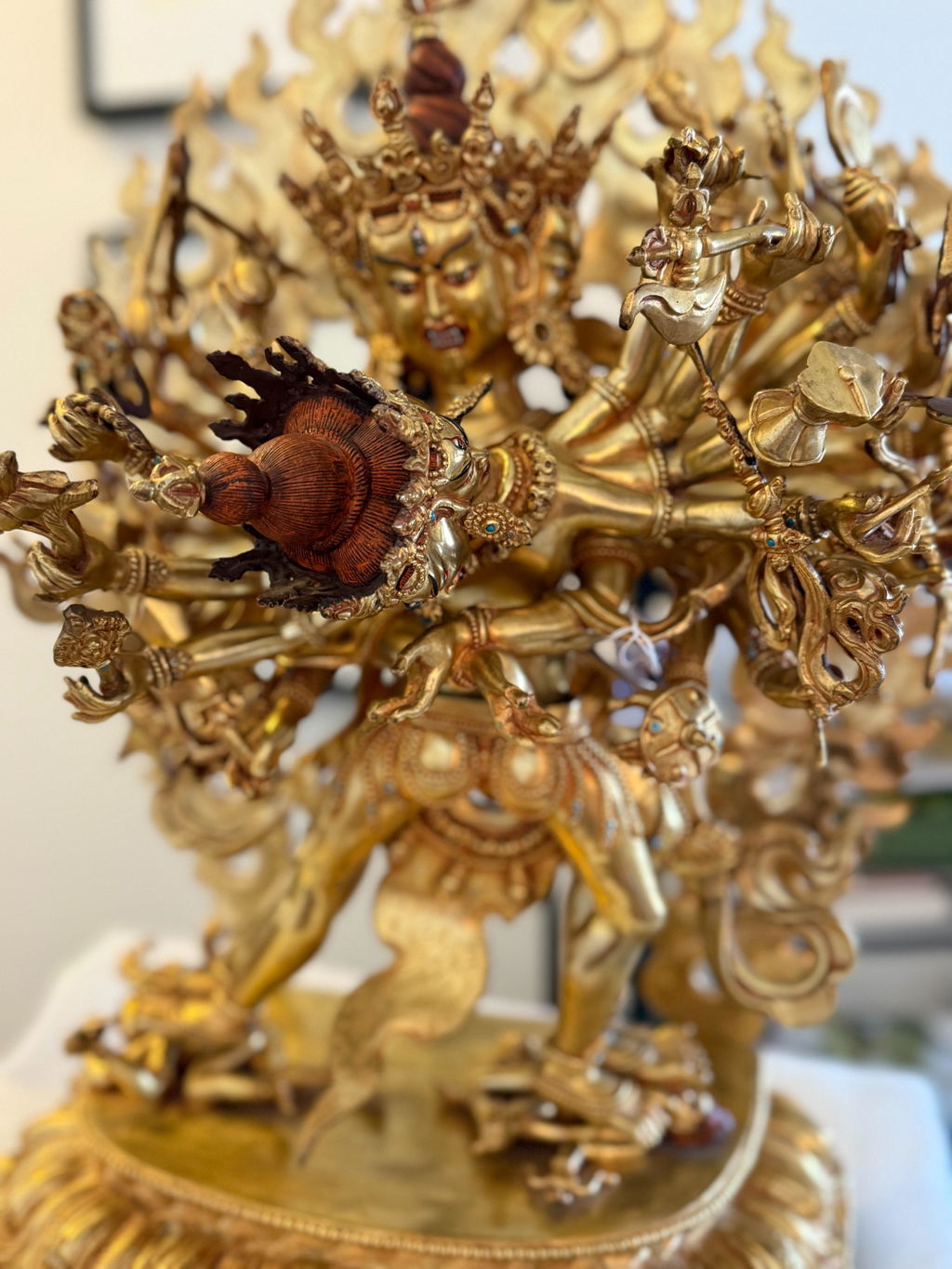
Guru Rinpoche, or Padmasambhava, statues are usually embroidered with crowns and many arms, representing the taming of inner demons and the bringing of Dharma to Tibet. The vase of longevity of Namgyalma contains nectar for immortality, guards against untimely death, and purifies the action.
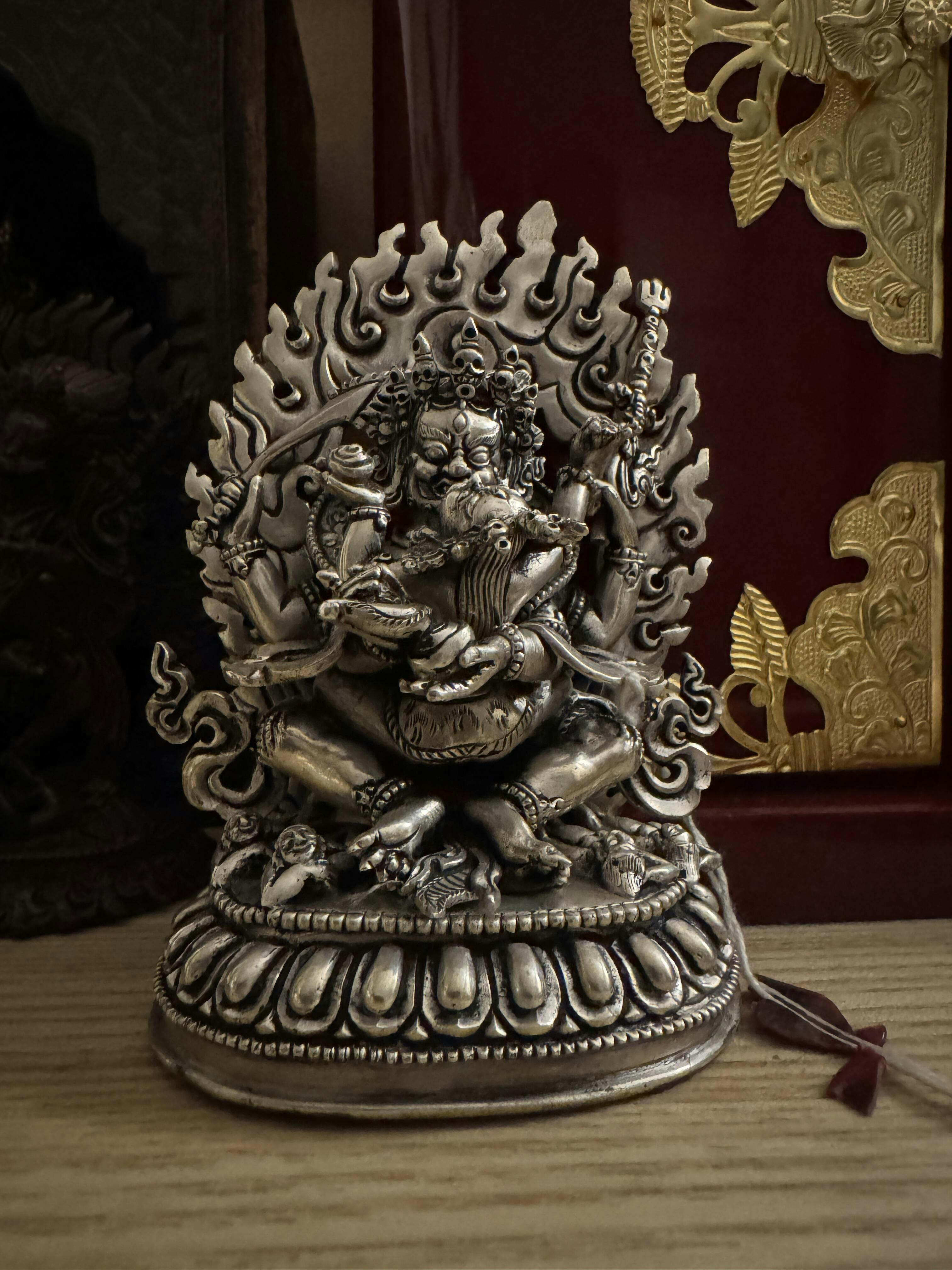
Wrathful figures like Mahakala destroy ego with flames and skulls, guiding advanced tantric paths.
Importance of Statues in Nepalese Life
Statues have become part and parcel of daily life in Nepal.
They offer:
-
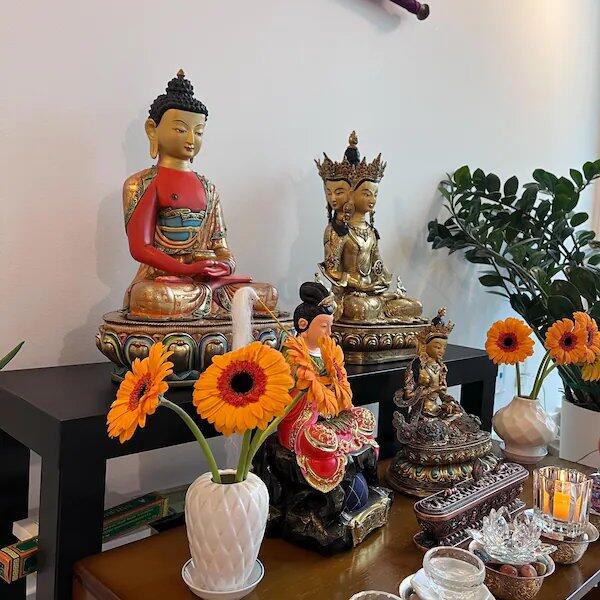
Protection for homes
-
Energy balancing according to Vaastu
-
Reminder of spiritual commitment
-
Ritual significance
-
cultural identity
-
Educational symbolism for children
Many families in Nepal keep:
-
Lakshmi for wealth
-
Buddha for peace
-
Shiva for strength
-
Tara for protection
Buying Statues in Nepal: What To Look For
When selecting a statue, check these factors:
1. Material Quality
-
Pure bronze
-
Copper
-
Brass
-
Stone
-
Wood
-
Resin
2. Craftsmanship
-
Crispness on details
-
Proportion accuracy
-
Traditional iconography
3. Spiritual Authenticity
The statue should conform to:
-
Ancient mudras
-
Right body ratios
-
Correct symbolism
Spiritual Symbolism in Vajrayana Statues
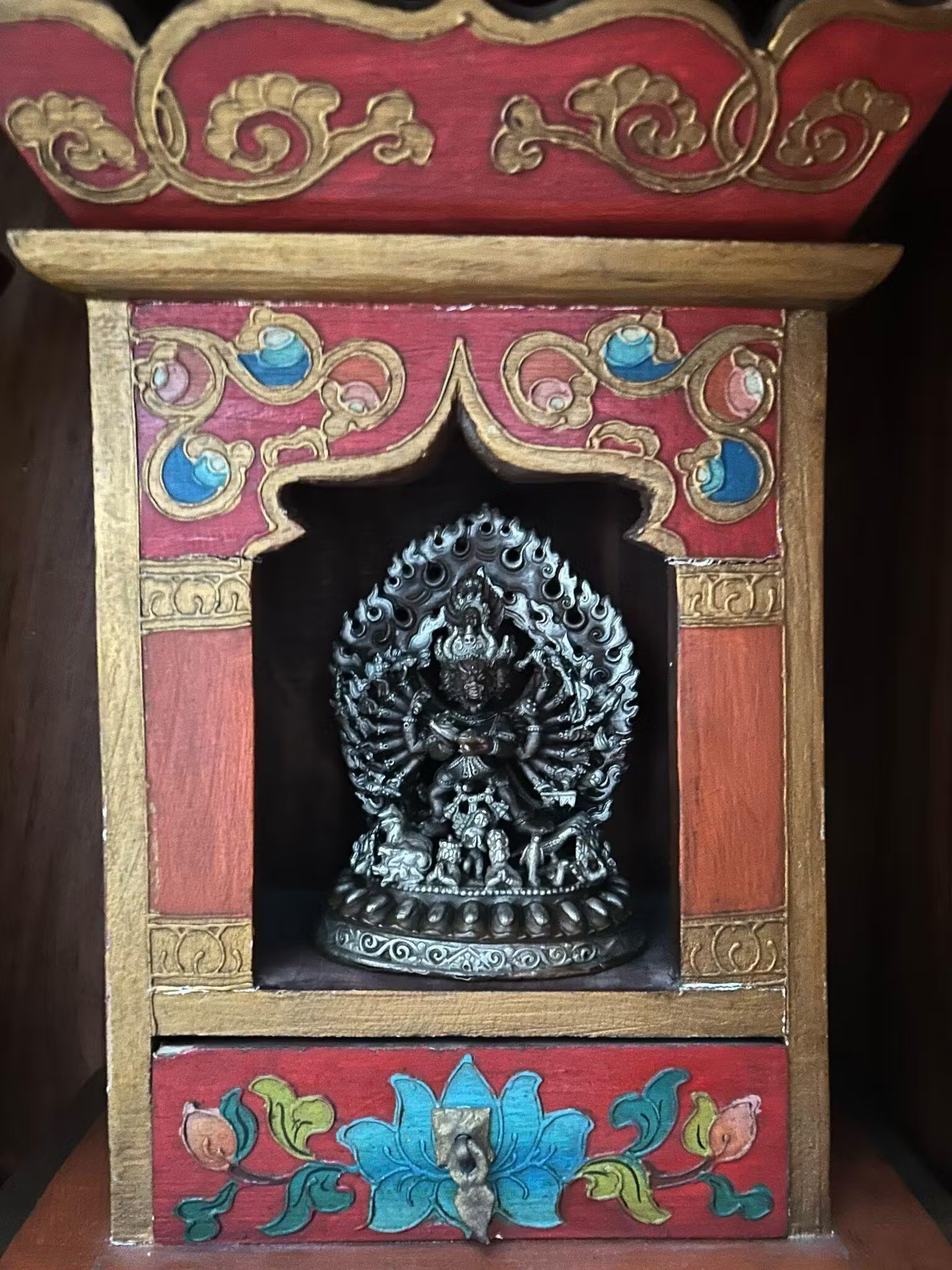
The profundity with which Vajrayana statues are rooted is: with multiple arms, they show that the wielder is endowed with diverse compassion, while wrathful eyes pierce ignorance across time. Vajrapani evolves from peaceful yaksha to tantric lord of secrets, vajra aloft against demons.
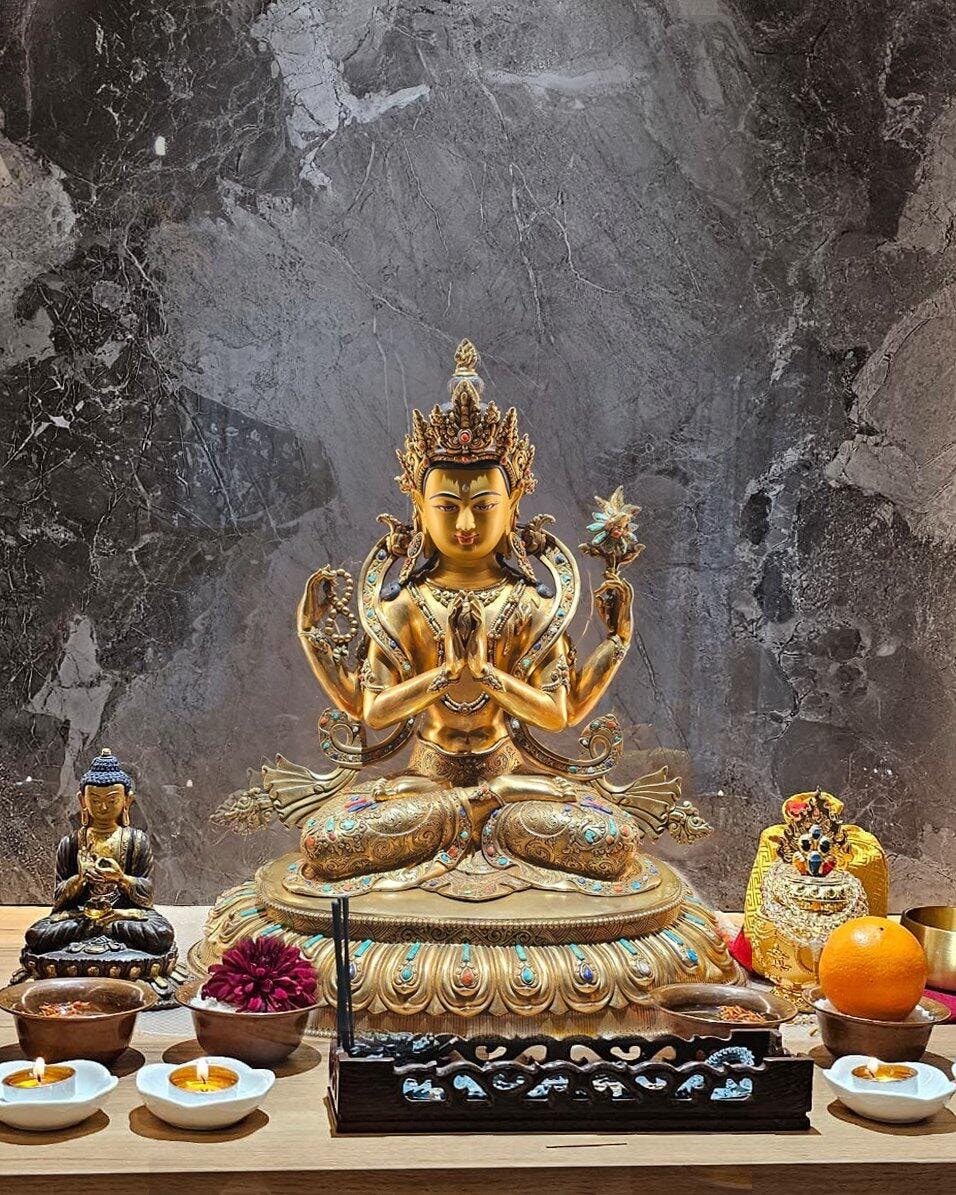
Seven eyes of White Tara watch all realms, lotus in hand for purity amid samsara. Instruments of consecration, such as the 24K gold-gilded Chenrezig of Nidhiratna, act as "living beings" through rabné rituals, whose residents are relics and mantras.
Serpents on the wrathful forms bind afflictions.
-
Flames indicate the destruction of delusions by wisdom's fire.
-
The varada (boon-granting) mudra invites blessings.
Meditating before them makes instant results toward Buddhahood.
Cultural Relevance and Contemporary Significance
Statues in Nepal preserve the Newar historical legacy through occasions like the Buddha Jayanti processions and other festivals. Thus, they bridge ancient Licchavi work to meet the present needs for global demand, ultimately supporting Patan economies.
The Patan economy rallies 'round these cultural masterpieces as they aid visualization in ngondro retreats for practitioners. On the other hand, collectors would rather have the real deal than imitation mass-produced replicas.
Conclusion: Embrace the Indelible Heritage of Nepal
Statues in Nepal combine sacred art, the spiritual power found in particular cultures, and a mastery of culture, taking the author's direction from Patan's forges toward personal enlightenment. These are the searchlights that bring meaning, protection, and beauty amidst worldly chaos, and Patan is the place to see living craft.
Key Insights: seek and strive for the original ones for the effect of power; meditate daily to experience transformation; visit Patan to witness living craft.
For authentic Vajrayana statues channelling this heritage, explore Nidhiratna - your gateway to handcrafted spiritual treasures from Nepal.


Share:
Mahakala: The Source of Spiritual Strength, Fearlessness and Inner Power
Padmasambhava: The Mighty Lotus-Born Master of Tibetan Buddhism