

Padmasambhava: The Mighty Lotus-Born Master of Tibetan Buddhism
The Tibetan Buddhist spiritual landscape is deeply imprinted with the figure of Padmasambhava or Guru Rinpoche, the “Lotus-Born” Master. Revered as a second Buddha, he has brought through his teachings and miraculous life a lasting impact on the Himalayan region and on the greater Buddhist world. This article covers Padmasambhava's origin, history, spiritual teachings, devotional practices, and how they carry on today.
Meaning of Padmasambhava
'Padmasambhava' in Sanskrit means 'Born from a Lotus' - Padma meaning lotus and Sambhava meaning 'born' or 'arisen'. In Buddhism, the lotus flower represents purity and enlightenment: it blooms unstained in the muddy water, symbolizing spiritual awakening from the cycles of samsara (worldly existence).
According to oral tradition, Padmasambhava is said not to have been born ordinarily, but rather to have fully emerged from the lotus flower as an eight-year-old boy, on Lake Dhanakosha in the mysterious kingdom of Oddiyana, an area that many scholars associate with the Swat Valley (in present-day Pakistan). Such an extraordinary entrance into this world would immediately signal his awakened and pure nature and the exceptional role he would be enacting.

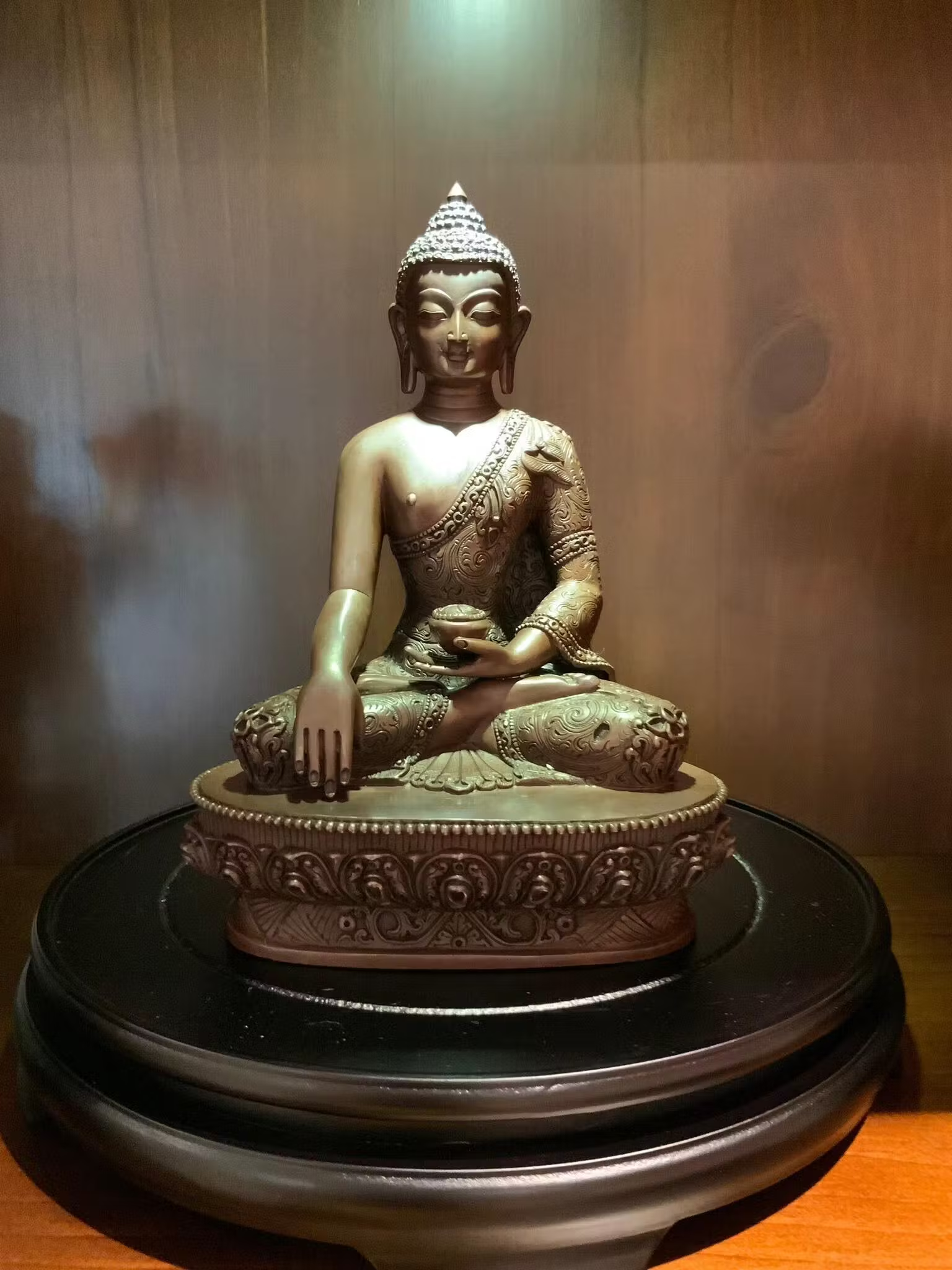
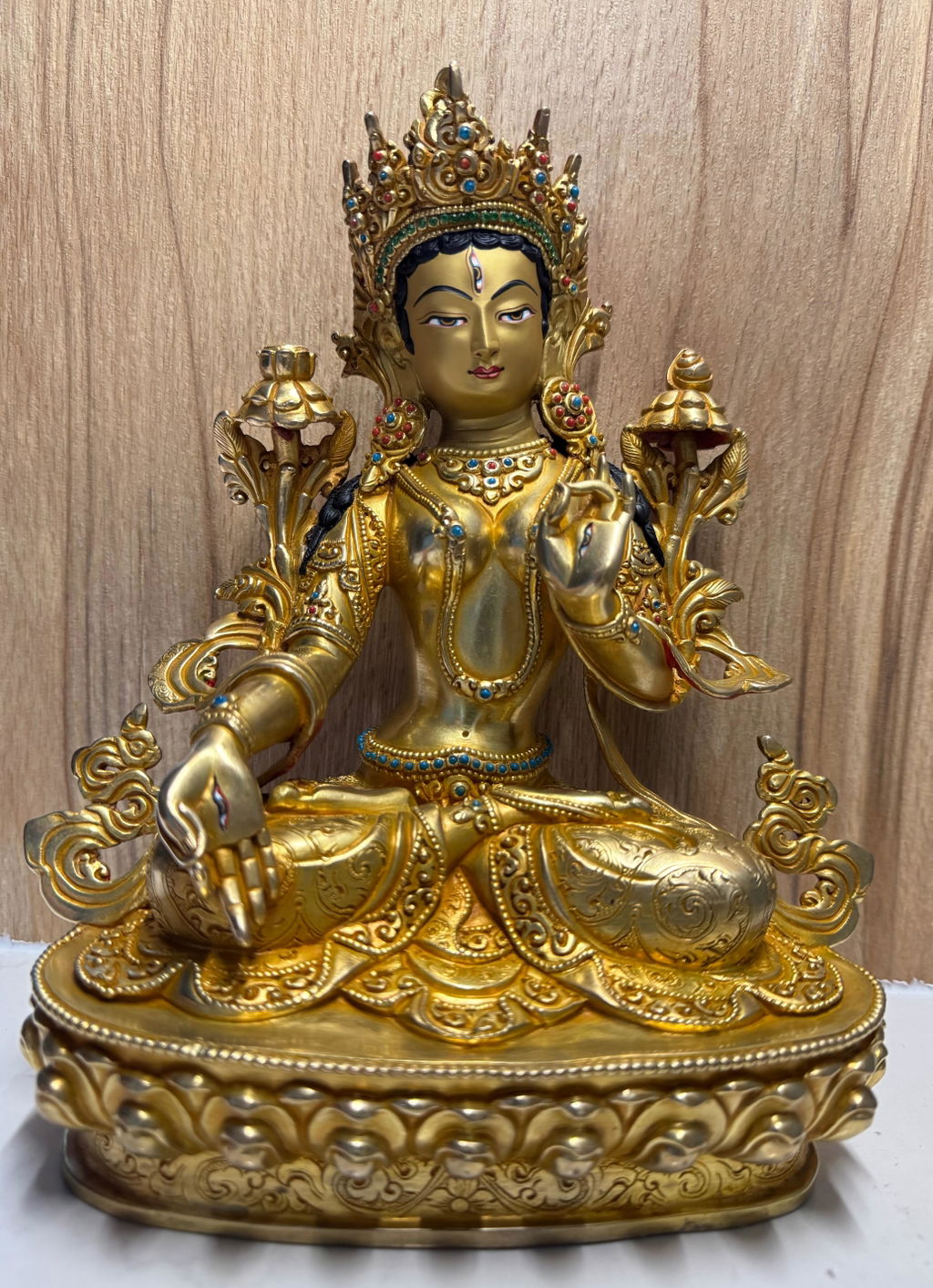
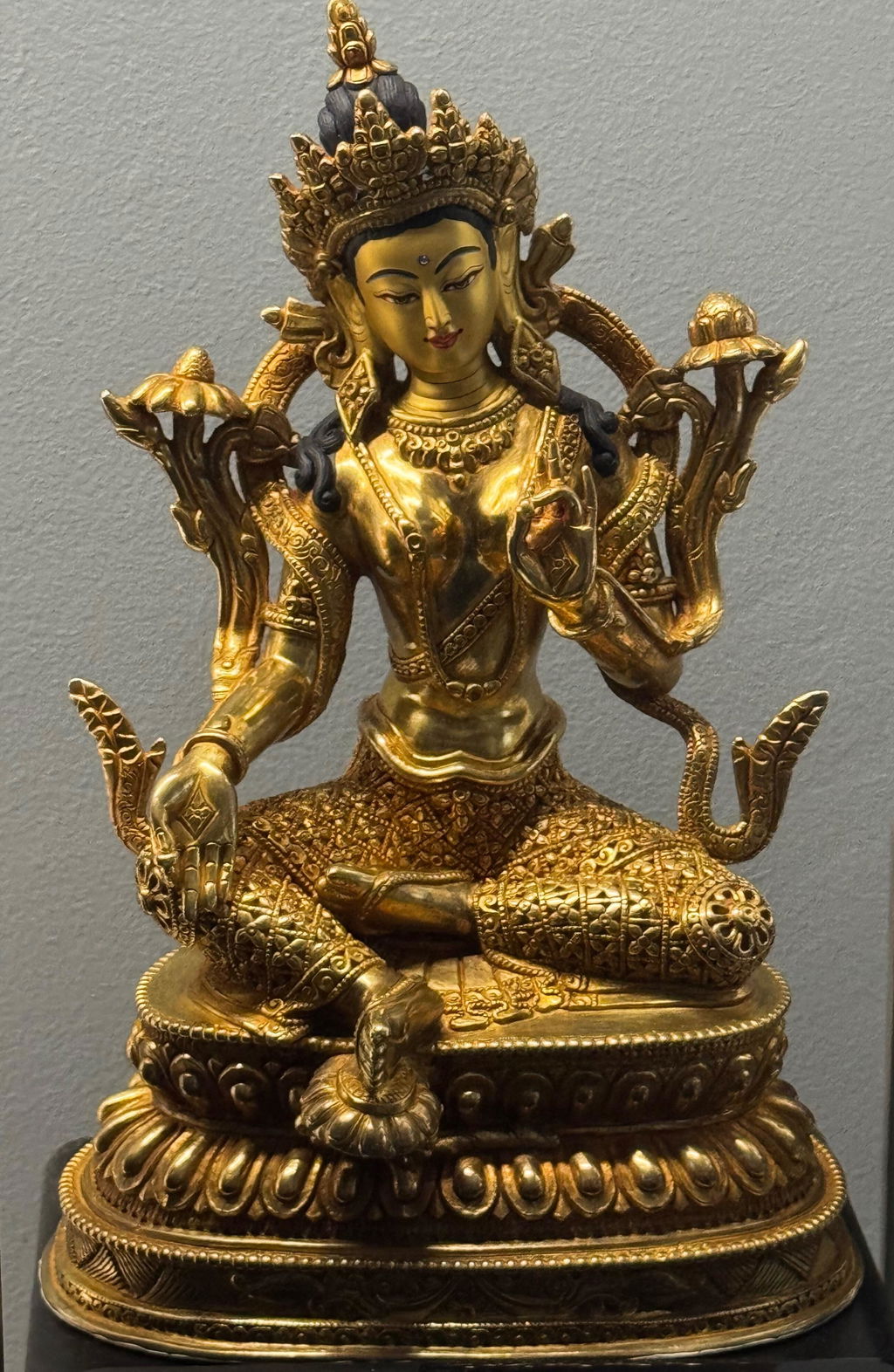
Click here to find the Guru Padmasambhava Statue
Historical Context and the Introduction of Buddhism into Tibet
Padmasambhava lived during the 8th century CE, a time of radical change in religious and cultural affairs in Tibet. Before Buddhism came the traditional Tibetan religious life with its focus on Bon-a shamanistic (spiritual) tradition of nature spirits. Opposition sprang to Buddhism from the very entrenched indigenous beliefs.
Padmasambhava's historical authenticity confronted some doubt from the very beginning among Tibetologists, whose views now "cautiously accept" the historical argument in favor of Padmasambhava. Padmasambhava seemed to have had an opinion on the matter, stating that footprints left among the rocks will speak for it. From very early on, Padmasambhava became seen as an important player in the transmission of Buddhism into Tibet. From about the 12th century onwards, hagiographies regarding Padmasambhava began to be written. These expanding works on the life of Padmasambhava now portray him as having tamed all the Tibetan spirits and gods and as hiding various secret texts (terma) for the future tertöns to discover. The author of the Zangling-ma (Jewelled Rosary), the earliest biography of Padmasambhava, was Nyangral Nyima Özer.
Invitation from King Trisong Detsen, one of Tibet's greatest rulers of the 8th century, Padmasambhava, together with the Indian master Shantarakshit, set out to establish Buddhism and build up Tibet's very first monastery, named Samye. His tantric abilities were crucial to dealing with local deities and spirits that opposed the new faith. Through the use of rituals and spiritual powers, Padmasambhava was able to subdue such forces and win over many of them to offer protection to Buddhism rather than obstruct it.
The groundwork laid here thus cemented Vajrayana Buddhism (Tantric Buddhism) as the dominant current in Tibet; initiation ceremonies, mantra recitations, and mandalas differentiate it greatly from other Buddhist traditions that had been introduced before.
Oddiyana-the Land of Tantric Origins
It was an important centre for Tantric Buddhism, and Padmasambhava was said to have been born in it. However, there are disagreements about its exact position; yet in every Tibetan text, it is an enlightened land endowed with secret spiritual wisdom. The transmission of the tantric methods from Oddiyana to Tibet, especially through Padmasambhava, indicates deep spiritual and cultural engagement in the Himalayan Buddhist tradition.
Traditional Hagiographies and Terma Literature
For the most part, Padmasambhava is known through his hagiographies, highly miraculous and symbolically encoded spiritual biographies. In the Padmasambhava Namthar, there are stories of his divine birth, miraculous deeds, and interventions in Tibet's history. The Terma tradition constitutes an original aspect of his legacy, which has it that Padmasambhava concealed teachings, texts, and sacred objects for future rediscovery by tertöns or treasure revealers, thus keeping his teachings alive and relevant for centuries. Termas often respond to the practical spiritual needs of the succeeding generation, thus speaking to the very dynamic and living nature of Tibetan Buddhism.
Spirit and Devotion
Padmasambhava is more than a historical entity, and a person of devotion as an enlightened being who still engages in active assistance to practitioners. His mantra goes:
"Om Ah Hum Vajra Guru Padma Siddhi Hum"
"Om Ah Hum Vajra Guru Padma Siddhi Hum"
acknowledged and recited all over the world to empower and protect people spiritually.
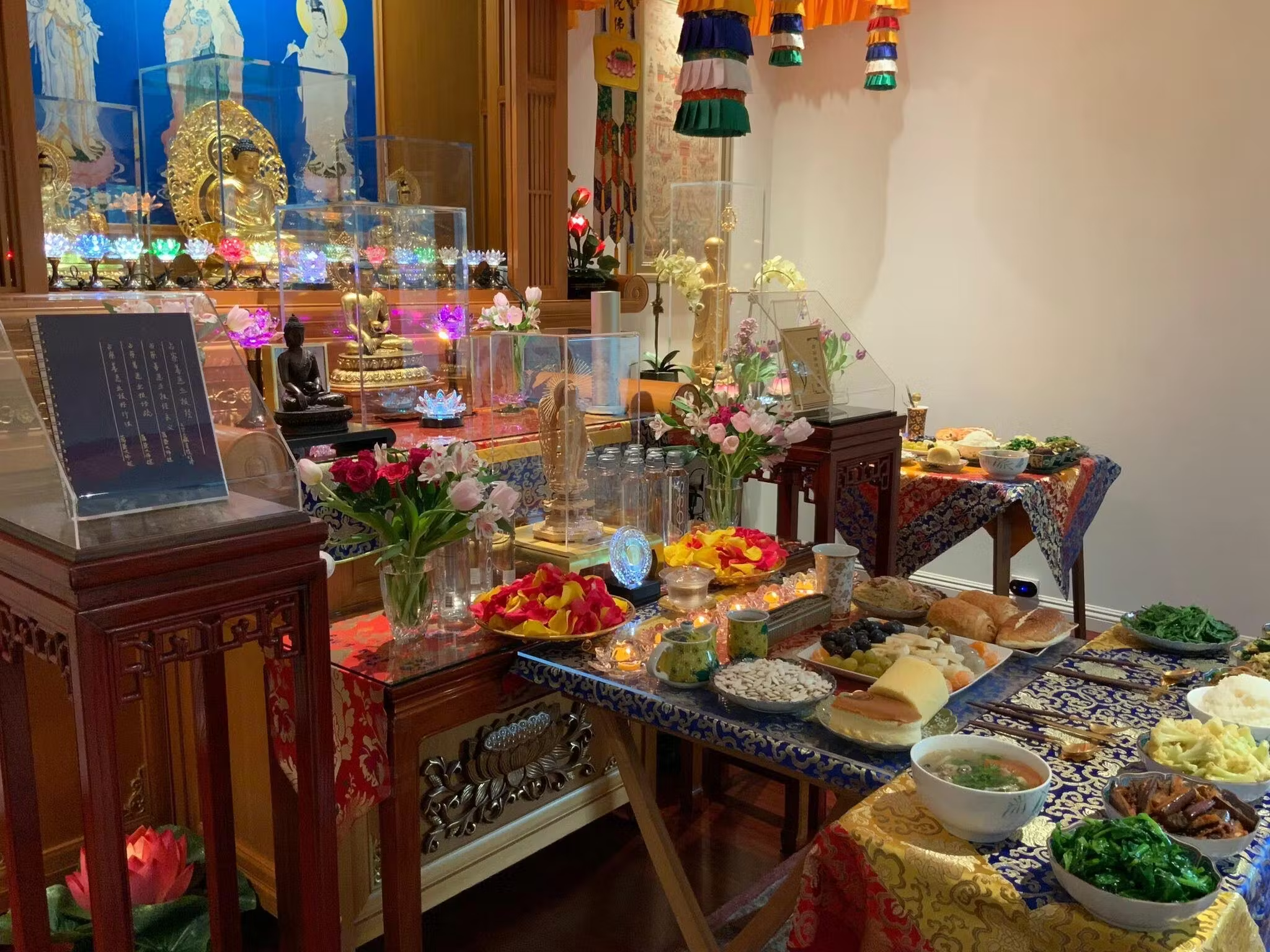
Devotees visualize him in eight manifestations: peaceful, wrathful, and everything in between, each endowed with distinctive qualities that skillfully guide practitioners. Rituals like the puja of Guru Rinpoche include chanting, dancing, and offering to invoke blessings and remove obstacles. Such practices purify faith and mind, leading directly to the spiritual experience.
Eight Manifestations of Padmasambhava
The eight forms of Padmasambhava as envisioned in his perfect enlightenment and embodiment are those of the well-known Guru Rinpoche, who taught, tamed the negative forces and guided beings according to their needs. Each manifestation is a different dimension of his wisdom and compassion, and miraculous activeness, coming at various times in his life to further certain purposes. Together, they exhibit his mastery over peacemaking and wrathful, magnetizing and conquering actions, projecting his timeless persona as the great teacher who established Buddhism in Tibet.
1. Guru Tsokyé Dorje (Lake-Born Vajra / མ་ཆོད་མཆོད་གཟིགས་རྡོ་རྗེ་)
-
The form he appeared in at birth, miraculously born upon a lotus in the lake of Dhanakosha.
-
Symbolizes: pure awareness, spontaneous wisdom.
2. Guru Shakya Sengé(Lion of the Shakyas / ཤཱཀྱ་སེང་གེ་)
-
Represents his role as a young prince of Oddiyana.
-
Symbolizes: dignity, discipline, mastery of Dharma.
3. Guru Pema Gyalpo(Lotus King / པདྨ་རྒྱལ་པོ་)
-
Depicts him as a divine prince teaching beings in the sambhogakāya form.
-
Symbolizes: charisma, magnetizing activity.
4. Guru Loden Choksé (Wise Seeker of the Sublime / བློ་ལྡན་མོ་)
-
Represents his journey of studying, debating, and mastering philosophies across India.
-
Completion: perfect intelligence, limitless learning.
5. Guru Padma Jungné(Lotus Born / པདྨ་འབྱུང་གནས་)
-
Common appearance; the ordinary form of enlightenment by him.
-
Symbolizes: teaching, compassion, subduing negative forces. Guru Senge Dradrok
6. Guru Senge Dradrok (Lion's Roar / སེང་གེ་གྲགས་རྒྱལ་)
-
Fierce form subduing harmful spirits and negative influences.
-
Symbolizes: wrathful activity, fearless proclamation of Dharma.
7. Guru Pema Trinlé (Miraculous Power Lotus / པདྨ་ཐུགས་རྗེ་/ སྤྲིན་ལས་)
-
Associated with performing miracles for the benefit of beings.
-
Symbolizes: enlightened activities, spiritual accomplishments.
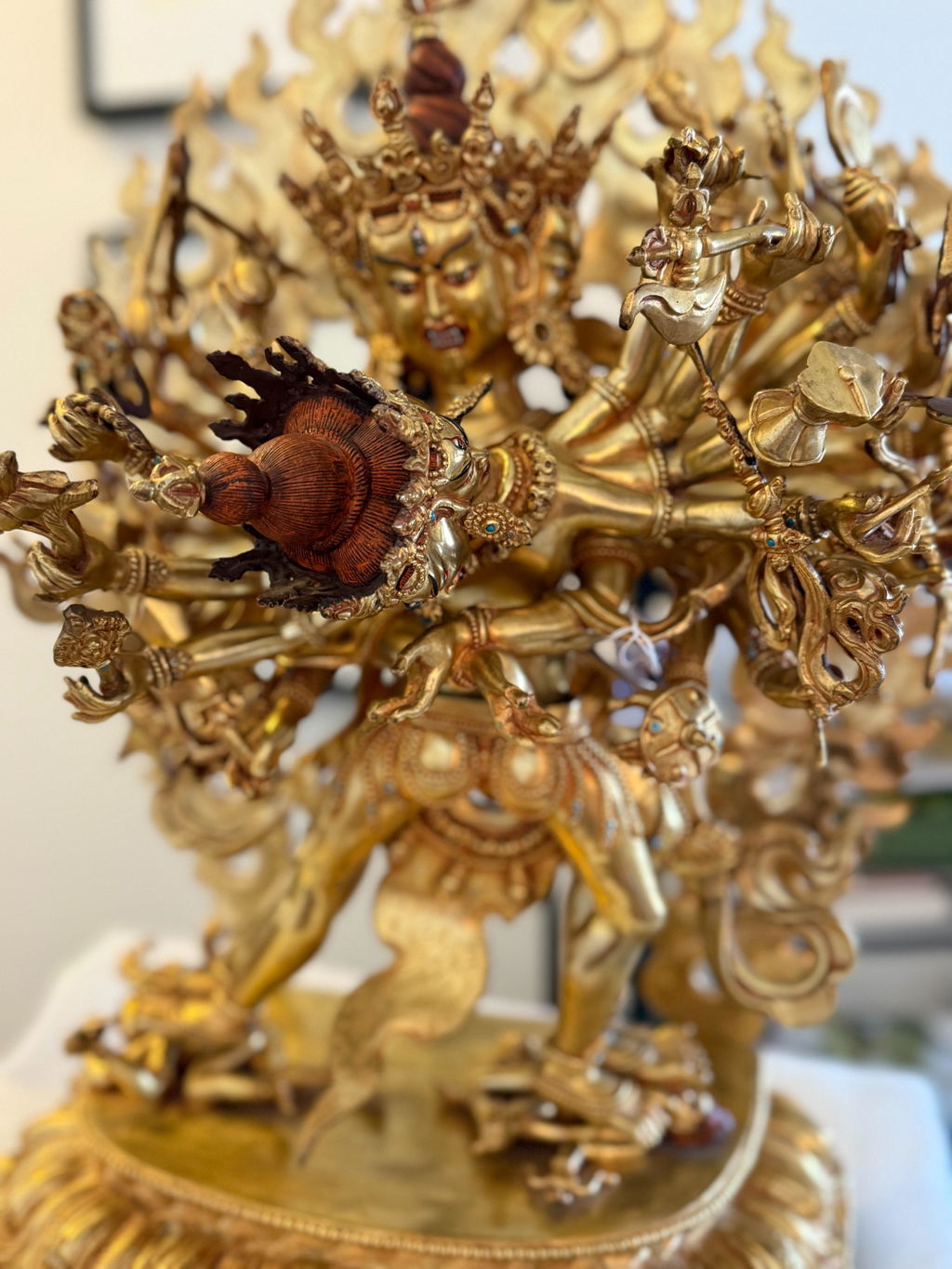
8. Guru Dorje Drakpo Tsal ( Wrathful Vajra Power / རྡོ་རྗེ་གྲགས་པོ་ཚུལ་)
-
One with increased wrath in the form who can overpower strong obstacles, demonic influences, or hostile forces.
-
Symbolizes: supreme defeat of ignorance and ego.
Iconography: Meaning in Art and Culture
These representations of Padmasambhava have countless meanings:
-
Lotus Hat: This represents both his enlightened mind and his connection to the lotus-born origin.
-
Vajra Staff (Khatvanga): This is the representation of indestructible compassion and spiritual rigour.
-
Skull Cup (Kapala): Transformations and transcending ego-death.
The leading Legacy of Padmasambhava
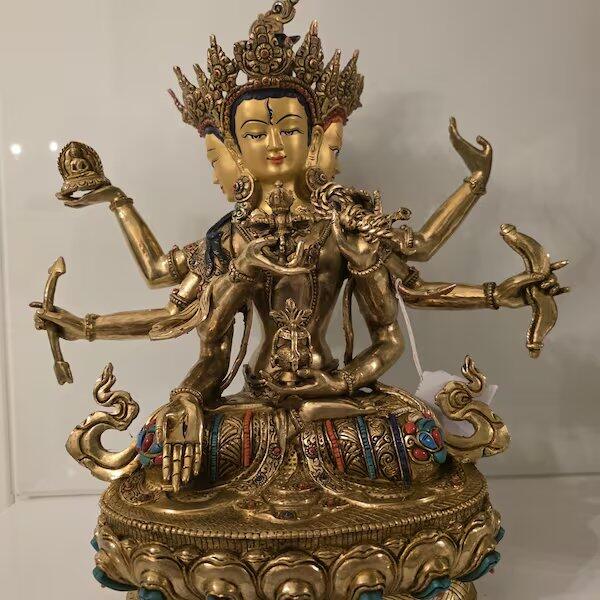
Multiple Manifestations-an artwork that depicts different forms of which he engages in negotiating almost every diverse spiritual need possible.
-
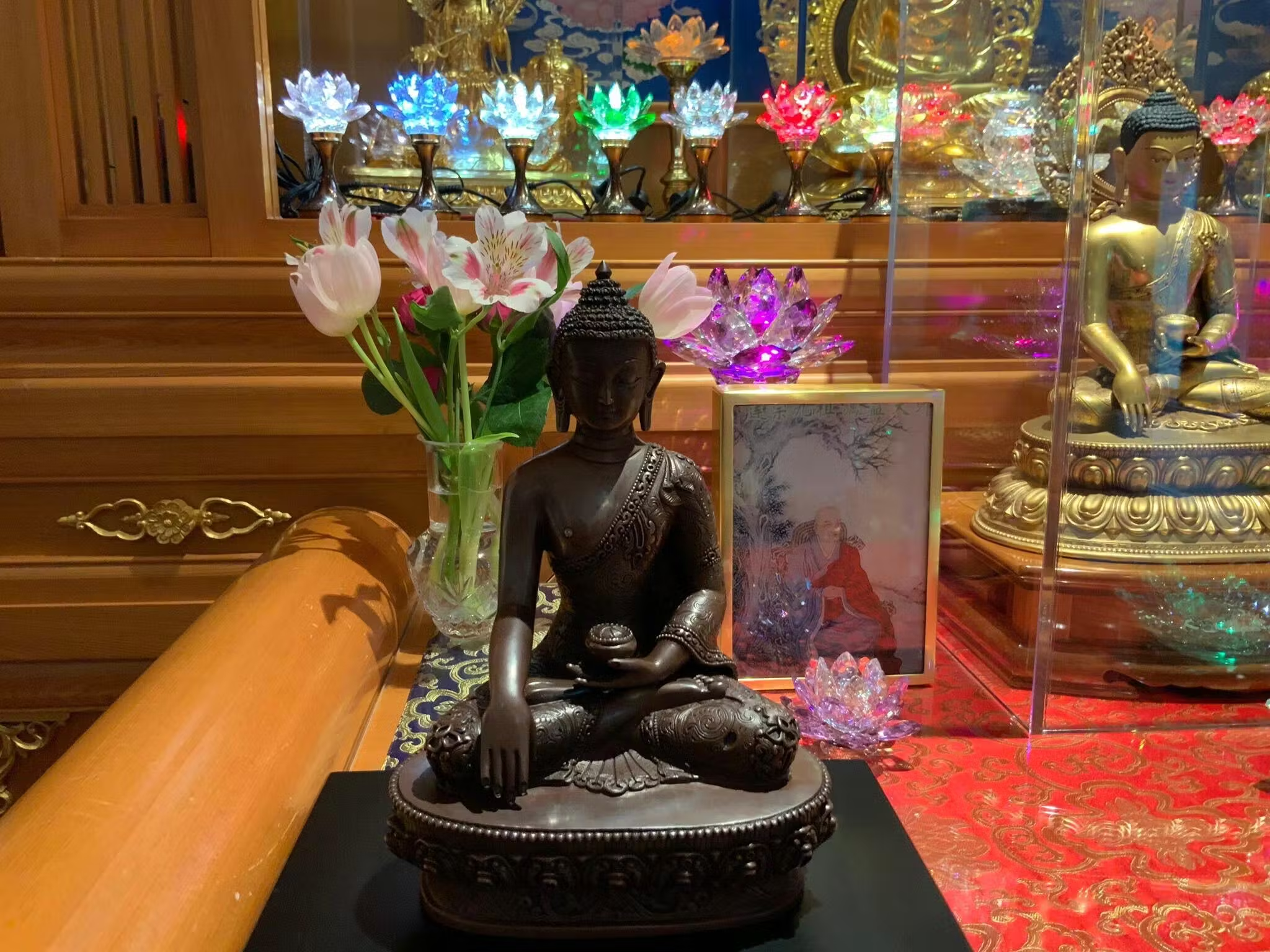
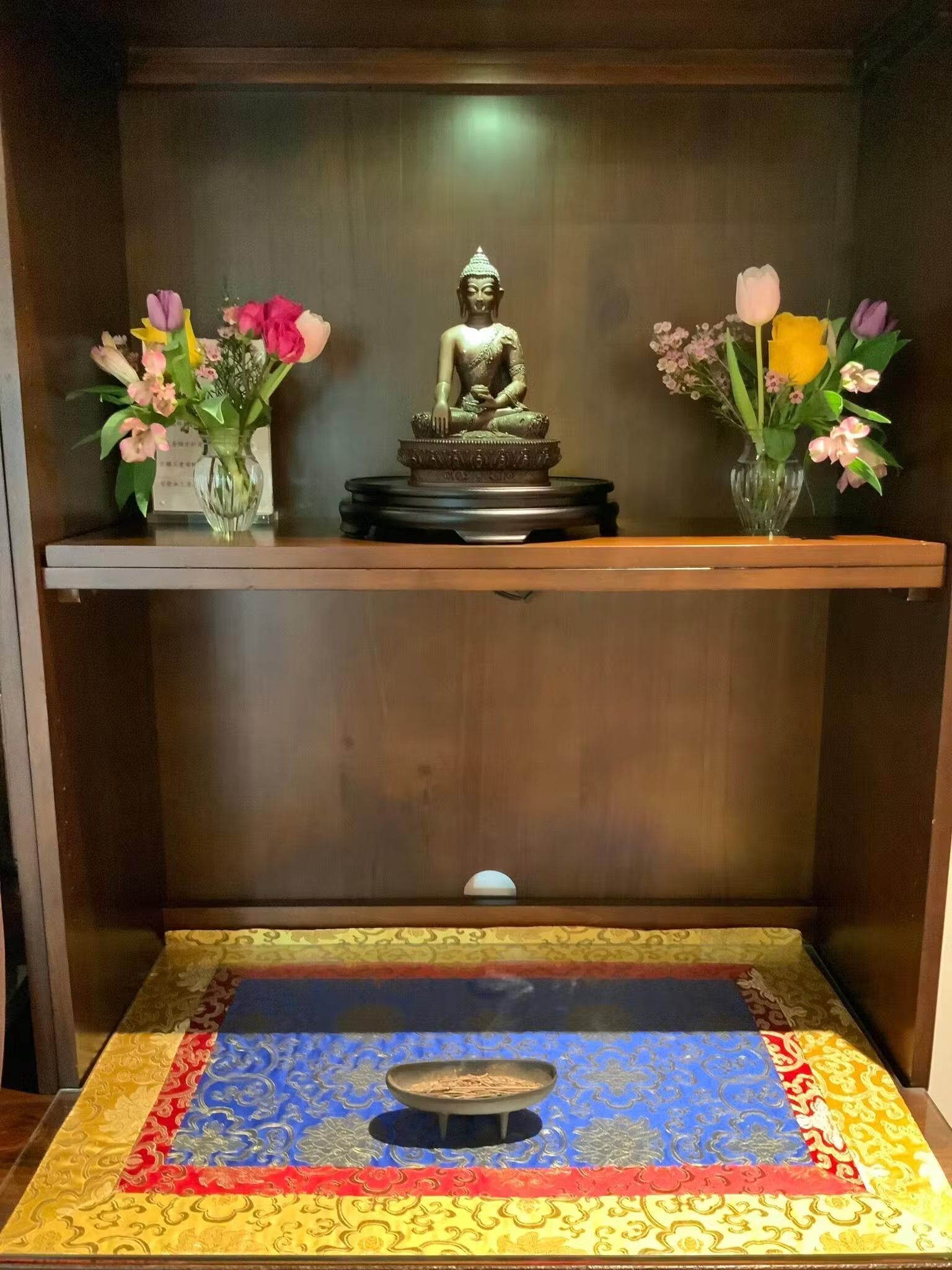
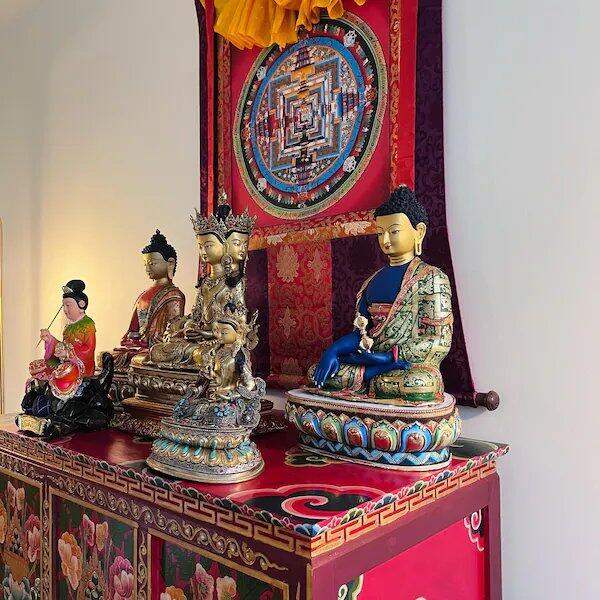
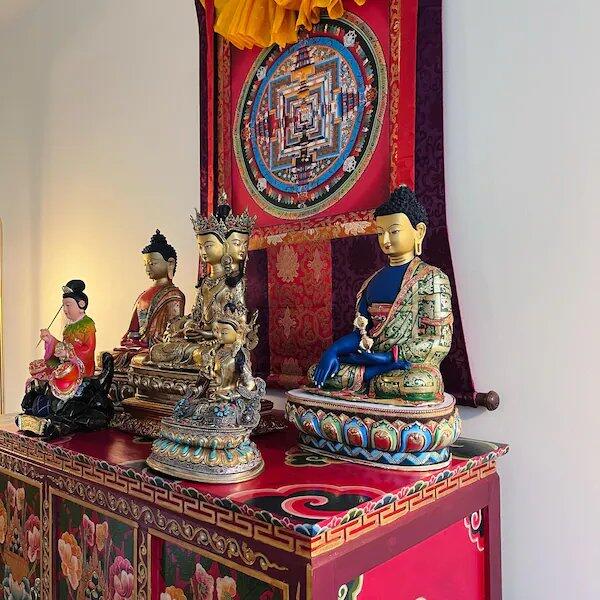
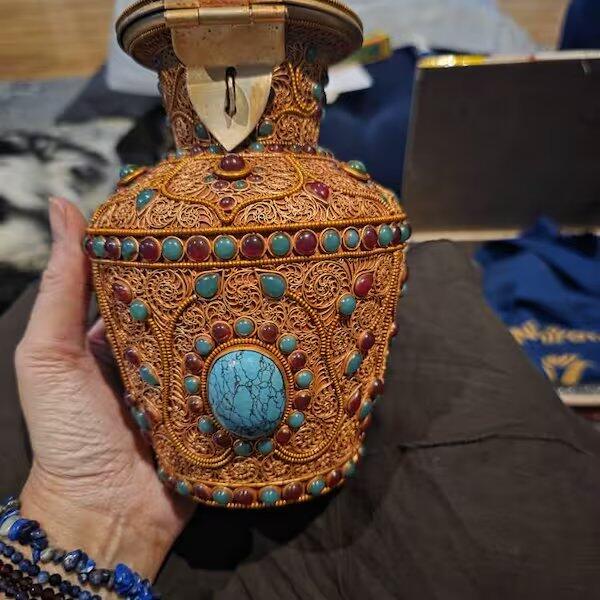
Padmasambhava is visually immortalized in thangkas (painted scrolls), statues, and ritual objects throughout Tibet, Bhutan, and Nepal, where they can be utilized for meditation and worship.
-
Padmasambhava's direct influence is felt in spiritual currents of up-to-date life.
-
Pilgrimages: The sacred sites of Samye Monastery in Tibet and Paro Taktsang, or Tiger's Nest in Bhutan, attract numerous pilgrims and visitors seeking blessings and spiritual benefits, as well as a personal connection to aspects of his work.
-
Global Spread of Tibetan Buddhism: With the Tibetan diaspora and the growing global interest, Padmasambhava's culture-free teachings find themselves igniting practitioners all over the globe.
-
Relevance in Modern Times: His teachings provide practical skills directly addressing fear, ignorance, and loss of emotional balance. To modern spiritual seekers, Padmasambhava's story is one of personal transformation, resilience, and awakening.
-
Intergenerational Transmission: Meanwhile, Tibetan masters today stress the devotion, mantras, and practices that can provide accessible help from Padmasambhava; thus ensuring a dynamic, living, and personal relationship with the Lotus-Born Master.
-
Psychological and Symbolic Interpretation: Many interpret his taming of demons as the internal work aimed at transforming negative emotions and mental obstacles, thereby making his teachings relevant for modern psychological and spiritual development.
The Lordly Master of the Lotus-Born across Time
The Lotus-Born Master Padmasambhava's legacy is widely known to include myth and history, dilating one of the archetypal figures of enlightenment, metamorphosis, and compassionate wisdom. From a lotus flower, Padmasambhava, by his very birth, signalled the blossoming of Vajrayana Buddhism in Tibet. His teachings will inspire many more generations across the world.
With infinite wisdom, the very tools taught by him form a bridge across suffering and awaken one's potential. Whether as an enlightened guru or as a master of the depths of legend, Padmasambhava continues to enlighten souls aspiring along the Buddhist path.
Step into Nidhiratna's sacred collection of Padmasambhava statues—once you witness their divine craftsmanship and feel Guru Rinpoche's transformative energy, you'll leave with your perfect spiritual companion.


Share:
Statues in Nepal: Sacred Art, Spiritual Power, Cultural Masterpieces
Vajrayogini: The Red Goddess of Passion, Power, and Enlightenment