

Red Dakini Kurukulla: The Magnetizing Goddess of Power and Attraction
Red Dakini Kurukulla is one of the most enchanting and dynamic figures in Vajrayana Buddhism. She is known as the “mistress of Knowledge” or Rigjema. There is a strong aura and magnetism in her presence. She is the one who teaches compassion.
Let's learn more about her magnificent power and the attributes of attraction.
Origin of Red Dakini Kurukulle
Her existence appears within the Tang-dynasty esoteric Buddhism (Mijao) in China. In Japan, she is known in Shingon and Tendai traditions as a magnetising deity. She is also one of the most influential figureheads in Indian and Nepali culture among practitioners who look for initial stillness.
In the indigenous Tibetan literature named the Tara tantras, she is described as one of the Twenty-One Taras. The Tengyur preserves more than thirty-seven sādhana practices dedicated to her. Since primordial times, she has remained a central and captivating presence within the Buddhist mandala.
Kurukulla is the go-to deity for anyone looking to "magnetize" what they need in life, but with a spiritual twist. Her Buddhist origin established her as the “goddess of Love and desire.” She is often revered by,
-
Creative leaders
-
People looking to heal connections
-
Tantric or meditation practitioners
Iconography and Symbolism
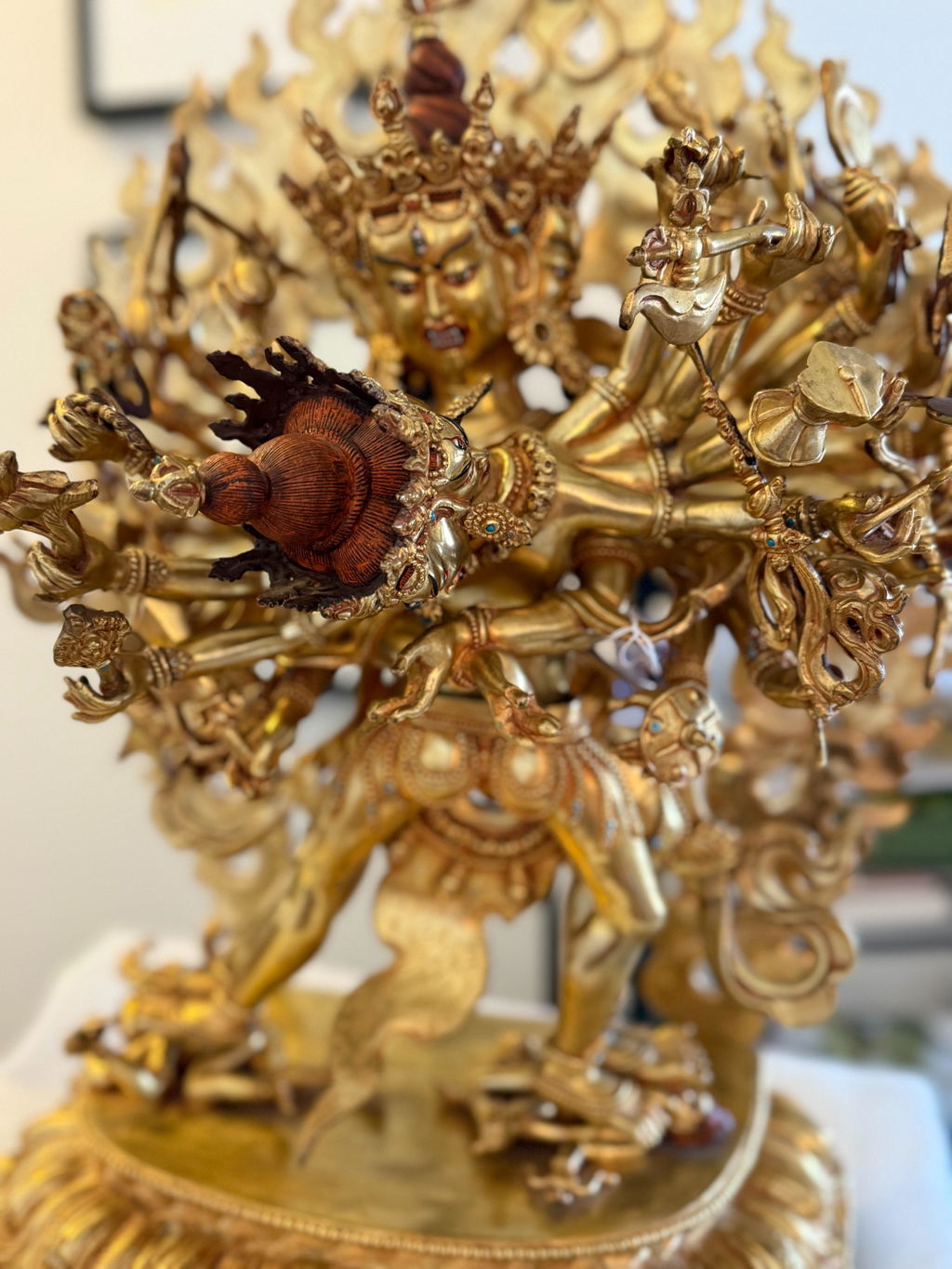
Red Kurukulla is the protector of nature, connected to rejuvenation and renewal of life forces. Her radiant red and crimson hue represents the lotus. This red light pierces duality, drawing beings toward Dharma while dispelling unfavourable emotions.
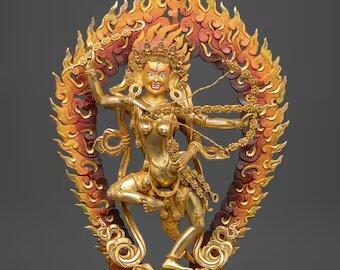
In her right hand, she holds a bow and arrow. It's one of the tools of attraction that “pierce one’s heart” with love and wisdom. Her left hands grasp a hook and noose, also flower-made, embodying the four enlightened actions: attraction, subjugation, pacification, and enrichment.
-
Red body: Transformative passion and life force refined into wisdom
-
Dancing posture: Active, living awareness engaged with the world
-
Bow and flower-arrow: Compassionate magnetism, attracting without force
-
Skull cup (kapala): Transformation of desire and emotion
-
Crown of skulls & bone ornaments: Transcendence of ego and impermanence
Her four arms also reflect the four immeasurables: loving-kindness, compassion, joy, and equanimity. Together, they balance fierce intent with boundless care. She helps balance the outer challenges and inner turmoil in one’s life.
She rests on a lotus, signifying purity. She is adorned with jewels, bone ornaments, and a crown of five skulls. These symbolise abundance, impermanence, and the triumph of wisdom over illusion.
Her skull garland and fierce gaze affirm her role as Trailokyavashakarini, the Subjugator of the Three Realms.
Teachings of Red Dakini Kurukulla
Red Kurukulla teaches that attraction itself is not a flaw. When guided by awareness, it becomes a path to liberation. Kurukulla appears as a radiant red goddess, dancing in joyful motion upon the demon Rahu. This posture symbolizes her victory over ignorance, ego, and inner obstruction.
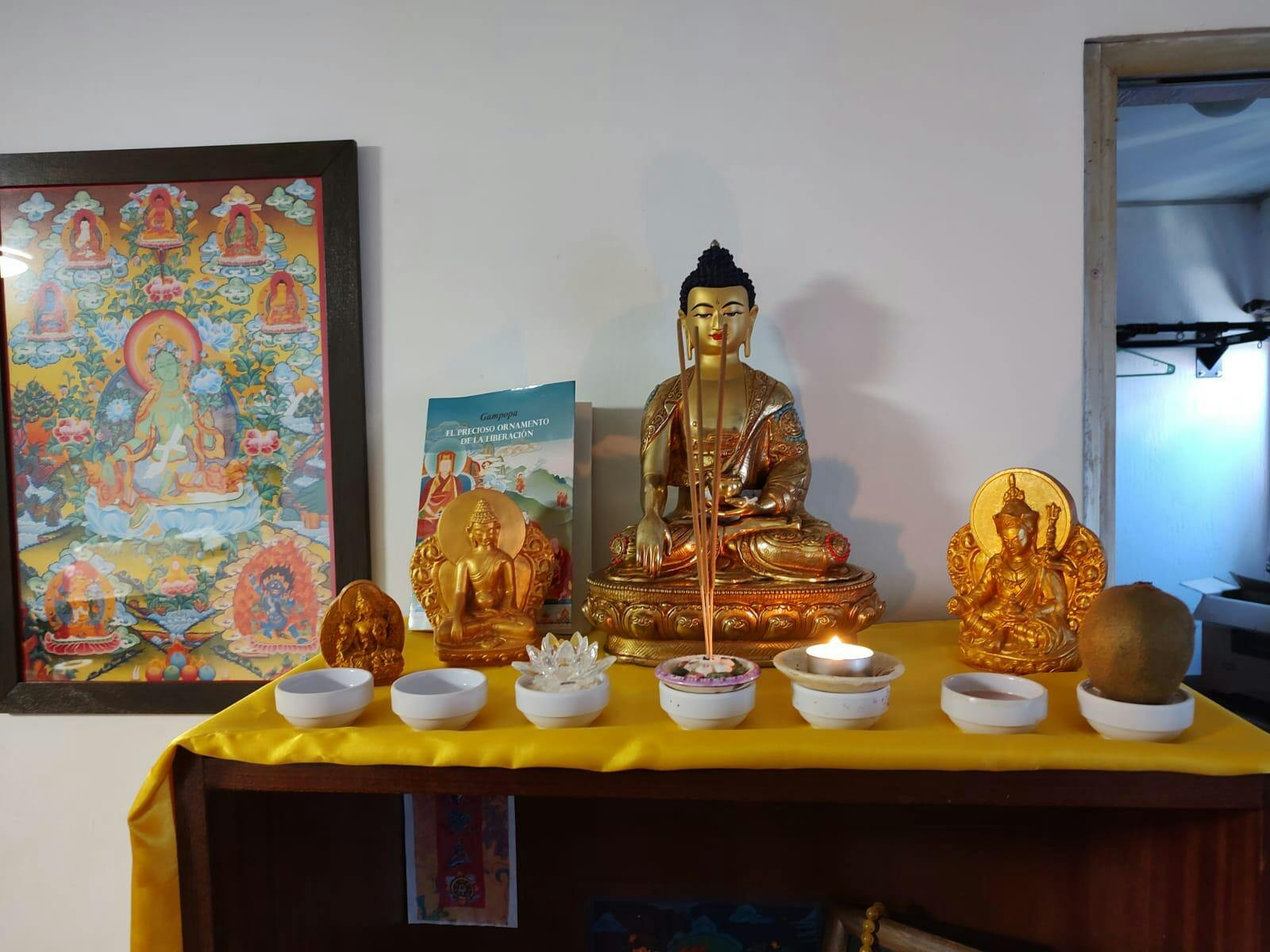
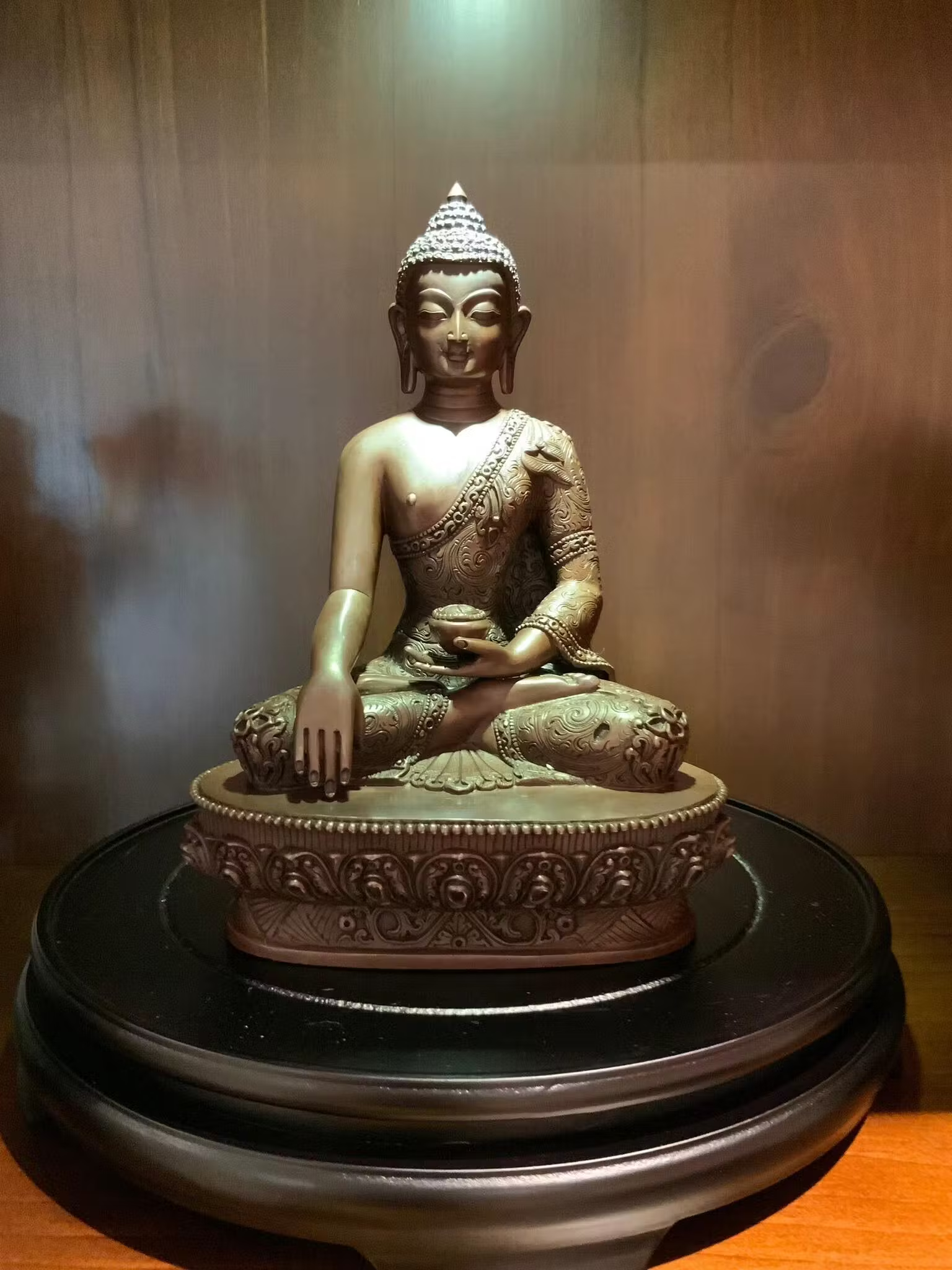
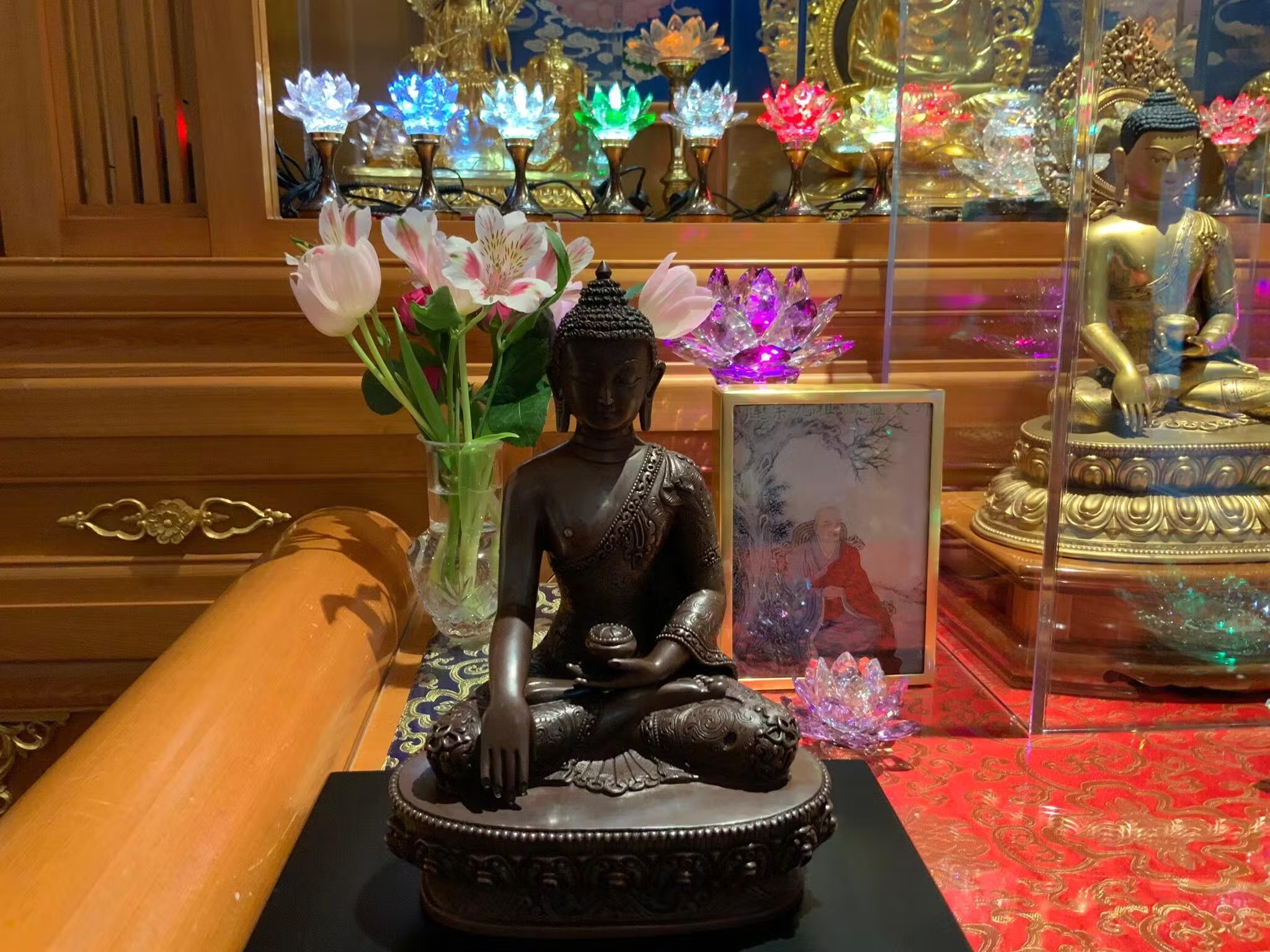
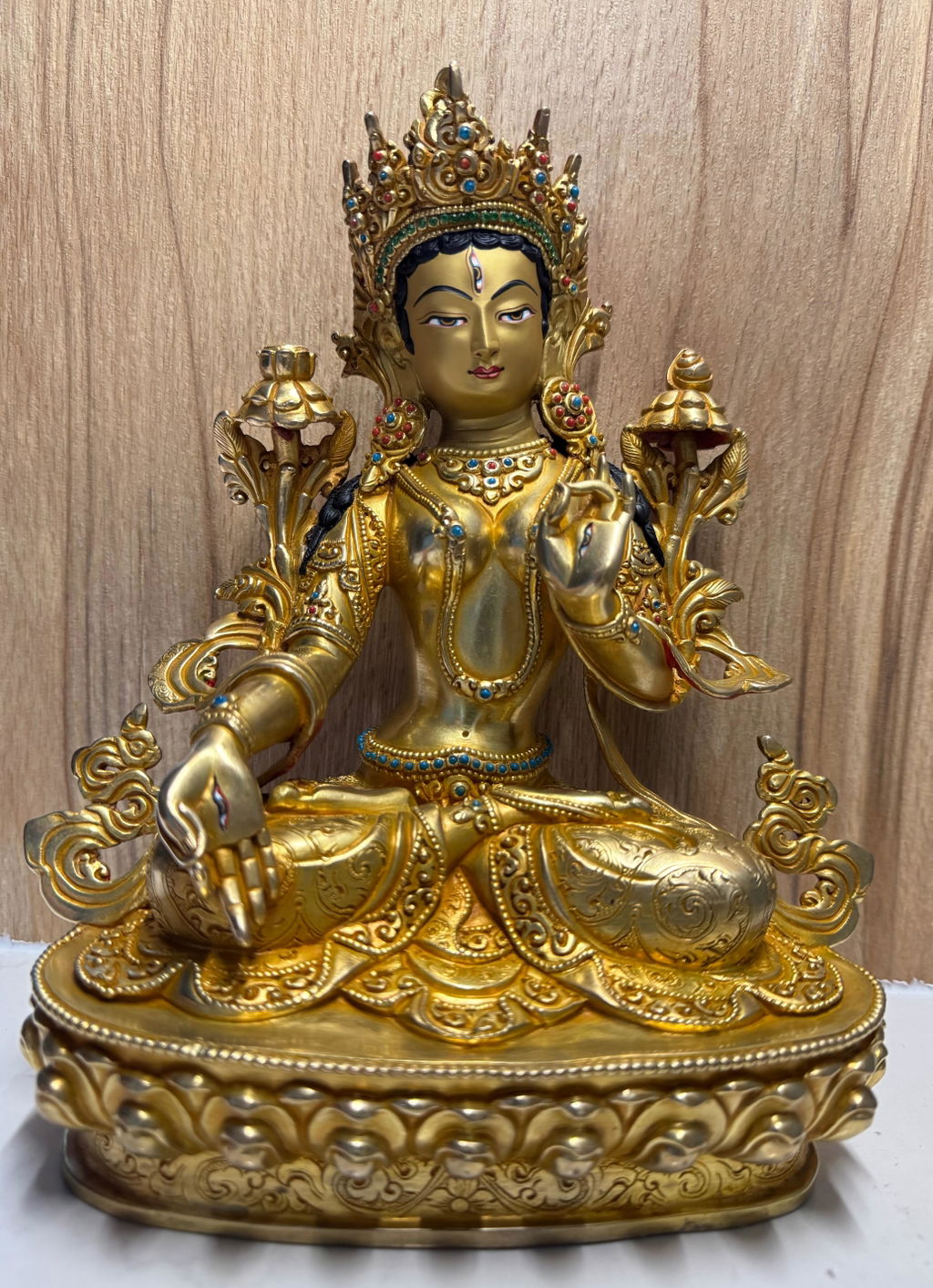
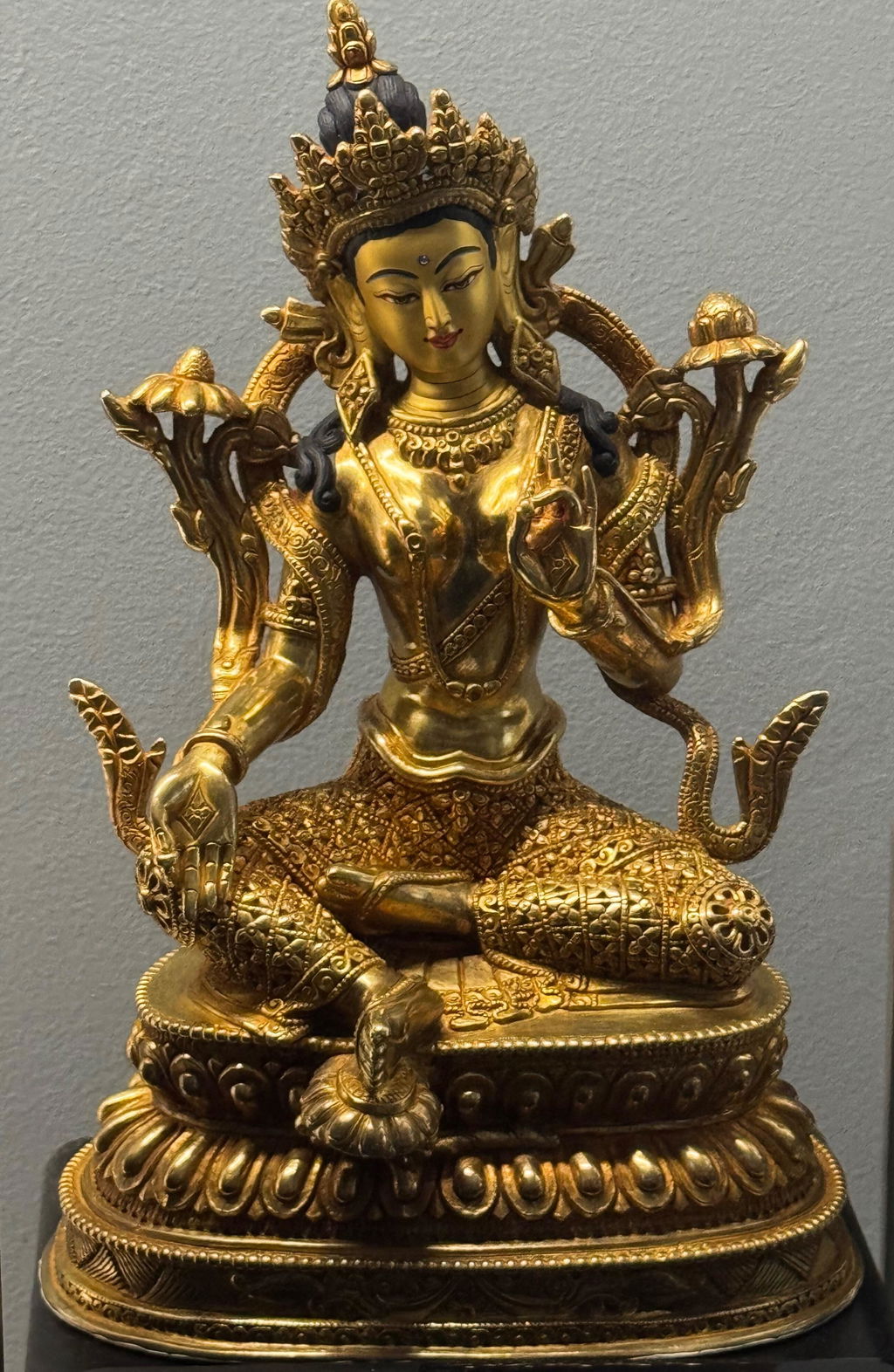
Red Dakini Kurukulla is the “love goddess” and also one who can manifest a magnetic pull in your life that you are looking for. By worshipping her statue at home, you can get a magnetic pull towards reality. On a deeper level, she asks one to subdue personal attachment, confusion, and contradictory thought.
Mantra of Kurukulla, Red Dakini
Chanting the primary mantra "Om Kurukulla Hrih Svaha" 108 times, visualizing the red light radiating from the heart, helps one invoke the Anahata (Heart Chakra). Chanting her mantra on a regular basis can bring prosperity, love, and spiritual allies in one's life. The Visualization Sadhana you practice can help you attract favorable circumstances in life.
Before starting something in your life, visualize the red light with the intention that,
"May this work attract the right energy and manifest positivity."
Chanting her mantra, Om Kurukulle Hrih Svaha- is equally life-changing. This can help you attract the opportunities, inspirations, and compassion you are looking to attract in your daily life. It is suggested that you spend 5 minutes in silence before the statue each morning.
Another mantra to praise Kurukulle is “Padma Heruka yi gongpa yis.”It helps you tame obstacles, harmonize the relationship, and bring subtle transformation in your life. One of her mantras as Tara Ma is "OṀ TĀRE TUTTĀRE TURE KURUKULLE NRIJAḤ SVĀHĀ."
Significance of Dakini Day
Dakini Day is observed each month on the 25th day of the Tibetan lunar calendar, a sacred time dedicated to honouring the enlightened feminine energy embodied by the Dakinis.
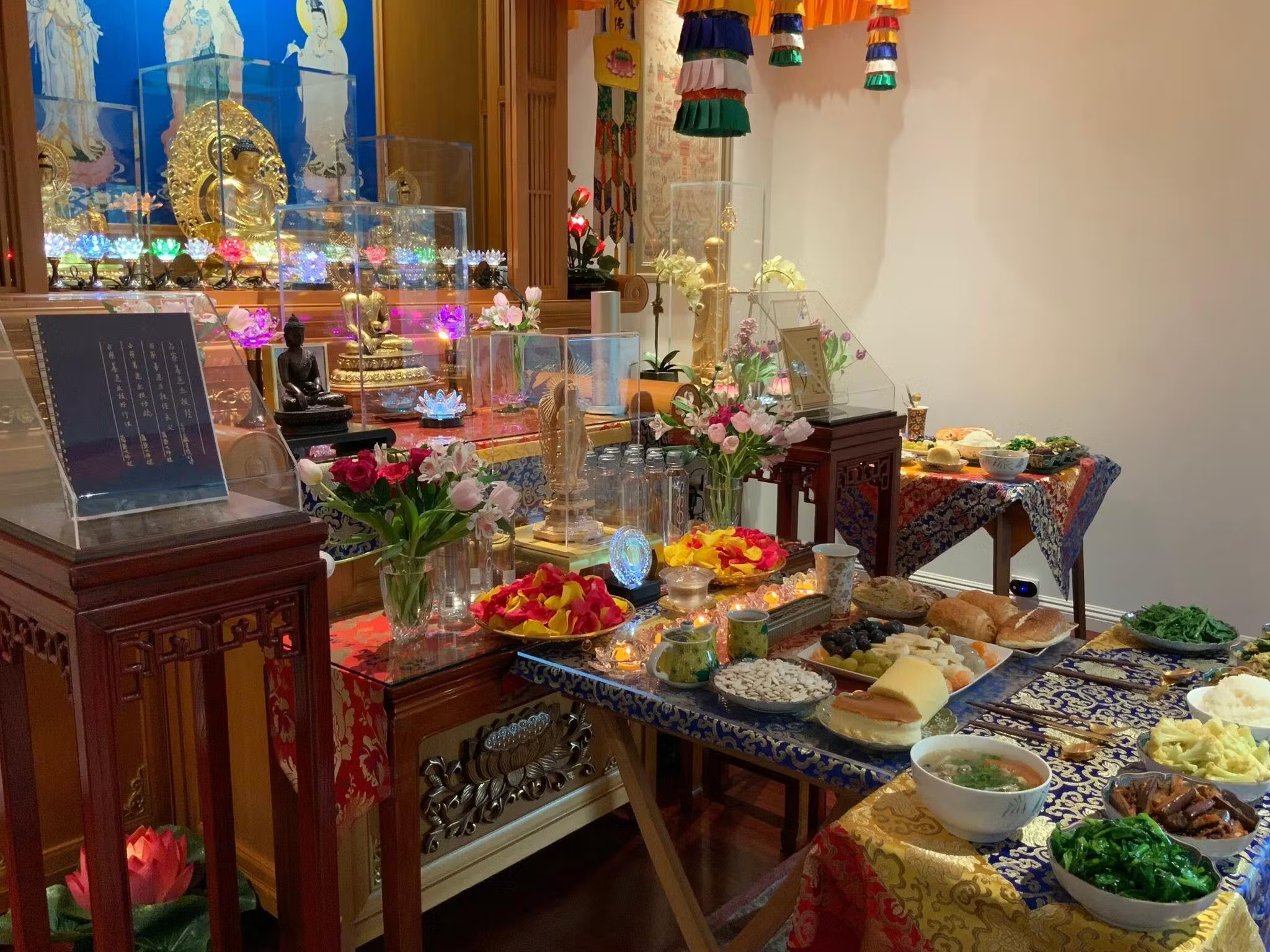
For Vajrayana Buddhists, this day holds special significance and is traditionally marked by Tsok (Ganachakra) offerings, prayers, and advanced tantric practices, most notably those related to Vajrayogini.
Dakini Day is a powerful occasion for spiritual renewal and inner transformation. Practitioners gather to accumulate merit, purify obstacles, and reconnect with wisdom and compassion.
Ritual offerings are made not only as acts of devotion but as expressions of gratitude to enlightened feminine deities such as Tara, who represent awakened awareness and compassionate activity.
Ways of Pleasing Red Dakini Kurukulla
Rather than using force, Kurukulla works through attraction, drawing favourable conditions, insight, influence, and harmony toward the practitioner. Her energy transforms desire into wisdom and emotional intensity into clarity and compassion.
Kurukulle Havan Yagya is also conducted at Pashupatinath during sacred lunar days. She is the Dakini of Magic and Enchantment. Techniques like Reiki can be used in her enchantment.
One in her devotion can subjugate all the demon and human forces that stand on one's path. Her practices are often associated with the ethical use of influence for compassion.
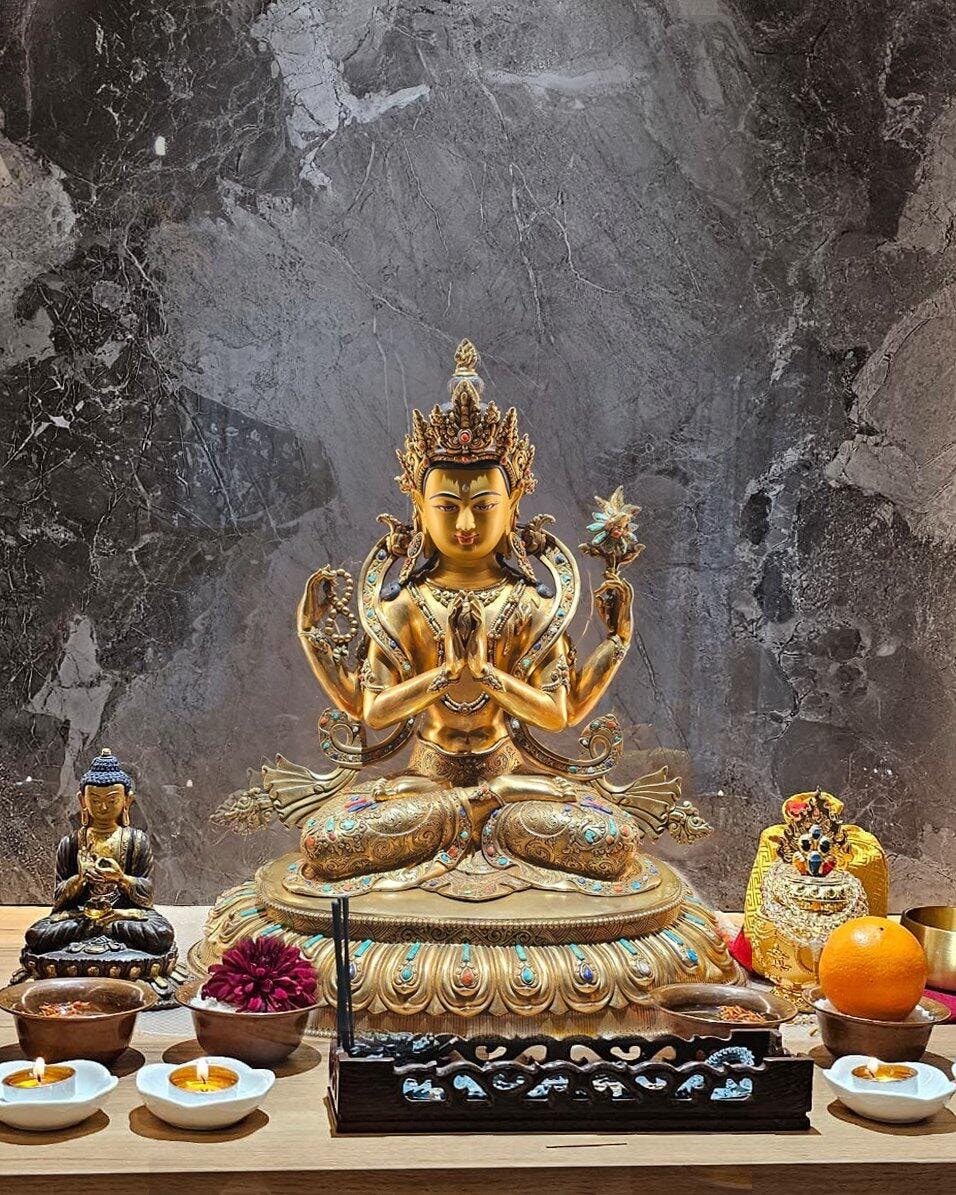
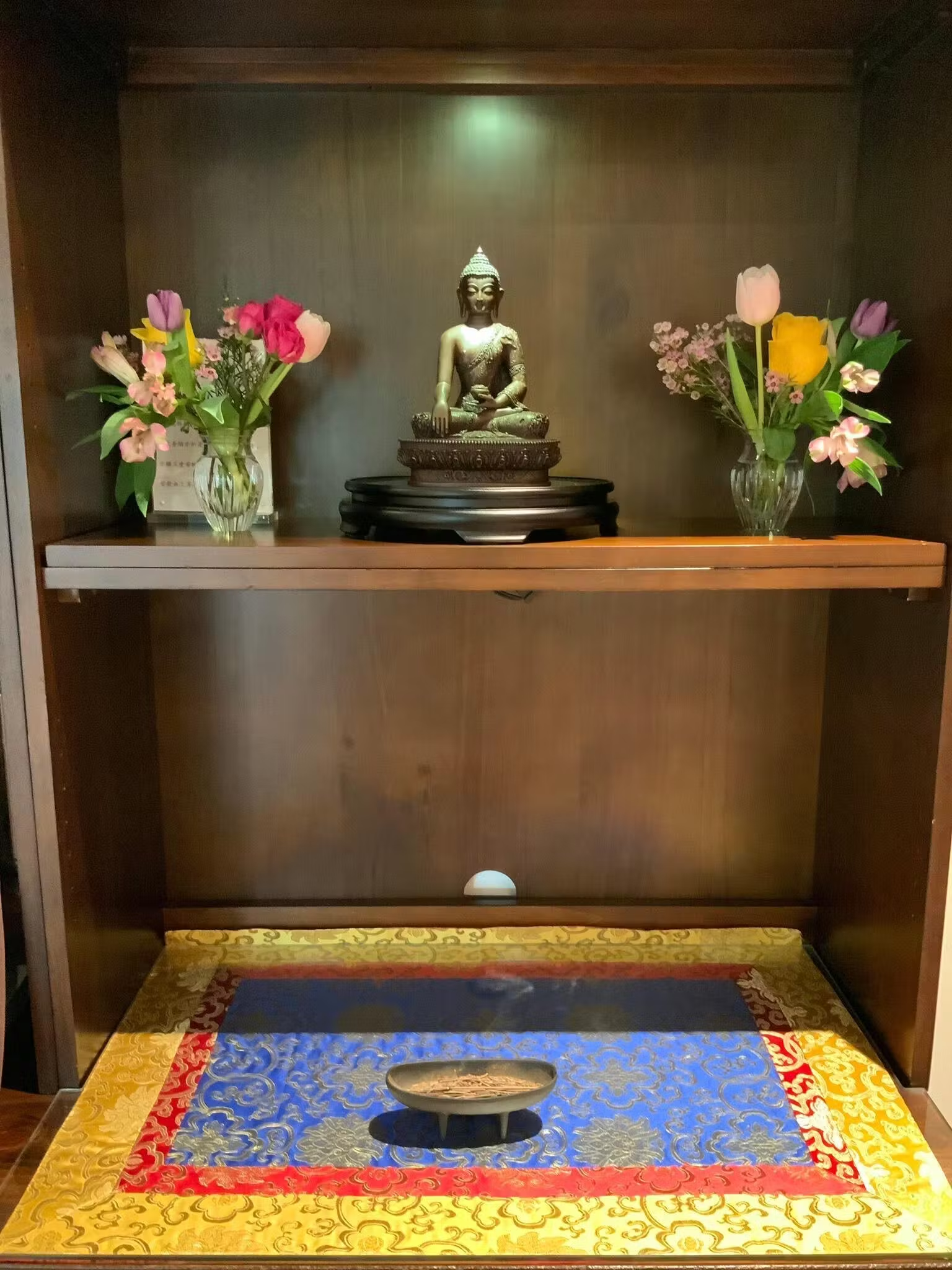
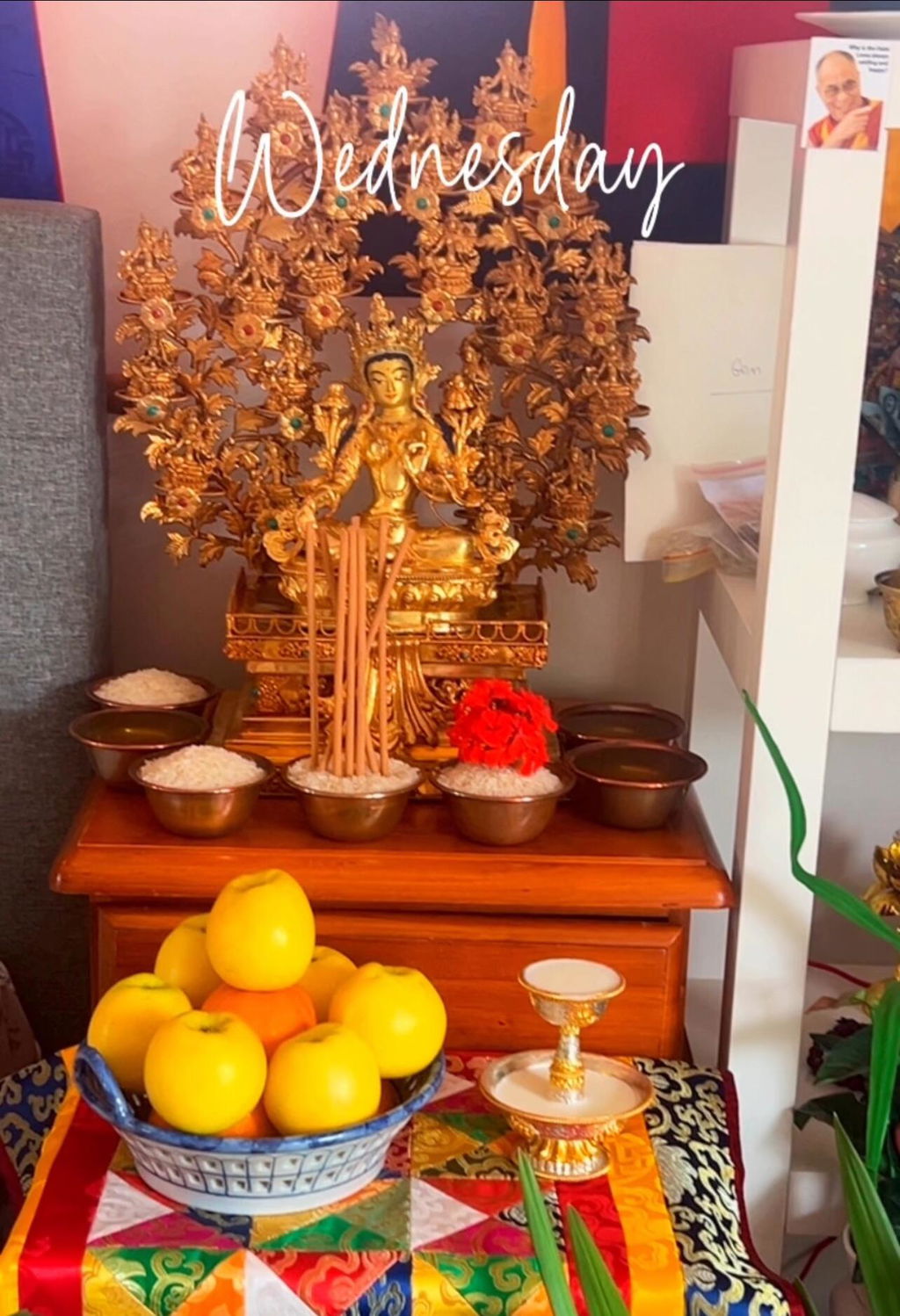
Kurukulla, the Tantric Goddess of Bewitchment, is the manifestation of female spirits who transmit one's knowledge and initiations. To invoke that, offer red flowers, incense, fruits, or sweets.
Her rituals are more often performed during the waxing moon phases. You can also start a short Kurukulla Sadhana today and add fasting to your routines.
Conclusion
The enhancing charisma of Red Dakini is highly perceived by the practitioners. One can transform their desire into skilful means by placing their idol in the home. To shop the idol painting and welcome the power of attraction, shop at Nidhiratna.
FAQs
1. When is Dakini Day celebrated?
On the 25th day of the Tibetan lunar calendar, Dakinis are invoked as a special occasion in the Buddhist community.
2. What happens when you practice the Red Dakini Kurukulla mantra?
Traumas and stress are such negativity which can be healed when you start looking for positivity by practicing the mantra of Red Dakini Mata.
3. Where can I buy Red Dakini paintings and an idol?
You can also shop for the Thanka painting and idols of Red Dakini mata with Nidhiratna. Simply hang it on your wall or place it in the center of your room to heal your heart with harmony.
4. Is Kurukulla the red Tara Ma?
As per online sources, the root tantra of Kurukulle is the "ārya-tāra-kurukulle-kalpa." She is often believed to be the emanation of Red Tara Ma. Each deity is different and have their own shakti (power) and meanings.
5. What do Kurukullā’s bow and flower-tipped arrows mean?
Her bow and arrows symbolize mastery over the senses:
-
The bow represents focused intention
-
The arrows represent sense attachments
-
When released, they cut through duality, not hearts.
6. Why are Kurukulla statues rare?
Kurukulla practices were traditionally restricted and secret, shared only through initiation. As a result, her statues were rarely made and often intended for private tantric spaces, not public temples.


Share:
Vajrayogini: The Red Goddess of Passion, Power, and Enlightenment
Who Is Palden Lhamo? History, Symbolism & Protective Powers Explained