

What makes a Buddhist Statue truly sacred? Craftmanship, Ritual and Consecration

A Buddhist statue becomes truly sacred when it’s made with care, devotion, and the right traditional details. It's the sacred nature of crafted pieces (Buddhist statues) that connects us with the realm of spiritualism we barely thought of. So what takes it to make the statues really sacred, we will learn about in detail.
A statue without this meaning might be nice to see, but it is just an object, not a sacred presence. The hands of the craftsman, the prayers of the monk and the beliefs of the devotee all come together to make a Buddhist statue truly special. A Buddhist statue is more, than something to look at it is a holy presence that connects us to our spiritual beliefs.
Power of Buddhist Statue: True Craftsmanship
Much of the statue’s power is believed to reside inside it in the form of mantras, relics, and sacred substances carefully placed during consecration. However, the outer form holds equal importance. The true craftsmanship comes in the chisel of the needle and following the correct iconography.
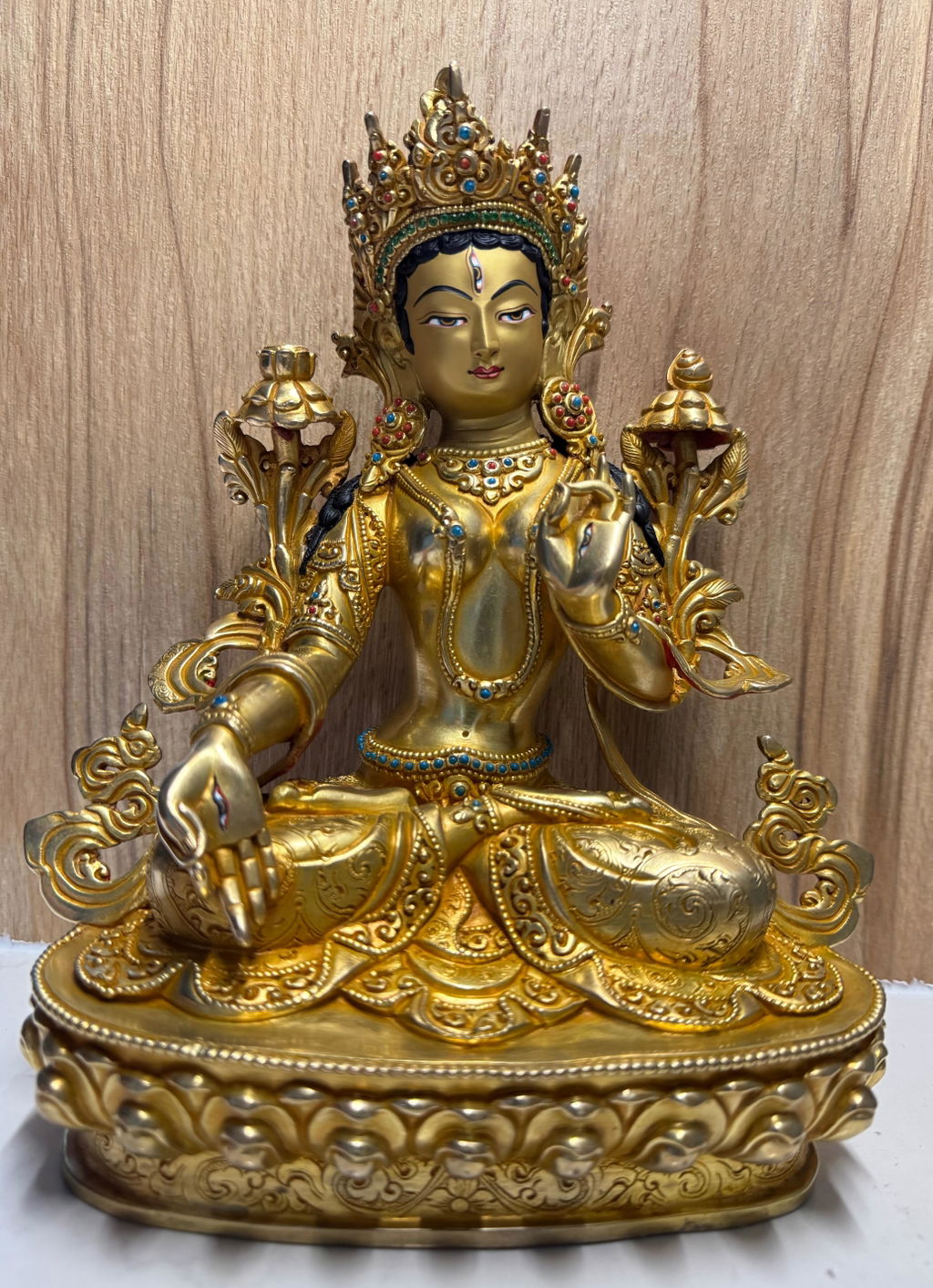
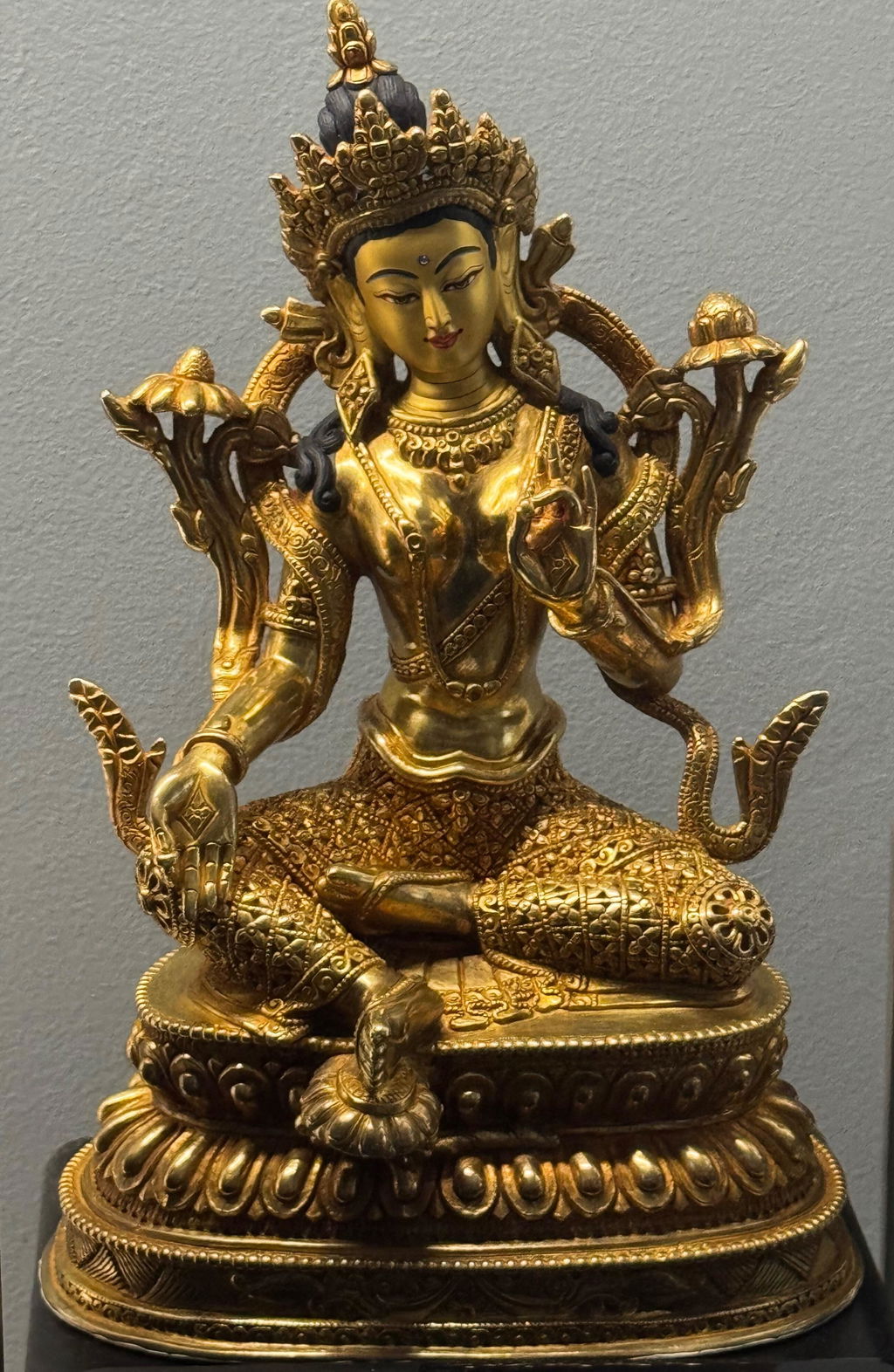
i) Postures (asanas)
Postures (asanas) provide life to the figures. Let's see the symbolism behind the different postures crafted in Buddhist statues.
-
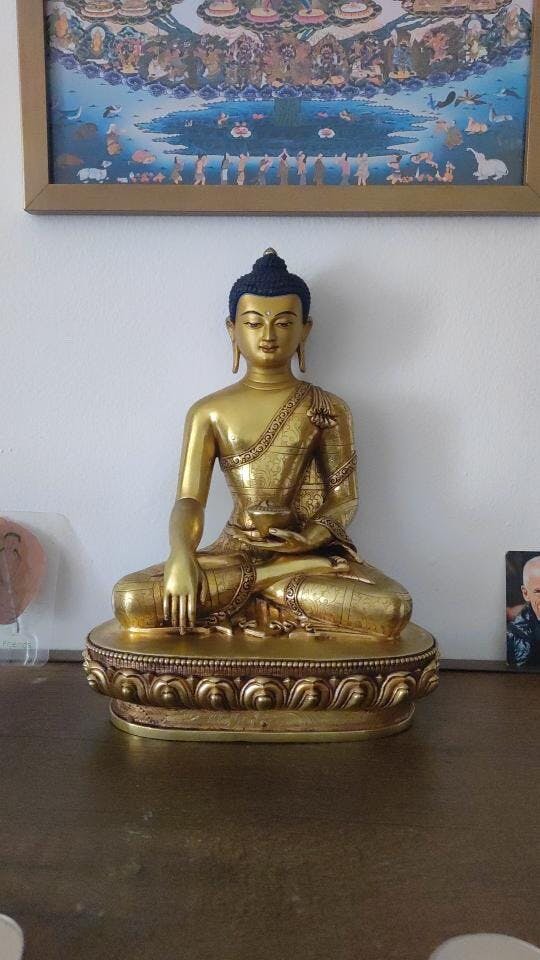
Cross-legged, they convey peace and meditation.
-
Standing, they convey compassion.
-
The royal-ease posture conveys wisdom.
-
Each posture is meant to convey a particular frame of mind.
ii) Hand Gestures (mudras)
Hand gestures (mudras) convey meaning without spoken words. Even the smallest change in the hand gesture changes the meaning. The "big three" mudras observed in many statues are,
a) Teaching mudra (Dharmachakra mudra)
In this mudra, deities keep their hands held near the chest. Their gestures bless one, making a circular motion of thumb and index, representing the wheel of Dharma in the circle the fingers form.
b) Meditation mudra (Dhyana mudra)
In this meditation pose, a deity is made by resting both hands on the lap. The right hand is placed on top of the left while the palms are ready to bless the devotees. We also observe that a tiny triangle is formed by the tips of fingers in this mudra.
c) Protection mudra (Abhaya mudra)
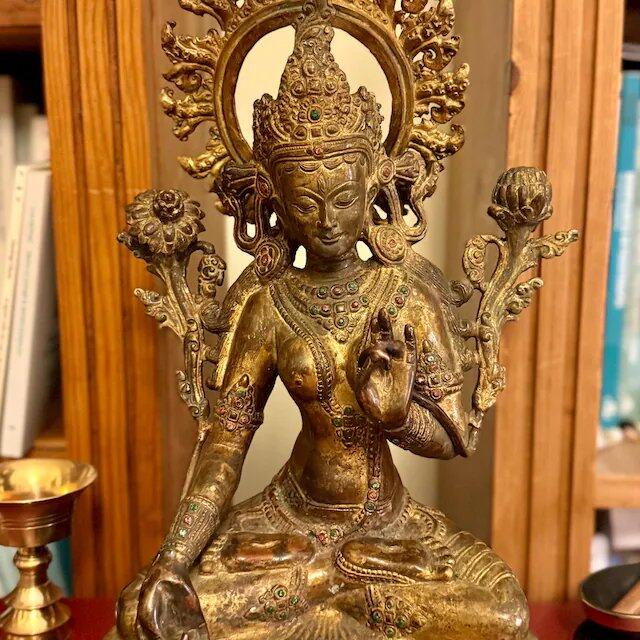
In this mudra, the right hand is raised, the arms are bent, and the palm is facing outward to bless individuals. The left hand, however, is in a resting position during Abhaya mudra.
iii) Facial expressions
Facial expressions bring the figures to life. We observe a serene, balanced, and slightly smiling persona of a peaceful deity with eyes half-closed. It is symmetrical, conveying peace, not emotions.
Different Buddhist Figures with Their Symbols
Every statue and form we worship in Buddhism has a meaning that might not be familiar to us. It can simply be something we seek in our lives, such as compassion, wisdom, and moral strength, to make one's life on the easier side. As you begin to notice, we become aware and able to channel energy, which teaches us values that many of us could have ignored.
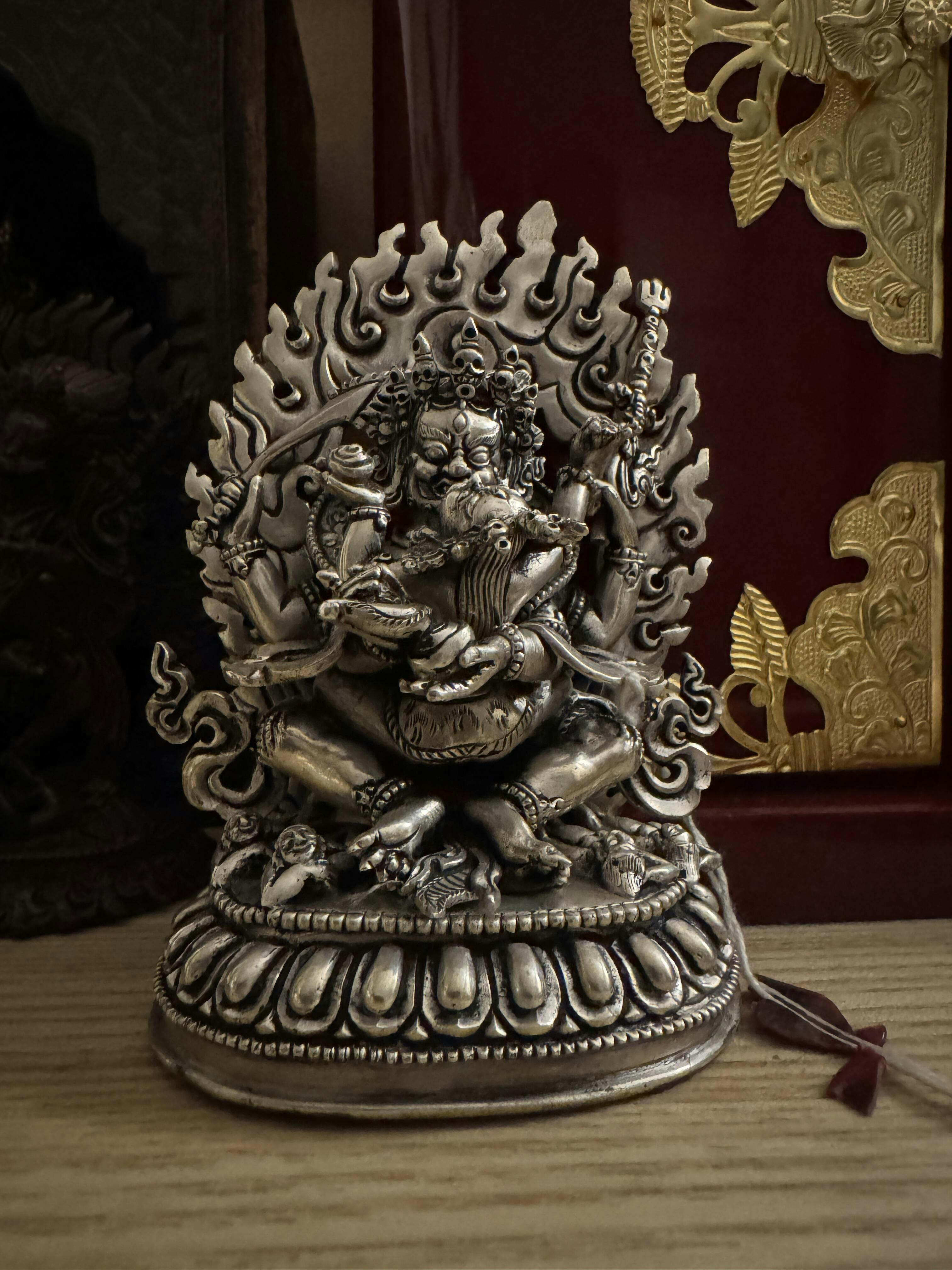
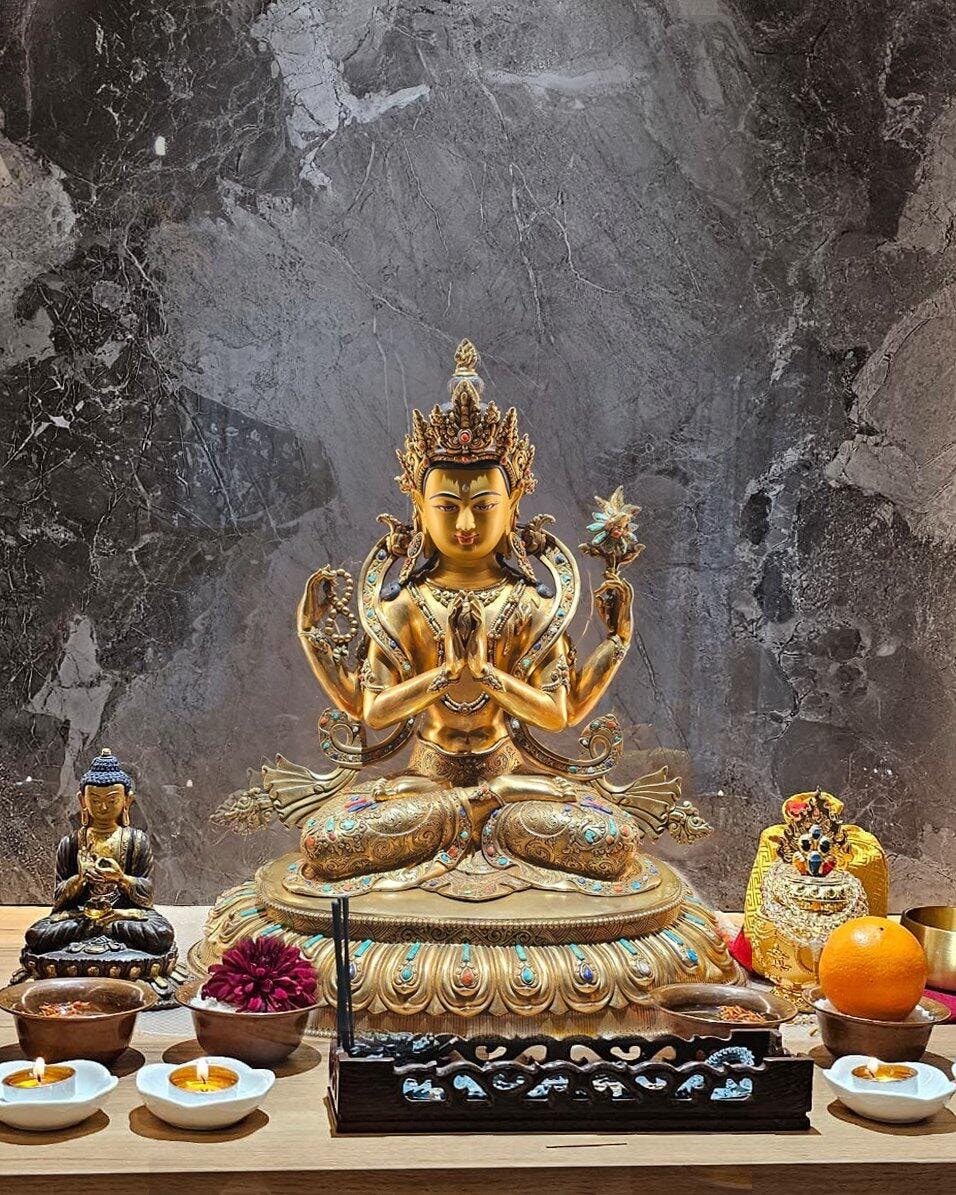
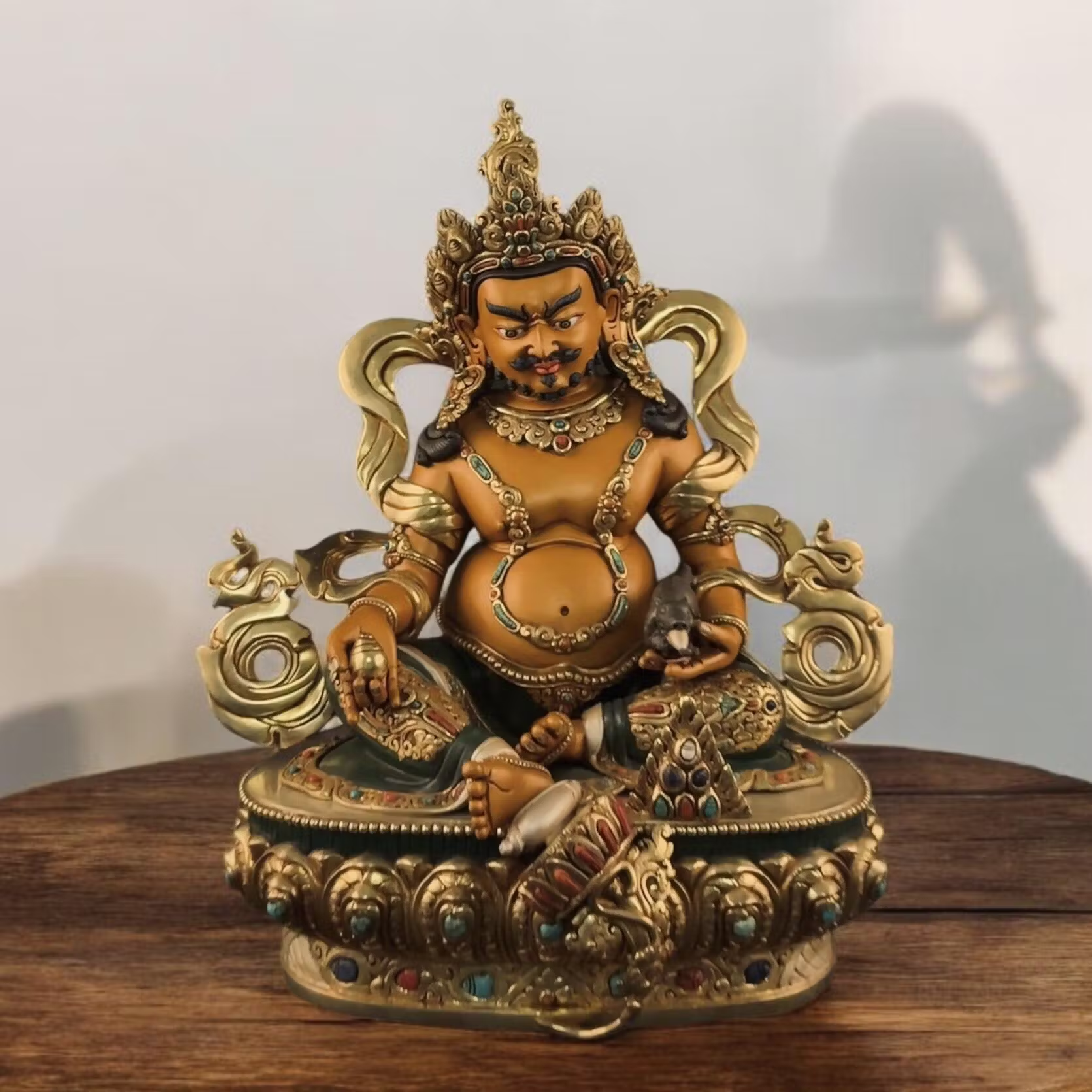
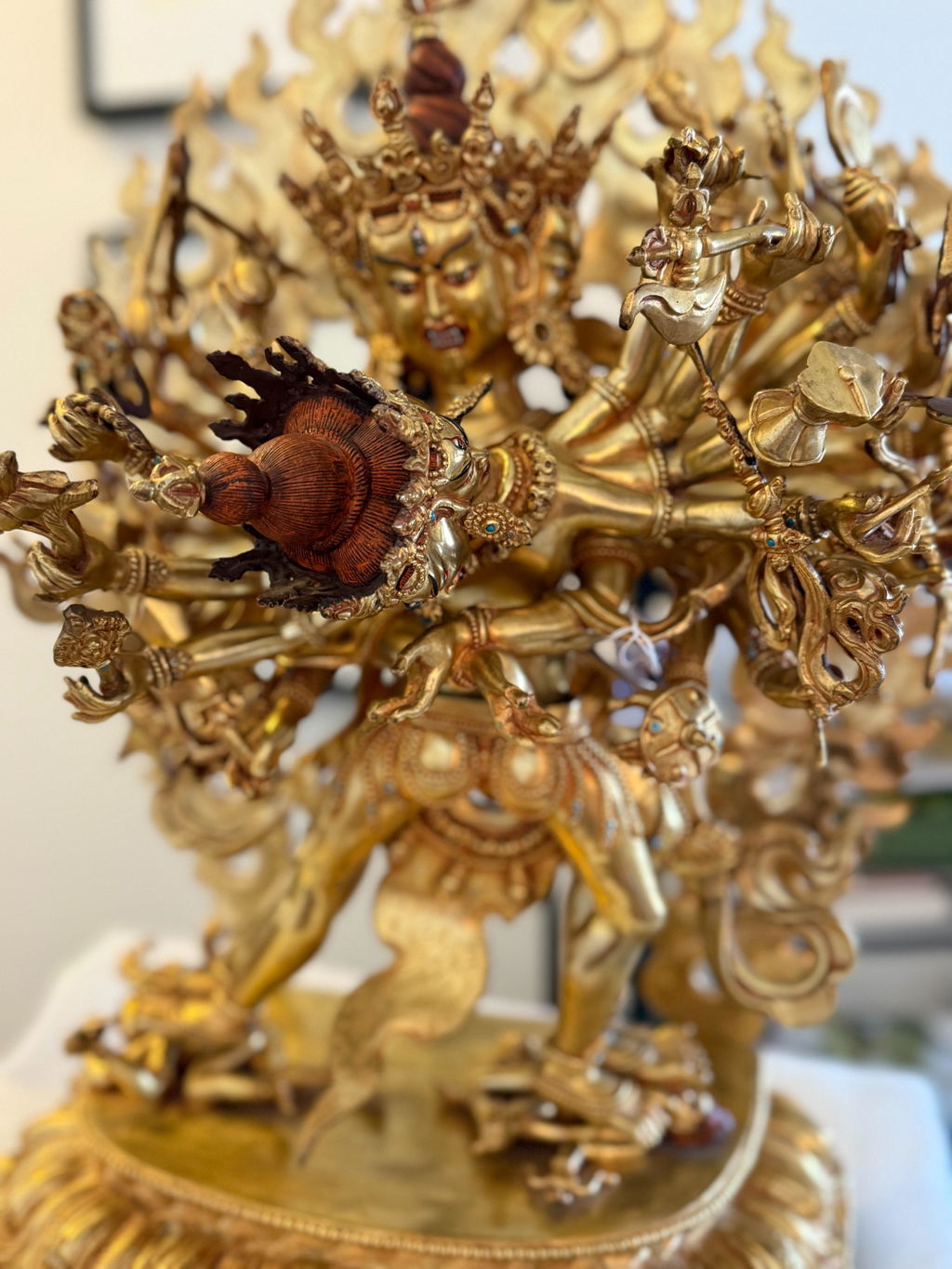
Symbols provide each figure with its unique identity. Be it a peaceful or wrathful deity, they have their symbols or ritual objects associated with them, transmitting the wisdom they possess.
-
Manjushri has her sword, a book, and a lion
-
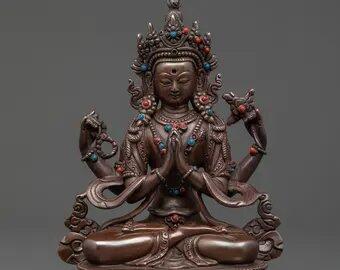
Avalokiteshvara has a lotus and multiple hands
-
White elephant as ride of Samantabhadra
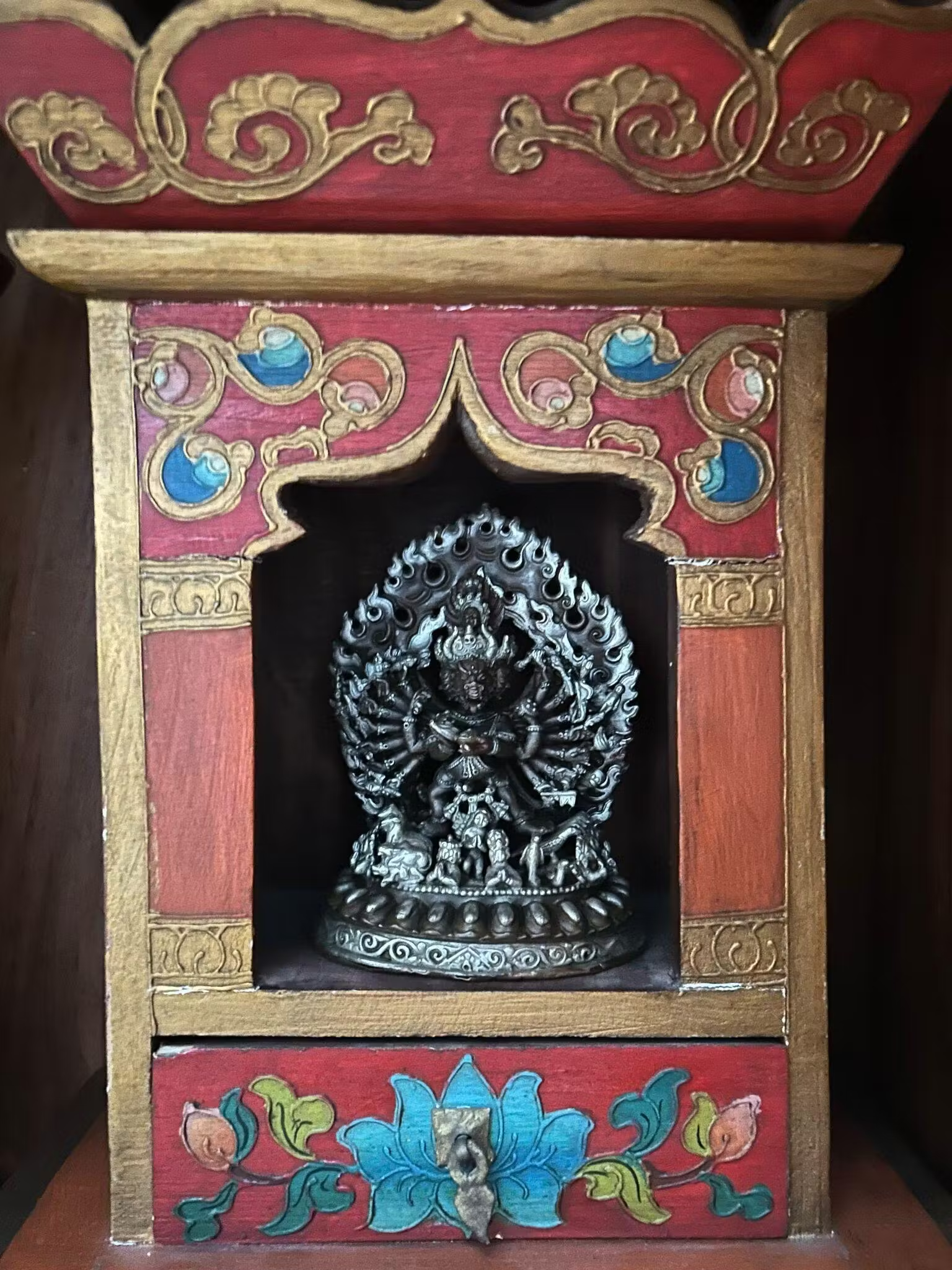
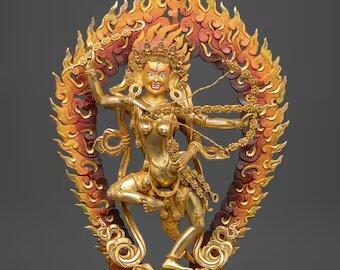
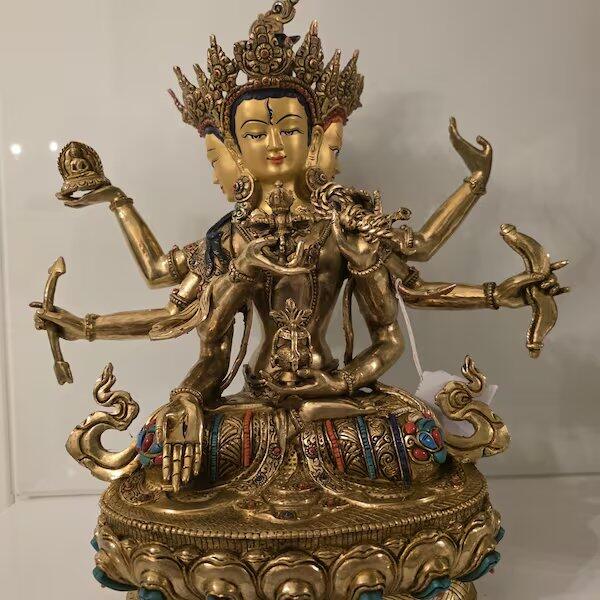
Every minute detail of a Buddhist statue's crafting has a unique meaning hidden within during the making. It can be a transformation of ignorance associated with flames. Skulls remind us of death and mortality, suggesting everything has an end. One with multiple arms simply means that there is limitless ability and reach to enlighten the body, mind, and soul.
The sacredness of statues lies not just in form but in how they are perceived by the devotees. It holds values, emotions, and recognition of the practitioners' power to find inner spirituality through visionary practices, and many more.
The Sacred Interior: Filling of a Buddhist Statue
In Tibetan Buddhism, the spiritual transformation of a statue begins with a ritual known as statue filling, or "zung." Statue filling is something like giving life to a statue with a ritual. By doing this, a simple piece of craft, like a statue, can have a life and can be used as a tool for meditation and devotion.
After the outer form is completed, the handmade statues are now taken to fill the hollow interior with sacred substances. This process is essential for invoking the inner qualities of enlightenment.
So, how is it done? For that, experts in this field, like spiritual gurus, do their part reciting the mantra scrolls, fragments of sacred texts. They also use medicinal herbs, incense powders, grains, and semi-precious stones to bring life into the statue. In some cases, small relics of respected monks are also placed inside.
These items symbolize wisdom, purity, healing, and the blessings of the Buddhist lineage.
-
The mantras act as the “spiritual voice” of the statue.
-
Herbs and incense represent purification and healing.
-
Precious stones symbolize clarity and spiritual wealth.
Each item is placed according to specific ritual instructions while monks recite prayers and visualize divine energy entering the statue. Once complete, the base is sealed, believing that the sacred blessings are already filled inside the statue.
Consecration (Rabne) of Buddhist Statue
The consecration ritual, known as Rabne, is usually performed by qualified lamas or monks. They chant sacred mantras to invoke the presence of Buddhas and Bodhisattvas in the statues that are crafted. During the ritual, the statue is symbolically awakened to bless your sacred space. Such a consecrated statue can:
-
Purify negative karma
-
Spread blessings through wind, water, or even shadow
-
Help beings move toward enlightenment
Consecration of Thangkas
Not only the statues but also the paintings are consecrated to evoke it in its spiritual form, making them the "thangkas." Monks pray and chant to bless these paintings before they are put to use. Only then can these paintings get their true form as a bodhisattva image.
Consecrating thangkas and statues is an important ritual in Buddhism. The Dharma showcases how art and spirituality can come together beautifully. To make it possible, everyday materials like metal, paint, cloth, and stone are used in the making of ritual objects.
Sacred Meaning of Statues and Relics
In Buddhism, statues and stupas represent the Buddha, the highest form of enlightenment. Relics, also called dhātu, are the physical remains of the Buddha or old masters and are believed to give these statues more sacred meaning. They are usually housed in stupas, the monuments or places of worship one comes to for spiritual blessings.
Sacred statues also contain mantras in the form of scrolls, herbs, incense sticks, grains, and sometimes jewels and relics. This process imparts a spiritual essence to the statue. The final consecration ritual is called ‘eye-opening’ or 'kaiguang.' This ritual symbolically enlivens the statue when a monk uses a brush to dot its eyes.
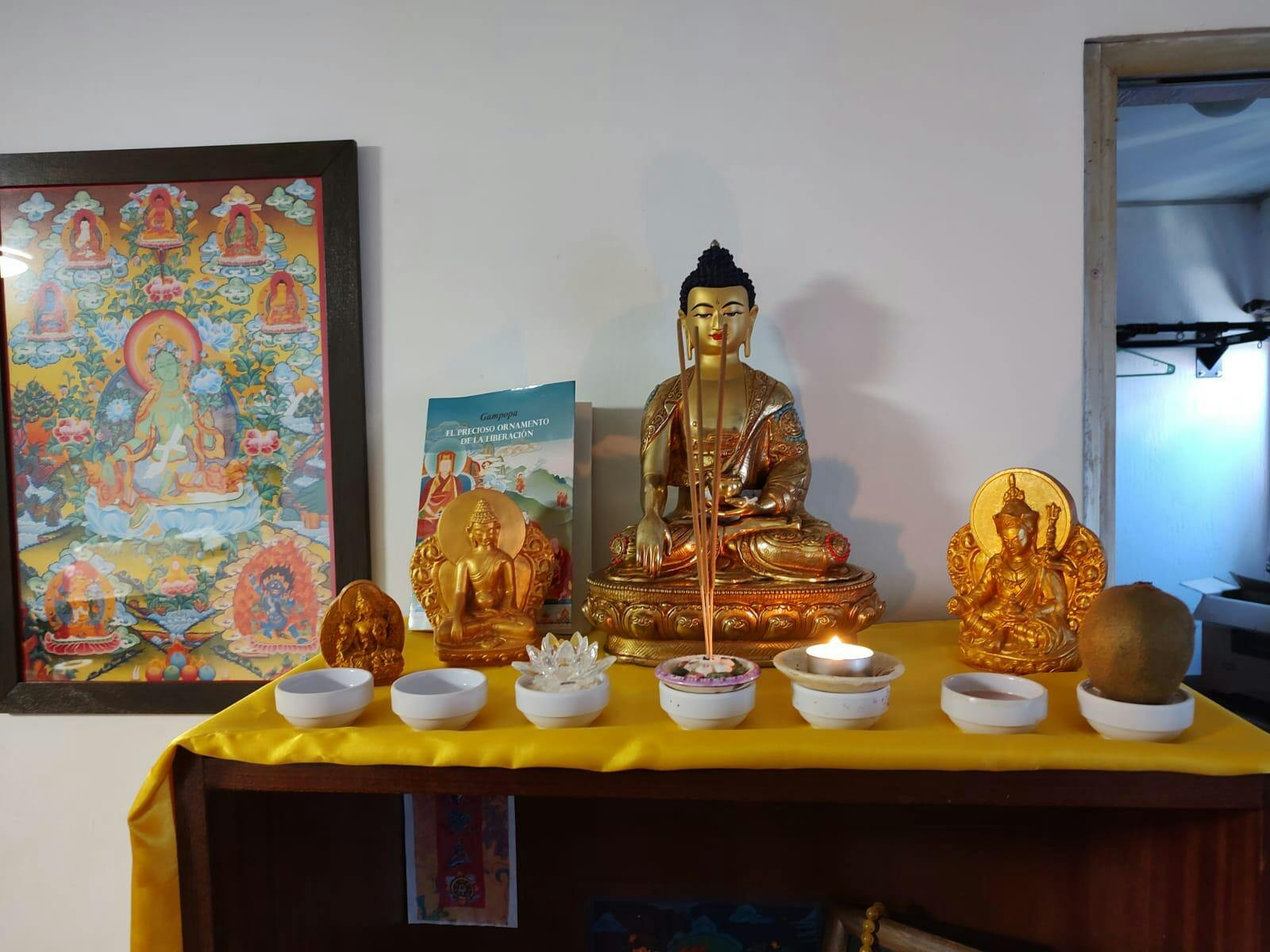
Creating a Sacred Space at Home
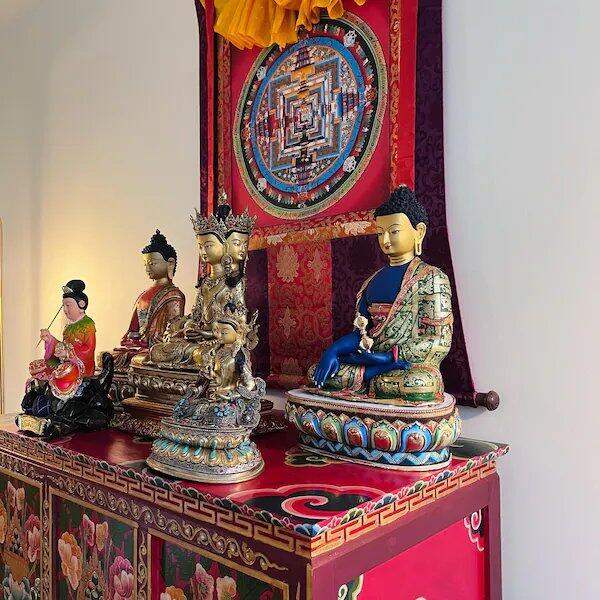
A Buddhist statue can be a source of earthly item that can connect with their spirituality and the celestial realm, where many bodhisattvas reside. To appreciate the true value of a Buddhist statue, it is essential to feel it truly on the inside.
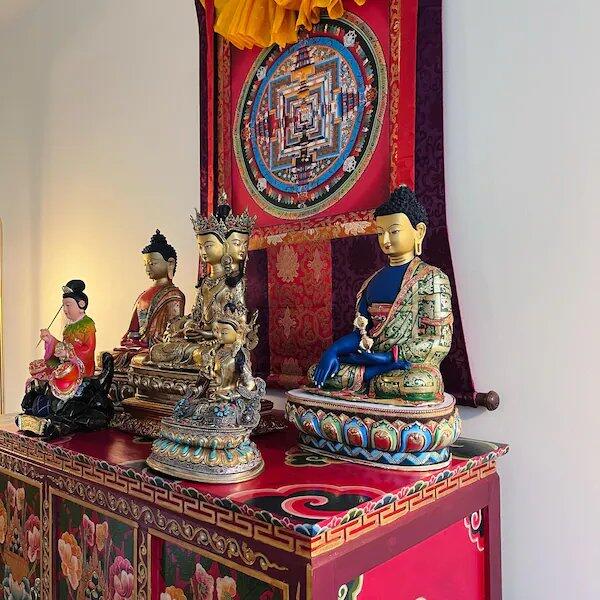
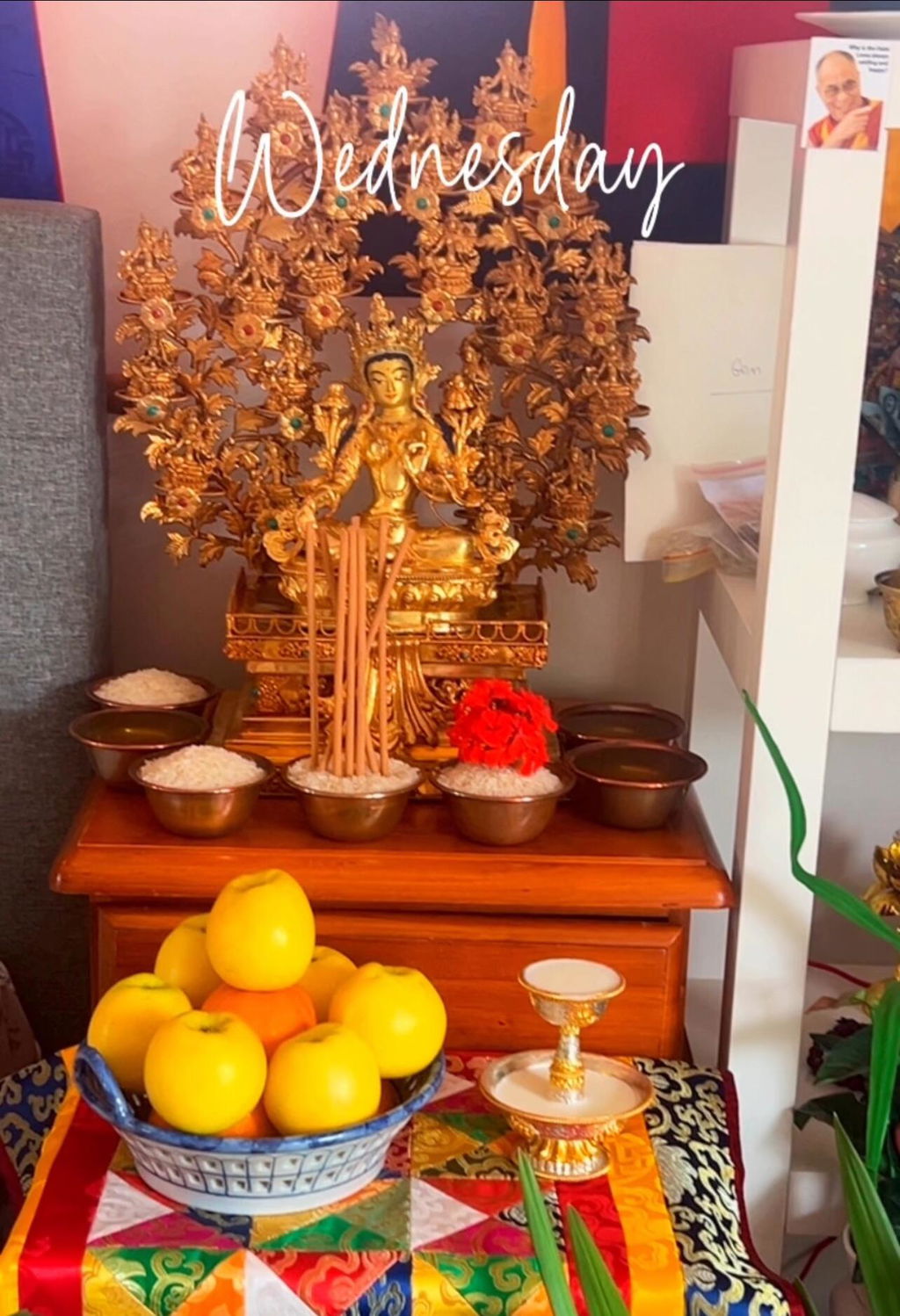
Ideal Placement for Statue
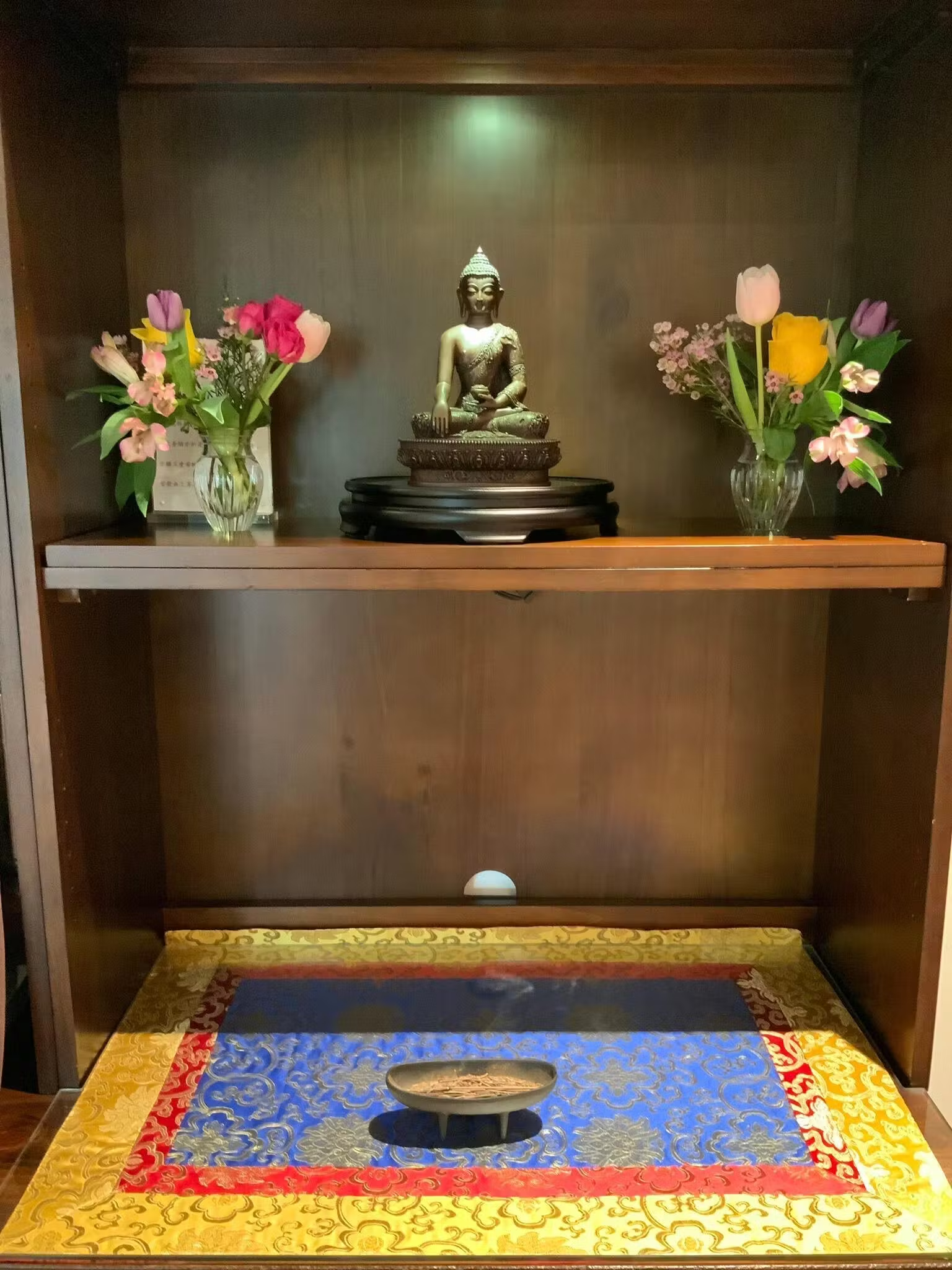
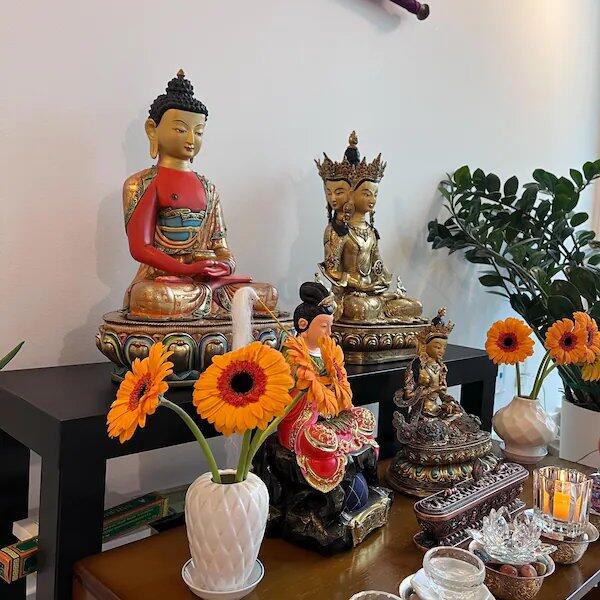
Respectful placement helps preserve the statue's symbolic meaning. Here is an important guideline on what to do.
-
Statues should be placed in an elevated space
-
It should reside in a table, altar, or shelf, not on the floor
-
Create a clean environment without clutter
-
Choose a thoughtful orientation
-
Many traditions prefer the statue facing east or north for positive energy.
Places to Avoid
Avoid placing a Buddha statue in locations associated with disorder or impurity. These spaces conflict with the calm and respectful energy the statue represents. such as:
-
Bathrooms
-
Laundry areas
-
Near garbage bins
Buddhism in the Modern World
Buddhism is still inspiring people to live a more stress-free life. They lean on modern versions of ancient practices such as meditation, chanting, and mindfulness in their daily lives. Humanistic Buddhism is something they wish to achieve. It allows one to appreciate the teachings of compassion, mindfulness, and joy in one's daily life, coming to the modern context of humanity.
Conclusion
Each Buddhist figure represents qualities that already exist within us: compassion, wisdom, clarity, and even powerful emotions like anger or intensity. Rather than rejecting these energies, the Vajrayana Buddhist tradition teaches us to transform them, turning inner experiences into awareness and applying that understanding meaningfully in everyday life.
Hear more such insights from Nidhiratna.
FAQs
1. How is a Buddhist statue crafted at Nidhiratna?
Buddhist statues at Nidhiratna are crafted according to centuries-old iconographic traditions. Skilled Newari artisans use specialized tools to create intricate designs and fine details, giving the statue an artistic presence and a lifelike, vibrant appearance that reflects the enlightened qualities of the figure.
2. How do you take care of a Buddhist statue?
A Buddhist statue is best cared for with mindfulness and respect. For copper or gold-gilded statues, gently dust with a soft, dry cloth. Avoid harsh chemicals or water, especially on gilded areas. Keep the statue in a clean, dry place, away from direct sunlight or moisture. Avoid touching gilded areas as oils from hands can tarnish gold. Always handle with reverence, honoring the sacred presence it embodies.


Share:
Who is Maitreya Buddha? The Story of the Future Buddha Explained
Thousand-Armed Avalokiteshvara (Chenrezig): Meaning, Symbolism, and the Power of 1000 Arms in Buddhism